A mundane yet needed task for all RVers: figuring out where to store this behemoth when you’re not channeling your inner nomad. If you’ve ever tried parking a 40-foot 5th wheel in a suburban driveway, you know the neighbors start giving you that look—as if you’ve brought home a pet elephant that won’t stop trumpeting.
After years of trial and error, we’ve navigated the convoluted world of RV storage facilities. From roof shelters that are about as secure as a wet paper bag to full-service RV spas that treat your vehicle better than you treat yourself, we’ve experienced it all.
So buckle up as we explore the decent, the better, and the best options for storing your home on wheels.
The Decent: Roof Shelter Without Walls
Let’s start at the bottom of the totem pole—the roof shelter without walls. Think of it as the carport’s awkward cousin who shows up to family gatherings uninvited. It’s essentially a giant metal awning under which you can park your RV. It offers a smidge of protection from the elements, mainly the sun beating down like it’s got a personal vendetta against your paint job.
What You Get:
- Basic Protection: The roof shields your RV from direct sunlight and precipitation. Hailstones the size of golf balls? Well, they might ricochet off the roof and dent the side of your RV instead.
- Affordability: These are the budget airlines of RV storage—no frills, but they get the job done if your expectations are low enough.
- Easy Access: Pull in, park, and you’re done. No fussing with gates, locks, or navigating tight corners.
What You Don’t Get:
- Security: With open sides, your RV is exposed to the world—or at least to anyone who wanders by with sticky fingers and a penchant for other people’s property.
- Comprehensive Weather Protection: Wind-driven rain, dust storms, and curious critters have free rein to explore your RV’s exterior, and possibly interior if they’ve been taking lessons from Houdini.
- Prestige: Let’s face it, your RV deserves better than the equivalent of a roadside motel where the “vacancy” sign never turns off.
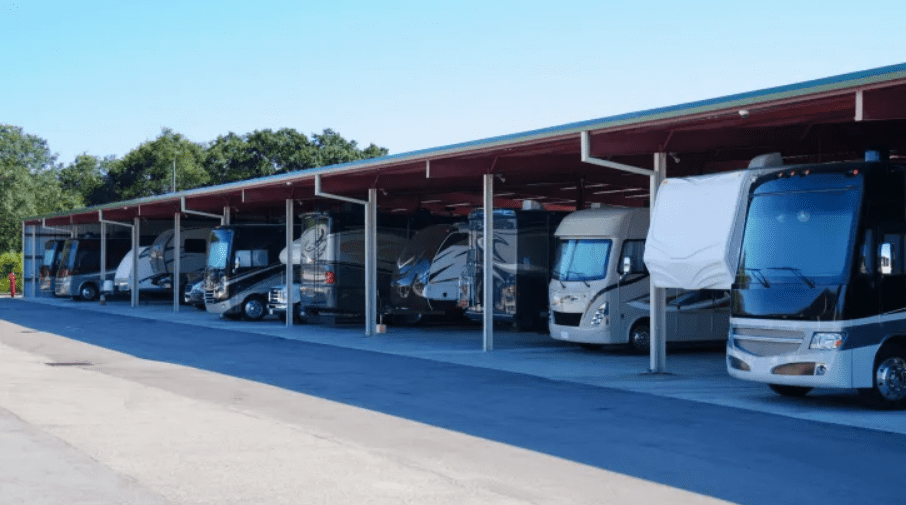
In our early days of RV ownership—back when we thought a tire pressure monitor was optional—we opted for one of these roof-only shelters. It was affordable, conveniently located near our home, and had vacancies aplenty (a red flag we blissfully ignored). Pulling in was easy, and we didn’t have to plan our trips around the facility’s operating hours.
But then came the downsides. On one memorable occasion, we arrived to find a family of birds had taken up residence on our back ladder, turning it into their personal high-rise condo. Then, there was the time when a windstorm coated the entire exterior with a fine layer of dust and sand, making our RV look like it had aged 20 years overnight.
Security was another concern. While we never experienced theft, the lack of any barriers made us uneasy—especially after noticing some unsavory characters loitering nearby. It’s hard to relax on vacation when you’re wondering if your RV is starring in its own episode of “Gone in 60 Seconds.”
Is It Worth It?
If you’re pinching pennies and live in an area with a climate as mild as a sitcom, a roof shelter might suffice. But for those who value their investment—and sanity—it’s merely a stepping stone to better options.
The Better: Enclosed Storage
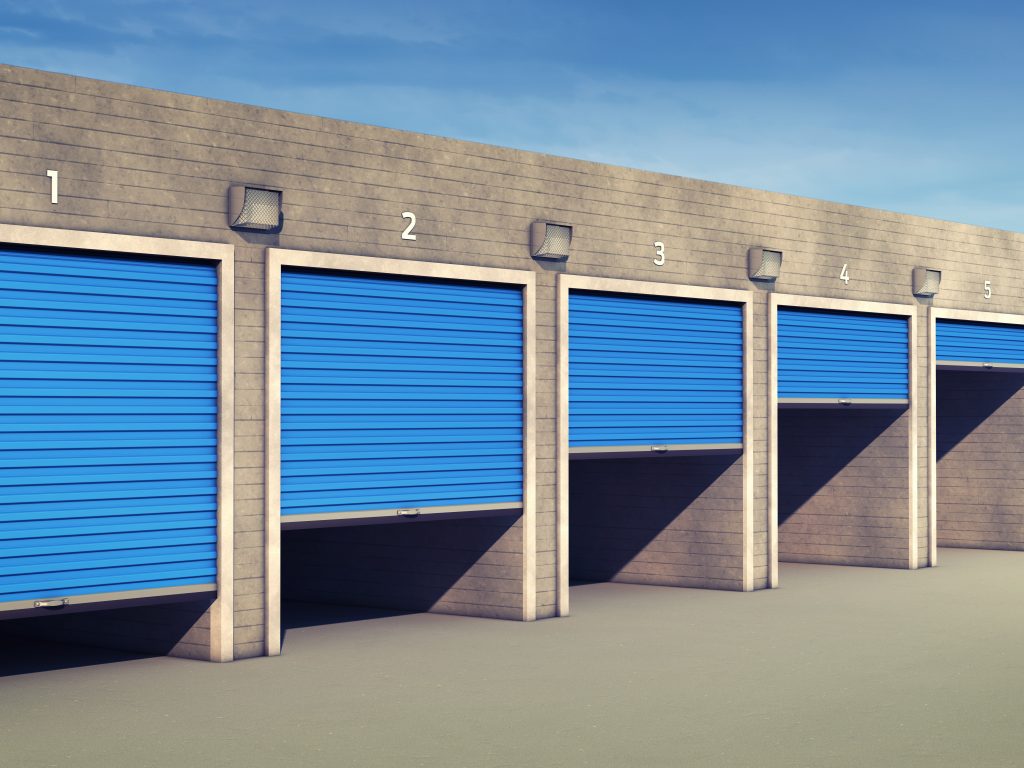
Stepping up the ladder, we arrive at enclosed storage—the middle child of RV storage options that gets most things right without demanding your firstborn as payment. Enclosed storage facilities offer individual units or bays where your RV is sheltered from all sides, much like a garage but scaled up for your vehicular mammoth.
What You Get:
- Comprehensive Protection: Your RV is shielded from sun, rain, wind, and the local wildlife that views your wiring as a gourmet buffet.
- Enhanced Security: Walls, doors, locks, and sometimes even alarm systems keep the riffraff at bay.
- Peace of Mind: Knowing your RV is tucked away safely allows you to focus on more important things—like planning your next trip or debating whether to splurge on that new satellite dish.
What You Don’t Get:
- Climate Control: Most enclosed units aren’t climate-controlled, so while your RV is protected from direct exposure, extreme temperatures can still have their way with your interiors and batteries.
- Access Restrictions: Some facilities have specific hours, so that midnight urge to check on your RV (we’ve all been there, right?) might have to wait until morning.
- Higher Cost: Quality comes at a price, but as my grandmother used to say, “Only the rich can afford cheap things,” usually before buying another antique she didn’t need.

After the roof shelter debacle, we decided it was time to treat our RV—and ourselves—to enclosed storage. We found a facility reasonably close to home with decent security measures and units large enough to accommodate our fifth-wheel without requiring the precision of a Tetris grandmaster.
Parking inside was a revelation. No more worrying about hailstorms turning our RV into Swiss cheese or the sun bleaching our exterior to a shade that can only be described as “faded disappointment.” The facility had security cameras and required a code to enter, adding layers of protection that made us sleep easier at night.
Of course, it wasn’t all sunshine and rainbows. The facility wasn’t climate-controlled, so we had to take extra steps to winterize the RV and remove any items that might not survive a temperature swing more dramatic than a soap opera plot twist.
Is It Worth It?
For us, enclosed storage hit the sweet spot between cost and peace of mind. It protected our investment without requiring us to sell a kidney to afford it. If you value your RV but don’t need all the bells and whistles of a full-service facility, this is a solid choice.
The Best: Full-Service RV Storage
Now we arrive at the penthouse suite of RV storage—the full-service facility. Places like The RV Loft in Marietta, Georgia, redefine what it means to store an RV. It’s not just storage; it’s a country club for your vehicle, complete with amenities that make you wonder if your RV is having a better time than you are.
What You Get:
- Climate-Controlled Environment: Your RV is stored in conditions that would make a sommelier nod in approval. Temperature and humidity are regulated to protect every inch of your investment.
- Security Galore: Advanced surveillance systems, gated access, and sometimes even on-site security personnel ensure that not even a speck of dust gets near your RV without permission.
- Additional Services: Detailing, maintenance, battery charging, tire pressure checks, and even concierge services. Yes, you read that right—concierge services for your RV.
- Flexible Access: Extended or 24/7 access means you can retrieve or park your RV whenever the open road calls—or when you realize you left your favorite travel mug in the cup holder.
What You Don’t Get:
- Budget Pricing: Premium services come with premium prices. Prepare your wallet accordingly.
- Excuses for Neglect: With all these services, you have no one to blame but yourself if your RV isn’t in tip-top shape. The pressure is real.
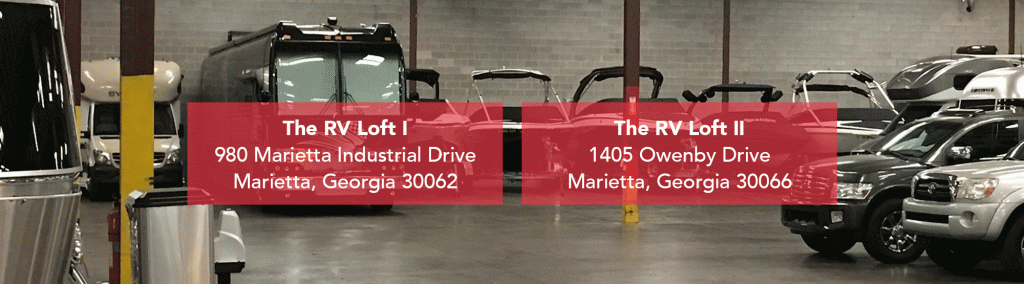
While we haven’t personally stored our RV at The RV Loft, we did take a tour—partly out of curiosity and partly to see how the other half lives. Walking through the facility felt like entering a luxury spa. The air was crisp, the floors spotless, and the staff greeted us with the kind of enthusiasm usually reserved for long-lost relatives or lottery winners.
They offered services we didn’t know we needed: monthly engine starts, slide-out exercises, and even pest control measures that could fend off a biblical plague. The security features rivaled those of a high-end jewelry store, and the climate control meant our RV’s interior would stay as fresh as the day we bought it.
We were tempted, oh so tempted, to sign up on the spot. But then we remembered that our budget wasn’t exactly aligned with the “money is no object” crowd. Still, knowing such places exist gives us something to aspire to—or at least daydream about when we’re manually scrubbing bug splatter off the windshield.
Is It Worth It?
If you own a high-end RV—perhaps a luxury motorcoach that costs more than the average home—or you simply demand the best for your prized possession, full-service storage is the way to go. It’s an investment in preserving the value and condition of your RV, and for some, the peace of mind alone justifies the cost.
Cost Considerations Based on the Value of Your RV
Let’s talk numbers because, at the end of the day, even the most romantic notions of RV life have to reconcile with reality—and that reality often comes with a price tag.
Roof Shelter Without Walls:
- Cost Range: $50 to $150 per month, depending on location and facility.
- Best For: Older or lower-value RVs where budget is the primary concern.
- Risk vs. Reward: Minimal protection at a minimal cost. You get what you pay for.
Enclosed Storage:
- Cost Range: $150 to $400 per month.
- Best For: Mid-range RVs where you want solid protection without going overboard.
- Risk vs. Reward: A balance between cost and security. Protects your investment without excessive spending.
Full-Service Storage:
- Cost Range: $400 to $1,000+ per month.
- Best For: High-end RVs or owners who value top-tier security and services.
- Risk vs. Reward: Maximum protection for a significant cost. Ideal for preserving the value of expensive RVs.
Factors to Consider:
Value of Your RV: If your RV is on the higher end of the price spectrum, investing in better storage makes financial sense. Protecting a $500,000 motorcoach with premium storage is a drop in the bucket compared to potential depreciation from damage.
Frequency of Use: If you’re a weekend warrior hitting the road regularly, accessible storage is key. You might prioritize facilities with flexible hours over those with extensive services you won’t utilize.
Climate Considerations: Harsh weather conditions in your area can accelerate wear and tear. In such cases, opting for enclosed or climate-controlled storage can save you money on repairs in the long run.
Insurance Requirements: Some insurance policies offer discounts based on the type of storage you use. It’s worth checking if upgrading your storage could lower your premiums.
PRO TIP: Understanding RV Insurance: Costs, Legalities, and Denial Reasons
Our Choice: Enclosed Storage—Why It’s How We Roll
After weighing the options, we settled on enclosed storage as our sweet spot. Here’s why:
Protection vs. Cost:
Our fifth-wheel isn’t the most expensive model out there, but it’s not a fixer-upper either. Enclosed storage offers the protection we need without straining our budget to the breaking point. It shields our RV from the elements and potential security threats, preserving its condition and resale value.
Accessibility:
The facility we chose offers 24-hour access.
Peace of Mind:
Knowing our RV is tucked away securely allows us to focus on planning our next adventure rather than worrying about potential damage or theft. It’s one less thing to stress about in a world that seems to specialize in generating anxiety.
Community:
An unexpected perk was the community at our storage facility. Fellow RV enthusiasts share tips, stories, and sometimes the odd tool or two. It’s like a campground camaraderie without the campfire smoke.
The Right RV Storage
Choosing the right RV storage is a bit like Goldilocks searching for the perfect porridge—you’re looking for the option that’s just right. Whether you’re content with a basic roof shelter, yearning for the full-service treatment, or, like us, find enclosed storage to be the perfect middle ground, the key is to align your choice with your needs and budget.
Remember, your RV is more than just a vehicle; it’s a gateway to adventure, a mobile sanctuary, and possibly the most significant investment after your home. It deserves a storage solution that protects it from harm and keeps it ready for the next journey—whether that’s a cross-country trek or a weekend getaway.
So take the time to evaluate your options, visit facilities, and ask questions. After all, the only thing worse than regretting your storage choice is realizing you’ve been sharing your RV with a family of squirrels who didn’t chip in for the mortgage.
As for us, we’ll continue rolling with our enclosed storage—content in the knowledge that our RV is safe, secure, and ready for whatever the open road has in store. And who knows? Maybe one day we’ll upgrade to that full-service facility and give our RV the spa treatment it secretly dreams of. Until then, we’ll keep chasing sunsets and collecting memories, one mile at a time.
We’ll Help You Find the Best Free Camping in the USA
You should give it a try!
As a matter of fact, these free campsites are yours to enjoy. Every time you pay federal taxes, you’re contributing to these lands.
Become a FREE CAMPING INSIDER and join the 100,000 campers who love to score the best site!
We’ll send you the 50 Best Free Campsites in the USA (one per state). Access the list by submitting your email below:
Check out Subtropolis in Kansas City, MO. It’s arguably the best possible storage location of all. I’d like to find similar facilities in the SW part of US.
Lol! Full timers just have to deal with whatever the weather does to the rig!