We’ve all heard that eating fish is healthy, but certain species can be downright toxic. You might want to limit your consumption of specific types or avoid them altogether.
But how can you know which fish are safe to eat?
Today, we’re reeling in the facts about toxins in seafood so you can keep yourself safe.
Let’s dive in!
How Common Is Toxic Mercury Contamination in Fish?
Healthy fats, protein, and omega-3 fatty acids are a few of the nutrients we expect when we enjoy a nice fish fillet. But you might not anticipate that your dinner could be full of mercury.
This naturally occurring heavy metal is in the air we breathe, the water we swim in, and the ground beneath our feet. However, some folks get more exposure than others. If you work in an industrial environment, you may breathe in vapors or come into contact with more mercury than the average person.
In a way, you can say the same thing for aquatic organisms. Some species have concentrated levels of methylmercury. This is the toxic organic type stored in fish fat, skin, and flesh. Those that live in heavily polluted waters accumulate more of the harmful substance.

However, most fish get very little mercury from seawater. It mainly comes from algae that absorb methylmercury. Instead of expelling the excess in their waste, it accumulates in their tissue, a process called bioaccumulation.
Size and lifespan also contribute to the amount found in their bodies. That’s because large fish tend to eat lots of smaller fish.
When bigger species eat the little ones, they take on all the mercury the small guys ingested while munching on algae. This biomagnification is why you might consider throwing back a sizeable catch instead of putting it on your dinner plate.
Do You Have These Toxic Plants in Your Yard?
What Are the Most Toxic Species of Fish?
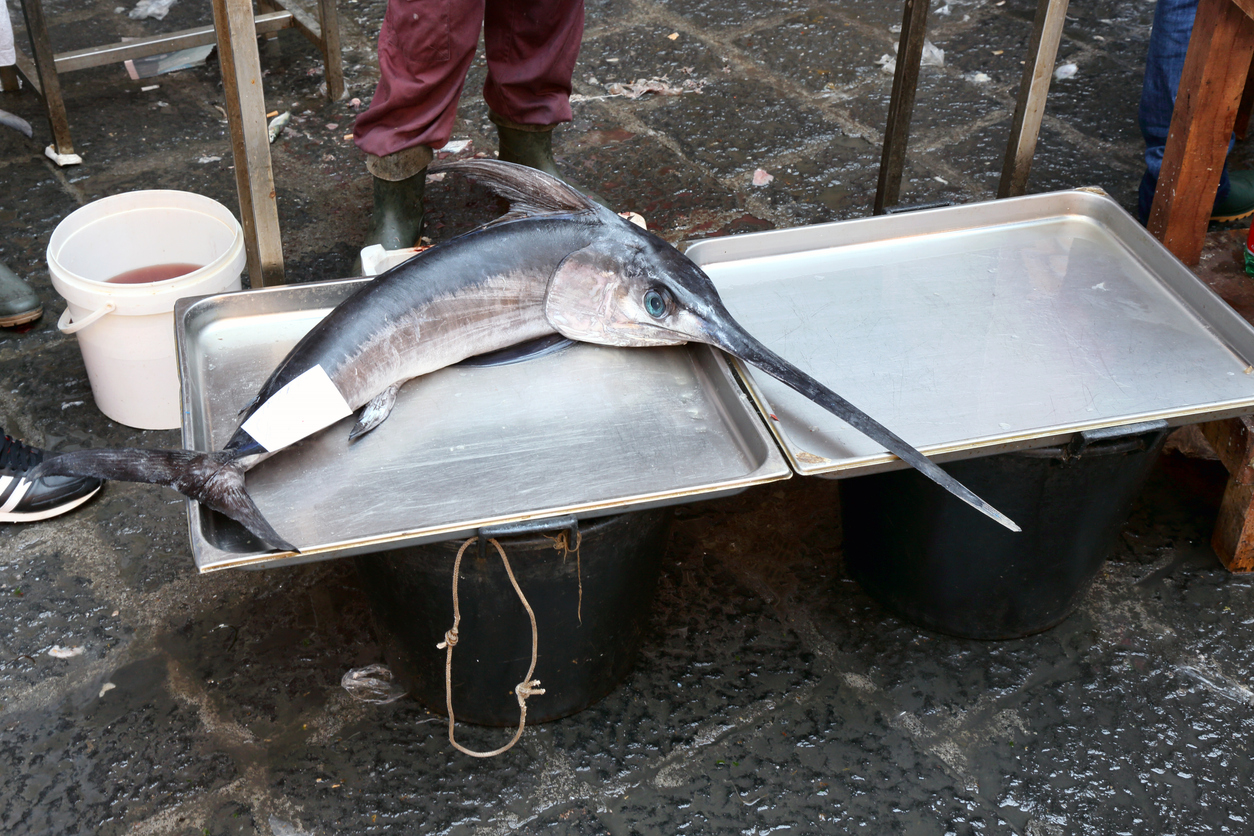
If you’re concerned about mercury exposure, you’ll want to limit your intake of certain species. King mackerel, swordfish, tuna, shark, marlin, tilefish, and northern pike are the biggest offenders.
Scientists measure the levels of toxic substances in fish using parts per million (ppm). On average, swordfish are the most highly contaminated, with 0.995 ppm. Following closely behind are sharks at 0.979 ppm, mackerel at 0.730 ppm, and bigeye tuna at 0.689 ppm.
In comparison, scallops and shrimp are at the bottom of the list, with 0.003 ppm and 0.001 ppm, respectively.
Officials advise that a safe level of mercury in humans is anything less than 5.0 micrograms (mcg) per liter. However, one study found that 89% of Americans exceed this limit. In fact, some had as much as 89.5 mcg per liter.
What Are the Consequences of Eating Toxic Fish?
Like fish, our bodies have difficulty getting rid of this toxic substance once we consume it. Over time, mercury can accumulate in high amounts, especially if you eat a lot of large fish. Unfortunately, this can cause a host of health problems, affecting your whole system.
Some of the most severe consequences include changes to the brain. Memory issues, depression, anxiety, and mood swings are common symptoms of overexposure. Several studies have linked mercury poisoning to diseases such as Parkinson’s and Alzheimer’s.
Tremors, numbness, decreased motor skills, and trouble walking, seeing, or speaking can also indicate high mercury levels.
Folks with increased amounts of the toxin also tend to have higher amounts of LDL cholesterol, which is the bad kind. Unfortunately, one study found that those with particularly elevated mercury are nearly twice as likely to die from heart-related illnesses than the average person.
Long-term exposure can lead to permanent brain and kidney damage and even heart failure.
While there’s no cure for mercury poisoning, treatments are available that can slow or stop the effects. Chelation therapy can help remove heavy metals from your body. Your doctor may give you charcoal or other substances that absorb harmful chemicals. They might use dialysis and blood transfusions if the case is severe.
It’s not just about mercury in saltwater fish: The 7 Dirtiest Rivers in the USA.
Should You Avoid Eating Fish Because of Mercury?
Although we’ve highlighted the serious impacts of mercury, that doesn’t mean you should cross fish off your grocery list for good. Many agree that the benefits outweigh the risks. At least as long as you monitor your intake.
Some folks are more at risk for dangerous complications. Children and women who are pregnant or breastfeeding should limit their consumption of potentially toxic fish. For the rest of the population, experts generally recommend eating two to three servings of low-mercury fish each week for its many health benefits.
Of course, it’s always wise to check local fishing advisories before cooking your fresh catch. Many factors affect water quality, and mercury isn’t the only pollutant to look out for. That said, most places around the country regularly test water samples to monitor for abnormalities.
Which Are the Least Toxic Types of Fish?
You already know that seafood has loads of health benefits in the right amounts. Essential nutrients and good types of fat contribute to growth and development in children and heart health in adults.
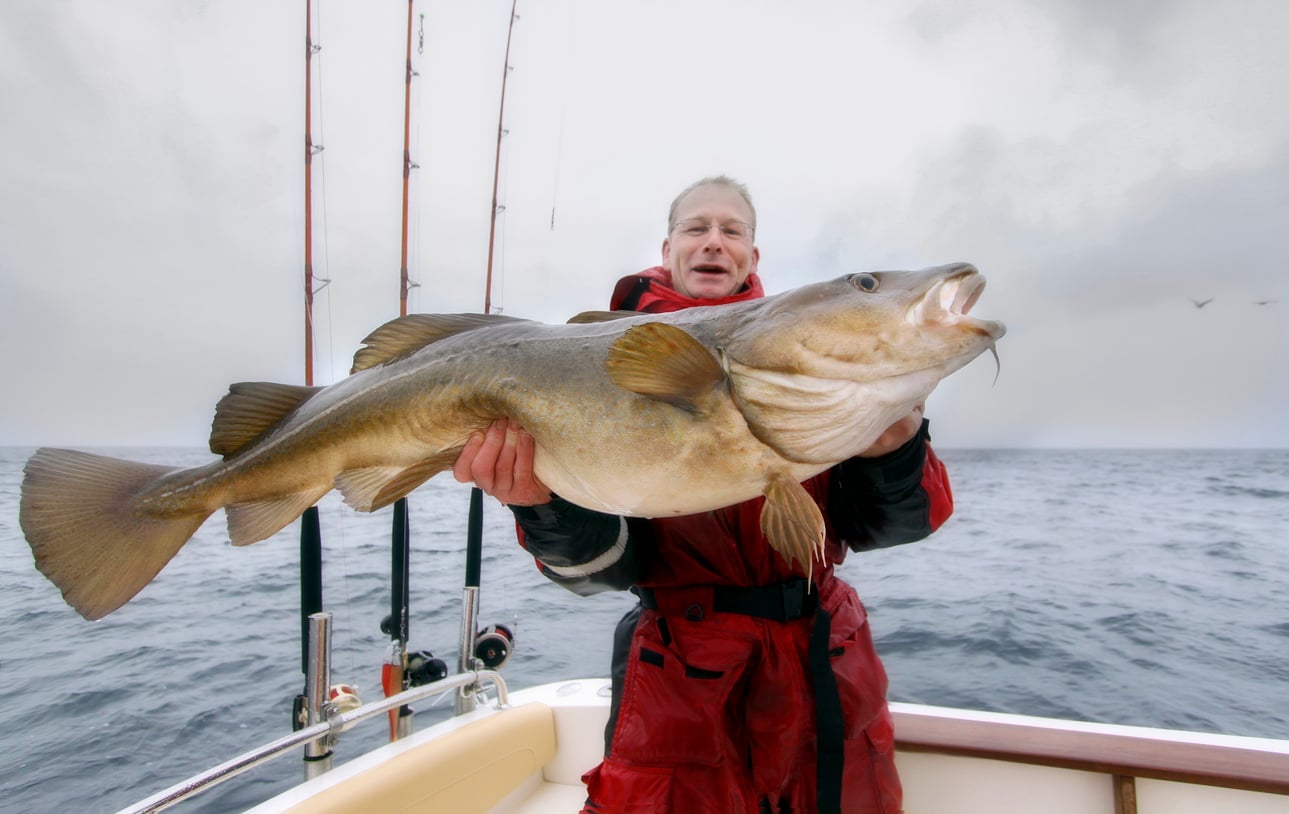
Salmon, scallops, sardines, and shrimp are all nutritional powerhouses that don’t tend to accumulate too much mercury. Pollock, catfish, cod, and canned light tuna are also good choices.
When you go out to eat, ask where their fish comes from. Some restaurants source their ingredients locally, while others order from around the world.
Most folks would never intentionally serve unsafe seafood, so you can’t expect your chef to know the water quality at any given point. However, you can search the Internet before placing your order, just to be sure.
When buying tuna and other canned seafood, look for companies that test their catch, like Safe Catch Ahi Tuna Wild Yellowfin Tuna.
Choose Your Seafood Wisely
Although a few days of gorging on fresh seafood at the beach probably won’t impact your mercury levels, chronic exposure can lead to significant problems. Choosing the right fish is vital to ensure you aren’t consuming too much of the toxic substance.
Of course, we’re not doctors. If you have any concerns about your risk, make an appointment with your healthcare provider. In the meantime, you might want to order the chicken.
We’ll Help You Find the Best Free Camping in the USA
You should give it a try!
As a matter of fact, these free campsites are yours to enjoy. Every time you pay federal taxes, you’re contributing to these lands.
Become a FREE CAMPING INSIDER and join the 100,000 campers who love to score the best site!
We’ll send you the 50 Best Free Campsites in the USA (one per state). Access the list by submitting your email below: