Mesa Verde National Park is full of history, culture, and, unfortunately, one danger after another. Your epic trip could quickly become a nightmare if you’re not careful.
What safety risks are waiting for you within its boundaries?
We’re glad you asked. Today, we’re bringing you all you need to know about protecting yourself and others during your visit to this remote national park.
Let’s get started!
About Mesa Verde National Park
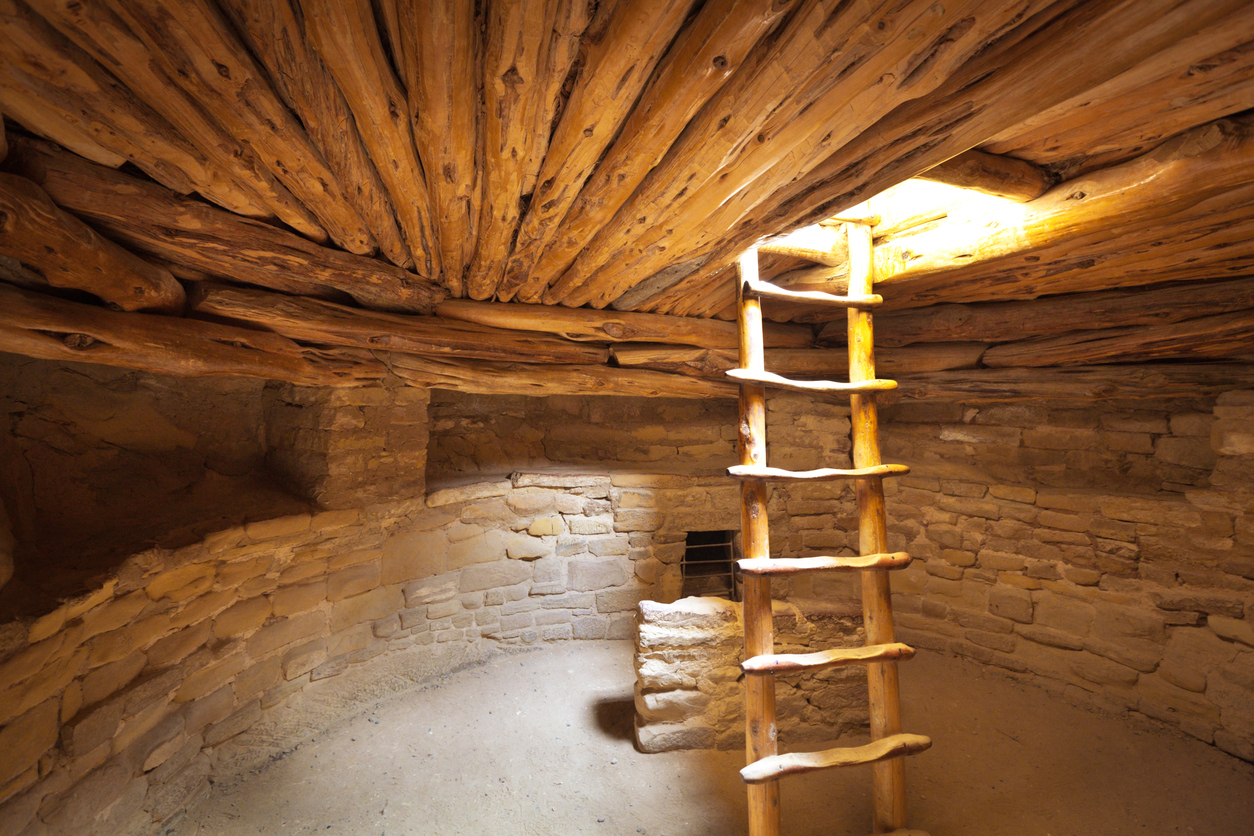
Mesa Verde National Park sits in Southwest Colorado. It was one of the five national parks established while President Theodore Roosevelt was in office. The program protects the archaeological sites from the Ancestral Puebloans who lived throughout the region from 550 AD to 1300 AD.
The area has become a treasure trove for archaeologists. It’s home to more than 4,700 sites, including 600 cliff dwellings. You can find pithouses, masonry towers, farming remnants, and, of course, pueblos. In addition, these structures are unique because they’re some of the best preserved anywhere in the US.
However, keep in mind that everything in the park is under protection by the National Park Service (NPS). To enter any cliff dwellings, you’ll have to participate in a ticketed tour with a ranger. Thankfully, there’s plenty to see that doesn’t require you to sign up for a guided trek.
Take the opportunity to see Park Point, Mesa Verde Museum, or Spruce Tree House. The easiest way to explore this NPS unit is to drive all six miles of Mesa Top Loop Road. Ranger TJ Atsye created an audio tour you can download and listen to during the drive. Many enjoy hiking, stargazing, and camping during their visit.

What Is the Biggest Danger in Mesa Verde National Park?
One danger you need to be aware of inside Mesa Verde is the risk of falling. Sadly, some hikers hit the trails without knowing it’s the last time they’ll lace up their boots. The cliff edges and drop-offs can be treacherous, and you should keep your distance.
Another hazard of hiking in Mesa Verde is that it sits 7,000 feet above sea level. The air is noticeably thinner and can put your lungs to the test. If you’re not used to higher elevations, take frequent breaks. It’s easy to lose your footing when tired, which could lead to accidentally falling.
You also can’t forget to consider the trail conditions. Due to the elevation, the changing weather can create issues. Snow and rain can make trails wet and slippery. Remember those cliffs and drop-offs we mentioned? When the ground is slick, it’s possible to stumble over them in the blink of an eye.
We found The Best Free Camping Near Mesa Verde National Park!
Watch Out for These Other Dangers in Mesa Verde
Unfortunately, the cliff edges and drop-offs aren’t the only dangers in Mesa Verde. Here are a handful of other items that could jeopardize your safety.
Lightning
Lightning is a threat you can’t take lightly in Mesa Verde. Thousands of strikes occur each year within the roughly 81 square miles of the property. Higher elevations, like Park Point, are some of the riskiest regions. If you’re not careful, the situation can change in an instant.
This area frequently experiences afternoon thunderstorms, especially during the summer. They move in quickly and can be intense. Seek shelter immediately.
During dry conditions, lightning strikes can also lead to wildfires. These can become serious in areas with dead trees and other vegetation. They can act as fuel to the fire, and it can rapidly grow.
Wildlife
Like many other wilderness areas, wildlife in Mesa Verde can pose a danger to humans. It’s home to mammals like mule deer, black bears, and wild turkeys. Attacks are rare, but they can occur. They’ll likely become aggressive if the encounter involves their young or food. Keep your distance and ensure they have as many potential escape routes as possible.
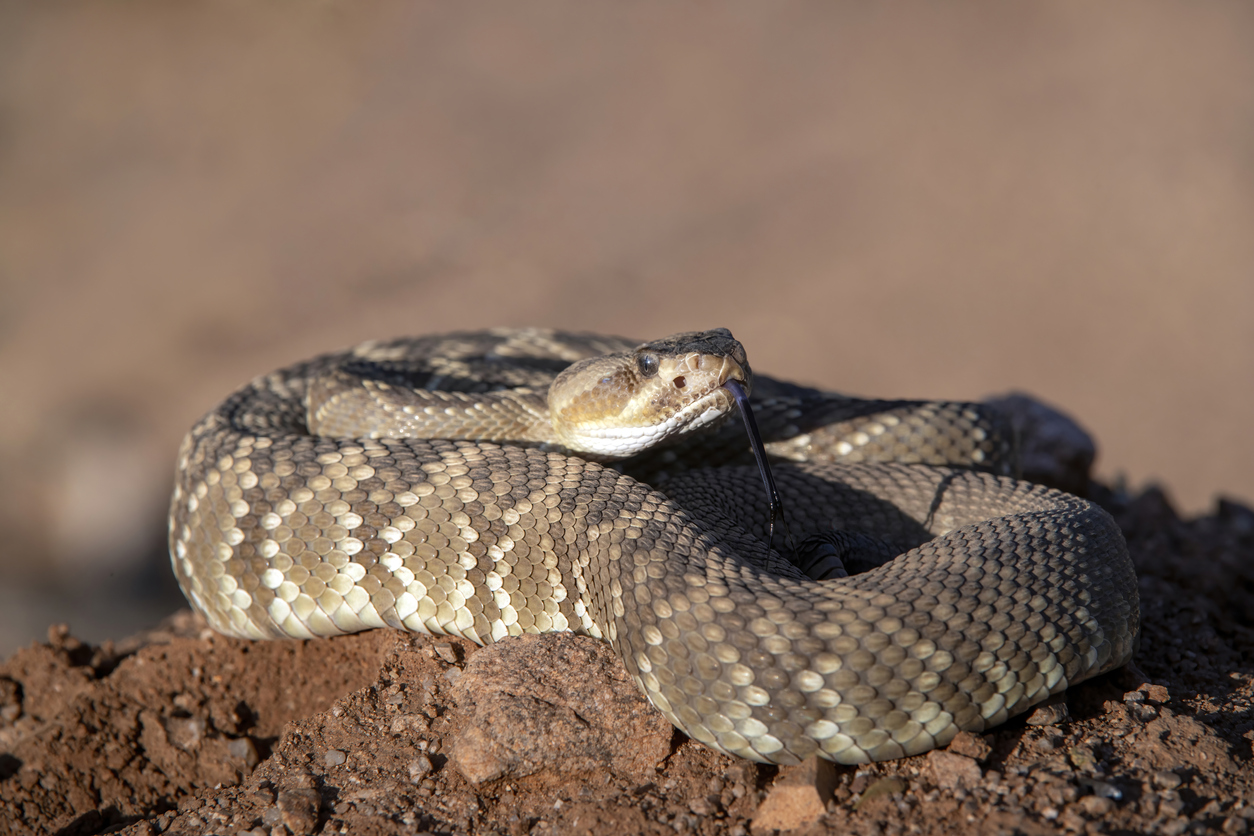
Rattlesnakes are also a threat here. They’re typically gray with a triangle-shaped head. They may alert you of their presence by shaking their tail. Don’t put your hands or feet anywhere you can’t see. After all, a bite from one of these animals can be deadly.
Weather Extremes
During the summer, the extreme heat and thunderstorms in Mesa Verde can be dangerous. As mentioned earlier, lightning strikes frequently occur. If you hear thunder, seek shelter in a nearby building or vehicle.
Additionally, the summer heat can be very oppressive. You can be in serious trouble if you run out of water while hiking. However, summer isn’t the only scary season here.
Temperatures and climate conditions can be unpredictable in winter. Because of the elevation, snow and ice are always a possibility. Regularly check the forecast and their Facebook page so you know how to plan.
Altitude Sickness and Dehydration
One ailment that catches many visitors by surprise is altitude sickness. Elevations throughout the region are between 7,000 and 8,400 feet. Symptoms include headache, loss of appetite, fatigue, and dizziness. It can take a day or two for your body to acclimate to the thinner air.
Dehydration is another potential danger in Mesa Verde. Between the heat and increased altitude, you have to drink water. Keep pumping the fluids even if you’re not planning an exhaustive hike. Dehydration can sneak up on you before you know it, and you can be in a dicey situation.
WARNING: RVing in High Elevation Comes With Challenges
How to Stay Safe From Danger in Mesa Verde National Park
A proactive approach can help you stay safe from danger in Mesa Verde. Check the weather, pack a first-aid kit, and research the area. Like the Boys Scouts say, “Always be prepared.”
Mesa Verde is a remote area with limited cell service. If something goes wrong, you may be unable to call for help. Let others know where you’re going and when you plan to return. If things don’t go according to plan, they’ll at least know where to start looking.
Furthermore, being a rule follower is a great way to stay safe. Two of the most important are keeping your distance from wildlife and staying on trails. The animals are wild, and you’re not visiting a zoo. Nothing is keeping them from getting to you.
Staying on the trail can help you avoid hazardous obstacles. Officials do a great job keeping these paths clear and will close or restrict access to risky areas. You may enjoy forging your course in life, but when visiting any NPS unit, follow the rules and don’t leave the designated trails.
Finally, before heading off on your adventure, make sure you secure your valuables. Leaving your purse, cell phone, or wallet out in the open may not be the best idea. Some criminals are opportunists and will take the chance to swipe your stuff. In addition, lock your doors and roll up your windows. You don’t want human hands or bear paws getting to your things.
Plan a trip around the Southwest: A Family Guide to the Grand Circle National Parks.
Despite the Hidden Dangers, Is a Trip to Mesa Verde Worth It?
Unfortunately, some dangers are associated with visiting Mesa Verde National Park. It’s the nature of exploring a rough and rugged environment. However, you can significantly increase your safety by taking the necessary steps and following the rules. Doing so can help ensure you live to tell about the journey and can enjoy many more adventures in the future.
We’ll Help You Find the Best Free Camping in the USA
You should give it a try!
As a matter of fact, these free campsites are yours to enjoy. Every time you pay federal taxes, you’re contributing to these lands.
Become a FREE CAMPING INSIDER and join the 100,000 campers who love to score the best site!
We’ll send you the 50 Best Free Campsites in the USA (one per state). Access the list by submitting your email below: