Electric vehicles (EVs) were once few and far between on highways and byways. However, they’re just about everywhere now.
They often come loaded with fancy features and state-of-the-art technologies. But are they anything more than a passing trend?
Today, we’ll look at these next-generation automobiles and see if an EV may be something you purchase in the future.
Let’s get to it!

What Are Electric Vehicles?
Electric vehicles replace the traditional internal combustion engine with an electric propulsion system. These automobiles rely on high-capacity batteries instead of gasoline or diesel fuel tanks to store energy.
Their simpler designs replace many components with an electric motor, a power control unit, and a lithium-ion battery pack. Instead of stopping at gas pumps, owners can charge at home or public charging stations.

Tesla, Rivian, and Lucid are some popular EV manufacturers. However, Ford, Toyota, and practically every major manufacturer have jumped on the trend and offer all-electric alternatives.
The industry is spending significant time, energy, and money on research and development in this segment. One of these may be worth considering if you’re in the market for a new car or truck.
The Benefits of Electric Vehicles
Consumers choose EVs for various reasons. However, there are a few benefits that owners enjoy most. If you plan to purchase an EV, consider these potential benefits.
Reduced Impact on the Environment
One of the biggest reasons many owners choose electric vehicles is because they’re substantially better for the environment. No matter how far or fast you drive them, they produce zero emissions. Their massive lithium batteries allow them to avoid creating exhaust and noise pollution.
Additionally, because EVs don’t require a single drop of gas, they lessen our dependence on oil.
Unfortunately, many local power plants will likely burn fossil fuels to generate the power to charge them. However, while this may lessen the benefits, your efforts to go green aren’t in vain.
Spotlight: Exxon to Begin Making Lithium for Batteries
Less Maintenance
Compared to internal combustion engines, electric vehicles are much easier to maintain. With fewer moving parts, EV owners don’t have to worry about constantly visiting a mechanic.
These automobiles feature simpler transmission systems, no exhaust, and fewer cooling components. A more straightforward concept creates a more reliable and efficient automobile. If you want to spend more time on the road and less at the shop, it may be time to consider the next generation of cars and trucks.
Increased Performance
When you compare the capabilities of traditional vehicles with EVs, they’re not even close. Drivers often get blown away at electric motors’ instant torque and smooth acceleration. Many basic models in this class can do zero to 60 in three seconds or less. You typically only see these kinds of results in high-performance sports cars.
The heavier lithium batteries also sit low to the ground, which helps with stability and handling. Drivers often love the cornering capabilities that result in more precision and control behind the wheel.
Not only are they better for the environment and stay out of the shop, but they’re fun to drive.
Thinking of converting your old gas guzzler? Convert It!: A simple step-by-step guide for converting any classic car into an electric vehicle.
The Disadvantages of Electric Vehicles
While drivers have been rushing to snag EVs, you may consider pumping the brakes on your purchase. Making an informed decision requires considering the disadvantages of electric vehicles.
Limited Driving Range
Just like any other battery-operated device, they’ll eventually need to recharge. If you think your phone sitting on 1% induces anxiety, wait until it’s your car or truck. Not making it to a charging station likely means calling a tow truck or mobile charging service.
Most modern EVs have a driving range of around 300 miles, but some are substantially less. While the charging infrastructure is growing and long-distance trips are possible, they can be a pain. You may need to stop along your route and find a charging station near your destination. The added inconvenience isn’t worth it for many drivers.
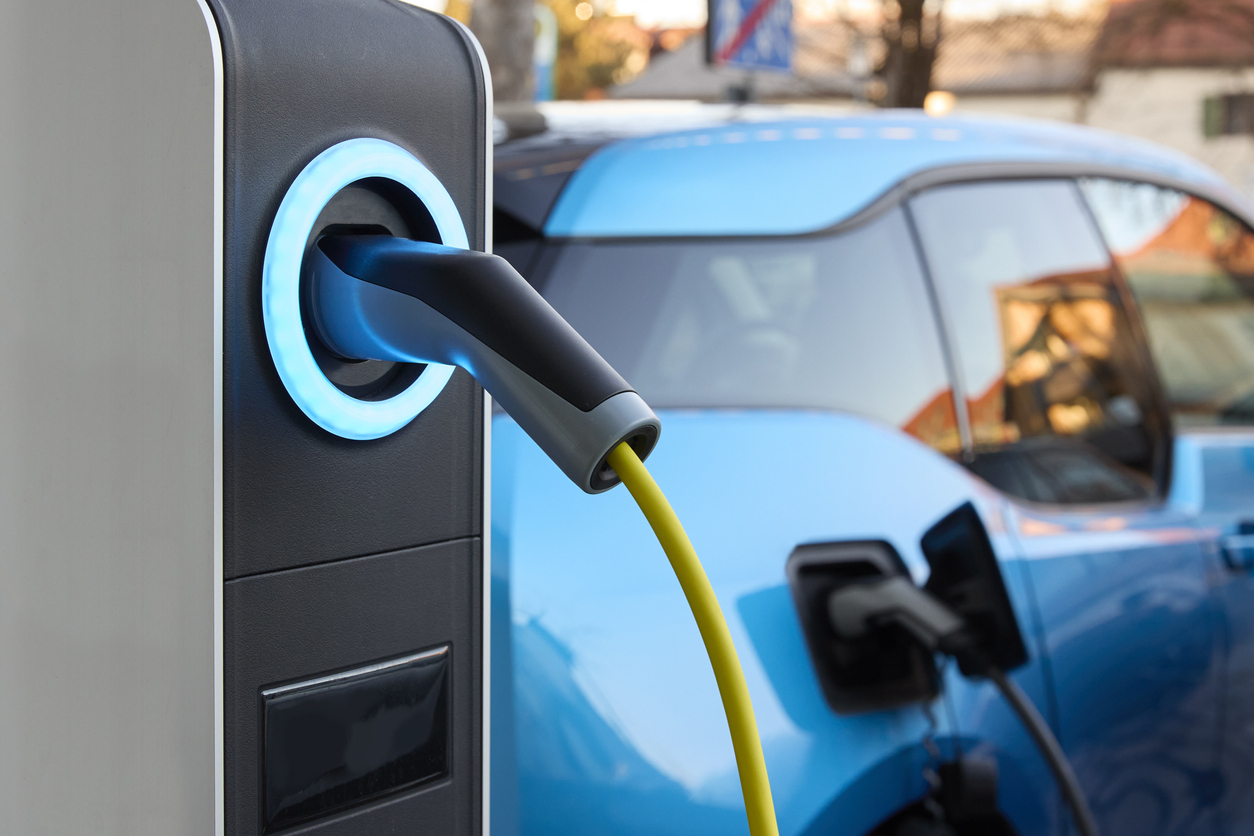
Charge Time
One of the most significant disadvantages of electric vehicles is their charge time. This typically isn’t a problem for everyday drivers who plug in at the end of the day. However, frustrations can grow on long road trips requiring multiple stops.
If nearly completely discharged, it can take 30 to 45 minutes to fill the massive lithium battery bank at supercharge stations. While it can be an excuse to use the restroom or grab a snack, it gets old fast. Many drivers are in a hurry to get back on the road and reach their destination.
Generally More Expensive
Another reason to reconsider your future EV purchase is the expense. While electric vehicles can be cheaper over time, the massive upfront cost can be a significant hurdle. Many luxury Tesla, Rivian, and Lucid models come with price tags that aren’t affordable for most consumers.
Additionally, unlike a traditionally fueled car, consumers must consider the cost of installing a charging station at home. These expenses can vary and significantly depend on the electrical system installed at your home. However, this project is best left to a professional, which will likely cost you between $500 to $2000.
We wondered: Are Electric Vehicles More Likely to Catch Fire?
Are EVs the Future of the Automotive Industry?
Over the last few years, electric vehicle sales have substantially increased. In fact, between 2020 and 2021, they nearly doubled. Experts estimate that by 2025, EV sales will likely make up 20% of all new car sales. Additionally, those same experts believe that by 2040, almost all new car sales will be electric.
Whether you love or hate them, EVs are the future of the automotive industry. Technological advancements happen at breakneck speeds and don’t appear to be slowing down anytime soon. Replacing heavy-duty pickup trucks and semis will be challenging, but the future is bright for this industry.
Your Next Vehicle Just Might Be An EV Of The Future!
The demand for electric vehicles will continue to grow in the coming years. As the infrastructure develops and prices decrease, consumers will have fewer barriers to entry. While you may not want one now, an EV may be the only option in the future. Luckily, the growing benefits of owning one may win you over, no matter how you feel today.
We’ll Help You Find the Best Free Camping in the USA
You should give it a try!
As a matter of fact, these free campsites are yours to enjoy. Every time you pay federal taxes, you’re contributing to these lands.
Become a FREE CAMPING INSIDER and join the 100,000 campers who love to score the best site!
We’ll send you the 50 Best Free Campsites in the USA (one per state). Access the list by submitting your email below: