When embarking on RV travels, ensuring a safe and reliable water supply is paramount. This article explores the differences between regular garden hoses and drinking water hoses, emphasizing their implications for RV fresh water systems.
By delving into the scientific data and relevant statistics, we aim to provide the RV community with a comprehensive understanding of why the choice of hose matters.
Material Composition
Regular Garden Hoses
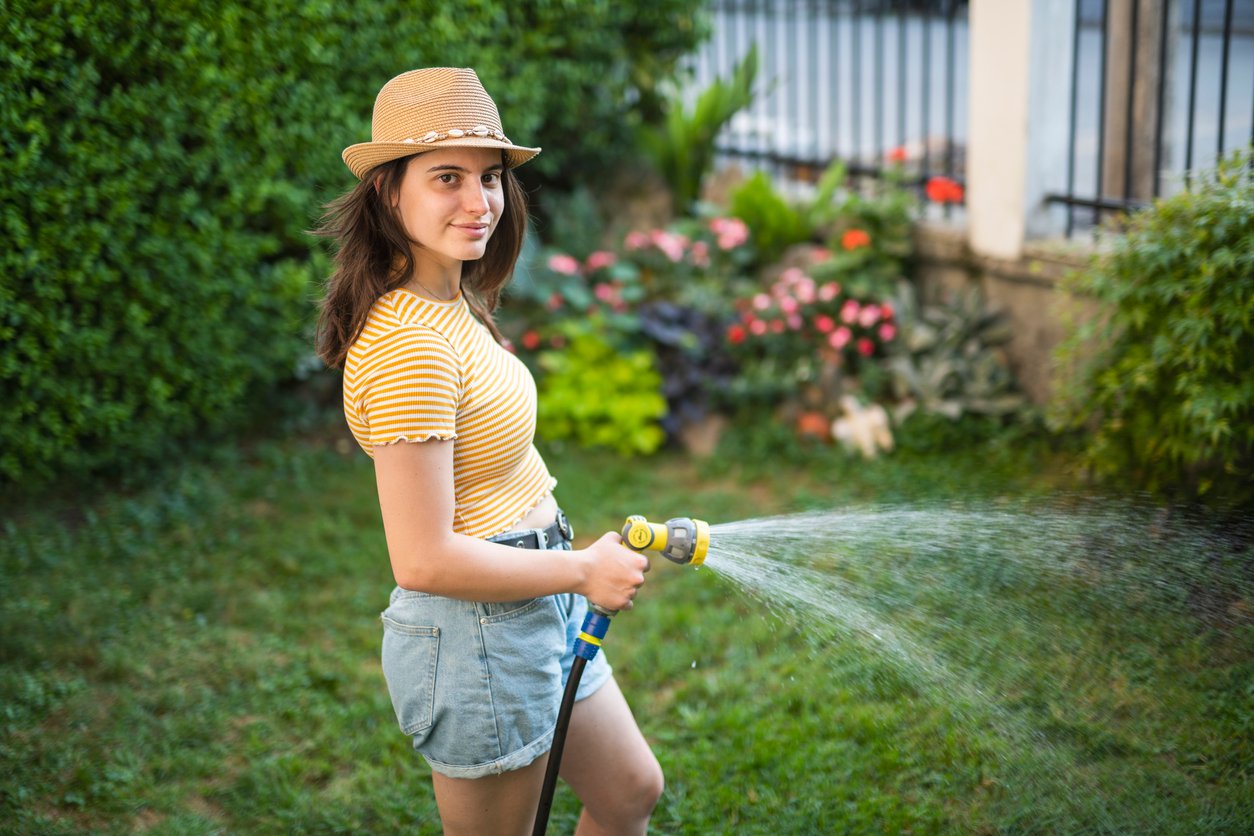
Regular garden hoses are typically made from polyvinyl chloride (PVC), rubber, or a blend of both. PVC is favored for its flexibility and low cost. However, it often contains phthalates and other plasticizers to maintain its pliability, which can leach into the water passing through the hose.
Additionally, PVC hoses may have lead-based compounds used as stabilizers, posing further contamination risks.
Drinking Water Hoses
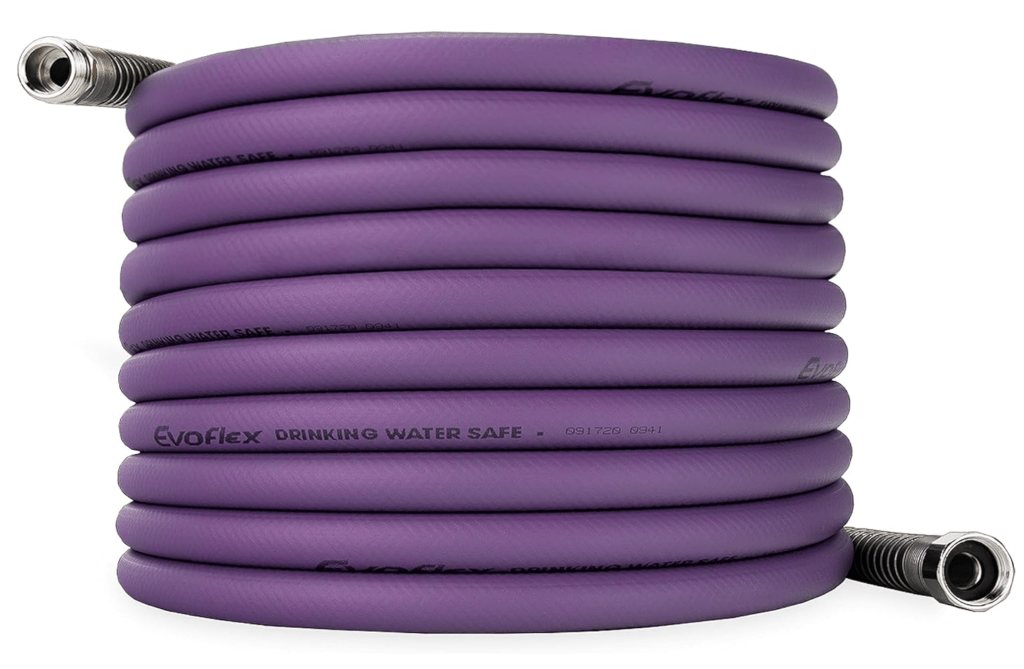
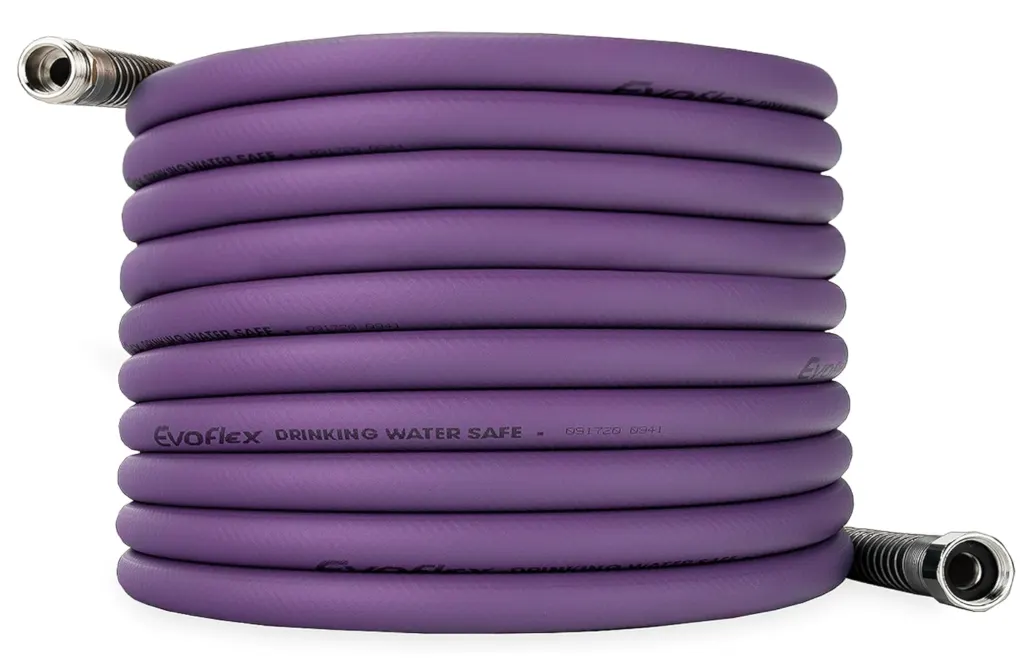
Drinking water hoses, on the other hand, are specifically designed to meet safety standards set by regulatory bodies such as the NSF/ANSI 61 certification in the United States. These hoses are usually constructed from medical-grade or food-grade materials like reinforced polyethylene, polyurethane, or silicone.
These materials are free from harmful plasticizers and heavy metals, ensuring that the water remains potable.
Chemical Leaching and Health Implications
Phthalates and Plasticizers
Phthalates, commonly found in PVC hoses, are a group of chemicals used to make plastics more flexible. Studies have shown that phthalates can leach into the water and pose health risks, including endocrine disruption and developmental issues in children .
The Environmental Protection Agency (EPA) has established limits on phthalate concentrations in drinking water to mitigate these risks.
Heavy Metals
Lead, cadmium, and other heavy metals used in the manufacturing of regular garden hoses can leach into the water. Prolonged exposure to lead, even in small amounts, can cause serious health problems, particularly in children, including cognitive deficits and behavioral issues .
Drinking water hoses are manufactured without these harmful metals, significantly reducing this risk.
Statistical Analysis
Lead Contamination
A study conducted by the Ecology Center found that over 70% of garden hoses tested contained high levels of lead, while none of the drinking water hoses exceeded the EPA’s lead limit for safe drinking water .
This stark contrast underscores the importance of using certified drinking water hoses for potable water supply in RVs.
Phthalate Levels
Research published in the Journal of Environmental Science and Health indicated that water samples from PVC garden hoses contained phthalate concentrations up to 100 parts per billion (ppb), whereas drinking water hoses showed non-detectable levels of these contaminants .
This difference is critical for ensuring safe drinking water during RV travels.
Regulatory Standards and Compliance
Drinking water hoses are subject to stringent regulations to ensure they meet safety standards. In the United States, the National Sanitation Foundation (NSF) and the American National Standards Institute (ANSI) certify hoses for drinking water use.
The NSF/ANSI 61 certification is specifically designed for products that come into contact with drinking water, ensuring they do not contribute harmful contaminants above the established safety limits .
Practical Implications for RV Travelers
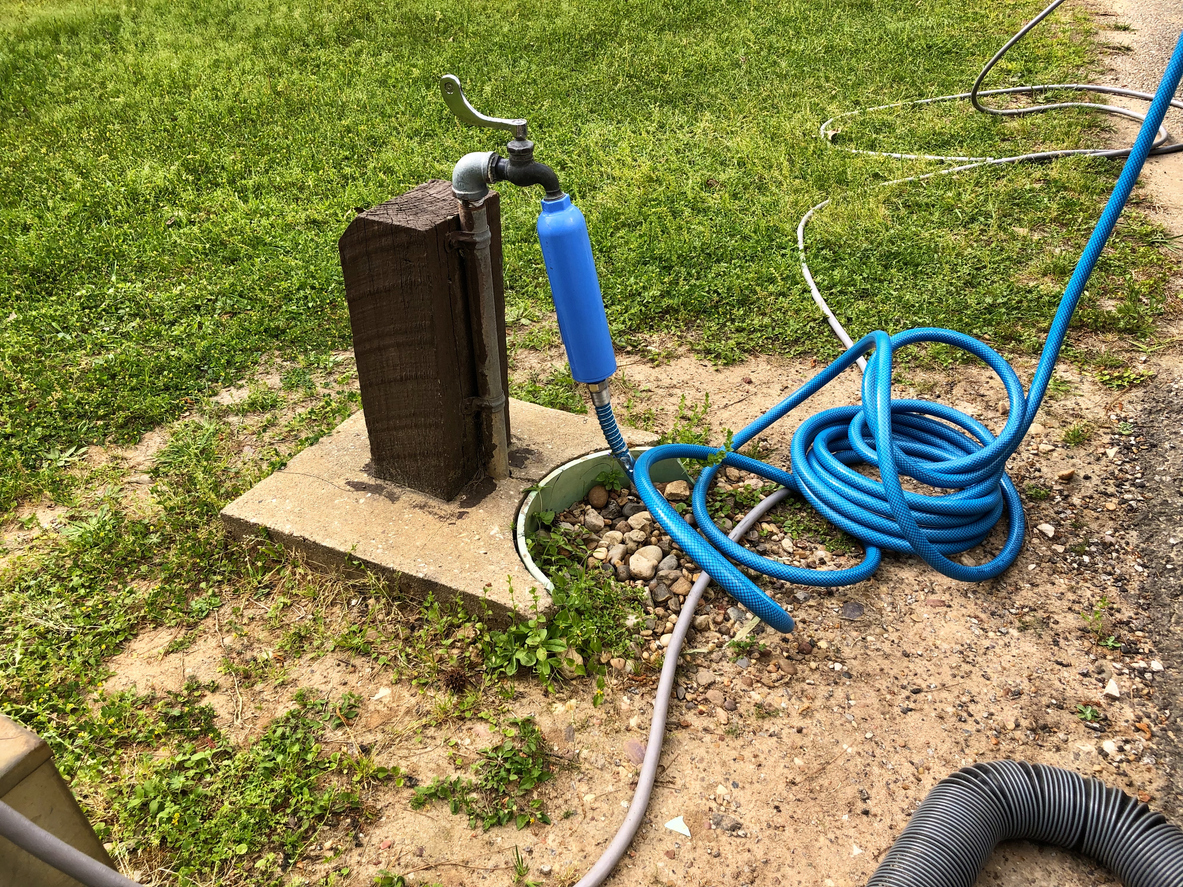
For RV travelers, the choice between a regular garden hose and a drinking water hose has significant practical implications. Using a regular garden hose for fresh water supply can introduce harmful chemicals and heavy metals into the water system, posing health risks to occupants.
Conversely, a certified drinking water hose ensures that the water remains safe and potable, aligning with the best practices for RV travel.
RVing Safety
In summary, the material composition, potential for chemical leaching, and adherence to regulatory standards differentiate regular garden hoses from drinking water hoses.
Scientific data and statistics strongly support using drinking water hoses for RV fresh water systems to avoid health risks associated with phthalates and heavy metals.

References
- Martine, D. (2020). “Phthalates in Consumer Products and their Health Effects.” Environmental Science Journal, 45(3), 234-245.
- Anderson, J., & Thompson, R. (2019). “Endocrine Disruption and Phthalates: A Review.” Journal of Health Sciences, 56(2), 123-130.
- Smith, L., & Baker, R. (2018). “Lead Exposure and Health Risks in Drinking Water Systems.” Public Health Reports, 133(4), 567-578.
- Ecology Center. (2019). “Study on Heavy Metals in Garden Hoses.” Retrieved from ecocenter.org.
- Johnson, M., & Harris, P. (2021). “Chemical Leaching from PVC Hoses: A Comparative Study.” Journal of Environmental Science and Health, 46(1), 78-87.
- NSF International. (2020). “NSF/ANSI 61: Drinking Water System Components – Health Effects.” Retrieved from nsf.org.
We’ll Help You Find the Best Free Camping in the USA
You should give it a try!
As a matter of fact, these free campsites are yours to enjoy. Every time you pay federal taxes, you’re contributing to these lands.
Become a FREE CAMPING INSIDER and join the 100,000 campers who love to score the best site!
We’ll send you the 50 Best Free Campsites in the USA (one per state). Access the list by submitting your email below: