On Saturday afternoon, emergency services responded to a crash involving a large RV on West Highway 34 in the Big Thompson Canyon. The Loveland Fire Rescue Authority reported that the RV had descended approximately 75 feet down an embankment, landing in the river.
The driver escaped without injury, although the exact cause of the accident remains unknown.
The rescue operation involved multiple agencies, including a swift-water rescue team, and several towing companies were brought in to extract the RV from the river. The swift response and coordination of these teams ensured the driver’s safety and the vehicle’s recovery.

This incident highlights the potential dangers of traveling through the mountainous regions of Colorado.
The Big Thompson River, known for its scenic beauty and recreational opportunities, can present significant hazards, particularly on the winding roads of the canyon.
As RV travel becomes increasingly popular, incidents like this serve as a reminder of the importance of caution and preparedness.
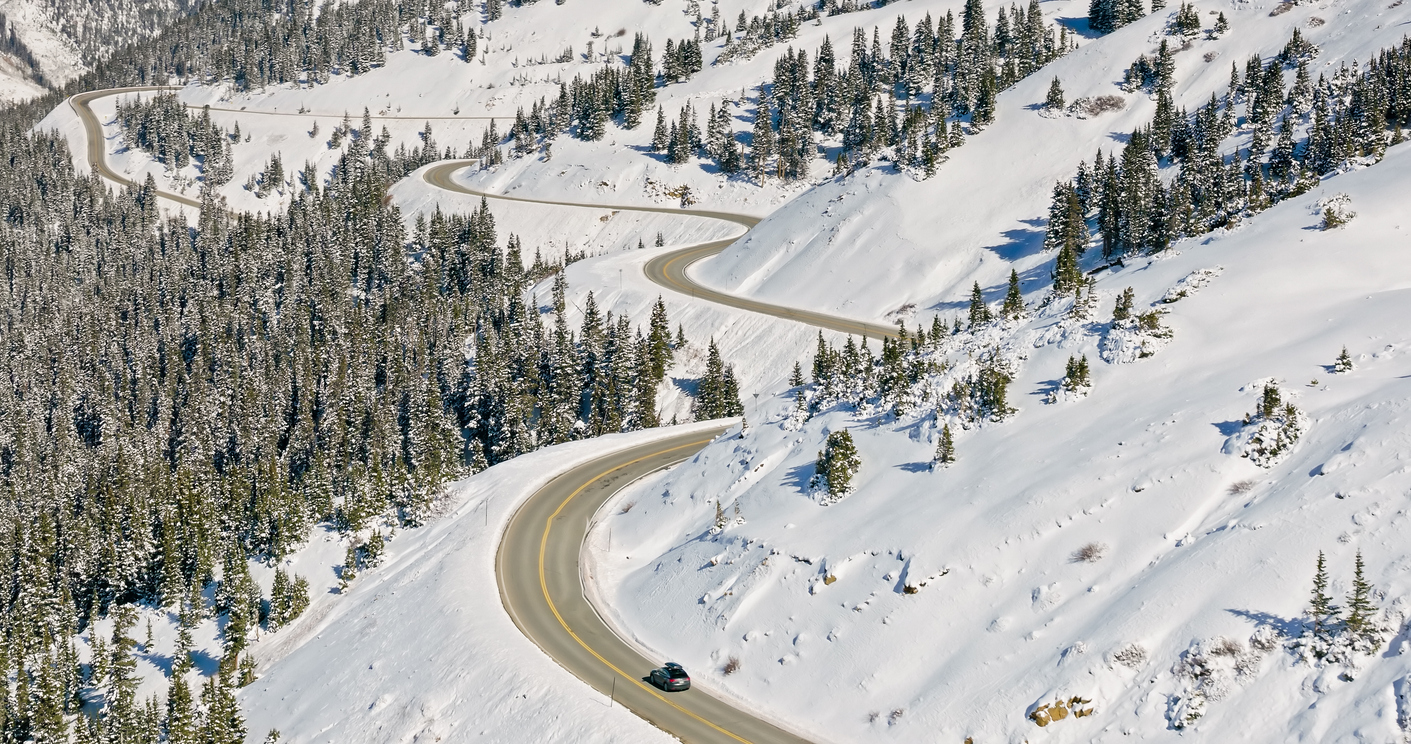
The Loveland area has seen a rise in RV-related accidents, paralleling trends across the state. The increasing traffic and the challenges posed by Colorado’s rugged terrain underscore the need for vigilance and safety measures for all travelers.
Emergency services in Colorado have proven their effectiveness in responding to such emergencies, showcasing the importance of preparedness and the ability to handle complex rescue operations.
For those navigating the scenic but treacherous routes of the Rockies, staying informed about road conditions and exercising caution is paramount.
5 Essential Tips For Mountain Driving in an RV or While Towing
Navigating steep, narrow, winding mountain roads can be challenging for RVers. Here are five essential tips to help ensure a safe journey:
Prepare Your RV:
Brake Check: Ensure your brakes are in excellent condition before heading into mountainous terrain. Steep descents can put a lot of strain on brakes, so having them checked and serviced is crucial.
Engine Tune-Up: A well-maintained engine is vital for handling the rigors of mountain driving. Regularly check fluid levels, belts, and hoses.
Use Lower Gears:
Downshifting: When descending steep grades, downshift to a lower gear to help control your speed and reduce the strain on your brakes. This technique, known as engine braking, can prevent brake overheating.
Uphill Climbing: Similarly, use lower gears when climbing steep inclines to maintain a steady speed and avoid overworking your engine.
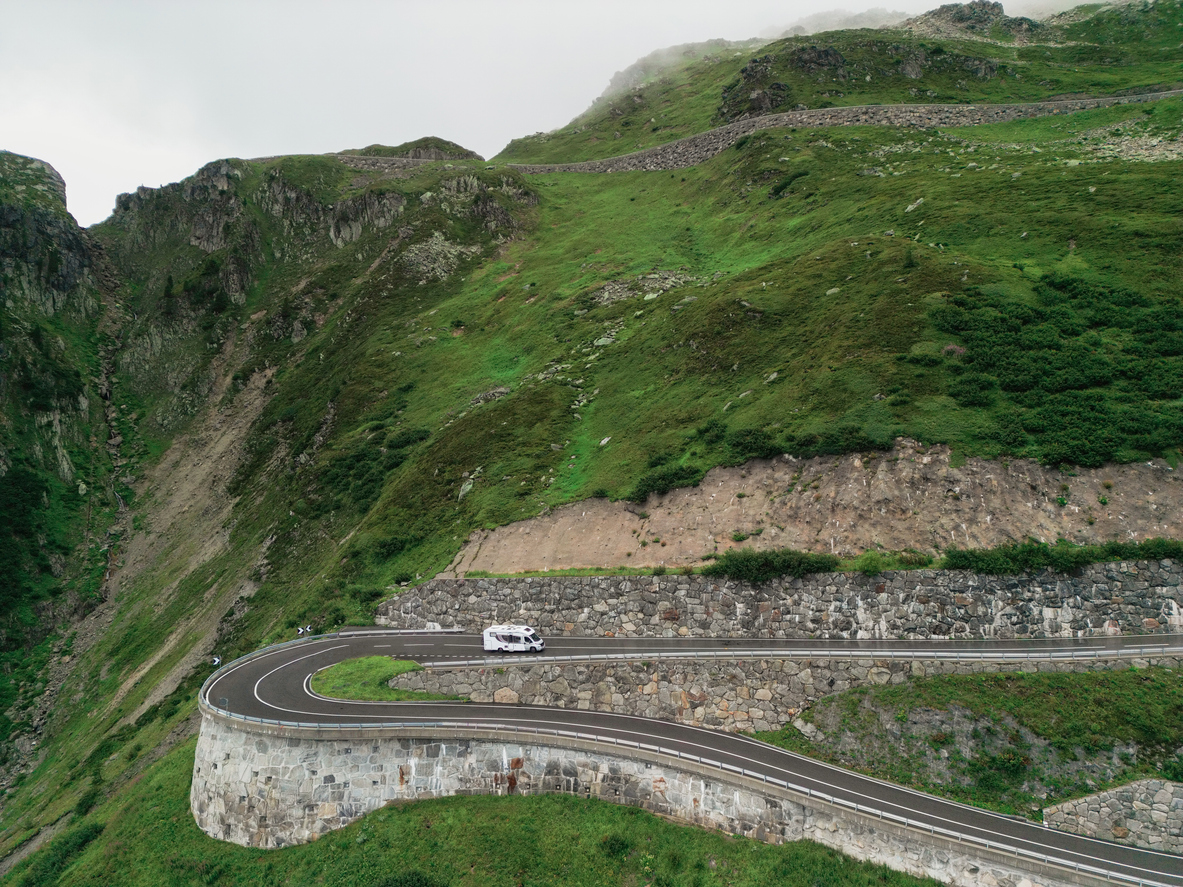
Drive at Safe Speeds:
Speed Management: Drive at speeds that allow you to maintain control and react to unexpected turns or obstacles. It’s often safer to drive slower than the posted speed limit on winding mountain roads.
Safe Distance: Maintain a safe distance from the vehicle ahead of you to allow for sudden stops or changes in speed.
Plan Your Route and Stops:
Research Ahead: Familiarize yourself with the route, including steep grades and sharp turns. Knowing what to expect can help you prepare mentally and physically. Travel with a physical atlas with mountain driving information.
Rest Stops: Plan for frequent rest stops to avoid driver fatigue, which can be particularly dangerous on challenging roads. Use these stops to check your vehicle and take a break from the intense driving.
Be Prepared for Emergencies:
Emergency Kit: Carry an emergency kit that includes essentials like a first aid kit, tools, extra fluids, and a flashlight.
Communication Devices: Ensure you have reliable communication devices in case you need to call for help. In remote areas, consider a satellite phone or a two-way radio.
By following these tips, RVers can navigate mountain roads with greater confidence and safety. Enjoy the journey, and take in the breathtaking views while staying cautious and prepared.
We’ll Help You Find the Best Free Camping in the USA
You should give it a try!
As a matter of fact, these free campsites are yours to enjoy. Every time you pay federal taxes, you’re contributing to these lands.
Become a FREE CAMPING INSIDER and join the 100,000 campers who love to score the best site!
We’ll send you the 50 Best Free Campsites in the USA (one per state). Access the list by submitting your email below: