One of the most common concerns among RV owners is the additional cost of insurance. As someone who has navigated the open road and dealt with the financial aspects of RVing, I understand the burden that additional expenses can bring.
However, RV insurance is not just another bill—it’s a vital part of ensuring your adventures are safe and secure.
Let’s break down the expected insurance costs for various types of RVs, explore some companies known for offering competitive rates, and consider the statistics and regulations related to RV accidents and insurance.
The Cost of RV Insurance
Class A Motorhomes
Class A motorhomes are the big rigs of the RV world, offering luxury and space. Insurance for these giants typically ranges from $1,000 to $4,000 per year. The larger size and higher value of Class A motorhomes contribute to the higher premiums.
While it might seem like a steep cost, remember that this coverage is essential to protect your significant investment.
Class B Motorhomes (Camper Vans)
Class B motorhomes, or camper vans, are smaller and more maneuverable. They generally cost between $500 and $1,000 per year to insure. The lower premiums reflect their smaller size and lower value, making them a more budget-friendly option while still providing the freedom of the road.
Class C Motorhomes
Class C motorhomes fall somewhere between Class A and Class B in terms of size and cost. Insurance premiums for these RVs usually range from $800 to $3,000 per year.
They offer a good balance of space, amenities, and affordability, making them a popular choice for families and solo travelers alike.

Travel Trailers
Travel trailers are towed by another vehicle, which often leads to lower insurance costs. You can expect to pay between $250 and $1,000 per year.
Additionally, in many cases, your vehicle insurance will cover the cost of towed RVs. These trailers offer flexibility and are an economical choice for many RV enthusiasts.
Fifth Wheel Trailers
Fifth wheel trailers, known for their distinctive hitch that attaches to the bed of a pickup truck, usually have higher insurance costs than travel trailers, ranging from $300 to $1,200 per year. Their larger size and higher value justify the increased premiums.
Pop-Up Campers
Pop-up campers are the most affordable type of RV to insure, with annual premiums typically ranging from $100 to $500. Their small size and lower value make them a budget-friendly choice for weekend getaways.
Truck Campers
Truck campers, mounted on the bed of a pickup truck, have insurance costs that vary based on size and value, generally ranging from $200 to $1,000 per year. These campers are popular among those who enjoy off-road adventures and need mobility.
Factors Affecting RV Insurance Costs
Several factors influence the cost of RV insurance:
- Usage: Full-time RVers typically pay more than those who use their RVs seasonally.
- Coverage Limits: Higher coverage limits and lower deductibles increase premiums.
- RV Value: More expensive RVs cost more to insure.
- Location: Where you store and travel with your RV affects insurance costs.
- Driving Record: A clean driving record can lower your insurance premiums.
- Discounts: Many insurers offer discounts for bundling policies, safe driving, and other factors.
Tips to Save on RV Insurance
- Shop Around: Compare quotes from multiple insurers to find the best rate.
- Bundle Policies: Combine your RV insurance with other policies like auto or home insurance.
- Increase Deductibles: Opting for higher deductibles can lower your premiums.
- Safety Features: Install safety and anti-theft devices to qualify for discounts.
- Good Driving Record: Maintain a clean driving record to keep premiums low.
PRO TIP: For more general RV knowledge we suggest the book RV & Campers for Dummies
Companies Known for Better RV Insurance Rates
When it comes to finding the best RV insurance rates, several companies stand out for their competitive pricing and comprehensive coverage options. Here are some of the top companies to consider:
Progressive
Progressive is celebrated for its competitive rates, extensive coverage options, and various discounts for bundling policies. They offer full-time RV insurance, emergency expense coverage, and optional replacement cost coverage.
GEICO
GEICO provides affordable insurance, especially attractive for part-time RVers, and a range of discounts. Their policies include total loss replacement, vacation liability, and emergency expense coverage.
Good Sam Insurance Agency
Good Sam Insurance Agency, specializing in RV insurance, delivers tailored coverage and competitive rates for RV owners. They feature full replacement cost coverage, personal belongings protection, and emergency expense coverage.
National General
National General is recognized for comprehensive coverage options and discounts for safe drivers and multi-policy holders. They offer full-time RV insurance, storage option discounts, and RV specialty coverage.
Farmers Insurance
Farmers Insurance presents a variety of coverage options and attractive discounts for bundling policies. Their policies cover personal effects, provide emergency expense allowance, and offer optional comprehensive and collision coverage.
State Farm
State Farm is known for its strong customer service and competitive pricing, particularly for existing customers. Their policies include comprehensive and collision coverage, liability protection, and roadside assistance.
Allstate
Allstate stands out with a broad range of coverage options and discounts for bundling with home and auto insurance. Their features include full replacement cost coverage, protection for personal belongings, and emergency expense coverage.
The Hartford
The Hartford is favored for its excellent customer service and tailored coverage options for AARP members. Their policies provide full-timer’s insurance, optional roadside assistance, and replacement cost coverage.
Safeco
Safeco offers competitive rates and various coverage options suited for different types of RVs. They feature agreed value coverage, emergency expense protection, and optional roadside assistance.
RV Accidents and Insurance Requirements
Statistics on RV Accidents
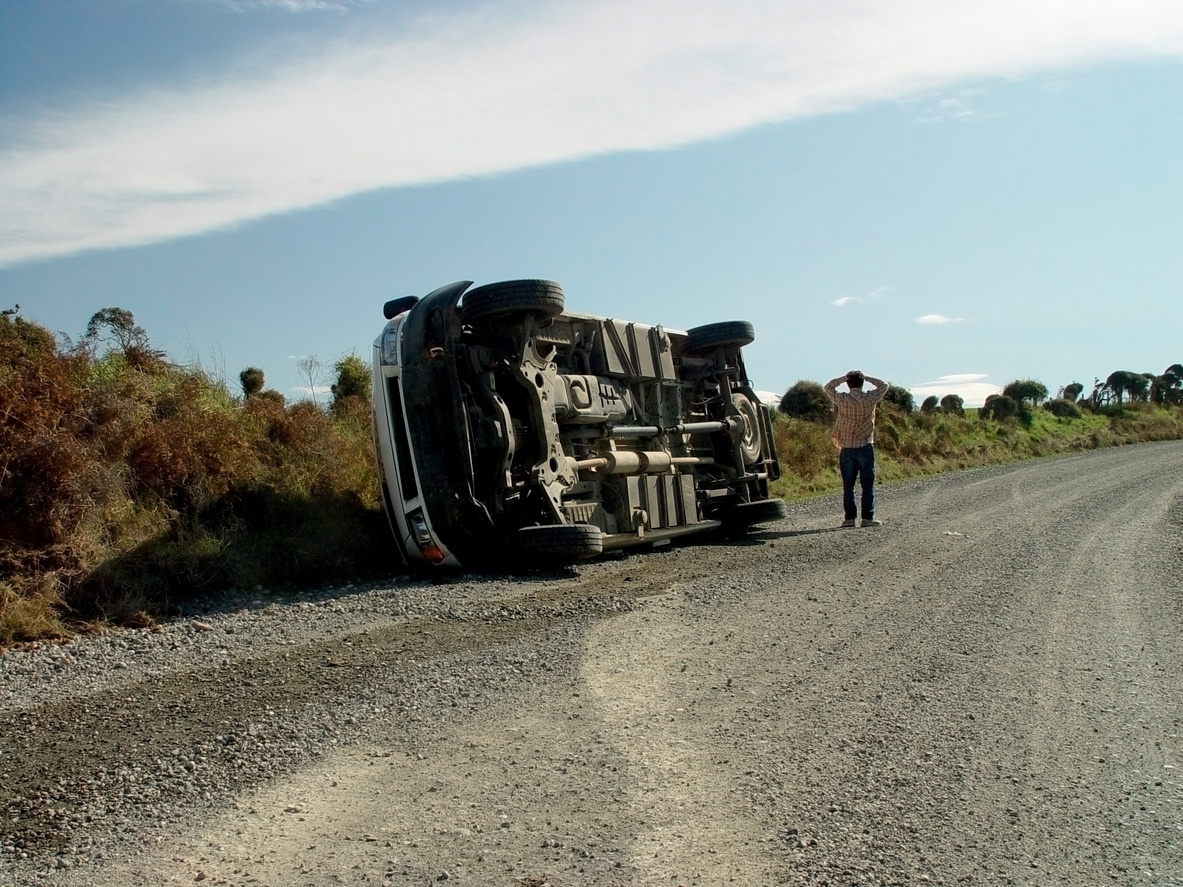
According to data from the Federal Motor Carrier Safety Administration (FMCSA), there are approximately 75,000 RV-related accidents each year in the United States.
While RVs are generally safe, accidents do happen, and the likelihood increases with more road usage and less experience behind the wheel. Common causes of RV accidents include driver fatigue, inexperience, mechanical failure, and adverse weather conditions.

Insurance Requirements for Towed RVs
The requirement for insurance on towed RVs varies by state. In many states, your vehicle insurance will cover the towed RV.
However, some states require separate insurance for the RV itself. It’s essential to check your state’s regulations to ensure compliance and adequate coverage. Here are a few examples:
- California: Requires separate insurance for towed RVs.
- Texas: Allows vehicle insurance to cover towed RVs, but additional coverage is recommended.
- Florida: Vehicle insurance typically covers towed RVs, but separate policies are available for more comprehensive coverage.
Reasons Why RV Insurance Companies May Deny Your Claim
Lack of Maintenance
Insurance companies expect RV owners to maintain their vehicles properly. If your claim is related to damage that could have been prevented with regular maintenance, such as leaks or tire blowouts due to neglect, your claim might be denied.
Keeping up with routine maintenance and inspections can help avoid these issues.
Misrepresentation of Information
Providing inaccurate or false information on your insurance application can lead to claim denial. This includes underreporting the value of your RV, misrepresenting its usage, or failing to disclose modifications.
Honesty is crucial when applying for and updating your insurance policy.
Unapproved Modifications
Modifying your RV without informing your insurance company can also result in claim denial. Insurers need to know about significant changes to your RV, such as adding a new roof or upgrading the interior. Always report modifications to ensure they are covered.
Uninsured Drivers
If someone not listed on your insurance policy is driving your RV and gets into an accident, your claim could be denied. Ensure that anyone who may drive your RV is included on your policy to avoid this issue.
Excluded Events
Certain events and conditions may be excluded from your policy coverage.
For example, many policies do not cover damage from floods or earthquakes unless you have purchased additional coverage. Always read the fine print of your policy to understand what is and isn’t covered.
Commercial Use
Using your RV for commercial purposes, such as renting it out or using it as a mobile business, without proper coverage can lead to claim denial.
Standard RV insurance typically does not cover commercial use, so you need to inform your insurer if you plan to use your RV for business purposes.
RV Insurance Can Be Confusing, We Hope This Helps
While the cost of RV insurance might feel like an added burden, it’s an essential part of protecting your investment and ensuring your peace of mind on the road.
By understanding the factors that influence insurance costs, knowing the statistics about RV accidents, staying informed about state requirements, and being aware of reasons claims might be denied, you can make an informed decision that fits your budget and meets your needs.
We’ll Help You Find the Best Free Camping in the USA
You should give it a try!
As a matter of fact, these free campsites are yours to enjoy. Every time you pay federal taxes, you’re contributing to these lands.
Become a FREE CAMPING INSIDER and join the 100,000 campers who love to score the best site!
We’ll send you the 50 Best Free Campsites in the USA (one per state). Access the list by submitting your email below: