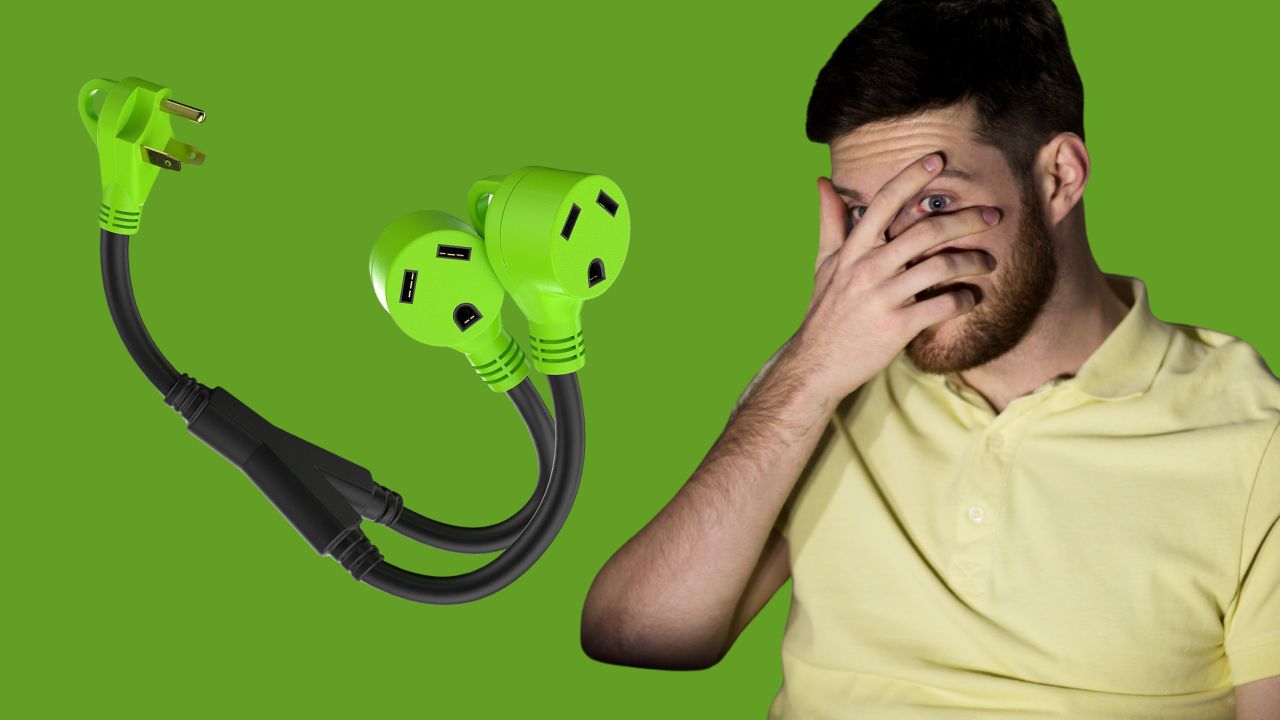
When it comes to RVing, safety is paramount, especially when dealing with electrical connections. Enter the LeisureCords 24” RV Y Adapter Cord 30 Amp Male Plug to Two 30 Amp Female – an adaptor that’s raising eyebrows for all the wrong reasons.
Let’s discover why this seemingly handy gadget could be one of the most dangerous accessories for your RV setup.
The Appeal of the 30 Amp Y Adapter
At first glance, a 30 Amp Y adapter sounds like a dream. It promises to split a single 30 Amp power source into two separate 30 Amp outlets. This means you can theoretically power two RVs or connect multiple high-demand appliances without needing additional power sources.
The manufacturer touts its heavy-duty design with 10AWG*3 copper inner wire capable of handling a max 30 Amp overload on both the male and female ends. Sounds convenient, right? Well, not so fast.
The Electrical Science Behind It
Here’s where things get tricky. Electrical systems in RVs are designed with specific amperage ratings to ensure safety and proper function.
The key detail here is that a standard 30 Amp RV outlet is only meant to deliver up to 30 Amps of power. When you plug two 30 Amp female connectors into a single 30 Amp male plug, you’re setting the stage for a potential overload.
Single Source, Double Demand: The Y adapter allows you to connect two 30 Amp RVs or devices to a single 30 Amp source. This setup implies that you could potentially draw up to 60 Amps (30 Amps from each female connector) from a single 30 Amp outlet. This is a recipe for disaster because the power source is not designed to handle such a load.
Overheating Risks: The internal wiring and components of the outlet could overheat due to the excessive load. Overheating can lead to melted wires, damaged outlets, and even electrical fires. The heavy-duty 10AWG*3 copper wire in the adaptor might handle the overload temporarily, but the outlet it’s connected to won’t be so forgiving.
Circuit Breaker Issues: While RV park power pedestals are equipped with circuit breakers to prevent overloads, relying on this safety feature isn’t foolproof. Constantly tripping the breaker due to overloading can wear it out, rendering it less effective over time. In the worst-case scenario, a faulty breaker might fail to trip, leaving your electrical system vulnerable to serious damage.
The Dangers of Using a 30 Amp Y Adapter
Using a 30 Amp Y adapter may seem like a quick fix for power distribution, but it introduces significant risks:
Fire Hazard: The primary concern is the risk of fire. Overloading the power source can cause wiring to overheat and potentially ignite surrounding materials, leading to a catastrophic fire.
Damage to Electrical Systems: Overloading can damage the electrical systems in both the power source and the connected RVs or appliances. Repairing or replacing these systems can be expensive and time-consuming.
Safety of Occupants: Electrical fires and system failures not only threaten your RV but also the safety of its occupants. The potential for injury or worse is a serious consideration.
Insurance Issues: Many RV insurance policies have clauses regarding the proper use of electrical systems. Using an adaptor like this in a way that overloads the power source could void your insurance coverage in the event of a claim.
Using a 30 Amp Y Adapter Safely
If you decide to use a 30 Amp Y adapter, it’s crucial to follow some safety guidelines to minimize risks:
- Monitor Your Load: Ensure that the combined load of the devices plugged into the Y adapter does not exceed 30 Amps. Use a power meter to keep track of your power usage.
- Limit Usage: Avoid using high-power appliances simultaneously. For instance, don’t run two air conditioners at the same time through the Y adapter. Stagger their use to prevent overloading.
- Inspect Regularly: Regularly inspect the adapter and your power connections for signs of wear or damage. Replace the adapter immediately if you notice any fraying, melting, or other damage.
- Use Proper Extension Cords: If you need to use extension cords, make sure they are rated for at least 30 Amps and are designed for outdoor use. Substandard cords can lead to overheating and fires.
- Check Breakers: Ensure that your RV park’s power pedestal has functioning circuit breakers. Regularly check and reset them if they trip to prevent continuous overloading.
- Educate Yourself: Understand the electrical system of your RV and the power requirements of your appliances. Knowledge is key to preventing dangerous situations.
- Seek Professional Advice: If you’re unsure about any aspect of your RV’s electrical system, consult a professional electrician or an RV technician.
Proceed with Caution if Using a 30 amp Y Adapter
While a 30 Amp Y adapter might seem like a convenient solution for doubling your power outlets, the risks far outweigh the benefits.
Understanding the limitations of your RV’s electrical system and adhering to safe power practices is crucial. Instead of relying on potentially dangerous gadgets, consider safer alternatives such as installing additional power outlets or using lower-powered devices.
Your RV adventures should be about fun and relaxation, not worrying about potential electrical hazards. Always prioritize safety and make informed decisions when it comes to your RV’s power needs.
We’ll Help You Find the Best Free Camping in the USA
You should give it a try!
As a matter of fact, these free campsites are yours to enjoy. Every time you pay federal taxes, you’re contributing to these lands.
Become a FREE CAMPING INSIDER and join the 100,000 campers who love to score the best site!
We’ll send you the 50 Best Free Campsites in the USA (one per state). Access the list by submitting your email below: