One key aspect of RV living is managing your resources efficiently, especially water. With the increasing focus on sustainability and conservation, gray water recycling has become a popular topic among RV enthusiasts.
But what exactly is RV gray water recycling, and why should you consider it? Let’s break it down.
Understanding Gray Water
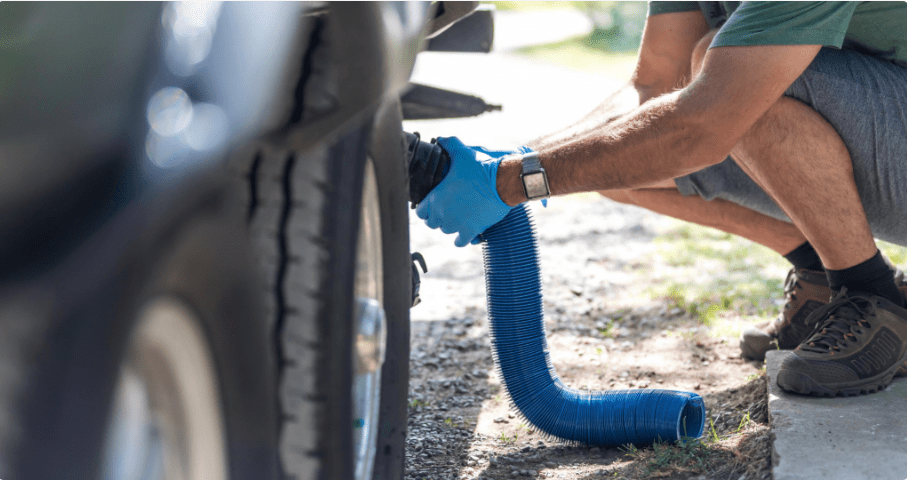
First things first, what is gray water? In the world of RVing, gray water is the wastewater that comes from your sinks, showers, and sometimes washing machines.
It’s distinct from black water, which is the waste from your toilet. Gray water contains soap, grease, food particles, and dirt, but it’s much less toxic than black water, making it a prime candidate for recycling.
Why Recycle Gray Water?
Recycling gray water can bring several benefits:
- Water Conservation: For those who love boondocking or dry camping, where water supply is limited, recycling gray water can significantly extend your water resources.
- Environmental Impact: Recycling helps reduce the overall water consumption and minimizes the impact on local water sources and ecosystems.
- Cost Savings: By reusing gray water, you might save on water costs, especially in areas where water is scarce and expensive.
How Does Gray Water Recycling Work?
Gray water recycling systems can vary in complexity, but they generally involve filtering and treating the water to make it suitable for reuse. Here’s a simple breakdown:
- Collection: Gray water is collected from the various drains in your RV. This typically happens in a separate gray water tank.
- Filtration: The collected gray water passes through filters to remove large particles and impurities. Some systems use multiple stages of filtration to ensure cleaner water.
- Treatment: After filtration, the water may be treated with disinfectants or other chemicals to kill bacteria and neutralize odors. More advanced systems may use natural methods like sand or reed beds.
- Reuse: The treated gray water can then be used for non-potable purposes, such as flushing toilets, irrigating plants, or even washing your RV.
DIY Gray Water Recycling Systems
For the DIY enthusiasts, setting up a basic gray water recycling system in your RV can be quite rewarding. Here’s a simple guide:
- Diverting Water: Use diverter valves to redirect water from sinks and showers to a separate gray water tank.
- Installing Filters: Add filters to the system to capture large particles. You can use mesh screens or commercially available RV water filters.
- Treatment Options: For basic treatment, you can use chlorine tablets or hydrogen peroxide. If you’re into natural methods, a small sand or gravel filter can help.
- Reusing Water: Connect the output to your toilet flush or garden hose for irrigation.
Commercial Gray Water Recycling Systems
If DIY isn’t your style, several commercial systems are available that offer more advanced and automated solutions.
These systems often include multiple filtration stages, chemical treatments, and are designed for easy integration into your RV’s existing plumbing.
Legal Considerations
Before diving into gray water recycling, it’s essential to check local regulations. Some places have strict rules regarding the reuse of gray water due to health and environmental concerns. Make sure your system complies with these regulations to avoid any legal issues.
Is a Gray Water Recycling for You?
RV gray water recycling is a practical and environmentally friendly way to manage your water resources. Whether you’re a seasoned RVer looking to boondock longer or a newbie interested in sustainable living, recycling gray water can offer numerous benefits. With a bit of planning and the right system, you can make your RV adventures more eco-friendly and cost-effective.
So, next time you hit the road, consider giving your gray water a second life – your wallet and the planet will thank you!

EXTRA SECTION FOR BOONDOCKING: Why Gray Water Recycling is Optimal for Boondocking RVers
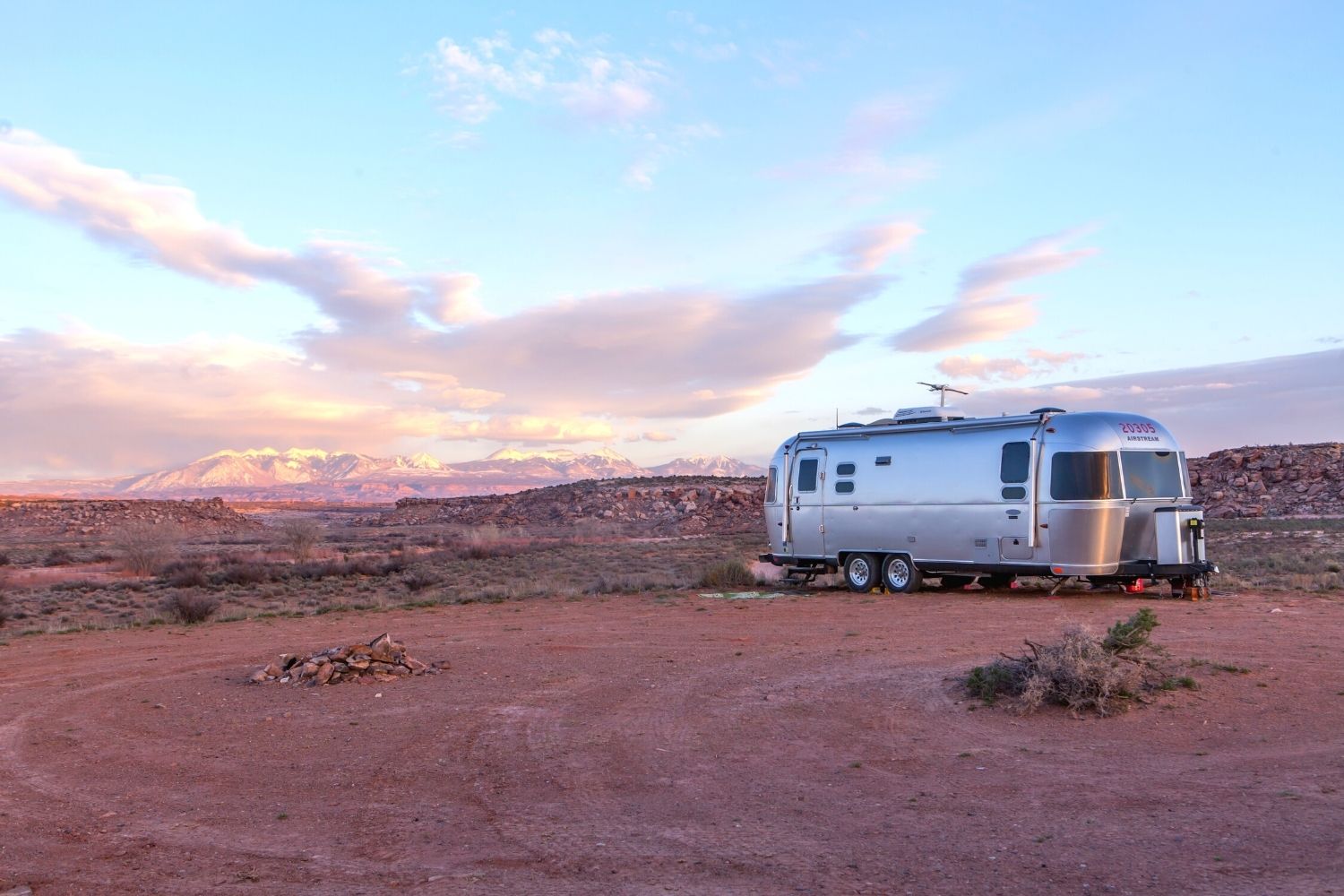
Boondocking, or dry camping, is the ultimate way to experience the freedom and adventure of RV living. Free from the constraints of hookups and campgrounds, boondocking allows you to immerse yourself in nature and explore off-the-beaten-path destinations.
However, this freedom comes with its own set of challenges, particularly when it comes to managing water resources. This is where gray water recycling shines, providing boondocking RVers with several key benefits:
Extended Water Supply
When you’re out in the wild, every drop of water counts. Traditional RV setups can quickly deplete your fresh water reserves, especially if you’re relying solely on the water you’ve brought with you. By recycling gray water, you effectively extend your water supply.
Reusing water from sinks and showers for tasks like flushing toilets or watering plants can help conserve your fresh water, allowing you to stay off-grid longer without needing to refill.
Environmental Stewardship
Boondocking often takes you to pristine, untouched environments where preserving the natural beauty is paramount. Gray water recycling reduces the amount of wastewater you release into the environment, minimizing your ecological footprint.
This practice aligns with the Leave No Trace principles, ensuring that the stunning landscapes you enjoy remain unspoiled for future adventurers.
Reduced Wastewater Management Hassles
One of the less glamorous aspects of RV life is dealing with waste tanks. Constantly worrying about your gray water tank filling up can be a hassle, especially when boondocking far from dump stations.
By recycling and reusing gray water, you decrease the volume of water entering your gray tank, reducing the frequency of needing to empty it. This not only simplifies your waste management routine but also allows you to focus more on enjoying your surroundings.
Enhanced Self-Sufficiency
Part of the appeal of boondocking is the sense of self-sufficiency it provides. Gray water recycling enhances this by making you more independent in managing your resources.
With a reliable recycling system in place, you can confidently venture into more remote areas, knowing that you have the means to sustain yourself without relying on external facilities.
Practical Uses of Recycled Gray Water
Recycled gray water can be put to several practical uses that are especially beneficial during boondocking:
- Flushing Toilets: This is one of the most common uses, significantly reducing the demand on your fresh water supply.
- Cleaning and Maintenance: Use recycled water for washing your RV, cleaning outdoor gear, or even rinsing off after a dusty hike.
We’ll Help You Find the Best Free Camping in the USA
You should give it a try!
As a matter of fact, these free campsites are yours to enjoy. Every time you pay federal taxes, you’re contributing to these lands.
Become a FREE CAMPING INSIDER and join the 100,000 campers who love to score the best site!
We’ll send you the 50 Best Free Campsites in the USA (one per state). Access the list by submitting your email below: