Ah, the great outdoors – nothing quite like the fresh scent of pine, the rustle of leaves, and the… smog? Unfortunately, our beloved national parks aren’t immune to the pollution woes plaguing our cities.
Despite their pristine reputations, some parks face significant pollution challenges.
Here’s a look at the most polluted national parks and the factors contributing to their environmental struggles.
1. Great Smoky Mountains National Park
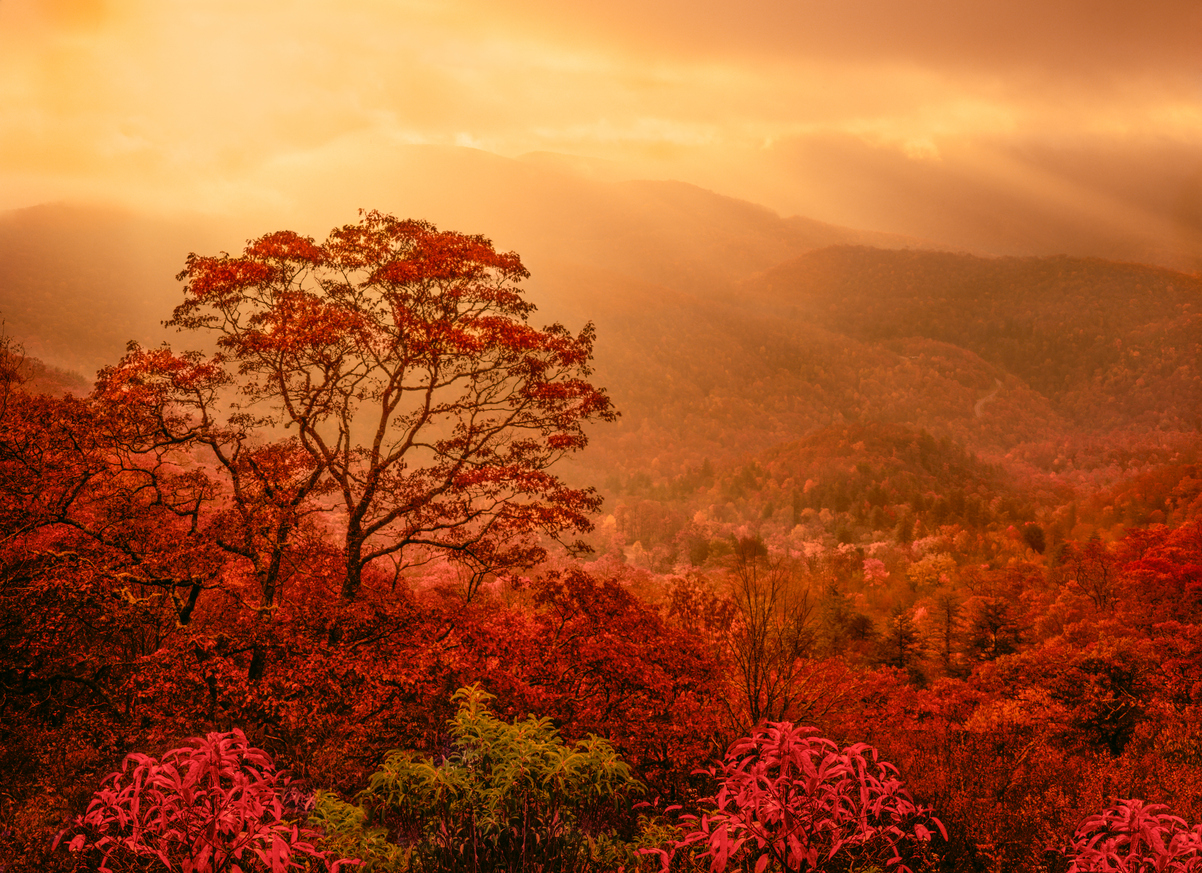
The Great Smoky Mountains, straddling North Carolina and Tennessee, is America’s most visited national park. Sadly, it’s also one of the most polluted.
The picturesque haze that gives the Smokies their name isn’t always natural; it’s often the result of air pollution. Emissions from vehicles, power plants, and industrial sources contribute to high levels of ground-level ozone and fine particulate matter.
According to the National Parks Conservation Association (NPCA), ozone levels in the park can reach 70 parts per billion (ppb), exceeding the National Ambient Air Quality Standards (NAAQS).
2. Joshua Tree National Park
Located in Southern California, Joshua Tree is famed for its unique desert landscape and iconic yucca trees. However, its proximity to the Los Angeles metropolitan area means it suffers from high levels of ozone pollution.
The Environmental Protection Agency (EPA) reports that ozone levels in Joshua Tree frequently exceed 75 ppb during the summer, threatening the park’s fragile ecosystem and visitors’ respiratory health.
3. Sequoia and Kings Canyon National Parks
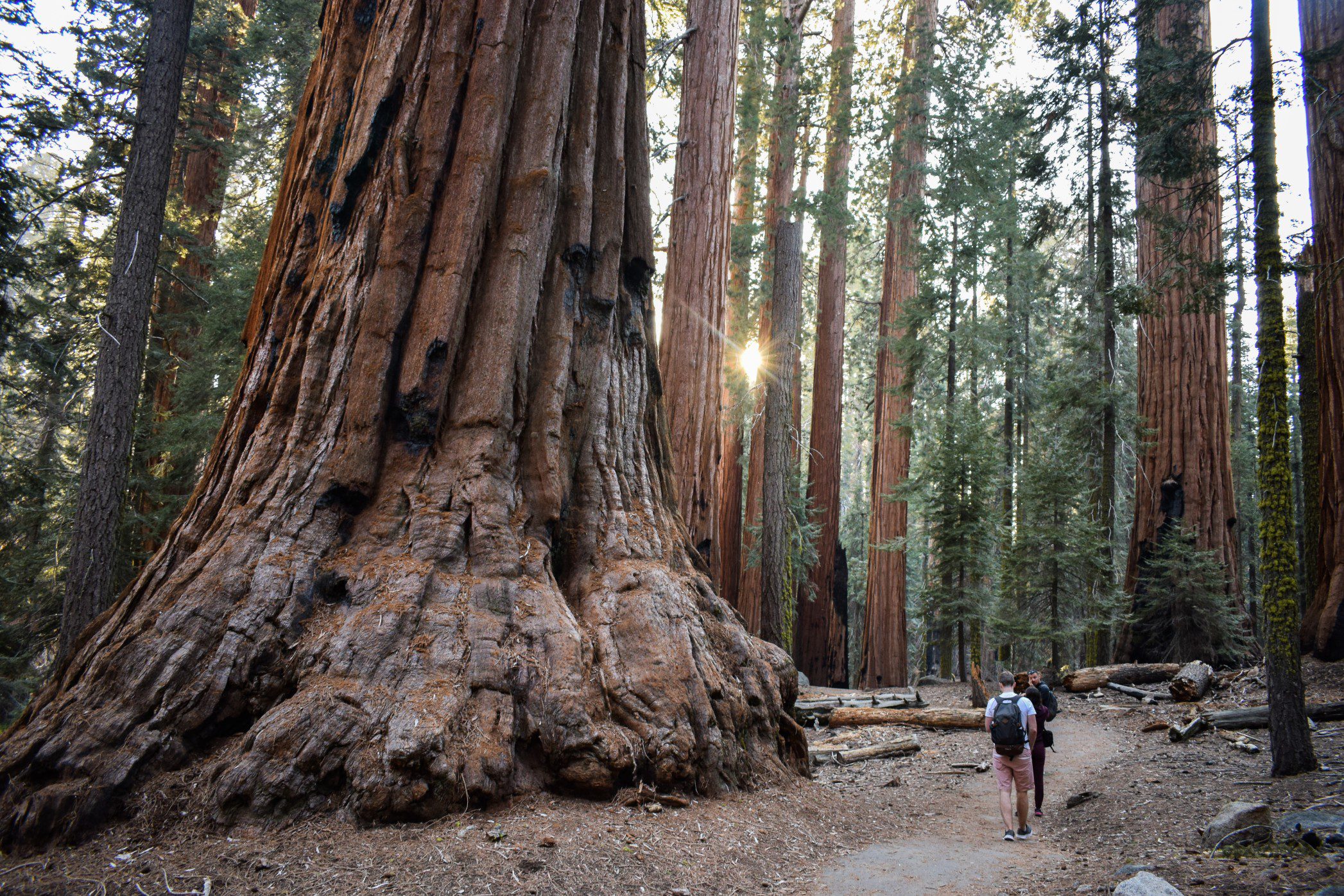
Nestled in California’s Sierra Nevada, these parks are home to some of the world’s largest and oldest trees. Unfortunately, the same agricultural and urban pollution that affects the Central Valley also impacts these majestic giants.
High levels of ozone and particulate matter can damage the trees’ needles, reducing their growth and making them more susceptible to disease and drought.
The NPCA has noted that Sequoia and Kings Canyon experience ozone levels above 70 ppb, which contribute to visible injury to vegetation.
4. Big Bend National Park
Down in Texas, Big Bend’s remote location might suggest an untouched wilderness. However, air pollution doesn’t respect borders. Emissions from coal-fired power plants, refineries, and agriculture drift across state and national boundaries, leading to haze and visibility issues.
The Interagency Monitoring of Protected Visual Environments (IMPROVE) program has recorded visibility impairment in Big Bend due to fine particulate matter, with annual average concentrations of PM2.5 (particles less than 2.5 micrometers) around 6.3 micrograms per cubic meter (µg/m³).
5. Yosemite National Park
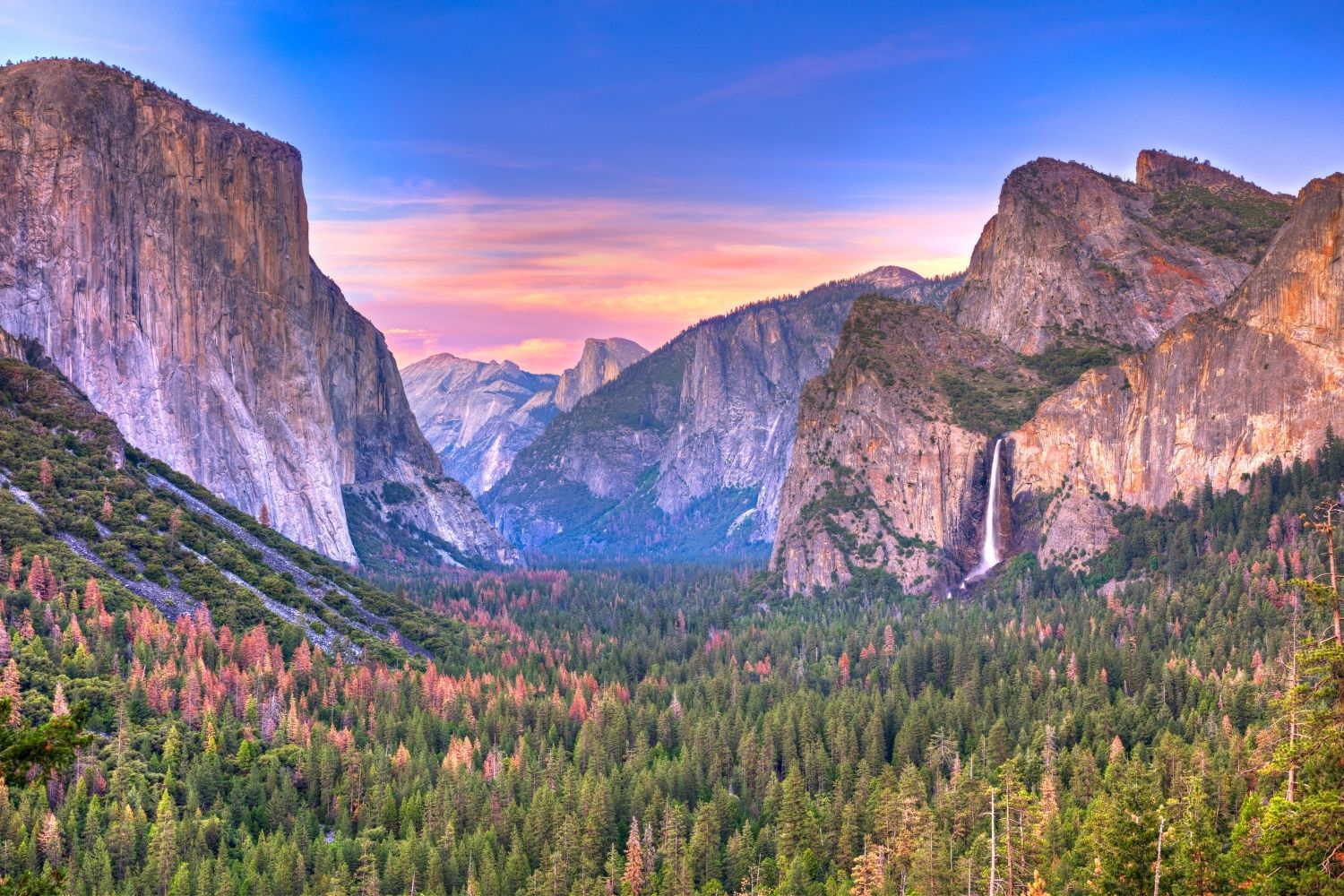
Yosemite’s towering granite cliffs, waterfalls, and giant sequoias draw millions of visitors annually. Yet, air quality in this iconic park isn’t always picture-perfect. Pollution from the San Joaquin Valley, including ozone and particulate matter, often drifts into the park, impacting both its natural beauty and the health of its visitors.
According to the NPCA, ozone levels in Yosemite can reach 80 ppb during peak periods.
6. Rocky Mountain National Park
Colorado’s Rocky Mountain National Park is renowned for its rugged peaks and alpine lakes. However, it also faces pollution challenges, particularly from nearby oil and gas development. Nitrogen deposition from these activities can alter soil chemistry, affecting the park’s delicate alpine ecosystems.
Studies have shown that nitrogen deposition rates in the park range from 3 to 4 kilograms per hectare per year (kg/ha/yr), which can lead to changes in plant communities and soil acidification.
Additionally, visibility can be reduced by haze from regional emissions.
7. Acadia National Park
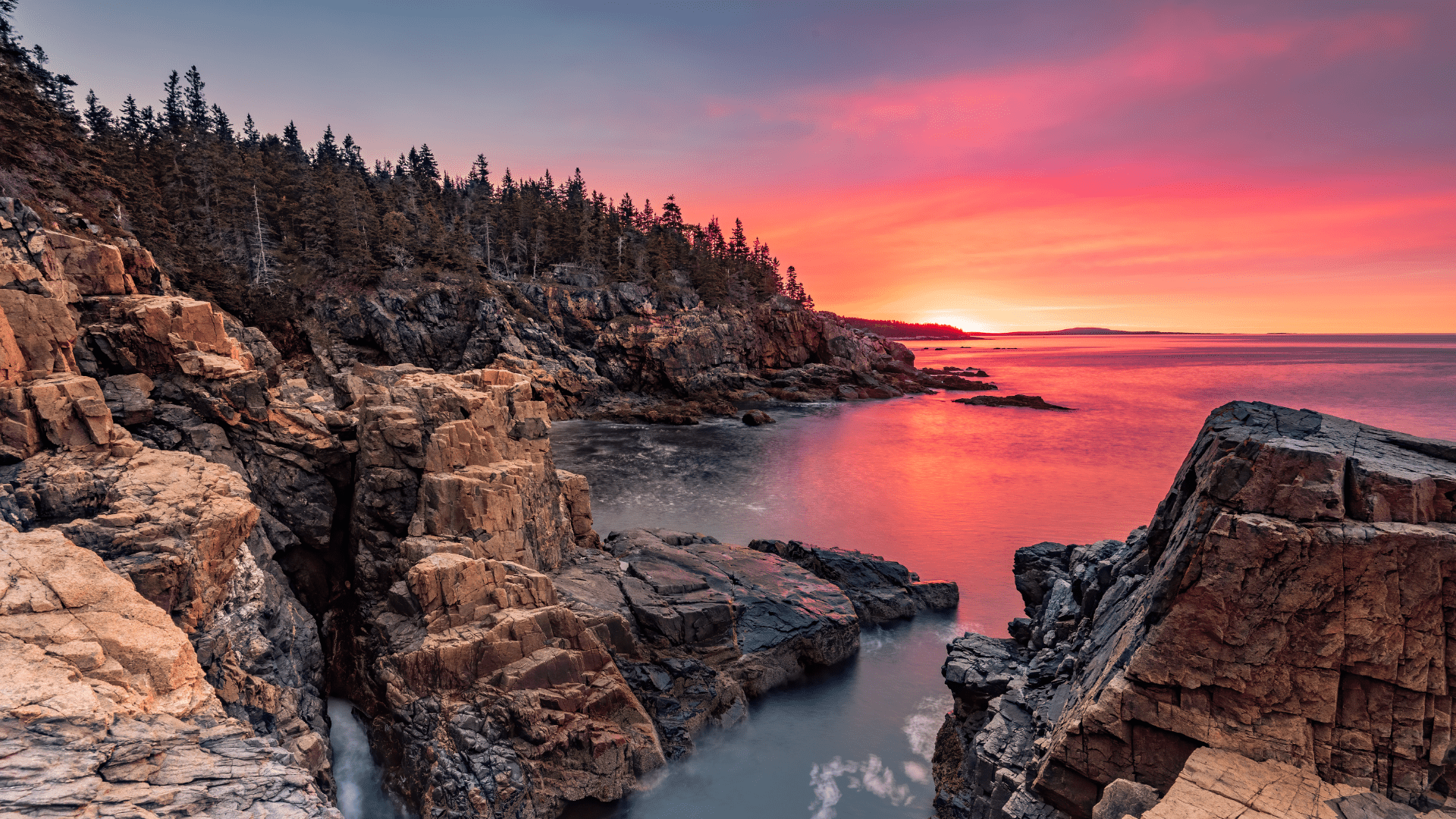
On the East Coast, Maine’s Acadia National Park is a stunning blend of mountains, ocean, and forests. However, pollution from industrial sources and vehicle emissions can drift into the park, leading to elevated ozone levels.
This not only impacts the park’s scenic views but also poses risks to its diverse plant and animal species. The EPA reports that Acadia experiences ozone levels that can exceed 70 ppb, affecting air quality and visibility.
What Can Be Done to Help These Polluted National Parks?
Addressing pollution in national parks requires a multifaceted approach. Stricter emissions regulations for industries, vehicles, and power plants are crucial.
Additionally, initiatives to promote clean energy and reduce reliance on fossil fuels can make a significant difference. Park visitors can also help by carpooling, using public transportation, and supporting policies aimed at reducing air pollution.
The National Parks Aren’t Immune from Pollution
Our national parks are treasures that deserve protection. Recognizing and addressing their pollution challenges is essential for preserving their beauty and biodiversity for future generations. By reducing pollution, we can ensure that these natural wonders continue to inspire awe and wonder for years to come.
By embracing cleaner energy and responsible travel practices, we can all play a part in safeguarding our parks. Let’s keep our national treasures as pristine as the memories we make in them.
We’ll Help You Find the Best Free Camping in the USA
You should give it a try!
As a matter of fact, these free campsites are yours to enjoy. Every time you pay federal taxes, you’re contributing to these lands.
Become a FREE CAMPING INSIDER and join the 100,000 campers who love to score the best site!
We’ll send you the 50 Best Free Campsites in the USA (one per state). Access the list by submitting your email below: