In the ongoing battle of animal versus human, certain states in the U.S. have become notorious for higher incidences of animal attacks.
Whether it’s a face-off with a bear, an alligator lurking in the water, or a rattlesnake coiled underfoot, these encounters can quickly turn dangerous.
Let’s take a closer look at the states with the most animal attacks, the creatures responsible, survival rates, and how you can protect yourself when you’re in their territory.
1. Alaska
Overview: Alaska’s vast wilderness is a double-edged sword—it’s beautiful, but also home to some of the most dangerous wildlife in North America. Bears are the primary culprits here, with both grizzly and black bears posing significant risks.
Stats: According to the Alaska Department of Fish and Game, there have been over 66 documented bear attacks in Alaska from 2000 to 2017, resulting in 14 fatalities. That’s an average of about 3.8 attacks per year.
Other Risks: In addition to bears, moose attacks are also a concern in Alaska. While they aren’t predators, moose can be extremely dangerous when provoked, especially during calving season.
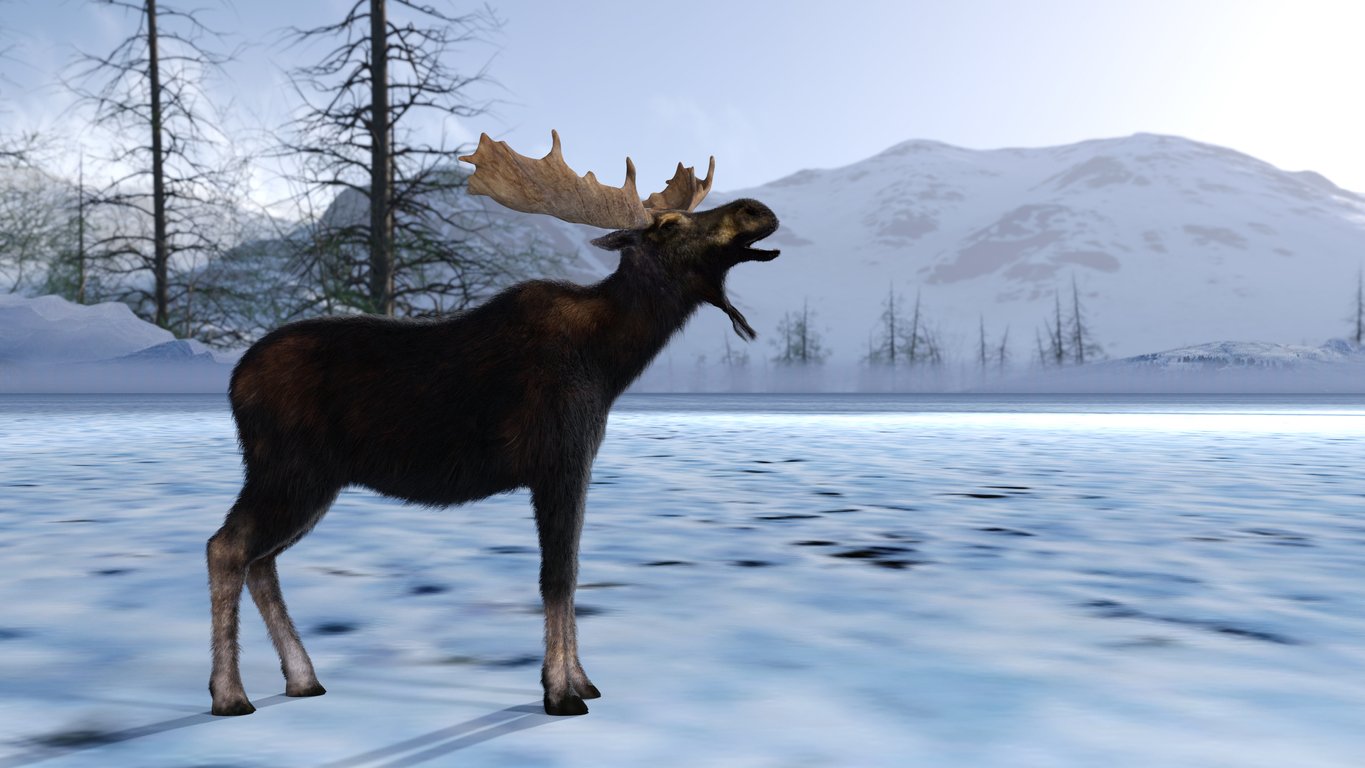
How to Protect Yourself: When exploring Alaska, always carry bear spray and know how to use it. Make noise while hiking to avoid surprising a bear, and store food securely when camping. For moose, keep a safe distance—moose are deceptively fast and can charge if they feel threatened.
2. Florida
Overview: Florida is well-known for its alligators, but that’s not the only wildlife you need to be wary of. The state’s warm climate and extensive wetlands make it a hotspot for alligator encounters, along with venomous snakes and sharks.
Stats: Florida averages about seven unprovoked alligator attacks per year, according to the Florida Fish and Wildlife Conservation Commission. Between 1948 and 2023, there were 442 documented alligator attacks in Florida, with 26 resulting in fatalities.
Other Risks: Venomous snakes like the Eastern Diamondback Rattlesnake and Cottonmouth are prevalent in Florida. Additionally, the state’s coastlines are known for shark attacks, with an average of 16 per year, mostly non-fatal.
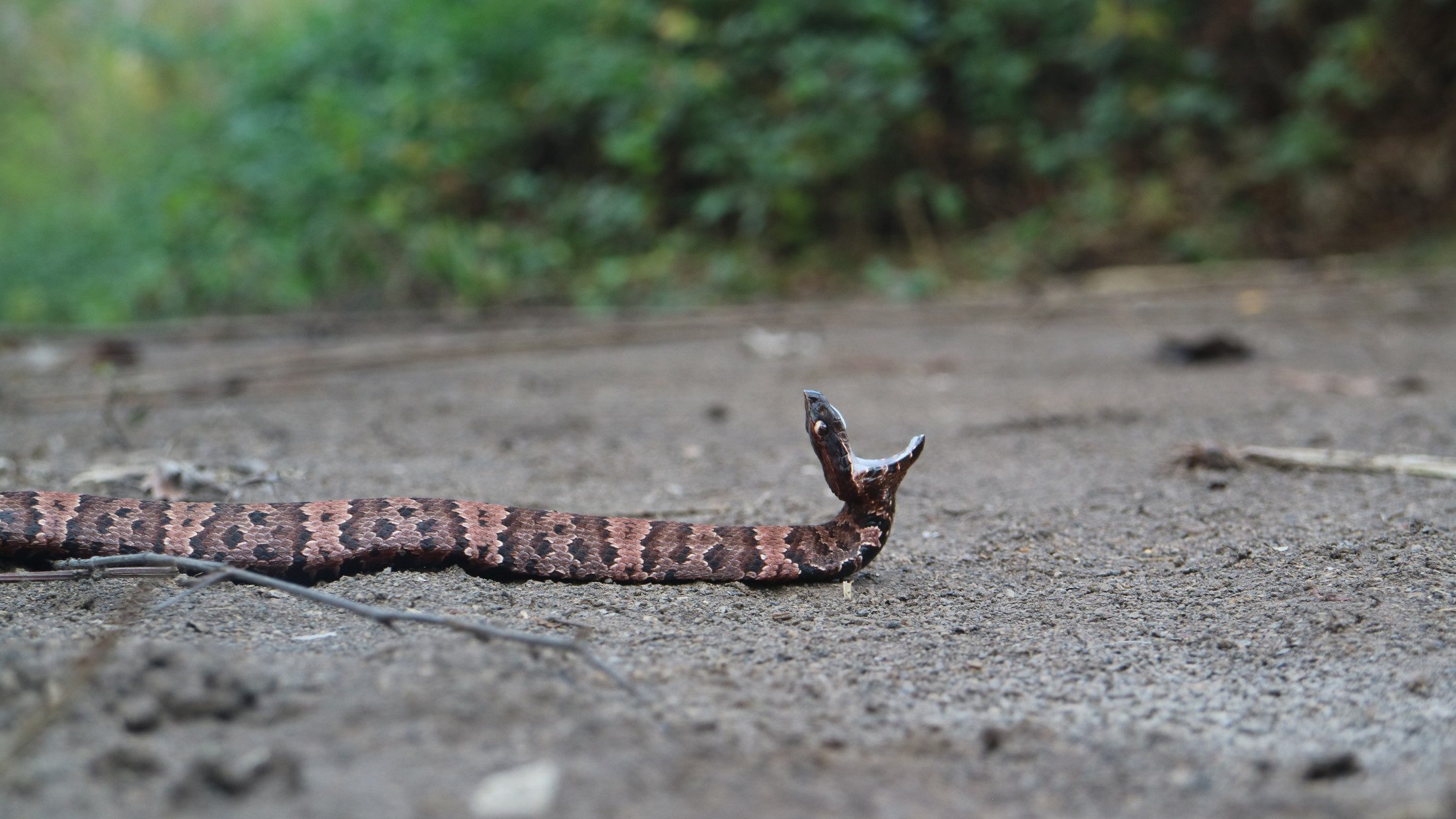
How to Protect Yourself: Stay out of freshwater areas, particularly during dawn and dusk when alligators are most active. If you’re hiking, wear snake boots and avoid walking through tall grass or underbrush where snakes might be hiding.
In the ocean, avoid swimming at dawn or dusk, and stay in groups to reduce the risk of shark attacks.
3. Montana
Overview: Montana’s rugged terrain and expansive wilderness make it a prime spot for wildlife encounters, particularly with bears and mountain lions. The state is part of the Greater Yellowstone Ecosystem, home to a large population of grizzly bears.
Stats: In the past decade, there have been over 100 reported bear attacks in Montana, with about 25% of them resulting in serious injury or death. The state also sees several mountain lion encounters each year, though these are less common.
Other Risks: In addition to bears and mountain lions, Montana is home to rattlesnakes, particularly in the eastern and central parts of the state. Snake bites are rare but can be deadly without prompt treatment.
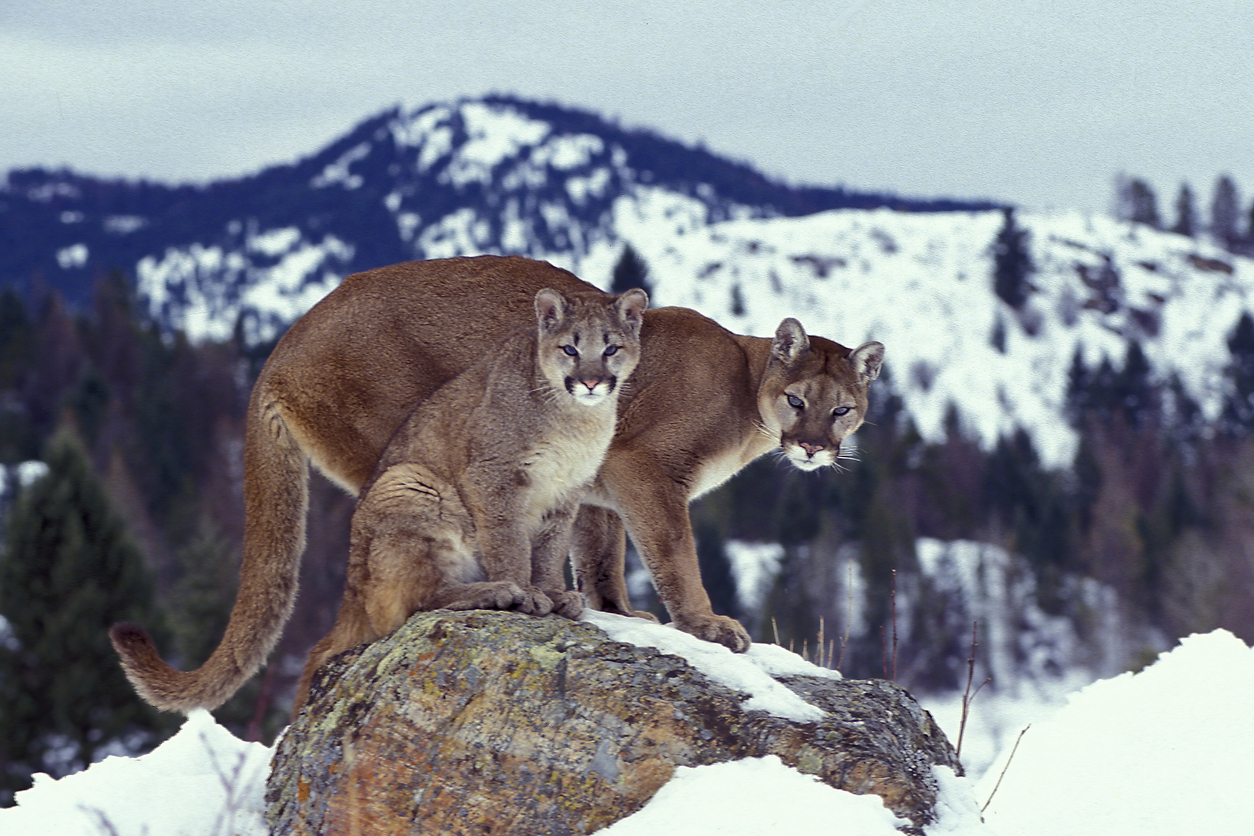
How to Protect Yourself: Bear spray is essential in Montana, especially when hiking in bear country. Travel in groups and avoid hiking at dawn or dusk when predators are most active. If you encounter a mountain lion, don’t run—instead, make yourself appear larger and make noise to scare it off. For snakes, watch your step and be cautious when moving through rocky areas or tall grass.
4. Texas
Overview: Texas is a state of extremes, from its size to its wildlife. The state is home to a variety of dangerous animals, including rattlesnakes, feral hogs, and even sharks off the Gulf Coast.
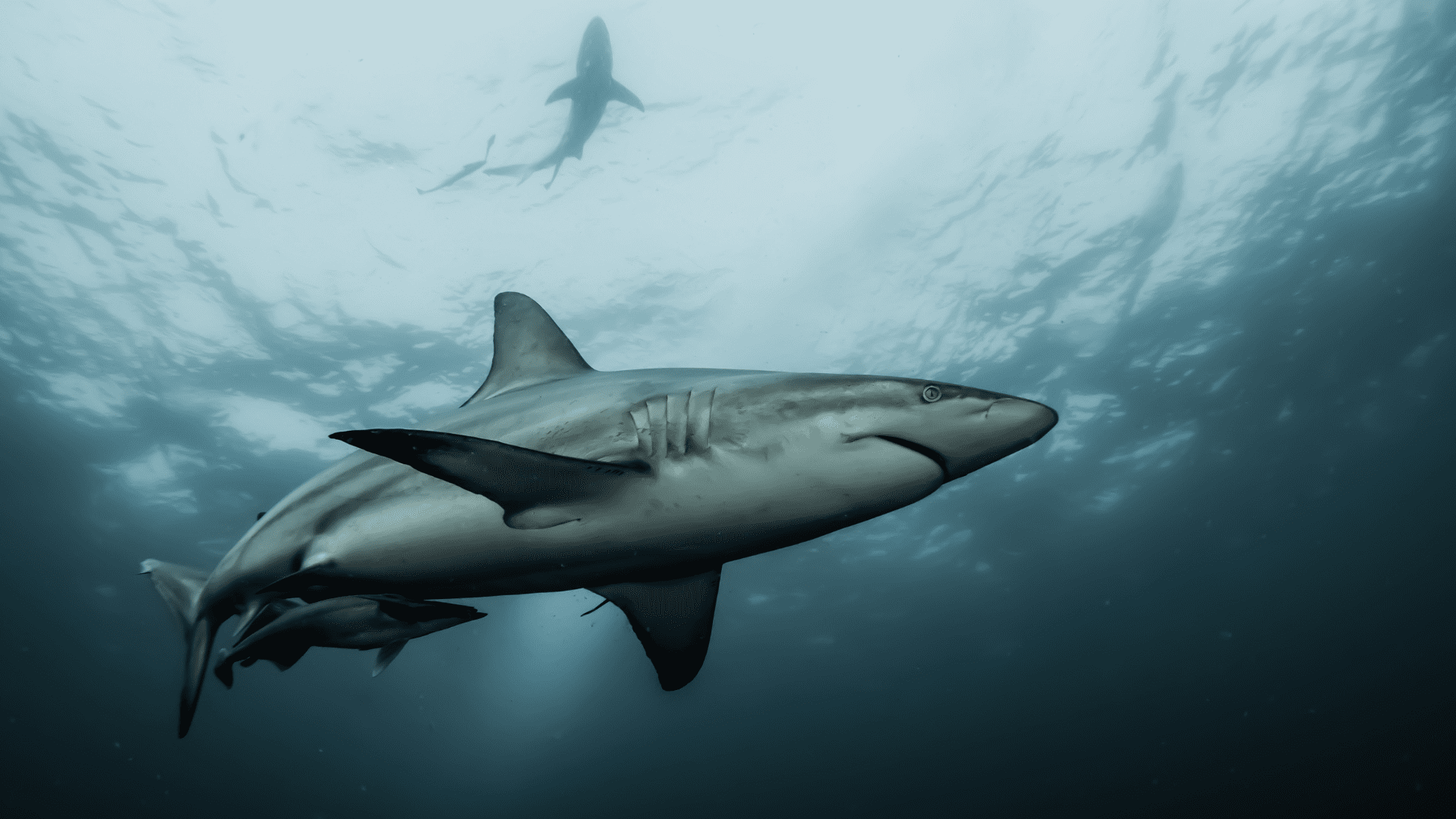
Stats: Texas reports an average of 3,000 snake bites each year, with rattlesnakes being the most common culprit. The state also sees frequent feral hog attacks, which have been increasing as the hog population grows. Shark attacks are rare, with fewer than five incidents reported annually along the Texas coast.
Other Risks: In addition to snakes and hogs, Texas is also home to scorpions and venomous spiders, which can pose risks to humans, particularly in rural and desert areas.
How to Protect Yourself: When hiking or camping in Texas, wear boots and long pants to protect against snake bites. Be cautious around water sources where hogs might be foraging, and avoid leaving food out that could attract them. On the coast, swim in designated areas and avoid murky water where sharks might be hunting.
5. California
Overview: California’s diverse ecosystems, from coastal beaches to mountainous regions, provide habitats for a wide range of wildlife. Mountain lions and rattlesnakes are the primary concerns for outdoor enthusiasts in the Golden State.
Stats: California sees about 15 to 20 mountain lion attacks per decade, with a few resulting in fatalities. Rattlesnake bites are more common, with around 300 cases reported annually, though deaths are rare due to the availability of antivenom.
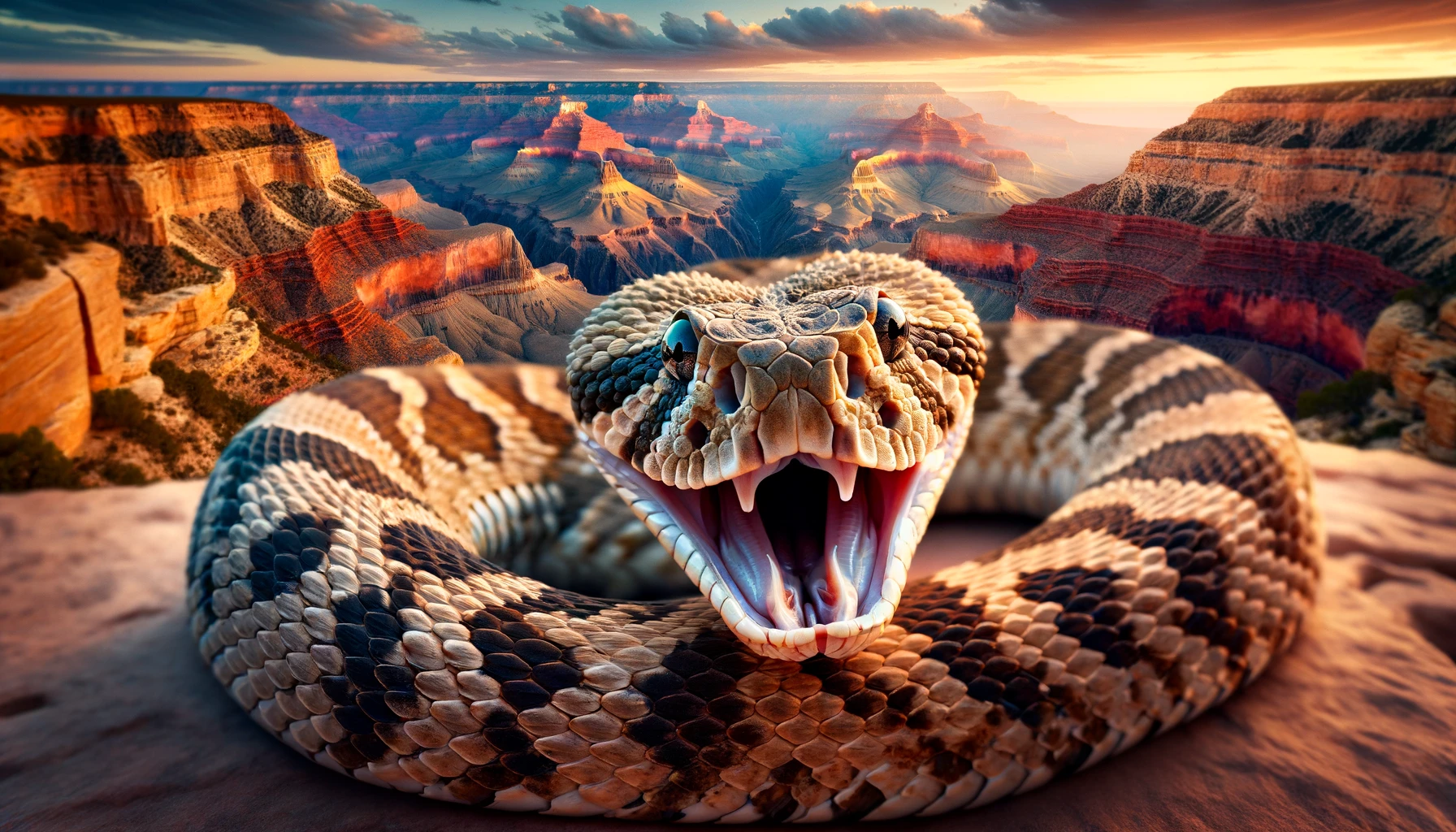
Other Risks: In addition to mountain lions and snakes, California’s coastline is a hotspot for shark attacks, particularly near surf spots. The state averages about one to two shark attacks per year, mostly non-fatal.
How to Protect Yourself: In mountain lion territory, avoid hiking alone and keep children close. If you encounter a mountain lion, make yourself look bigger and louder. For rattlesnakes, stick to well-worn paths and be cautious around rocks and logs.
On the coast, pay attention to shark warnings and avoid areas with high seal populations, which attract sharks.
Survival Rates and How to Protect Yourself
Survival rates from animal attacks vary depending on the animal and the response. Bear attacks, for example, have an 85% survival rate if the victim uses bear spray or other defensive measures.
For alligator attacks, survival rates are high if the victim fights back, as alligators often release their grip when met with resistance. Snake bites have a survival rate of over 90% with prompt medical treatment.
General Tips for Protection:
- Be Prepared: Carry bear spray in bear country, a sturdy stick in mountain lion territory, and wear boots in snake-prone areas.
- Stay Alert: Be aware of your surroundings, and avoid hiking or camping alone in areas known for wildlife.
- Know the Signs: Learn to recognize animal tracks and signs of their presence, such as scat or scratched trees.
- Store Food Properly: Keep food stored securely to avoid attracting wildlife, especially when camping.
- Stay Calm: If you encounter a wild animal, don’t panic. Slow, deliberate movements and making yourself appear larger can deter many predators.
While the idea of animal attacks can be intimidating, being informed and prepared can significantly reduce your risk.
Whether you’re hiking in bear country, swimming in shark territory, or exploring the wilderness in any of these states, knowing what to expect and how to protect yourself is key to staying safe.
We’ll Help You Find the Best Free Camping in the USA
You should give it a try!
As a matter of fact, these free campsites are yours to enjoy. Every time you pay federal taxes, you’re contributing to these lands.
Become a FREE CAMPING INSIDER and join the 100,000 campers who love to score the best site!
We’ll send you the 50 Best Free Campsites in the USA (one per state). Access the list by submitting your email below: