Alaska, the Last Frontier, is renowned for its stunning landscapes, rich cultural heritage, and unique Indigenous food traditions.
While fresh seafood like salmon and king crab often steal the spotlight, Alaska also boasts some truly wild edibles that offer a fascinating glimpse into its culinary history.
We’ve uncovered three of Alaska’s most unusual and intriguing foods.
Let’s grab a bite!
Exploring Weird Alaska Food Traditions
While many of us might think these foods from Alaska are weird, they highlight indigenous peoples’ resourcefulness and deep connection to the land and sea. Furthermore, they show how food can be a powerful medium for preserving and celebrating cultural identity.
If you ever find yourself in Alaska, trying Muktuk, Akutaq, and Stinkheads can be a unique and memorable experience. However, it’s important to approach these traditions with respect and an open mind, understanding that they hold significant cultural value for many Alaskans.
Tasting local edibles can provide a deeper appreciation for the challenges of surviving in such a harsh environment.
Whether you’re sampling Muktuk at a community feast, enjoying a bowl of Akutaq at a family gathering, or bravely trying Stinkheads, you’ll gain a richer understanding of Alaska’s culinary heritage.

Muktuk
First on our list is Muktuk, a traditional Inuit dish made from whale skin and blubber. Although it may sound like a weird food to many people outside of Alaska, Muktuk has been a staple in the Arctic diet for centuries. It’s high in nutritional value, particularly vitamin C and omega-3 fatty acids.
People typically make Muktuk from bowhead, beluga, or narwhal whales. They usually serve it raw, but other versions include pickled or deep-fried. When raw, it’s chewy and tastes like what some describe as a mix of fresh coconut and beef jerky.
While not for everyone, those who’ve grown up eating Muktuk often feel it’s a comfort food that connects them to their heritage.
Preparing Muktuk is an intricate process that involves meticulous butchering and storage methods to ensure it remains safe to eat. Because of its cultural significance, communities often share the delicacy during feasts and celebrations, reinforcing social bonds and traditions.
Tired of the crowds? Here are 5 Great Alternatives to National Parks in the State of Alaska!
Akutaq
Next, we have Akutaq, which looks a bit like ice cream. This dish is a perfect example of how indigenous Alaskans adapted to their environment, using available resources to create delicious and nourishing food.
Traditionally, Akutaq is animal fat, such as reindeer, moose, or seal, whipped with wild berries and sometimes fish. The result is a creamy, sweet, and savory treat. And it provides essential calories and nutrients, particularly in the harsh Arctic climate.
Today, many modern versions of Akutaq use Crisco or other vegetable shortenings instead of animal fat. This makes it more accessible for those who may not have access to traditional ingredients. They often add blueberries, cranberries, or cloudberries, giving the dish its distinctive flavor and color.
Making Akutaq is an art that requires skill and patience to achieve the right consistency. It is typically made in large batches and shared among family and friends during gatherings.
The dish holds significant cultural value and symbolizes hospitality and community in many Alaskan native traditions.
Learn More: Are Native American Reservations Considered Federal Land?
Stinkheads
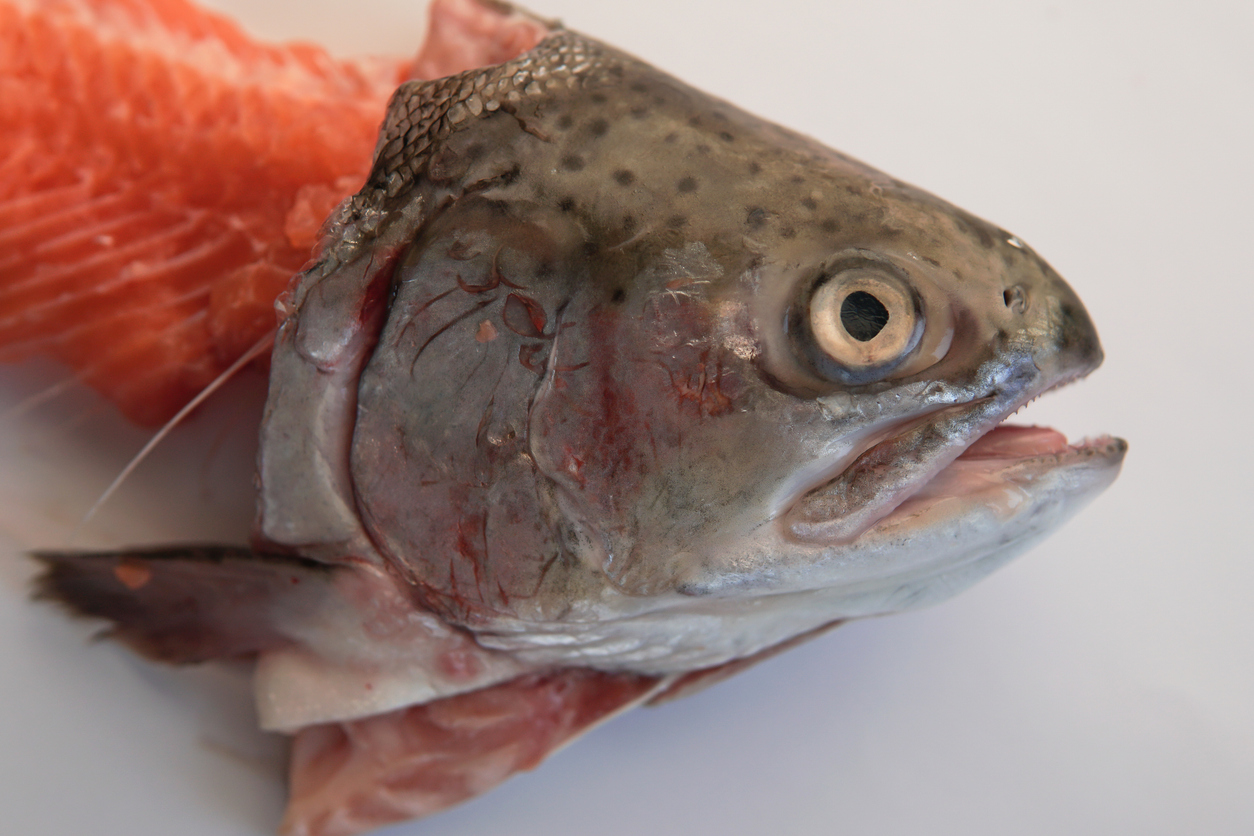
Lastly, we come to Stinkheads, perhaps the most controversial and polarizing of the three foods. Stinkheads, or “tepa” in the Yupik language, are fermented fish heads, usually from salmon.
Making Stinkheads involves burying the fish heads in the ground in a fermentation pit and allowing them to decompose for several weeks. This preservation method dates back centuries and was a way for indigenous Alaskans to store food for long periods.
Once the fermentation process is complete, people unearth and eat the fish. As you might imagine, the aroma and flavor of Stinkheads are strong and pungent, making it an acquired taste even among those familiar with fermented eats.
Despite its off-putting smell, Stinkheads are rich in protein and other nutrients, making them a valuable food source.
Eating Stinkheads is a testament to the resourcefulness of the Alaskan people, who learned to utilize every part of the fish. While this dish is not as commonly eaten today, it remains an integral part of cultural heritage and is still enjoyed by some as a traditional delicacy.
Planning your Alaska trip? This is one of the best resources! The MILEPOST 2024 – Alaska Travel Planner
Food that’s Weird to One Is a Cultural Legacy to Others
Alaska’s wild and weird foods offer more than just unusual flavors. They provide a window into the state’s rich cultural tapestry and history. Muktuk, Akutaq, and Stinkheads each tell a story of survival, community, and tradition, reflecting the resilience and creativity of the people who call this rugged landscape home.
So, step out of your culinary comfort zone next time you’re in Alaska and explore these unique dishes. You’ll taste something new and connect with a vibrant and enduring cultural legacy.
We’ll Help You Find the Best Free Camping in the USA
You should give it a try!
As a matter of fact, these free campsites are yours to enjoy. Every time you pay federal taxes, you’re contributing to these lands.
Become a FREE CAMPING INSIDER and join the 100,000 campers who love to score the best site!
We’ll send you the 50 Best Free Campsites in the USA (one per state). Access the list by submitting your email below: