When you’re out there livin’ the RV life, chasing sunsets and vibes, the last thing you wanna deal with is a gnarly eight-legged surprise.
But hey, when you’re exploring the wild, you might just cross paths with some sketchy spiders.
I’m here to give you the lowdown on the most dangerous spiders you might meet on the road, how to spot them, and what to do if one decides to sink its fangs into you.
Black Widow: The OG Femme Fatale
Let’s kick it off with the black widow, the ultimate femme fatale of the spider world. This girl’s venom is no joke. Statistically, only about 0.1% of bites are fatal, but that doesn’t mean you should take it lightly. Her venom contains a neurotoxin called latrotoxin, which can cause severe pain, muscle cramps, nausea, and sometimes even difficulty breathing.
On the scale of venom potency, the black widow ranks pretty high, packing about 15 times the toxicity of a rattlesnake bite, but thankfully, she injects way less venom.
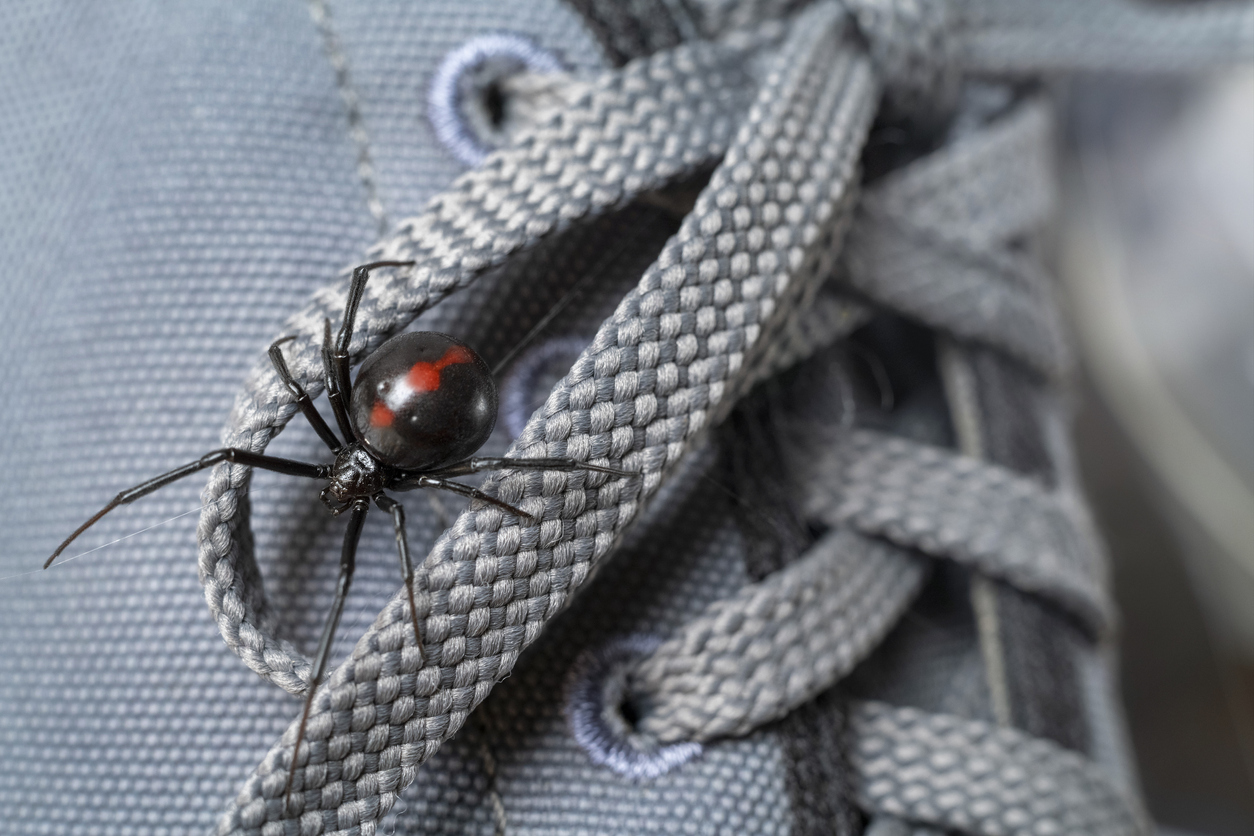
You can spot a black widow by her sleek, jet-black bod and that iconic red or orange hourglass on her belly. She’s all about the dark and mysterious vibe, hiding out in woodpiles, under eaves, or in your RV’s storage spots.
Black widows are everywhere in the U.S., but they especially love the southern and western states.
If she bites, rinse the spot with soap and water, throw a cold compress on it, and hit up a doc ASAP. There’s antivenom if you need it, but most of the time, it’s all about managing the pain and symptoms.
Brown Recluse: The Sneaky Assassin
Next up, the brown recluse, aka the sneaky assassin. This dude’s bite can turn into a total horror show. The venom contains sphingomyelinase D, an enzyme that causes tissue death (necrosis).
The bad news?
Around 10% of bites develop serious complications like deep necrotic lesions that can take months to heal, potentially leaving scars that’ll tell a wild story. The good news? The majority of bites don’t result in severe necrosis—most are mild and heal on their own.
The brown recluse rocks a chill brown look with a violin-shaped marking on its back, earning it the nickname “fiddleback spider.” These bad boys love to hide in dark, untouched spots—think inside shoes, under bed sheets, or in those cabinets you never open.
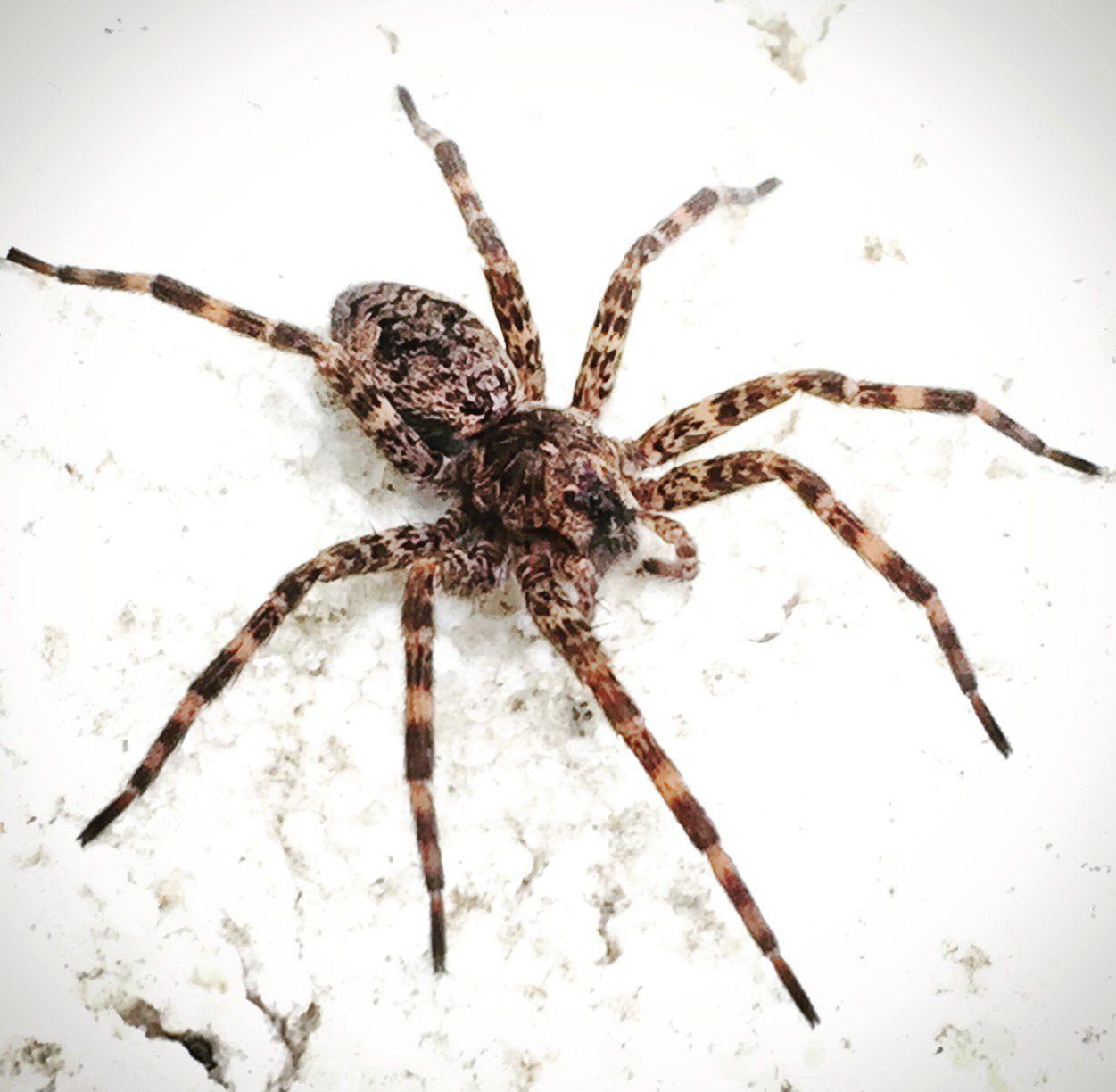
They’re mostly chillin’ in the central and southern U.S., from Texas to Georgia, and up to Kentucky. If you get tagged by one, scrub the area with soap and water, slap on a cool compress, and haul yourself to a doctor pronto.
The sooner you get treated, the less you’ll have to worry about your skin turning into a nightmare.
Hobo Spider: The Controversial Biter
Now, let’s talk about the hobo spider, the spider that’s got a rep for being a biter, but not everyone’s convinced. The jury’s still out on just how dangerous this spider’s venom is. Some reports link the hobo spider’s bite to necrotic lesions similar to the brown recluse, but studies show most bites result in mild reactions.
Symptoms can include headaches, nausea, and tissue damage, but serious necrosis is rare.
Hobo spiders are brown with a herringbone pattern on their abdomen, and you’ll usually find them lurking in basements, window wells, and around RVs parked near fields or forests. They’re Pacific Northwest natives, repping states like Washington, Oregon, and Idaho.

If one bites you, clean it up with soap and water, toss some ice on it, and keep an eye out for any wild symptoms. If things get weird, don’t wait—see a doc.
Yellow Sac Spider: The Itchy Little Menace
Last but not least, the yellow sac spider, the small but mighty menace. Its bite isn’t as severe as some others, but it can still mess with your day. The venom can cause a mild necrotic reaction and intense itching, burning sensations, and a slow-healing sore.
These bites are known to be more irritating than dangerous, but when you’re on the road, an itchy bite is the last thing you need.
These spiders are small, pale yellow or greenish, and super sneaky—you might not even know they’re there until you’re already scratching. They’re active hunters, so you might spot them roaming around at night, sometimes even inside your RV.
You’ll find them across the U.S., especially in the Northeast and Midwest.
If you get bit, just clean the area, throw a cold compress on it, and maybe pop some OTC pain relief. Most of the time, you’ll be fine, but if that bite isn’t getting better, or if you’re feeling extra funky, go get checked out.

Pro Tips to Keep It Chill
To keep your road trip spider-free, always check and shake out your shoes, clothes, and bedding before you use them, especially if they’ve been boondocking in your RV for a while.
Make sure your RV is sealed up tight—no cracks or gaps for these creepy crawlies to slip through. And hey, keeping your campsite clean and tidy doesn’t just look good, it helps keep spiders at bay.
Spiders may be small, but they’re no joke.
Know your surroundings, and if you do get bit, you’ll know what to do to keep your adventures rolling without a hitch. Safe travels, and may your only spider encounters be from a distance, preferably behind glass!
We’ll Help You Find the Best Free Camping in the USA
You should give it a try!
As a matter of fact, these free campsites are yours to enjoy. Every time you pay federal taxes, you’re contributing to these lands.
Become a FREE CAMPING INSIDER and join the 100,000 campers who love to score the best site!
We’ll send you the 50 Best Free Campsites in the USA (one per state). Access the list by submitting your email below: