Most people think of fall as a season for harvesting rather than a time to plant vegetables. However, you’re missing out if you’ve never tried to grow an autumn garden.
One of the biggest things to consider is your seeds. If you don’t choose them wisely, you could doom your future crop from the start.
Today, we’re helping you pick the best vegetables to plant this fall. With some water, sunshine, and luck, you’ll soon be enjoying homegrown produce.
Let’s get digging!
The Benefits of a Fall Vegetable Garden
If you’re on the fence about whether or not you should plant a fall vegetable garden, consider the benefits.
For starters, the cooler temperatures mean fewer pests. Anyone who’s attempted to grow produce knows how frustrating it can be to battle these critters. Luckily, if you go this route, you’ll have fewer bugs to worry about.
In addition to pests, weeds can be equally as annoying. Thankfully, most of them rely on the summer heat to grow. The changes in the weather create an environment that’s not ideal. You won’t have to worry about weeding, and any fall vegetables you plant will have less competition. It’s a win-win for you and your crops.

Finally, you won’t have to water your autumn garden nearly as much as in spring and summer. Typically, most areas experience increased rain this time of year. The soil will stay moist, and you won’t have to lug the watering hose out once or twice daily.
With so many benefits, this may become your favorite season!
Tips for Planting a Successful Fall Vegetable Garden
Those who plant vegetables in the fall quickly find out it’s very different from gardening in the spring. A successful harvest will require you to make some adjustments.
One tip to consider is that the sun’s position in the sky differs from summer. Along those lines, you’ll also find yourself battling reduced daylight. Vegetables typically need at least six hours of direct sunlight.
Remember to account for shadows that prevent sunlight from reaching your crops. Leafy greens tend to do better in shade than others.
Another helpful hint is to take your time to prepare the ground. Your soil’s health plays a significant role in determining whether your crop succeeds or fails. You need a lot of organic matter to create an ideal environment for seeds to thrive. Consider adding a compost mix to help create a healthier setting.
Our final suggestion is knowing when to plant your fall vegetables. It can take anywhere from 6 to 12 weeks until they’re ready to harvest. They should be mature or ready to pick before the first frost.
Unfortunately, this timing will depend on where you live. Research the average date for your first frost and plan accordingly.
Just starting out? Try The First-Time Gardener: Growing Vegetables.
Should You Worry About Pests in Your Fall Vegetable Garden?
We mentioned fewer pests as a benefit of planting a fall vegetable garden. Fewer doesn’t mean none. And, unfortunately, a handful of bugs can severely damage your crops. It’s a good idea to familiarize yourself with those that are native to your area.
The most common insects are aphids, cabbage loopers, corn earworms, cucumber beetles, cutworms, and stink bugs. If you’re not careful, these nasty creatures can harm your plants and ruin all your hard work.
Remove weeds and cut back nearby plants to keep insects away from your crops. Doing so exposes your enemies’ potential hiding spots.
Keeping your soil’s pH level in check can also be extremely helpful. To do this, you must test it and add the appropriate amount of fertilizer.
Finally, give yourself some grace. You build success by applying the knowledge you gain from your experience. Take notes on which insects you’re battling and create a plan of attack for next year.
7 Garden Vegetables to Plant in the Fall
You don’t want to plant just any vegetables in your fall garden. Picking the right ones can help you to have a healthy and plentiful harvest. Here are a few of our top picks.
Broccoli
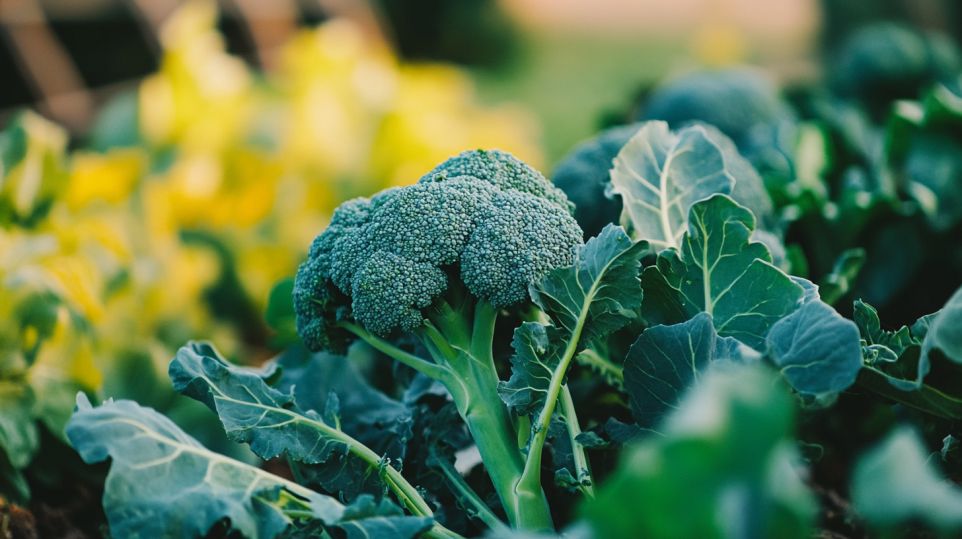
Broccoli is our first suggestion for vegetables to plant this fall. While it can resist hard freezes, it doesn’t like warm temperatures, particularly those over 70 degrees. Start these seeds indoors about 85 to 100 days before you expect the first frost. After three weeks or so, transplant them into a sunny spot.
For optimal growth, broccoli requires consistent watering. Doing so gives the soil plenty of moisture and creates an ideal environment. If you’re familiar with growing zones, broccoli does well in zones 3 through 10.
You don’t have to spend a ton of cash! How to Make a Budget-Friendly Container Vegetable Garden
Spinach
Spinach is another great vegetable to plant this fall, especially in zones 2 through 9. Under normal circumstances, it only takes 30 to 40 days to harvest. You can often collect it several times throughout the season. Just snip a few leaves from each one and allow the rest to flourish until your next harvest.
When planting, leave 2” to 6” between each plant and 12” to 30” between rows. Proper spacing ensures that plants can grow to their potential and withstand freezes once fully mature.
Lettuce
What’s better than a healthy salad? Knowing you grew the lettuce yourself, of course!
This plant thrives in conditions between 45 and 75 degrees Fahrenheit. Lettuce has very shallow roots, which makes it susceptible to cold weather. It does best in growing zones 4 through 9.
If you’re considering planting this vegetable this fall, give it 4 to 8 weeks to mature. Keep seeds 4” to 16” from each other and at least 12” to 24” between rows, thinning as needed. Place them in a spot with full sun to partial shade so they get enough direct sunlight.
Cauliflower
When you plant your vegetables this fall, don’t overlook cauliflower, especially in growing zones 2 through 11. Unfortunately, this crop takes 8 to 12 weeks to mature, so you can’t procrastinate getting it started. Your best bet will be to start it indoors and then transplant it after 4 to 6 weeks.
They’ll require at least six hours of sunlight each day. While they’re more resistant to cooler temperatures when mature, picking them quickly after a freeze is best. This way, you can enjoy them instead of tossing them in the garbage.

Leeks
Leeks are one of the best vegetables to plant in the fall. Growing zones 5 through 9 and gardens with full sun will be your best chances. Many think of these as very slow-growing, with some varieties taking 120 days to harvest. On the other hand, it’ll take 150 to 180 days to reach full maturity.
Get these in the ground 8 to 10 weeks before you expect your first frost. Keep them 6” to 8” apart and in rows at least 12” to 16” from one another.
If you’re a pet owner, it’s important to note that leeks are toxic to cats and dogs. Do whatever you can to protect your vegetation and your four-legged friends. You don’t want anything to cause a tragedy in your family.
Avoid Pitfalls: Easy Ways to Fail at Gardening
Peas
While peas can be challenging to plant, they’re great vegetables for your fall garden. They’re best in growing zones 2 through 9. Most gardeners start their crop in mid-to-late August. They’ll quickly grow and enjoy cooler temperatures when they start flowering.
You should put them in the ground roughly 10 to 12 weeks before the first frost. If they’re able to flower, they can tolerate a light freeze. However, you could lose all your peas if they don’t mature quickly enough.
Radishes
Many people struggle to grow radishes during the spring because of the warmer temperatures. As a result, fall is the best time to plant these vegetables, especially for growing zones 2 through 10. The cooler weather creates an ideal environment for the soil.
Radishes typically require getting them in the ground at least 4 to 6 weeks before the first frost. When placing seeds, they should be 1” to 3” apart and in rows separated by at least 8” to 15”.
Is Planting a Fall Vegetable Garden Worth It?
Planting a fall vegetable garden is your last chance to stock up before winter. While you may be able to find them at the store, it’s comforting to know precisely where they grew. Whether or not it’s true, homegrown produce always seems to taste better. At least, that’s what we think.
If you want to try something new, go out and plant some veggies this fall!
We’ll Help You Find the Best Free Camping in the USA
You should give it a try!
As a matter of fact, these free campsites are yours to enjoy. Every time you pay federal taxes, you’re contributing to these lands.
Become a FREE CAMPING INSIDER and join the 100,000 campers who love to score the best site!
We’ll send you the 50 Best Free Campsites in the USA (one per state). Access the list by submitting your email below: