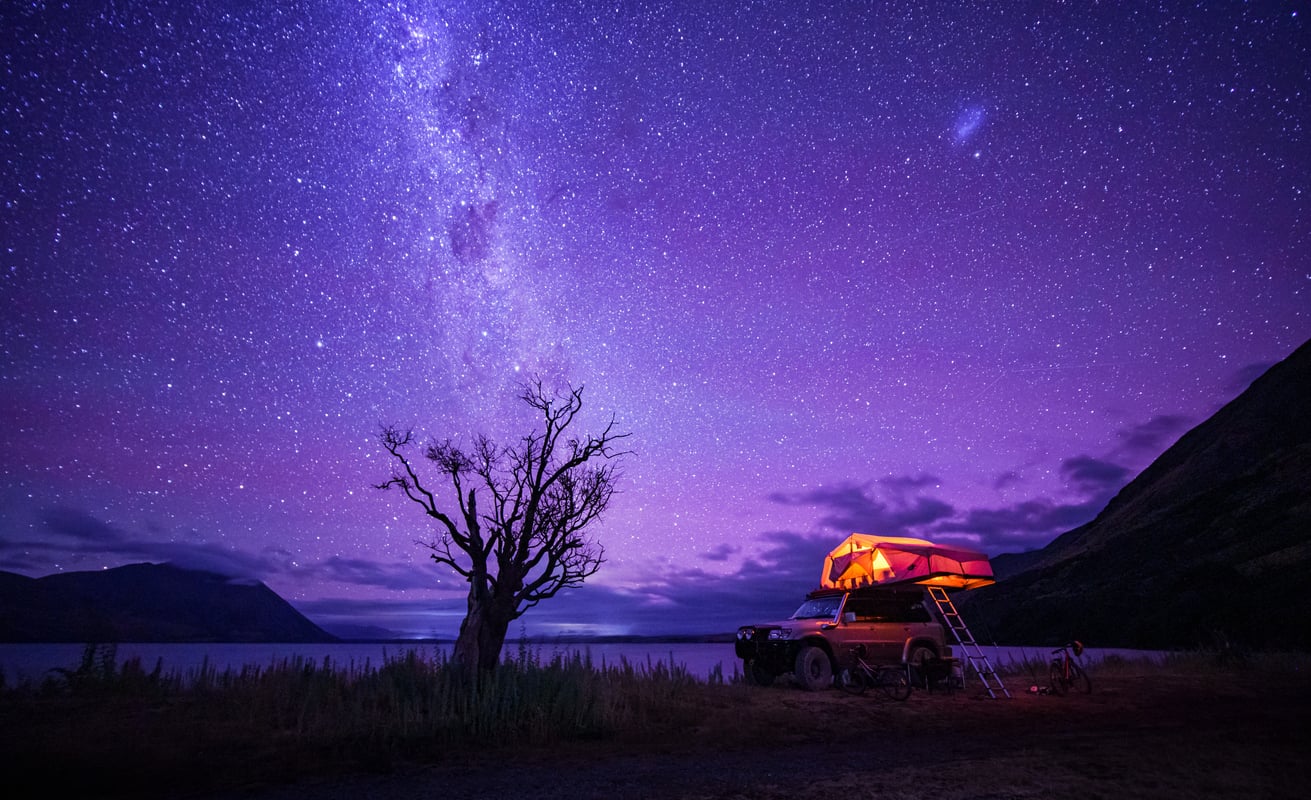
It’s hard to imagine anything more peaceful than a night under the stars, and there’s no better place to catch sight of the Milky Way than designated dark sky destinations.
These internationally recognized locations feature the ultimate conditions for the stars to shine. But where are they, and how can you find them?
Join us as we illuminate an under-appreciated corner of the travel world and answer your questions to help you find the perfect park for stargazing.
Let’s shoot for the stars!
What’s So Special about Dark Sky Parks as Destinations?
The International Dark-Sky Association (IDA) is on a mission to preserve our night skies and ensure we all have access to the heavens above. Locations must meet specific criteria to qualify. For example, the Milky Way should be visible to the naked eye, and any artificial light sources can’t create significant glare.
IDA considers these destinations Dark Sky Oases. In other words, each one is a refuge from light pollution that prevents many people from seeing the stars in their own backyards.
Before you pack your bags, you’ll want to consider a few things. Firstly, if you’re traveling primarily for views of celestial bodies, it’s best to plan your trip for the new moon. This is when Earth blocks the sun’s light each month, and you can’t see the moon.
Understanding your destination’s weather trends is also wise. Some regions experience significant fog or stormy weather during certain times of the year.
Finally, do a bit of research to figure out when special celestial events will occur. After all, these locations are ideal spots to catch meteor showers and comet sightings. It’s also important to note that things like the Milky Way aren’t visible year-round in most places, so timing is everything.
Without further ado, here are five unparalleled destinations to check out as you plan your great dark sky getaway.

#1 Big Cypress National Preserve
Sandwiched between the bustling city of Miami and the Gulf of Mexico, Big Cypress National Preserve is one of the ultimate dark sky destinations in South Florida. The property includes over 729,000 acres of swampland, marine estuary, and cypress forests. It’s the area’s last habitat for large animals like black bears and panthers.
Despite the wildlife, the unusual ecosystems here are ripe for exploration. Paddling, hiking, and scenic drives are popular ways to experience it all.
IDA named Big Cypress an International Dark Sky Place in 2016. In fact, it was the first unit in the National Park System east of Colorado to earn the distinction. Rangers now lead regular astronomy programs, where the public can practice astrophotography skills and peer at celestial bodies through high-powered telescopes. Best of all, these events are entirely free.
Best Camping Near this Dark Sky Destination
Burns Lake Campground is a small boondocking spot in Big Cypress National Preserve. It’s open from August to April and has a reputation for being quiet and peaceful, making it the perfect place for stargazing in the park.
Each site includes a picnic table and a fire ring. You’ll have access to a vault toilet but not much else. However, the real perks will be above you when you stare into the open night sky.
Before your trip to the Sunshine State, find out if Gigantic Burmese Pythons are Taking Over Florida!
#2 Cape Lookout National Seashore
If you leave Big Cypress and follow the Atlantic northward, you’ll eventually hit Carteret County, North Carolina. Just off the coast is a series of barrier islands that form the Cape Lookout National Seashore. This largely undeveloped dark sky destination is only accessible by ferry or personal watercraft.
During the day, you can fish, swim, and hunt for seashells. But once the sun goes down, the skies come alive.
Once a month, locals with the Crystal Coast Stargazers group host star parties in the park. However, as long as weather permits, you can typically see the Milky Way any night of the year without a telescope.
Best Camping Near this Dark Sky Destination
Two vehicle ferries travel between the mainland and the North and South Core Banks, the only two islands where car camping is permitted. You’ll need a rig with four-wheel drive, but small towables are usually fine. The islands have no paved roads, so prepare to traverse plenty of loose sand.
Don’t expect many amenities, and be sure to bring plenty of food and water along.
Once you arrive, you can find a campsite right on the beach and settle in for the night. As long as you don’t park on the dunes, you’ll be good to go.
#3 Enchanted Rock State Natural Area
Deep in the heart of Texas Hill Country is an unusual dark sky destination worth adding to your bucket list. Enchanted Rock State Natural Area features a massive dome made of pink granite. The structure is over one billion years old and nearly 40 stories high.
Visitors can hike, boulder, and rock climb on and around this unique geological anomaly. At the top, vernal pools appear during the rainy season and often contain tiny, translucent shrimp. When all is quiet, you can even hear the ancient rock groan and creak.
Naturally, there’s also plenty of stargazing in the park. Rangers at Enchanted Rock have hosted star parties since 2011, several years before IDA designated the location.
Best Camping Near this Dark Sky Destination
Although Enchanted Rock offers tent camping, RVers need to stay elsewhere. Lady Bird Johnson Municipal RV Park is a 25-minute drive from the stargazing destination.
Sites include full hookups, free WiFi, and a picnic table. You’ll also have access to modern restrooms, trash service, and a dump station. Additionally, there’s a huge dog park for your four-legged friends to explore. Spots can be tight, but we hear a couple of pull-thru sites are roomy enough for big rigs.
Searching for other cosmic phenomena? Here are 7 Places to See UFOs on Your RV Trip!
#4 Bryce Canyon National Park
Bryce Canyon National Park isn’t just one of Utah’s most popular tourist spots. It’s also a Gold Tier Dark Sky Destination. And once you get there, it’s easy to see why.
Otherworldly geological formations called hoodoos dot the landscape along numerous natural amphitheaters carved into the high plateau. During your time here, you can learn more about the area’s history through guided geology walks, full moon hikes, and other ranger-led activities.
The stargazing game in the park is strong, with about 100 planned activities each year. You can even attend the Annual Astronomy Festival, which takes place every June during the new moon.
Best Camping Near this Dark Sky Destination
We can’t think of a better way to enjoy the night sky in Bryce Canyon than by staying on-site at the North Campground. This location has dry camping and tent spots. While you may not have electrical hookups, you’ll have plenty of other amenities, such as flush toilets, a dump station, and trash service.
There’s also a general store where you can pick up firewood and other last-minute necessities.

#5 Great Sand Dunes National Park and Preserve
Our final dark sky destination takes us to a pristine location in Southern Colorado. Great Sand Dunes National Park is one of the quietest NPS units, making it a must-see for stargazing in peace.
The unusual landscape includes North America’s largest sand dunes. Admiring them with the snow-capped Sangre de Cristo Mountains in the background, you might wonder what planet you’re on.
Of course, there’s no shortage of activities in the park, day or night. Hiking and sledding down the dunes are excellent ways to enjoy the area. You can also see a wide range of flora and fauna that make their homes here. At night, you can see the Milky Way with the naked eye. Remember to plan your trip between spring and early fall for the best views.
Best Camping Near this Dark Sky Destination
The San Luis Lakes Campground is just down the road from Great Sand Dunes National Park. Many spots are big-rig friendly and include electrical hookups, picnic tables, and fire rings. Additionally, you can access modern restrooms, laundry facilities, and the on-site dump station.
Best of all, it’s free to camp here with a Colorado State Wildlife Area pass.
Grab a copy of National Geographic Stargazer’s Atlas: The Ultimate Guide to the Night Sky!
These Dark Sky Destinations Shine!
From coast to coast, you can visit plenty of gorgeous dark sky destinations where it’s easy to admire the heavens. In fact, these are just a few of the 90 IDA-designated parks in the US. With so many options, you should be able to find the perfect park for stargazing.
As you plan your next big adventure, be sure to keep your nighttime activities in mind. You just might find something worth heading outside for!
We’ll Help You Find the Best Free Camping in the USA
You should give it a try!
As a matter of fact, these free campsites are yours to enjoy. Every time you pay federal taxes, you’re contributing to these lands.
Become a FREE CAMPING INSIDER and join the 100,000 campers who love to score the best site!
We’ll send you the 50 Best Free Campsites in the USA (one per state). Access the list by submitting your email below: