The inside scoop on towing with crossover SUVs.
Let’s face it: not all of us want to drive a behemoth truck that drinks fuel like it’s at an all-you-can-guzzle gas station buffet. My wife and I have been on countless road trips, and we’ve come to appreciate the sweet spot between power and practicality.
Enter the crossover SUV—the unsung hero that combines the comfort of a car with the muscle to tow your camper trailer without making you feel like you’re steering a cruise ship on wheels.
If you’re itching to hit the open road but aren’t keen on piloting a land yacht, you’re in the right place. We’ve done the legwork (and the test drives) to bring you the five best crossover SUVs for towing camper trailers this year.
So grab a cup of coffee—or something stronger if you’re already stressed about hitching up—and let’s jump into the nitty-gritty of towing without the tonnage.
What To Look For in a Crossover for Towing This Year
Before you get seduced by glossy brochures and dealership promises, it’s crucial to understand the alphabet soup of towing jargon.
Trust me, nothing deflates a road trip faster than realizing you’ve overloaded your vehicle because GVWR and GCWR sounded like random Scrabble tiles.
Let’s break down these terms so you can tow with confidence—and avoid turning your adventure into a cautionary tale.
Gross Vehicle Weight (GVW)
This is the actual weight of your fully loaded vehicle. Imagine your crossover packed to the brim with passengers, fuel, luggage, and perhaps that collection of “World’s Best Dad” mugs you’ve inexplicably amassed. The GVW is the sum total of all that, excluding the trailer you’re towing.
Gross Trailer Weight (GTW)
GTW refers to the total weight of your trailer when it’s fully loaded. That means everything from the camper itself to the canned beans in the pantry and the extra lawn chairs you packed “just in case.” It’s the whole shebang hitched to your vehicle.
Gross Vehicle Weight Rating (GVWR)
Think of the GVWR as your vehicle’s maximum carrying capacity. It’s the highest permissible weight of your vehicle when fully loaded, including passengers and cargo but not the trailer. Exceeding this limit isn’t just a warranty-voiding move; it’s a safety hazard that could make your brakes as effective as using your feet Fred Flintstone–style.
Gross Combination Weight Rating (GCWR)
The GCWR is the maximum allowable weight of your vehicle plus your trailer and everything in both of them. It’s the sum of your GVWR and GTW. Surpassing this limit is like overloading a donkey; eventually, something’s going to give, and it won’t be pretty—or cheap to fix.
Why These Numbers Matter
Understanding these terms isn’t just academic; it’s the foundation of safe towing. Overloading your vehicle can strain your engine, transmission, brakes, and suspension, leading to mechanical failures and dangerous driving conditions. Plus, if you’re involved in an accident while exceeding weight limits, insurance companies may deny your claim faster than you can say “deductible.”
So, before you hitch up and head out, take the time to calculate these weights. Read your vehicle’s manual, check the door jamb stickers, and perhaps invest in a good quality scale for your trailer. Your future self—and your wallet—will thank you.
How Big of an RV Can I Tow With a Crossover?
The million-dollar question—or at least, the several-thousand-dollar one. The size of the RV you can tow with a crossover SUV largely depends on the specific towing capacity of the vehicle, which can vary widely between models and configurations.
Towing Capacity Basics
Most crossover SUVs have towing capacities ranging from 3,500 pounds to upwards of 8,700 pounds. This means you won’t be towing a three-axle luxury fifth wheel, but you can comfortably handle a variety of camper trailers, pop-up campers, and smaller travel trailers.
Do the Math
Suppose your crossover has a towing capacity of 5,000 pounds. You’ll want to select a camper with a Gross Trailer Weight (GTW) well below that—let’s say around 4,000 pounds fully loaded. This buffer accounts for additional cargo you might add and ensures you’re not pushing your vehicle to its limits.
Consider the Tongue Weight
Don’t forget about tongue weight, which is the downward force exerted on the hitch by the trailer. Ideally, it should be about 10-15% of your GTW. Exceeding your vehicle’s maximum tongue weight can affect steering and braking, making your ride more exciting than you’d like.
Our Experience
From our travels, we’ve found that sticking to lightweight travel trailers or well-equipped pop-ups offers the best balance between comfort and safety. We once tried towing a heavier trailer with an underpowered SUV—it didn’t end well.
Let’s just say uphill climbs became impromptu meditation sessions focused on patience and the power of positive thinking.
The Bottom Line
Always consult both your vehicle’s manual and the trailer’s specifications. When in doubt, err on the side of caution. After all, the goal is to enjoy the journey, not to white-knuckle your way through it.
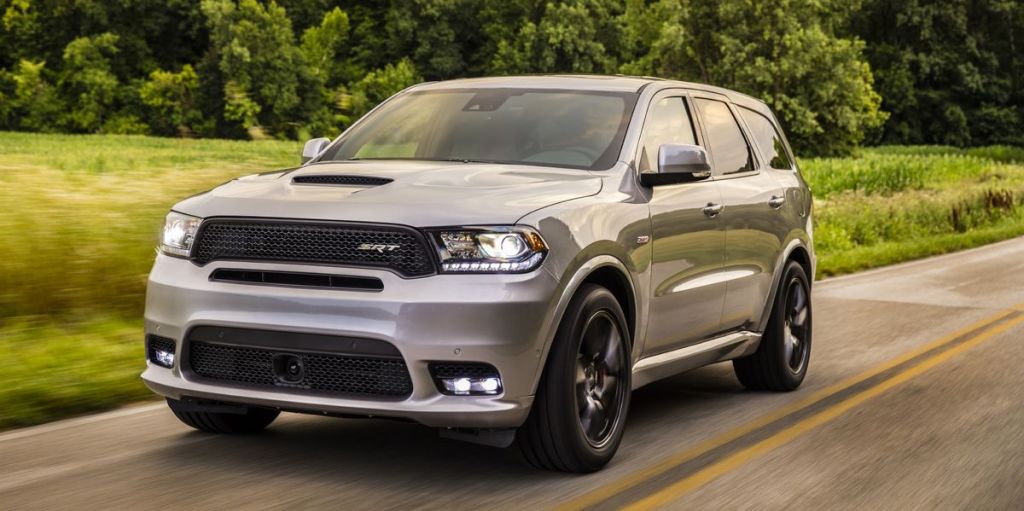
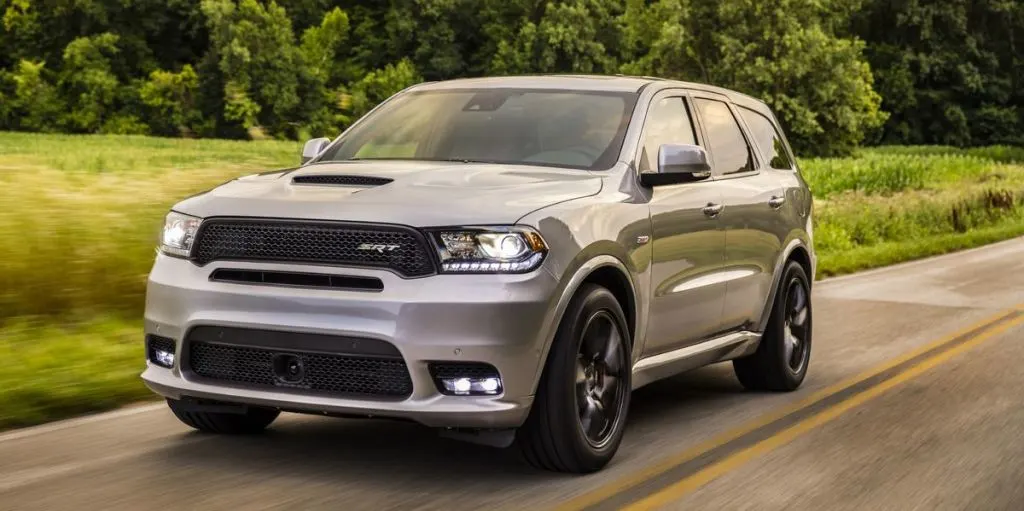
1. Dodge Durango
MSRP: Starting at $33,877
Towing Capacity: Up to 8,700 lbs
Off-Grid Capability: ⭐⭐⭐⭐☆ (8/10)
Vibe Scale Rating: ⭐⭐⭐⭐⭐ (9/10)
The Dodge Durango is like the superhero of crossover SUVs—mild-mannered on the outside, but with enough power under the hood to make towing feel like a breeze.
The Muscle Car of Crossovers
Equipped with an available 5.7L HEMI® V8 engine, the Durango doesn’t just tow; it hauls. With a best-in-class towing capacity of up to 8,700 pounds when properly equipped, this SUV laughs in the face of heavy loads.
My Experience
We first took the Durango on a mountainous trip to the Rockies, towing our mid-sized camper trailer that weighs around 6,500 pounds fully loaded. The Durango handled the steep inclines and winding roads with aplomb. Acceleration was smooth, and overtaking slower vehicles didn’t require a prayer and a pedal stomp.
The interior comfort was a pleasant surprise. With ample legroom and supportive seats, long drives didn’t result in the usual stiffness and regret. The Uconnect® infotainment system kept us entertained and navigated us away from potential detours that could have ended in “No Outlet” signs.
Off-Grid Capability
With available all-wheel drive and a decent ground clearance, the Durango isn’t afraid to venture off the pavement. While it’s not a rock-crawling Jeep, it can handle gravel roads, muddy campsites, and the occasional shallow creek crossing without turning into a cautionary tale.
The Vibe
The Durango exudes confidence without arrogance. It’s the kind of vehicle that makes you feel secure towing a hefty load but doesn’t scream “Look at me, I’m compensating for something!” It’s reliable, powerful, and surprisingly stylish.
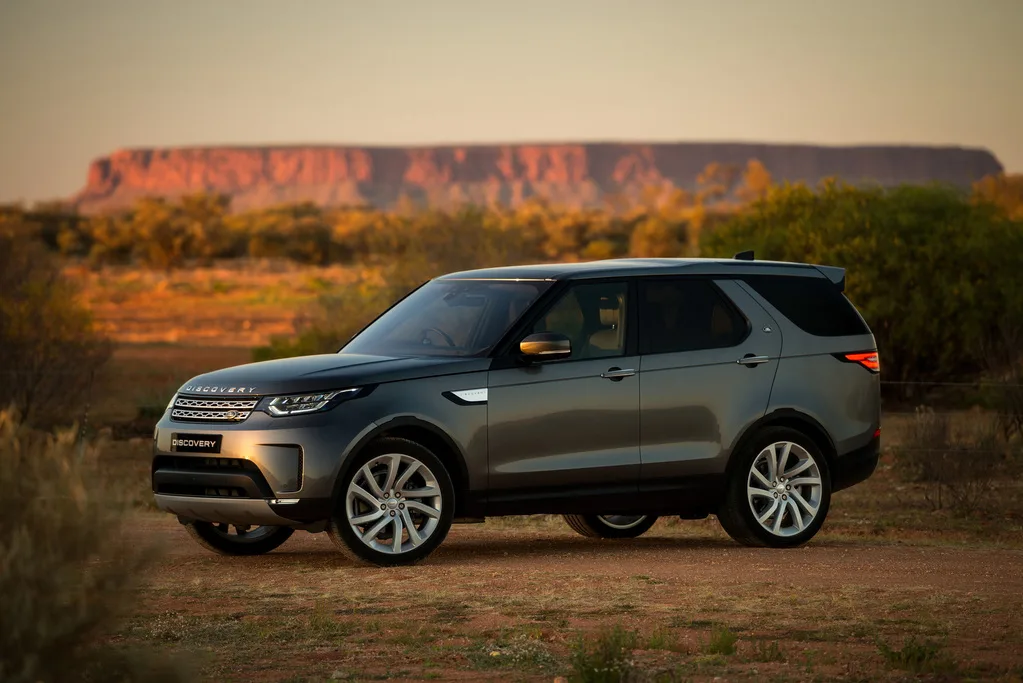
2. Land Rover Discovery
MSRP: Starting at $56,600
Towing Capacity: Up to 8,201 lbs
Off-Grid Capability: ⭐⭐⭐⭐⭐ (10/10)
Vibe Scale Rating: ⭐⭐⭐⭐☆ (8/10)
If James Bond ever decided to retire and take up camping, the Land Rover Discovery would be his tow vehicle of choice. It’s the epitome of British luxury meets rugged capability.
Luxury Meets Muscle
Underneath its refined exterior lies a beast capable of towing up to 8,201 pounds. The Discovery offers a diesel engine option that provides ample torque, making it a towing powerhouse while sipping fuel more efficiently than its gas-guzzling counterparts.
My Experience
We had the opportunity to test drive a Discovery during a glamping trip (yes, glamping—don’t judge). Towing our 7,000-pound luxury camper, the Discovery made the journey feel like a leisurely drive through the countryside.
The interior is nothing short of opulent. High-quality materials, adjustable ambient lighting, and seats that feel like they’re hugging you make for an indulgent experience. My wife was particularly enamored with the panoramic sunroof, which provided stargazing opportunities without the need to step outside and confront the elements—or the mosquitoes.
Off-Grid Capability
This is where the Discovery truly shines. With its advanced Terrain Response® 2 system, the vehicle adjusts throttle response, suspension settings, and traction control based on the terrain—be it mud, sand, or snow. We ventured onto some challenging trails, and the Discovery handled them with the grace of a ballet dancer and the grit of a prizefighter.
The Vibe
The Discovery is for those who refuse to compromise on comfort while demanding top-tier performance. It’s luxurious without being ostentatious and rugged without sacrificing sophistication. The higher price tag is the only downside, but if your budget allows, it’s a worthy investment.

3. Jeep Grand Cherokee
MSRP: Starting at $37,785
Towing Capacity: Up to 7,200 lbs
Off-Grid Capability: ⭐⭐⭐⭐⭐ (9/10)
Vibe Scale Rating: ⭐⭐⭐⭐☆ (8/10)
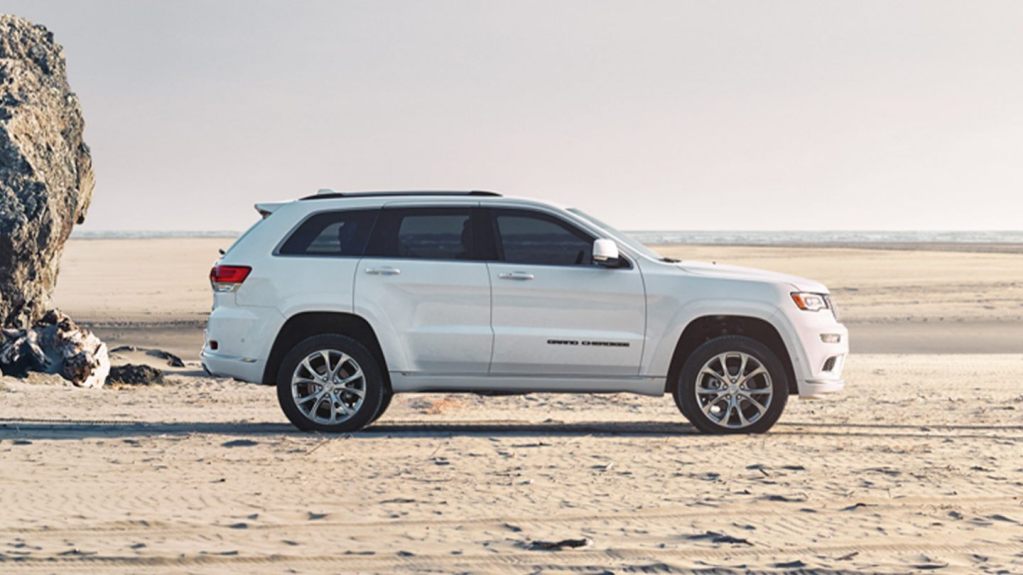
The Jeep Grand Cherokee is the adventurous soul’s dream—combining respectable towing capacity with off-road prowess, all wrapped up in a package that’s as comfortable on city streets as it is on mountain trails.
The All-Rounder
With a towing capacity of up to 7,200 pounds when equipped with the 5.7L V8 engine, the Grand Cherokee is no slouch. It’s versatile, reliable, and has a storied reputation for off-road capability.
My Experience
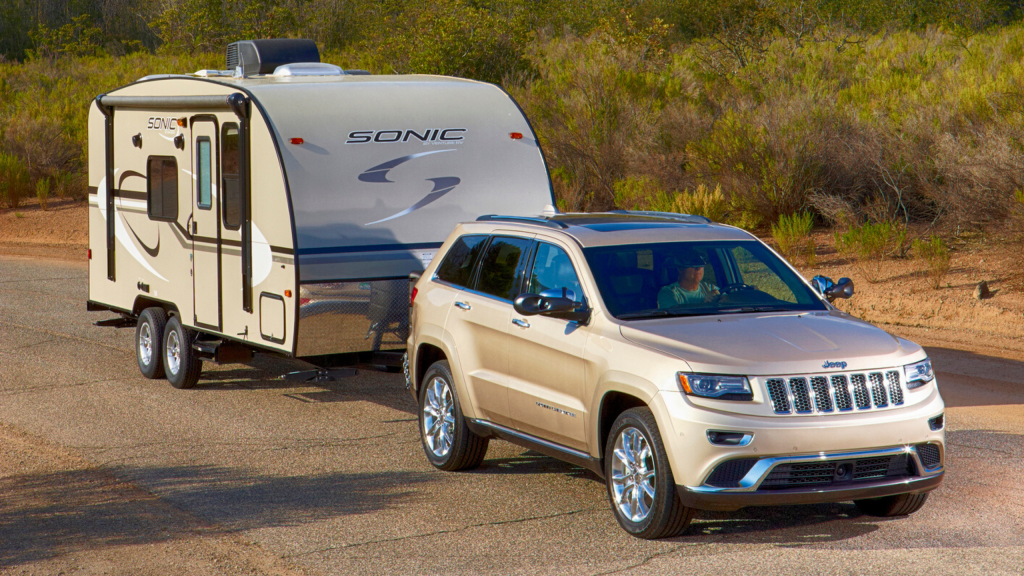
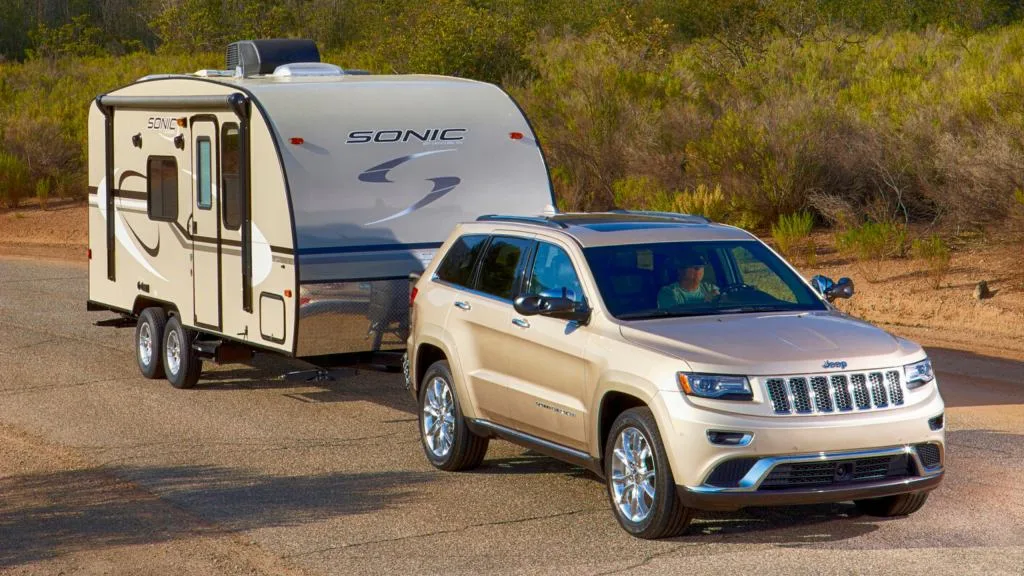
We took the Grand Cherokee on a desert expedition, towing a lightweight Airstream trailer weighing about 5,000 pounds. The vehicle handled highway speeds and desert winds without any drama. The 3.6L V6 engine in our model provided sufficient power, though if you’re towing closer to its maximum capacity, opting for the V8 might be wise.
The interior strikes a balance between comfort and functionality. The infotainment system was user-friendly, and the seats remained comfortable even after hours of driving. Our dog appreciated the rear ventilation vents—a feature not all SUVs consider.
Off-Grid Capability
This is where the Grand Cherokee earns its stripes. With the available Quadra-Trac II® 4×4 system and Selec-Terrain® Traction Management, we confidently tackled sandy paths and uneven terrain. The vehicle’s ground clearance and suspension made rough roads feel surprisingly smooth.
The Vibe
The Grand Cherokee is for those who seek adventure without sacrificing everyday usability. It’s the kind of vehicle that doesn’t mind getting its tires dirty but cleans up nicely for a night out in town. It’s dependable, capable, and carries the Jeep legacy with pride.
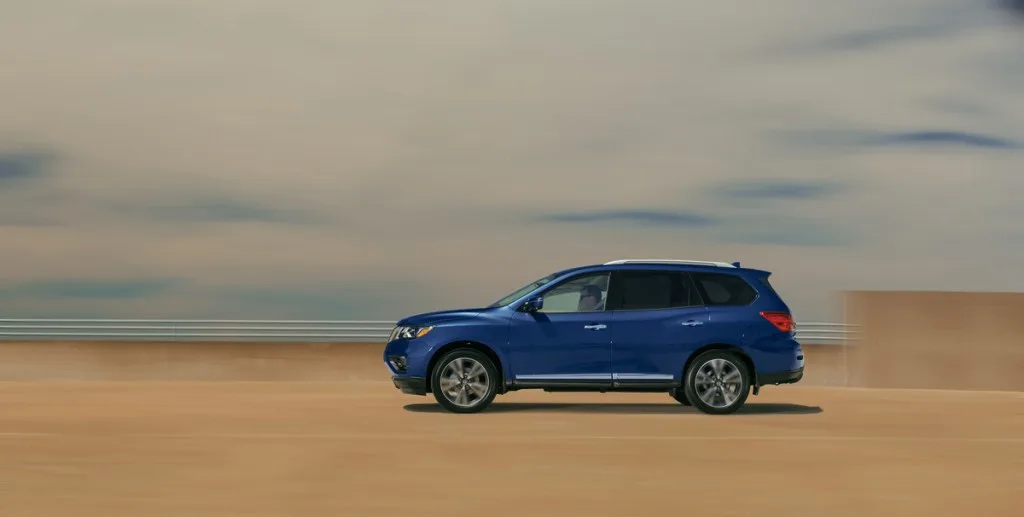
4. Nissan Pathfinder
MSRP: Starting at $33,410
Towing Capacity: Up to 6,000 lbs
Off-Grid Capability: ⭐⭐⭐☆☆ (6/10)
Vibe Scale Rating: ⭐⭐⭐☆☆ (7/10)
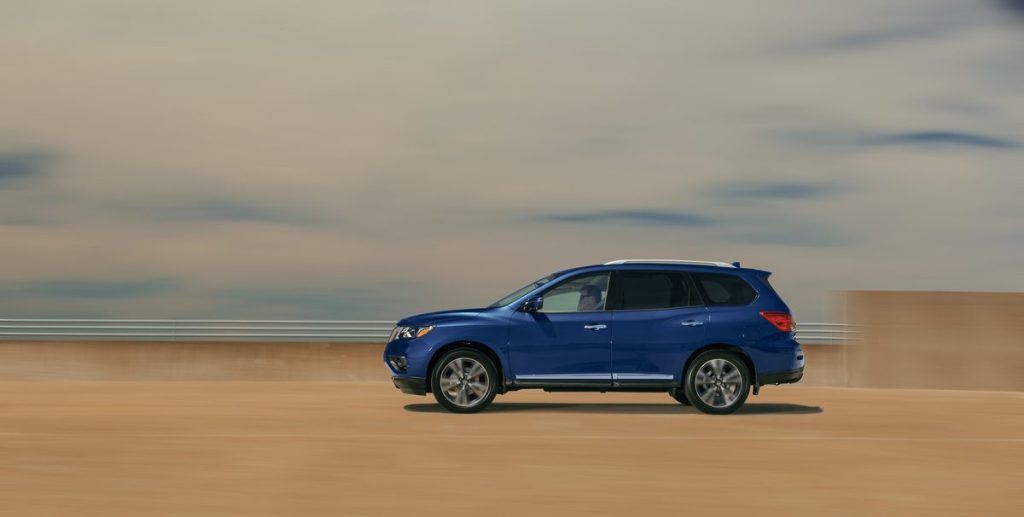
The Nissan Pathfinder is the unsung hero of family SUVs. It’s practical, comfortable, and offers a respectable towing capacity without breaking the bank.
The Practical Choice
With a towing capacity of up to 6,000 pounds, the Pathfinder is suitable for smaller camper trailers and boats. It’s powered by a 3.5L V6 engine that provides adequate performance for most towing needs.
My Experience
We borrowed a Pathfinder for a weekend getaway to a lakeside campground, towing a 4,500-pound pop-up camper. On flat highways, the Pathfinder performed admirably. However, on steeper inclines, the engine felt a bit strained, and we had to plan our overtaking maneuvers carefully.
The interior is spacious and family-friendly. The third-row seating is a plus for larger groups, though it does cut into cargo space when in use. The infotainment system was functional but felt dated compared to competitors.
Off-Grid Capability
The Pathfinder offers Intelligent 4×4 with selectable driving modes, but it’s more suited to gravel roads and light off-roading. Don’t expect it to tackle challenging trails or deep mud without protest.
The Vibe
The Pathfinder is the sensible choice for families who need versatility without a hefty price tag. It’s not flashy or particularly thrilling, but it gets the job done with minimal fuss.
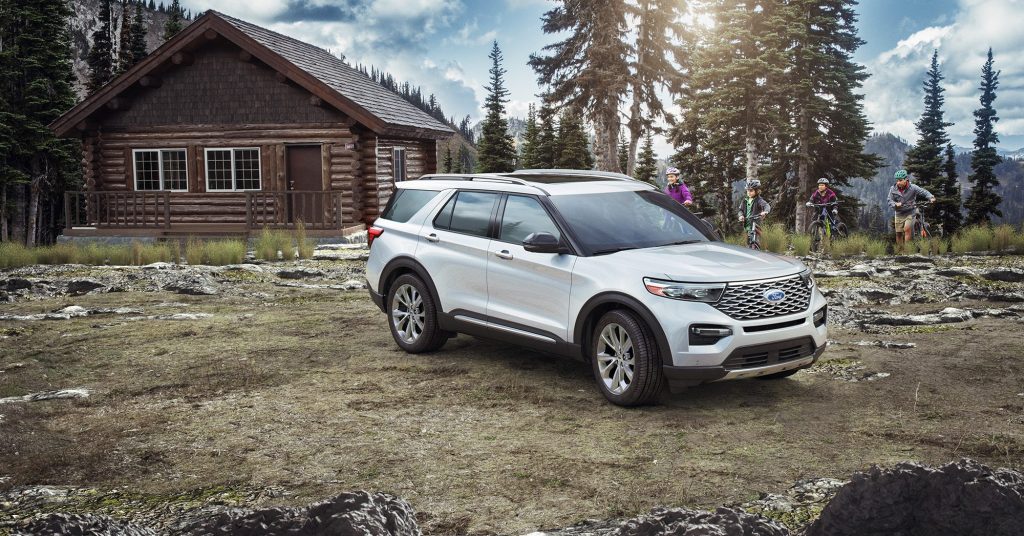
5. Ford Explorer
MSRP: Starting at $32,925
Towing Capacity: Up to 5,600 lbs
Off-Grid Capability: ⭐⭐⭐⭐☆ (8/10)
Vibe Scale Rating: ⭐⭐⭐⭐☆ (8/10)
The Ford Explorer has been a staple in the SUV market for decades, continually evolving to meet modern needs. It’s versatile, comfortable, and offers enough towing capacity for light to medium loads.
The Versatile Veteran
With a towing capacity of up to 5,600 pounds when properly equipped, the Explorer is ideal for small camper trailers and recreational toys like ATVs and jet skis.
My Experience
We took the Explorer on a cross-country road trip, towing a 4,000-pound vintage trailer. The 2.3L EcoBoost® engine surprised us with its pep and fuel efficiency. Acceleration was smooth, and the vehicle remained stable even when passing large trucks.
Inside, the Explorer offers a comfortable cabin with plenty of tech features. The SYNC® 3 infotainment system was intuitive, and the driver-assist features like adaptive cruise control made long stretches of highway more bearable.
Off-Grid Capability
Equipped with the Terrain Management System™, the Explorer can handle a variety of conditions. We ventured onto some muddy campground roads without issue. While it’s not a hardcore off-roader, it provides enough capability for most outdoor adventures.
The Vibe
The Explorer is the reliable friend who’s always up for anything. It’s not the most exciting option, but it offers a balanced mix of comfort, capability, and value.
Which Crossover SUV Is Good for You?
Choosing the right crossover SUV for towing comes down to assessing your specific needs, budget, and preferences. Here’s a quick rundown to help you decide:
- Dodge Durango: Ideal for those who need maximum towing capacity without moving into full-size SUV territory. It’s powerful and offers good value for its capabilities.
- Land Rover Discovery: Perfect for those who desire luxury and advanced off-road features. If budget isn’t a constraint, it’s hard to beat.
- Jeep Grand Cherokee: A great all-around choice for adventure enthusiasts who need reliable towing and off-road capabilities without sacrificing daily drivability.
- Nissan Pathfinder: Suitable for families seeking practicality and comfort for light to moderate towing needs. It’s budget-friendly but less exciting.
- Ford Explorer: Excellent for those who value versatility and modern tech features. It offers decent towing capacity and a comfortable ride.
Crossover SUVs Can Be Great for Camping Trips
In our travels, the vehicle that stands out is the one that makes the journey as enjoyable as the destination. For us, the Jeep Grand Cherokee strikes the right balance between capability and comfort. But your mileage may vary—literally and figuratively.
Remember to consider not just towing capacity but also features like fuel efficiency, interior comfort, safety tech, and off-road capabilities. Take test drives, ask questions, and perhaps even rent one for a weekend to get a real feel.
At the end of the day, the best crossover SUV is the one that fits seamlessly into your lifestyle and inspires you to explore new horizons—without leaving parts of your vehicle (or your sanity) behind.
PRO TIP: The 7 Most Powerful Trucks in the USA – Perfect for Towing
We’ll Help You Find the Best Free Camping in the USA
You should give it a try!
As a matter of fact, these free campsites are yours to enjoy. Every time you pay federal taxes, you’re contributing to these lands.
Become a FREE CAMPING INSIDER and join the 100,000 campers who love to score the best site!
We’ll send you the 50 Best Free Campsites in the USA (one per state). Access the list by submitting your email below: