RV living is a seductive siren song luring us away from our mundane routines and into a life of adventure, freedom, and, let’s be honest, questionable hygiene. If you’ve ever found yourself scrolling through social media, green with envy at influencers lounging in their perfectly decorated camper vans, you’ve probably considered the RV life.
But before you trade your stationary home for a house on wheels, there’s a whole new language you need to learn. Because nothing says “rookie” louder than confusing your gray water with your black water while your campground neighbors look on in horror.
Here are 21 RV terms you absolutely must know, delivered with just the right mix of education, wit, and a dash of snark to keep things interesting.
The 21 RV Terms You Must Know
- Boondocking
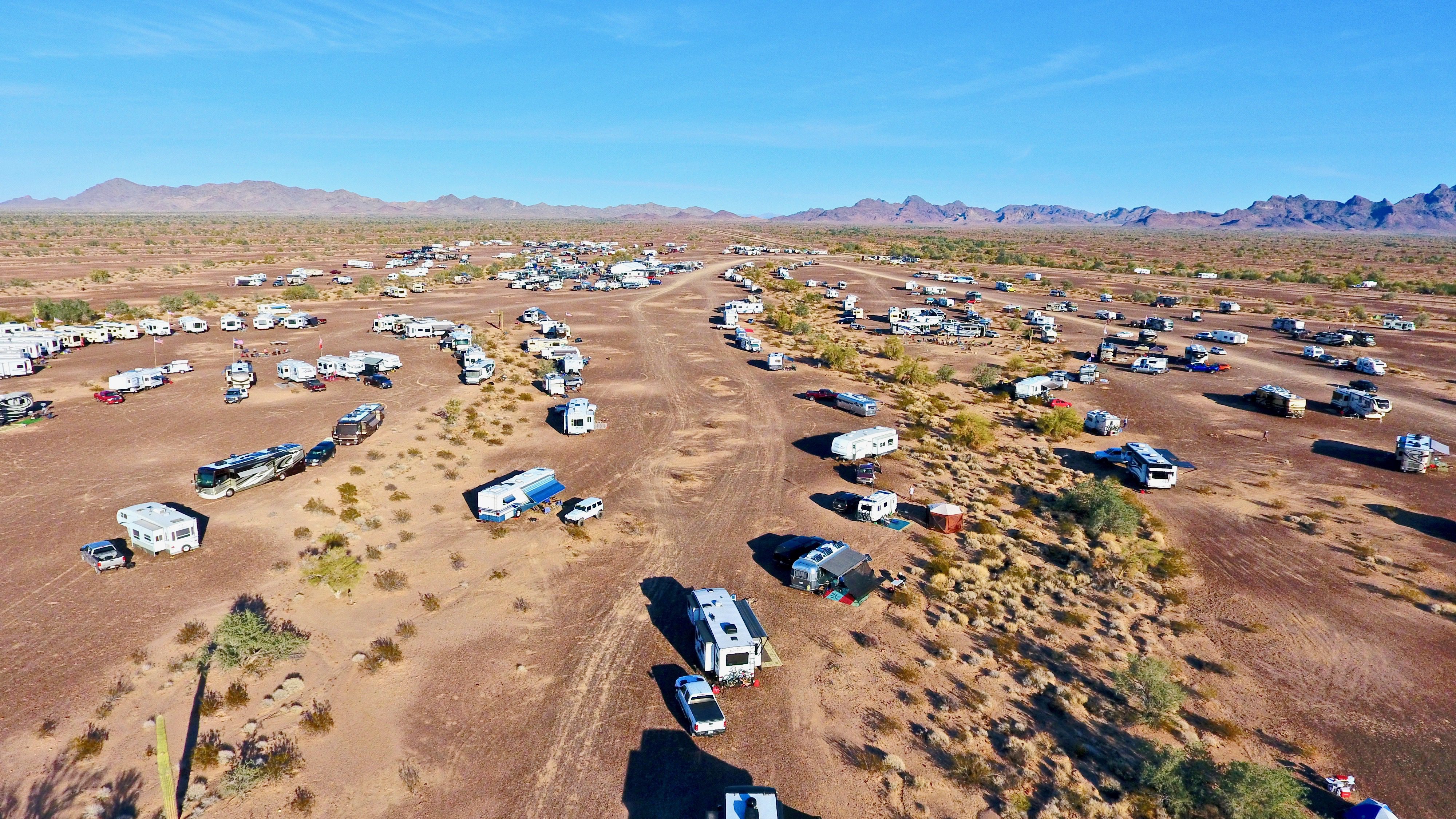
Let’s start with a term that sounds like it was pulled from a pirate’s glossary. Boondocking is the art—or perhaps the madness—of camping without any hookups. No water, no electricity, no sewer. It’s just you, your RV, and the unforgiving wilderness that couldn’t care less about your Wi-Fi signal.
Boondocking is for those who scoff at the comforts of campgrounds and prefer to test the limits of their self-reliance. “Who needs amenities?” they say, as they ration their last gallon of water and pray their solar panels soak up enough juice to power the coffee maker. It’s a romantic notion until you’re three days in and realize you’ve underestimated your need for modern conveniences.
But hey, nothing beats the view of a star-studded sky unmarred by city lights. Just remember, nature is beautiful but indifferent—so plan accordingly.
- Gray Water
The less nefarious sibling in the wastewater family. This is the used water from your sinks and showers. It’s the soapy runoff from washing dishes and the murky aftermath of your attempts to scrub off the day’s grime in a shower the size of a broom closet.
While gray water isn’t as toxic as its infamous counterpart, black water, you can’t just dump it wherever you please. Doing so could earn you a fine hefty enough to make you reconsider your life choices. Plus, it’s just bad form. No one wants to step outside their RV into a puddle of your leftover dishwater. Dispose of it properly, and you’ll avoid both legal troubles and the wrath of fellow campers.
- Black Water
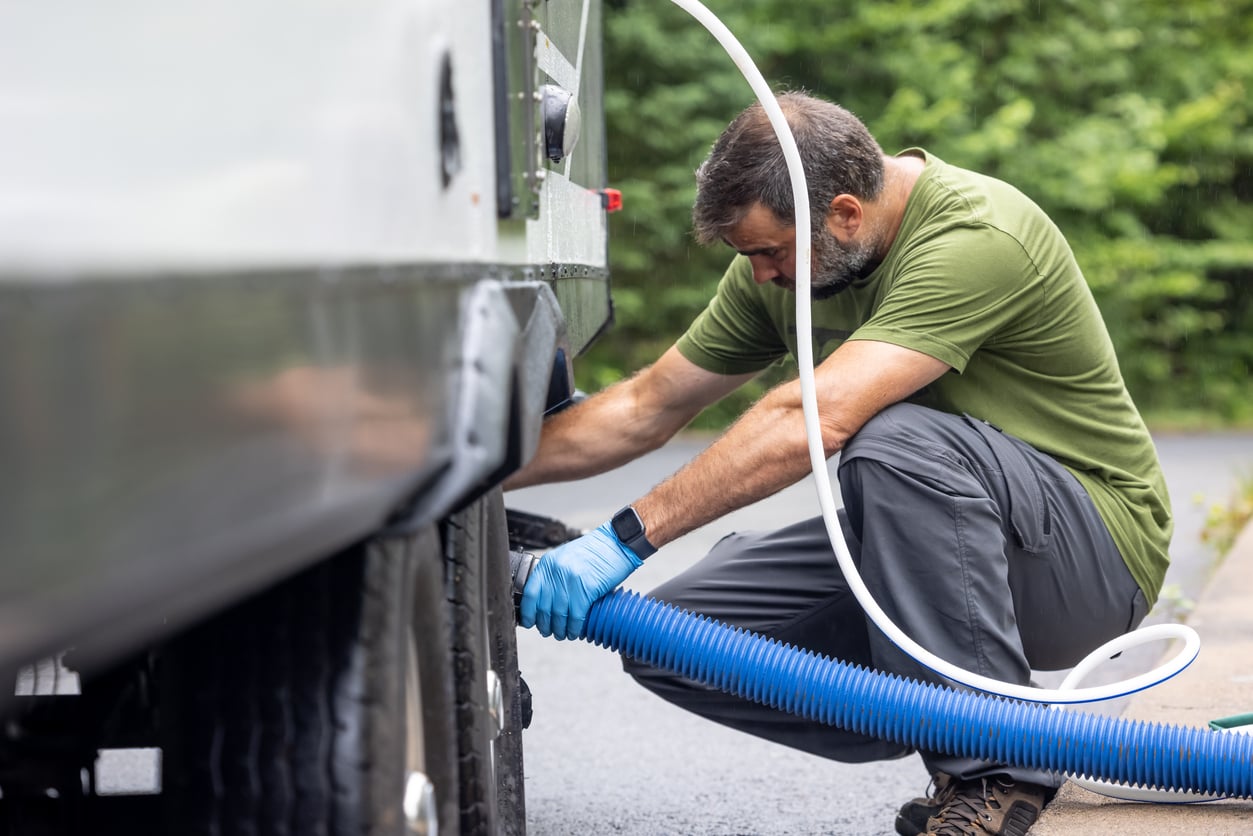
Speaking of black water, let’s dive into the tank of horrors. This is where all your toilet waste goes—a delightful concoction of everything you hoped to leave behind, both literally and metaphorically. Managing your black water tank is the unglamorous flip side of RV life, but neglect it at your peril.
Failure to properly maintain this tank can result in smells that would make a skunk retch and situations that could turn your road trip into a scene from a disaster movie. Remember the phrase “poop pyramid” and shudder accordingly. Regular dumping and proper chemical treatments are your friends here. It’s a dirty job, but unless you have a very understanding travel companion willing to take on the task, it’s yours.
- Full Hookup
If boondocking is the minimalist’s dream (or nightmare), then a full hookup is the Ritz-Carlton of RV camping. It means your campsite provides connections for electricity, water, and sewer. It’s the holy trinity that allows you to use all your RV’s features without worrying about draining batteries or filling tanks.
With a full hookup, you can take that long, hot shower, binge-watch your favorite shows, and cook a gourmet meal—all while smugly glancing at the boondockers who are calculating how many amps they have left. Just don’t get too complacent; overloading the electrical system because you wanted to microwave a Hot Pocket while blow-drying your hair can still trip breakers and leave you in the dark.
- Slide-out
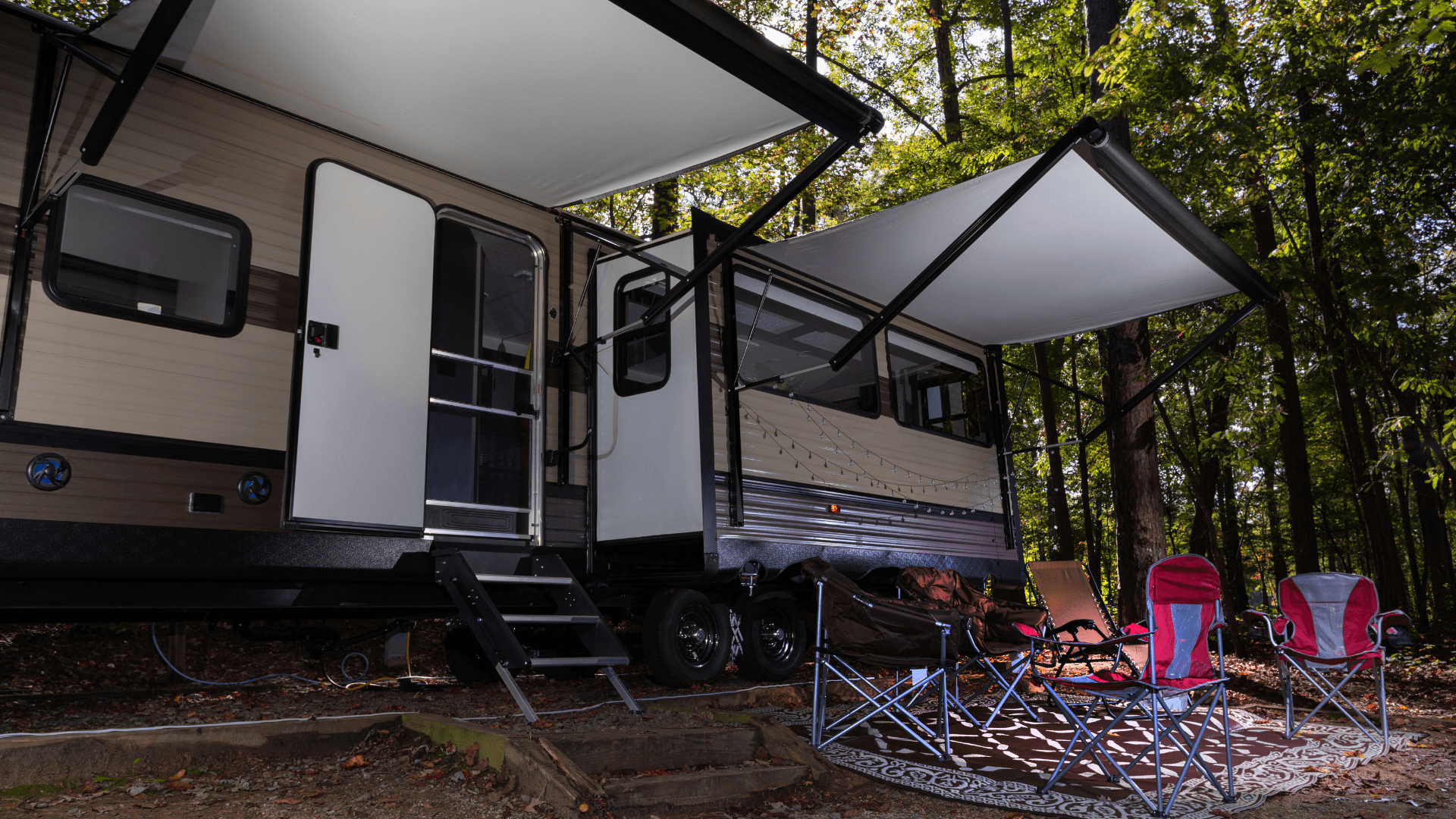
Ever wish your RV could expand like a pufferfish when parked? Enter the slide-out—a section of the RV that extends outward to provide additional living space. It’s like your RV is taking a deep breath and saying, “Ah, that’s better.”
Slide-outs can significantly increase your living area, making your mobile home feel less like a tin can and more like a cozy retreat. But with great space comes great responsibility. Forget to retract your slide-out before hitting the road, and you’ll quickly become the main character in someone else’s viral dashcam video. And let’s not even get started on the maintenance—because nothing says fun like troubleshooting a malfunctioning slide-out in the pouring rain.
- Tow Rating
This is the manufacturer’s specified maximum weight that your vehicle can safely tow. Ignore this number at your own risk. Overloading your vehicle isn’t just bad for your engine; it’s a surefire way to star in your own roadside catastrophe.
Imagine chugging up a steep incline when your vehicle decides it’s had enough, or worse, careening downhill with brakes that are no longer up to the task. Not exactly the stuff of idyllic travel blogs. So before you hitch up that mammoth fifth wheel to your midsize SUV, double-check the tow rating. Your engine—and everyone else on the road—will thank you.
PRO TIP: Hitch and Go: 5 Best Crossover SUVs for Towing Camper Trailers This Year
- Dry Weight
Dry weight is the weight of your RV without any cargo, passengers, fuel, water, or that collection of “essential” items you insisted on bringing (do you really need a bread maker on the road?). Manufacturers love to flaunt this number because it makes their RVs seem lighter and more fuel-efficient.
But let’s be real. Once you load up with gear, fill the tanks, and invite your friends along, that dry weight becomes a distant memory. Knowing the dry weight is a starting point, but calculating the actual weight of your loaded RV is crucial to ensure you’re not overloading your vehicle and flirting with mechanical failure or legal issues.
- GVWR (Gross Vehicle Weight Rating)
This is the maximum operating weight of your RV as specified by the manufacturer, including the vehicle itself, passengers, cargo, fluids—everything. Exceeding the GVWR isn’t just dangerous; it’s illegal.
Ignoring this limit can lead to tire blowouts, brake failures, and suspension issues—all of which can turn your dream trip into a nightmare. So before you pack those extra “just in case” items, consider whether you really need them. Minimalism isn’t just trendy; it’s a safety measure.
- Tongue Weight
No, it’s not a term from your last dental visit. Tongue weight refers to the downward force that the tongue of the trailer applies to the hitch of the tow vehicle. It’s a crucial factor for safe towing.
Too little tongue weight, and your trailer might sway uncontrollably, turning your drive into a white-knuckle ordeal. Too much, and you could overload your vehicle’s rear axle, leading to steering issues. Achieving the right balance is a delicate dance—kind of like trying to find the perfect spot for the pickle jar in your RV fridge so it doesn’t smash on the next sharp turn.
- Fifth Wheel
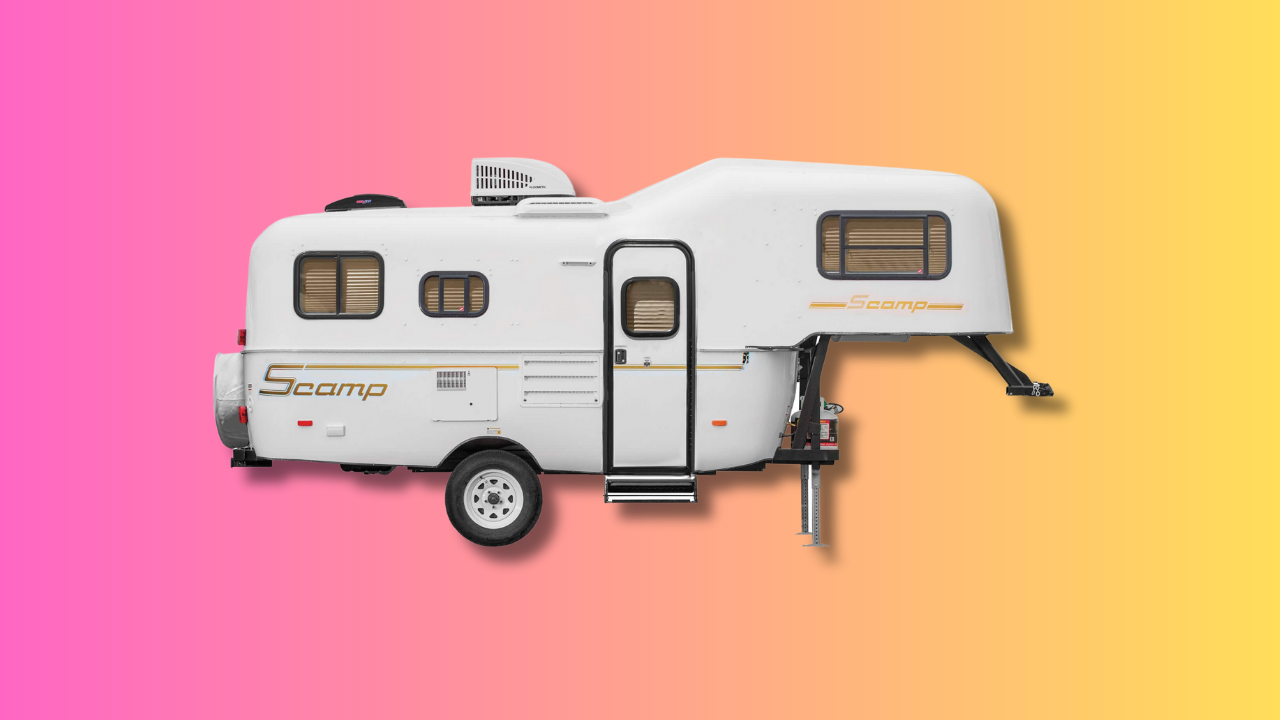
Despite the misleading name, it doesn’t involve an extra tire or being a third wheel on a date. A fifth wheel is a type of RV that’s towed using a special hitch mounted in the bed of a pickup truck. They’re known for their bi-level designs and spacious interiors.
If you’re the kind of person who wants to bring your entire house along for the ride—including that recliner you can’t live without—a fifth wheel might be your ideal match. Just be prepared for the logistics of towing something that large, like navigating gas stations without taking out a pump or two.
- Class A RV
These are the big boys—the bus-sized behemoths that make you wonder if the driver has a commercial license (spoiler: they usually don’t). Class A RVs are the epitome of motorhome luxury, often featuring full-size appliances, multiple slide-outs, and more amenities than some apartments.
Driving one is a unique experience, somewhere between piloting a cruise ship and steering a parade float. Parking? Let’s just say you’ll become intimately familiar with the far corners of every parking lot. And fuel economy? Well, let’s hope you have a robust budget for gasoline—or a small oil well.
- Class B RV
Also known as camper vans, Class B RVs are the compact, nimble option for those who value mobility over space. They’re perfect for solo travelers or couples who have fully embraced minimalism—or at least are willing to fake it for Instagram.
Don’t expect to host dinner parties, but do expect to learn the fine art of organization, as every square inch counts. On the plus side, you’ll fit into regular parking spots and won’t need a co-pilot to navigate narrow roads. And let’s face it, there’s something inherently cool about van life, even if you can’t stand up straight inside.
- Class C RV
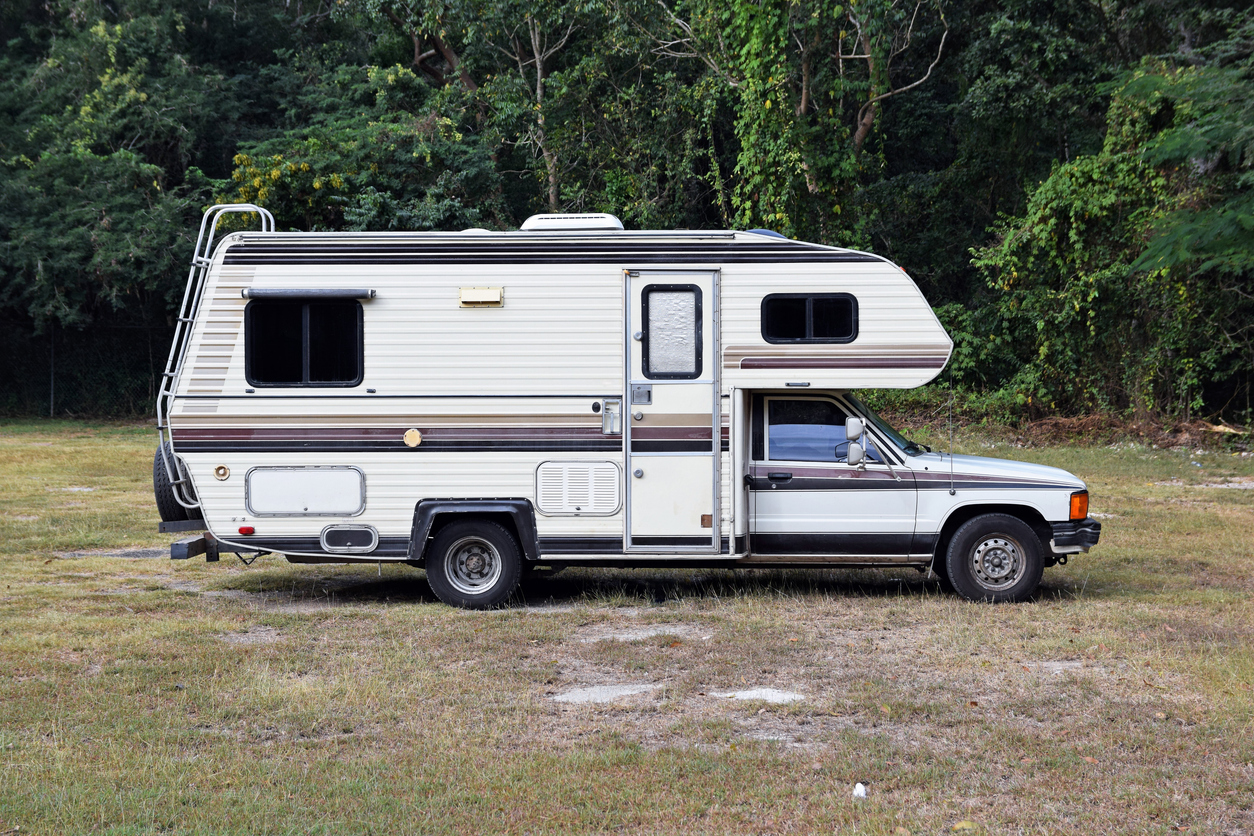
These are the Goldilocks of motorhomes—not too big, not too small. Recognizable by their over-cab sleeping areas, Class C RVs offer a balance of space and drivability. They’re a popular choice for families who want the conveniences of home without the hassle of towing a trailer.
Driving a Class C is less intimidating than a Class A but offers more amenities than a Class B. Think of it as the minivan of RVs—practical, comfortable, and just a little bit uncool, but in a reliable sort of way.
- Chassis
This is the frame upon which your RV is built—the skeleton holding everything together. It’s important because, well, you don’t want your home on wheels to collapse like a house of cards.
Different RVs use different chassis types, and knowing yours can be crucial when it comes to maintenance and repairs. After all, you don’t want to find out the hard way that your RV’s underpinnings aren’t up to the task of off-roading to that secluded campsite you saw on a brochure.
- Hitch
The unsung hero of towing, the hitch is the device that connects your trailer to your tow vehicle. There are various types, including weight-distributing hitches and sway control hitches. Choosing the right one is essential unless you’re interested in watching your trailer detach and become a rogue missile on the highway.
Always double-check your connections—or better yet, triple-check them. A little paranoia here isn’t a bad thing. Remember, safety first, and viral internet fame never.
DEBATE: EXPOSED: Should You Grease Your Hitch Ball When Towing?

- Leveling Jacks
Unless you enjoy sleeping at a 15-degree angle and watching your dinner slide off the table, leveling jacks are your best friend. They help stabilize and level your RV when parked on uneven ground.
Operating them can be a workout, especially if they’re manual. And if they’re automatic, prepare for the joy of troubleshooting when they inevitably refuse to cooperate. But hey, nothing builds character like crawling under your RV with a flashlight at midnight because your bed feels like a ski slope.
- Inverter
An inverter converts DC power from your RV batteries into AC power that can run household appliances. In simpler terms, it’s the magical box that lets you use your blender in the middle of nowhere to make those green smoothies you pretend to like.
But be warned: inverters have limits. Trying to run high-wattage appliances can drain your batteries faster than you can say “solar panels.” So maybe rethink that plan to host a movie night complete with a popcorn machine and surround sound while off-grid.
- Shore Power
This is the external electrical power provided at campsites, allowing you to run your RV’s electrical system without draining your batteries. Plugging into shore power is like hitting the energy jackpot.
Just don’t forget to bring an assortment of adapters, because standardization in campground electrical outlets is apparently too much to ask for. And always check the voltage; frying your RV’s electrical system is a quick way to ruin a vacation.
- Propane
The lifeblood of many RV systems, propane fuels your stove, oven, furnace, and sometimes even your fridge. It’s versatile, efficient, and, oh yes, highly flammable.
Handling propane safely is crucial. Regularly check for leaks, ensure your tanks are properly secured, and for the love of all things holy, don’t smoke near them. Unless you’re aiming for an impromptu fireworks display, in which case, proceed.
PRO TIP: How To Easily Check Your RV Propane Level

- Fresh Water Tank
This is where your potable water is stored. It’s the source of your drinking, cooking, and shower water when you’re not hooked up to a water supply. Keeping it clean is essential unless you’re keen on testing the limits of your digestive system.
Sanitizing your fresh water tank isn’t the most glamorous task, involving bleach and a fair amount of time. But consider the alternative: water that tastes like a science experiment gone wrong.
- Holding Tanks
An umbrella term for your gray and black water tanks, holding tanks store wastewater until you can dump it at a designated station. Managing them is a delicate balance of timing and courage.
Wait too long, and you risk overflow—a situation that redefines the term “party foul.” Dump too early, and you’re wasting precious tank space. It’s like a high-stakes game of Tetris, but with sewage.
How Many of Thos RV Terms Do You Know?
So there you have it—a crash course in RV terminology that will either make you feel like a seasoned road warrior or convince you to stay put in your stationary home. Navigating the RV lifestyle is a mix of freedom and responsibility, adventure and maintenance, joy and the occasional septic nightmare.
But armed with this newfound vocabulary, at least you won’t look like a total newbie when the RV veterans start tossing around jargon at the campground. You’ll nod knowingly when someone complains about their slide-out motor failing or shares a harrowing tale of miscalculating their tongue weight.
We’ll Help You Find the Best Free Camping in the USA
You should give it a try!
As a matter of fact, these free campsites are yours to enjoy. Every time you pay federal taxes, you’re contributing to these lands.
Become a FREE CAMPING INSIDER and join the 100,000 campers who love to score the best site!
We’ll send you the 50 Best Free Campsites in the USA (one per state). Access the list by submitting your email below: