Before you transform your weekend getaway into an unintended stress test for your vehicle, let’s chat about the SUVs that might look rugged but are better left unburdened by the weight of an RV.
Get ready for a dirty ride, and let’s roll into the seven SUVs that shouldn’t tow an RV.
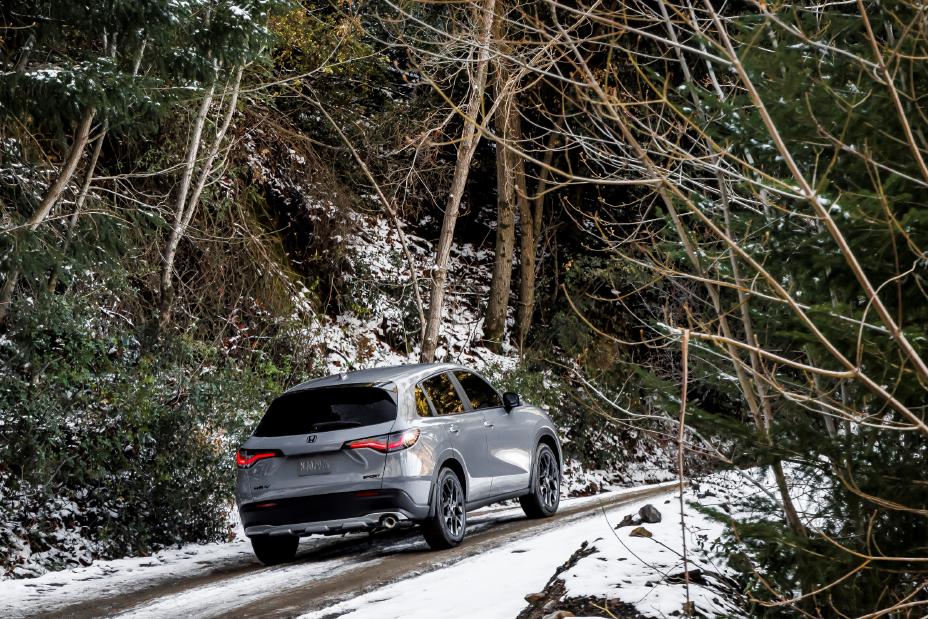
1. Honda HR-V: The Urban Explorer
“Small but mighty” doesn’t always apply.
The Honda HR-V is like that friend who’s great at carrying conversations but maybe not so great at carrying… well, heavy loads. Designed with city driving in mind, the HR-V offers a zippy ride through urban jungles but falters when asked to haul a mini jungle of its own.
Towing Capacity: A meager 1,016 pounds (approximate).
Why It Shouldn’t Tow an RV:
- Engine Limitations: With a 1.8-liter four-cylinder engine producing around 141 horsepower, the HR-V is more about fuel efficiency than brute strength.
- Frame and Suspension: Built on a car platform, its unibody construction isn’t meant for heavy towing tasks.
- Safety Concerns: Overloading can lead to brake wear, steering issues, and a generally unhappy driving experience.
Fun Fact: The HR-V’s “Magic Seat” can flip and fold in all sorts of ways, but unfortunately, magic isn’t enough to safely tow an RV.
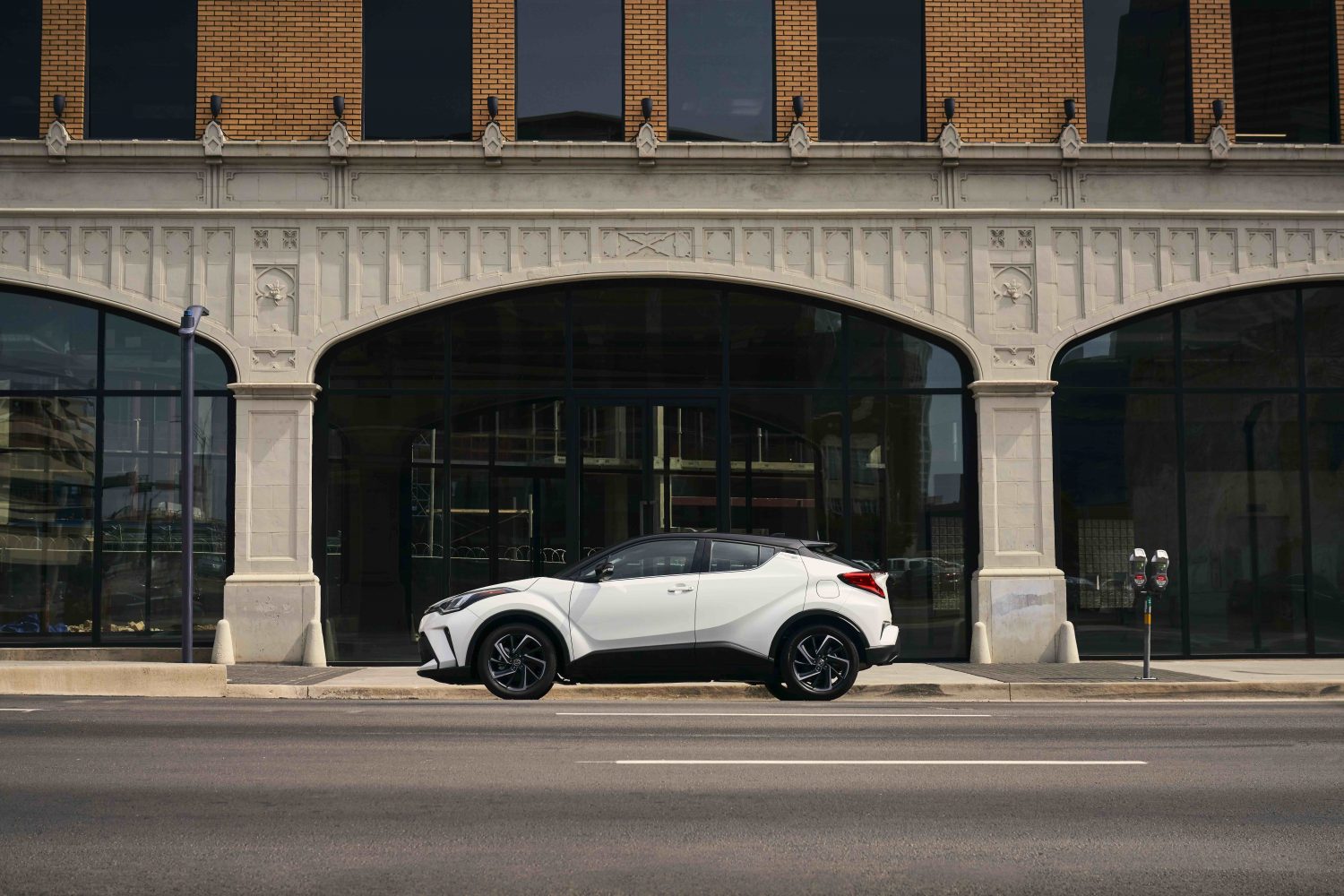
2. Toyota C-HR: The Stylish Cruiser
Fashion over function (at least in the towing department).
The Toyota C-HR is the automotive equivalent of a runway model—sleek, stylish, and turning heads wherever it goes. However, much like you wouldn’t ask a supermodel to haul your camping gear, you shouldn’t ask the C-HR to tow an RV.
Towing Capacity: Officially rated at zero pounds. That’s right—zilch.
Why It Shouldn’t Tow an RV:
- Not Rated for Towing: Toyota explicitly states that the C-HR is not designed for towing.
- Powertrain Limitations: Its 2.0-liter engine offers about 144 horsepower, which is fine for daily drives but not for pulling heavy loads.
- Warranty Voidance: Attempting to tow could void your warranty and lead to costly repairs.
Quirky Tidbit: C-HR stands for Coupe High Rider. Ironically, “High Rider” shouldn’t be confused with “Heavy Hauler.”
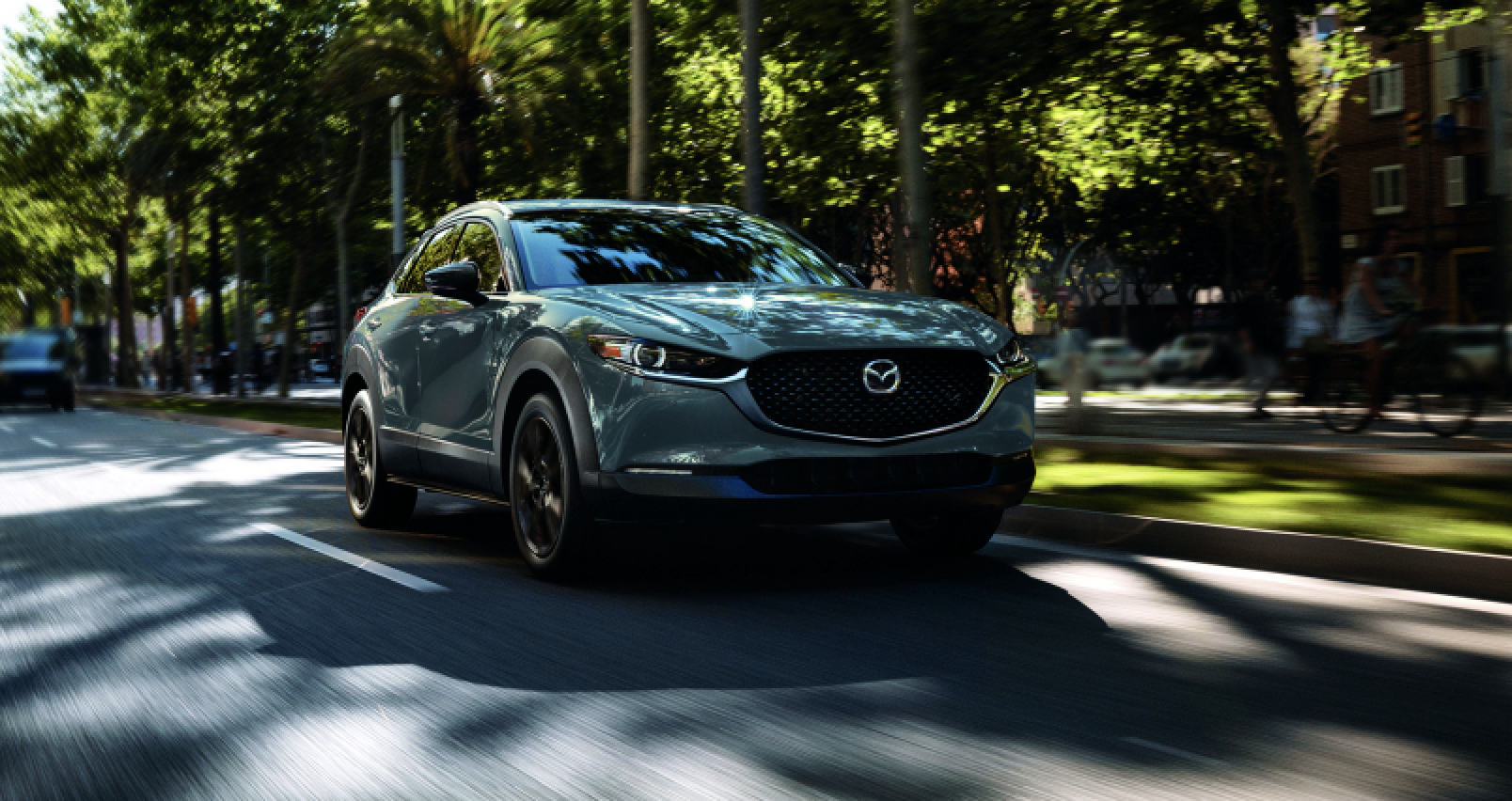
3. Mazda CX-30: The Sporty Sidekick
Zoom-Zoom… but not with a trailer attached.
The Mazda CX-30 is the embodiment of fun driving dynamics and sporty aesthetics. It’s the kind of car that makes grocery runs feel like mini adventures. But when it comes to towing an RV, the CX-3 would rather sit this one out.
Towing Capacity: Around 2,000 pounds, but with significant limitations.
Why It Shouldn’t Tow an RV:
- Engine Output: A 2.0-liter engine delivering 148 horsepower isn’t cut out for heavy towing.
- Size Matters: Its compact dimensions mean less stability when towing large objects.
- Transmission Stress: The added strain can lead to overheating and premature wear.
Did You Know? The CX-3 is often praised for its handling, which might be compromised if you decide to anchor an RV to it.
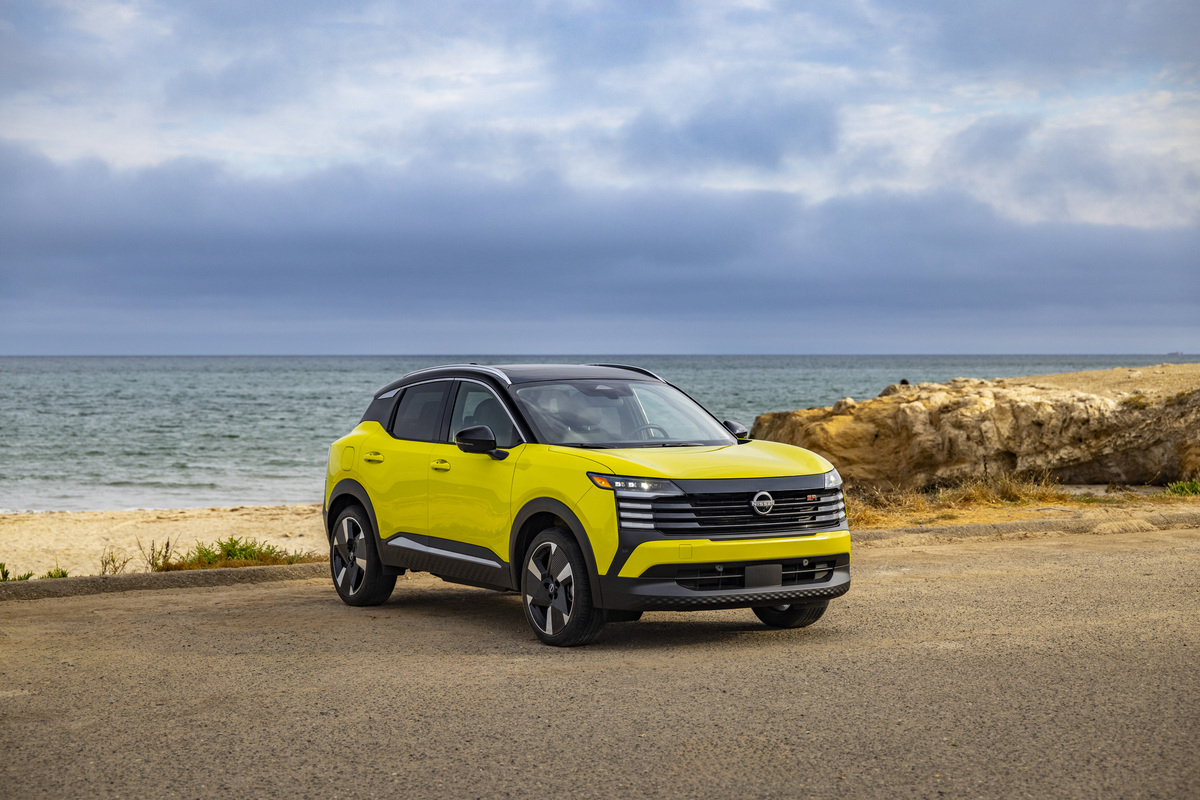
4. Nissan Kicks: The Budget-Friendly Commuter
Kicking it in the city, but not on the campsite.
The Nissan Kicks is a wallet-friendly option for those seeking practicality without the frills. It’s nimble, efficient, and perfect for urban dwellers. However, its kicks stop when the conversation turns to towing.
Towing Capacity: Not recommended for towing.
Why It Shouldn’t Tow an RV:
- Engine Constraints: A modest 1.6-liter engine with 122 horsepower isn’t up for the task.
- Structural Design: Built more like a hatchback than an SUV, it lacks the chassis strength.
- Safety First: Towing beyond capacity can compromise braking and handling.
Interesting Insight: The Nissan Kicks replaced the quirky Juke, but both share the trait of being unsuitable for towing an RV.
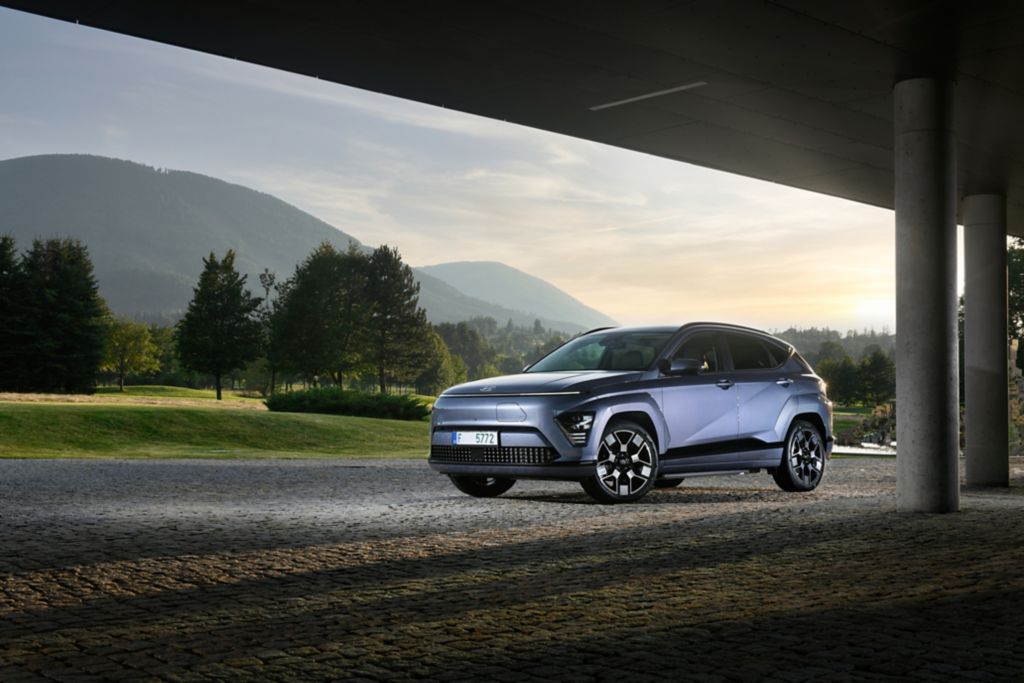
5. Hyundai Kona: The Compact Adventurer
Adventure awaits… just not the towing kind.
The Hyundai Kona brings a splash of color and personality to the compact SUV segment. It’s adventurous in spirit but prefers its adventures to be free of heavy attachments.
Towing Capacity: Approximately 1,300 pounds (depending on the model).
Why It Shouldn’t Tow an RV:
- Limited Muscle: Even with the optional turbocharged engine, it’s not built for heavy loads.
- Suspension Setup: Designed for comfort over rough roads, not for towing stability.
- Potential Risks: Overloading can lead to mechanical failures and unsafe driving conditions.
Fun Fact: The Kona Electric offers impressive range, but electric vehicles have their own towing limitations due to battery strain.
6. Kia Soul: The Funky Hatchback-SUV Hybrid
Hamsters sold separately; towing capacity not included.
The Kia Soul is all about individuality and funkiness. Its boxy shape and quirky commercials have made it a standout. However, when it comes to towing, the Soul seems to lack… well, soul.
Towing Capacity: Not recommended by the manufacturer.
Why It Shouldn’t Tow an RV:
- Engine Performance: The base 2.0-liter engine offers 147 horsepower—not ideal for towing.
- Design Focus: More about passenger space and less about pulling power.
- Warranty Considerations: Towing against recommendations can void that sweet 10-year warranty.
Pop Culture Note: Remember those dancing hamsters? They wouldn’t tow an RV either.

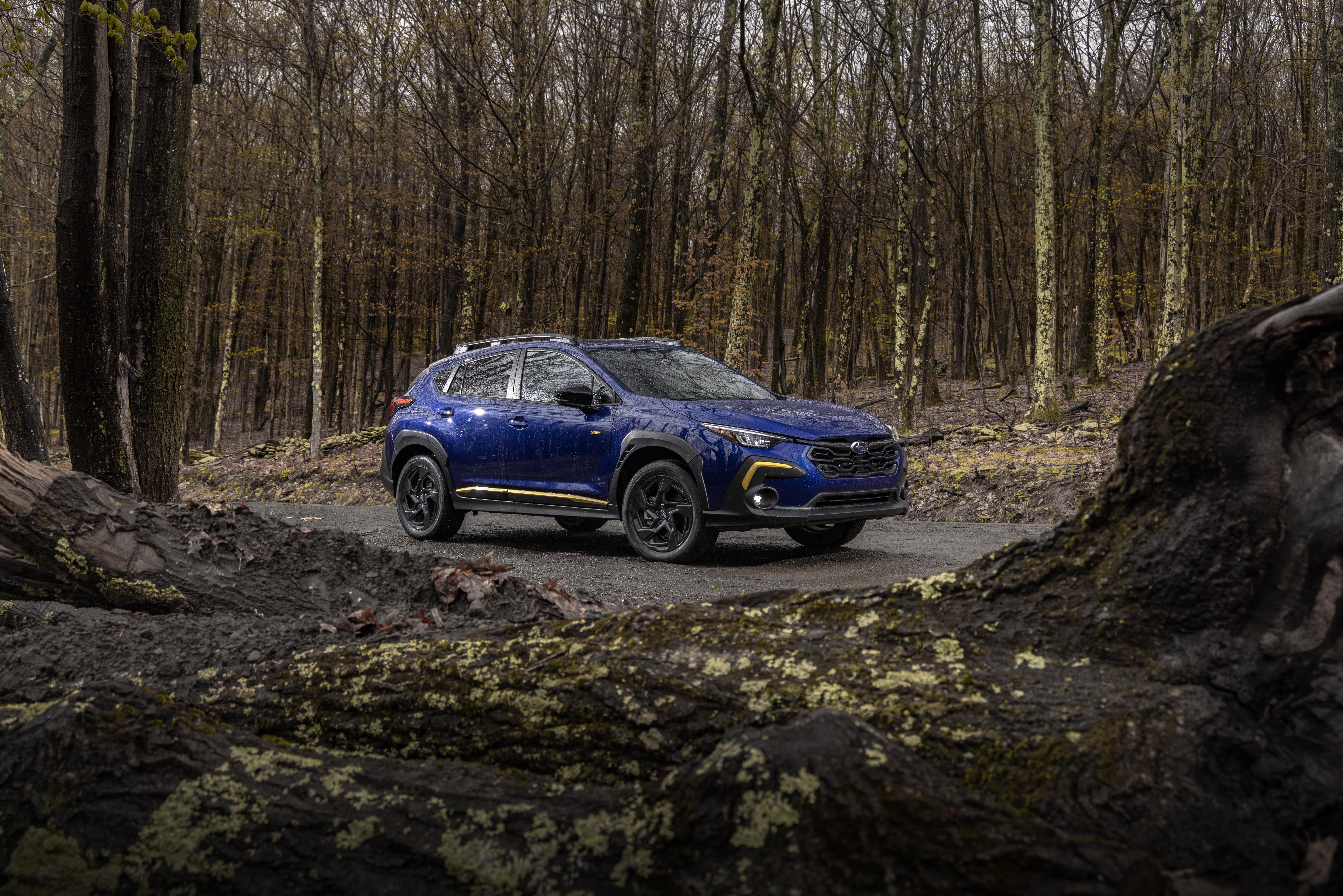
7. Subaru Crosstrek: The Off-Road Enthusiast (But Wait…)
Great on the trails, not so much on the towing.
The Subaru Crosstrek seems like it could handle anything with its rugged looks and all-wheel-drive prowess. It’s practically begging to be taken off the beaten path. But attach an RV, and you might beat the path right back to the dealership.
Towing Capacity: Around 1,500 pounds.
Why It Shouldn’t Tow an RV:
- Engine Limitations: The 2.0-liter engine with 152 horsepower is adequate for the vehicle but not for towing heavy loads.
- Transmission Concerns: Continuous Variable Transmissions (CVTs) aren’t the best for towing due to potential overheating.
- Off-Road vs. Towing: Its off-road capabilities don’t translate to towing strength.
Fun Observation: The Crosstrek is like that friend who’s always up for a hike but balks at carrying the heavy backpack.
Why Towing Capacity Matters
Before you hitch up any trailer, it’s crucial to understand why towing capacity is so important.
Safety Concerns:
- Braking Ability: Excess weight can severely impact your vehicle’s ability to stop promptly.
- Steering and Stability: Overloading can lead to swaying, making the vehicle harder to control.
- Mechanical Strain: Engines, transmissions, and suspensions can fail under excessive stress.
Legal Implications:
- Regulations: Towing beyond your vehicle’s rated capacity can result in fines.
- Insurance Issues: Overloading may void insurance coverage in the event of an accident.
Economic Factors:
- Maintenance Costs: Repairs from towing-related damage can be costly.
- Fuel Efficiency: Towing heavy loads drastically reduces fuel economy.
PRO TIP: 7 SUVs Strong Enough to Tow a Full-Size Camper
Choosing the Right Vehicle for Towing
If your heart is set on towing an RV, consider vehicles specifically designed for the task.
Factors to Consider:
- Towing Capacity: Always check the manufacturer’s specifications.
- Engine Power: Larger engines handle towing better.
- Transmission Type: Some transmissions are more suited to towing.
- Braking Systems: Enhanced brakes are essential for safety.
- Suspension and Chassis Strength: A sturdy build ensures stability.
Recommended Vehicle Types:
- Full-Size SUVs: Like the Ford Expedition or Chevrolet Tahoe.
- Pickup Trucks: Such as the Ford F-150 or Ram 1500.
- Heavy-Duty Vehicles: For larger RVs, consider a heavy-duty pickup.
KEEP IN MIND: The 7 Most Powerful Trucks in the USA – Perfect for Towing
Match Made in Highway Heaven
Towing an RV is like a relationship—it requires compatibility. While the SUVs we’ve discussed are fantastic in their own right, they’re simply not built for the heavy commitment that towing an RV demands. It’s not them; it’s the towing capacity.
Before you set off on your next grand adventure, make sure your vehicle is up to the task. Consult the owner’s manual, talk to professionals, and perhaps consider upgrading to a vehicle that says “I do” when asked to tow an RV.
After all, the only weight you should feel on your journey is the weight of excitement—not the weight of an overloaded trailer threatening to turn your vacation into a vehicular soap opera.
We’ll Help You Find the Best Free Camping in the USA
You should give it a try!
As a matter of fact, these free campsites are yours to enjoy. Every time you pay federal taxes, you’re contributing to these lands.
Become a FREE CAMPING INSIDER and join the 100,000 campers who love to score the best site!
We’ll send you the 50 Best Free Campsites in the USA (one per state). Access the list by submitting your email below: