Discovering maggots in your trash can is an unpleasant experience that can make even the strongest stomachs churn. But don’t worry—you’re not alone, and there are effective ways to tackle this problem.
This guide will help you understand what maggots are, why they appear in your trash can, and how you can prevent and eliminate them with ease.
What Are Maggots?
Maggots are the larval stage of flies, most commonly houseflies and blowflies. They are small, creamy-white, worm-like creatures that thrive in warm, moist environments rich in nutrients—like the leftovers in your trash can. Maggots play a crucial role in the ecosystem by breaking down decomposing organic matter, but when they invade your space, they become a nuisance.
Understanding maggots is the first step toward dealing with them effectively. They hatch from eggs laid by adult flies, and within a day, they can emerge and start feeding.
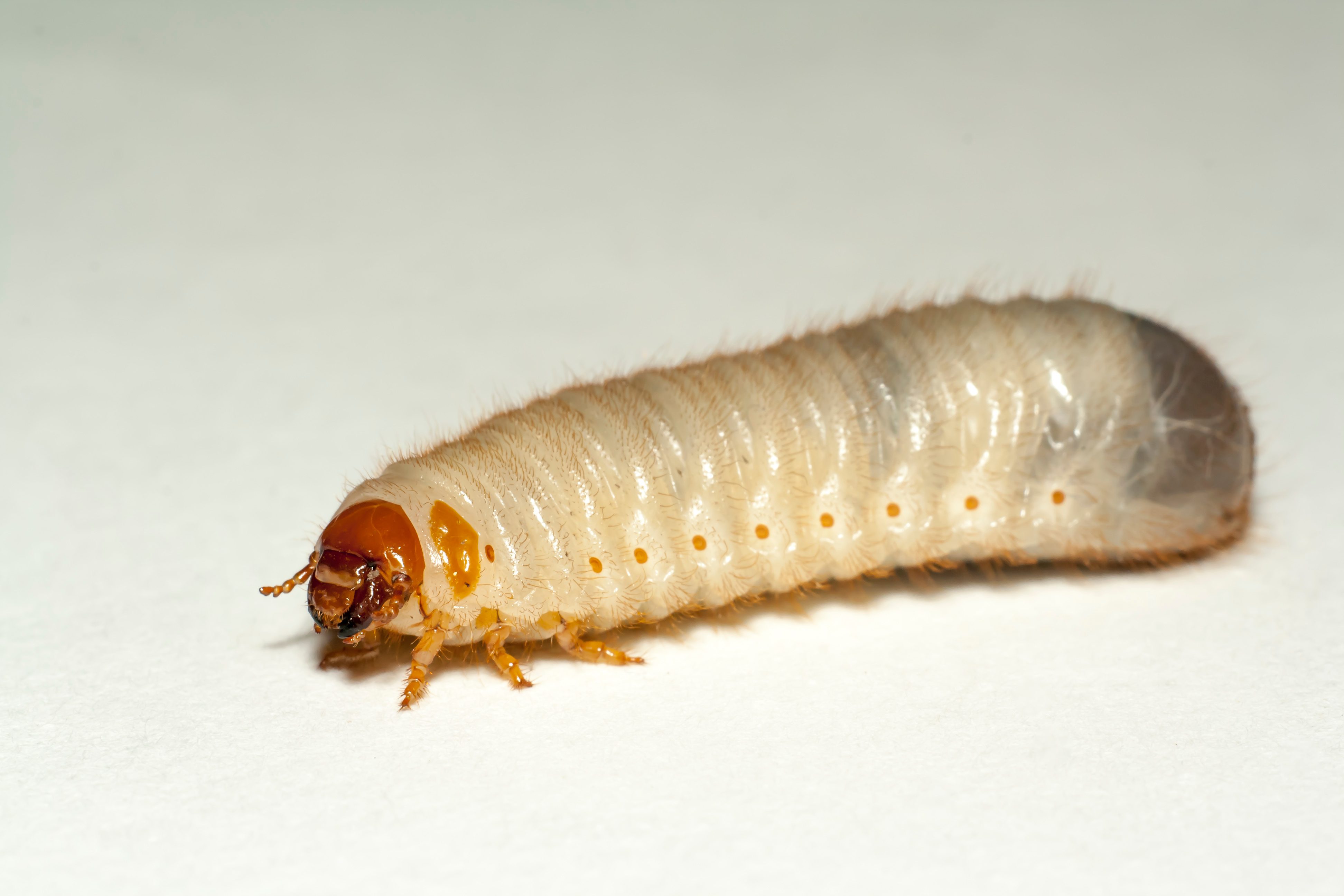
Maggots grow rapidly, going through several stages before pupating and eventually transforming into adult flies. This entire life cycle can take as little as a week under optimal conditions.
What Causes Maggots in My Trash Can?
Maggots appear in your trash can because adult flies are attracted to the odors emanating from decomposing organic waste. When you dispose of food scraps, especially meat, dairy, or other high-protein items, they emit smells that are irresistible to flies. Flies lay their eggs on these food sources so that when the maggots hatch, they have immediate access to nourishment.
Several factors contribute to a maggot infestation:
- Warm Temperatures: Maggots thrive in warm environments. Higher temperatures speed up their development, leading to quicker infestations.
- Moisture: Damp conditions in your trash can create an ideal breeding ground. Liquids from discarded food or rainwater entering the bin can increase moisture levels.
- Accessible Food Waste: Improperly sealed trash bags or bins without tight lids allow flies easy access to food waste.
Recognizing these causes can help you take proactive measures to prevent maggots from appearing in the first place.

How Do I Keep Maggots From Growing In My Trash Can?
Preventing maggots is all about making your trash can less attractive and accessible to flies. Here are some strategies to keep them at bay:
Use Sealed Trash Bags
Always place your garbage in sturdy, sealed trash bags before putting it in the bin. Double-bagging can provide extra protection, especially for waste that includes meat or dairy products. Ensure there are no holes or tears where flies can enter.
Keep the Lid Closed
Make sure your trash can lid fits tightly and remains closed at all times. This prevents flies from entering and laying eggs on the waste inside. If your bin’s lid is damaged or doesn’t seal properly, consider replacing it.
Clean Your Trash Can Regularly
Regular cleaning reduces odors and removes any residual waste that might attract flies. Rinse your trash can with a hose and scrub it with a brush using a mixture of water and dish soap. For added disinfecting power, you can use a bleach solution (one cup of bleach to one gallon of water). Be sure to rinse thoroughly afterward.
Dispose of Food Waste Properly
If possible, avoid throwing food waste directly into the trash can. Consider composting vegetable scraps or wrapping food waste tightly in newspaper before disposal. Freezing meat scraps until garbage day can also prevent odors and fly attraction.
Reduce Moisture
Avoid pouring liquids into your trash can. If disposing of wet items, drain them as much as possible or wrap them securely. Keeping the interior of your bin dry makes it less hospitable to maggots.
Use Trash Can Liners
Lining your trash can with a large plastic bag adds an extra layer of protection. It prevents leaks and makes cleaning easier since it catches any spills or debris that might otherwise accumulate at the bottom of the bin.
Control External Factors
Keep your trash can in a shaded area to minimize heat exposure. If rainwater tends to collect in or around your bin, consider moving it to a more sheltered location or ensuring it’s properly covered.
By implementing these preventive measures, you can significantly reduce the likelihood of maggots infesting your trash can.
PRO TIP: 10 Things That Make Cleaning Super Fast and Easy
Ways to Kill Maggots Growing in Your Trash Can
If you already have maggots in your trash can, don’t panic. Several effective methods can eliminate them quickly.
Boiling Water
Pouring boiling water over the maggots is one of the simplest and most immediate solutions. The heat kills maggots on contact. Here’s how to do it:
- Exercise Caution: Boil a large pot of water and carefully carry it to your trash can.
- Apply Directly: Pour the boiling water over the maggots, ensuring you cover all affected areas.
- Repeat if Necessary: For severe infestations, you might need to repeat the process.

Salt
Salt dehydrates maggots and can be an effective killer:
- Sprinkle Generously: Cover the maggots and the interior surfaces of your trash can with a generous amount of table salt.
- Let It Sit: Allow the salt to work for several hours or overnight.
- Clean the Bin: Afterward, rinse out the bin to remove dead maggots and salt residue.
Vinegar and Water Solution
A mixture of vinegar and water can kill maggots and act as a repellent:
- Prepare the Solution: Mix equal parts white vinegar and water in a spray bottle.
- Spray Thoroughly: Apply the solution directly onto the maggots and the inside of your trash can.
- Wait and Clean: Let it sit for about an hour before rinsing the bin.
Diatomaceous Earth
Food-grade diatomaceous earth (DE) is a natural powder that kills maggots by damaging their exoskeletons:
- Apply the Powder: Sprinkle DE over the maggots and the interior surfaces of the bin.
- Allow Time to Work: Leave it for several hours or overnight.
- Dispose and Clean: Sweep out the dead maggots and clean the bin.
Insecticide Sprays
For severe infestations, insecticide sprays designed to kill larvae can be effective:
- Choose the Right Product: Select a spray labeled for maggot or fly larvae control.
- Follow Instructions: Apply according to the manufacturer’s directions, taking care to use protective gear as recommended.
- Ventilate and Clean: After the maggots are dead, ventilate the area and clean the trash can thoroughly.
Use of Lime or Bleach
Both lime (calcium hydroxide) and bleach can kill maggots:
- Lime: Sprinkle lime powder over the maggots. Be cautious, as lime can cause skin irritation.
- Bleach: Mix one cup of bleach with a gallon of water and pour it over the maggots.
Always handle chemicals with care, using gloves and protective eyewear.
What Can I Spray in My Trash Can to Prevent Maggots?
Preventing maggots involves deterring flies from laying eggs in your trash can. Spraying certain substances can help repel flies and create an inhospitable environment for maggots.
Essential Oil Sprays
Flies dislike the scent of certain essential oils. You can create a natural repellent spray:
- Choose an Oil: Lavender, eucalyptus, peppermint, and lemongrass oils are effective.
- Prepare the Mixture: Add 20 drops of your chosen oil to a spray bottle filled with water. You can also add a few drops of dish soap to help the oil mix better.
- Spray the Bin: Apply the solution to the inside of your trash can after each cleaning.
Vinegar Spray
Vinegar has a strong odor that repels flies:
- Mix the Solution: Combine equal parts white vinegar and water in a spray bottle.
- Apply Regularly: Spray the inside of your trash can after it’s been emptied and cleaned.

Commercial Fly Repellents
There are commercial products designed to repel flies:
- Fly Repellent Sprays: Apply as directed to the interior and exterior of your trash can.
- Fly Bags or Traps: Hang these near your trash can to attract and trap flies before they enter.
Residual Insecticides
For long-lasting protection:
- Select an Insecticide: Choose a residual insecticide labeled for fly control.
- Apply Carefully: Follow the manufacturer’s instructions, applying it to the interior surfaces of the trash can.
- Reapply as Needed: These products may need reapplication every few weeks.
Regular Cleaning with Disinfectants
Using disinfectant sprays or cleaners can help eliminate odors that attract flies:
- Clean After Each Trash Collection: Once your trash has been picked up, clean the bin before adding new waste.
- Use Odor-Neutralizing Products: Products with enzymes can break down odor-causing bacteria.
Keep The Maggots Out
Dealing with maggots in your trash can is undoubtedly unpleasant, but with the right approach, it’s a manageable problem. Understanding why maggots appear and taking proactive steps to prevent them can save you from future infestations. Regular cleaning, proper waste disposal, and making your trash can less attractive to flies are key strategies.
Remember, if you do find maggots, there are effective methods to eliminate them quickly. By maintaining good trash can hygiene and employing preventive measures, you can keep your home maggot-free and enjoy peace of mind.
Stay proactive, and don’t let these little critters bug you anymore!
We’ll Help You Find the Best Free Camping in the USA
You should give it a try!
As a matter of fact, these free campsites are yours to enjoy. Every time you pay federal taxes, you’re contributing to these lands.
Become a FREE CAMPING INSIDER and join the 100,000 campers who love to score the best site!
We’ll send you the 50 Best Free Campsites in the USA (one per state). Access the list by submitting your email below: