Winter is just around the corner, and for many RV enthusiasts, that means it’s time to prepare for chilly temperatures, snow, and icy winds.
Hi there! I’m the friendly RV mechanic, and today we’re going to talk about something that can make your winter RV living much more comfortable: RV skirting.
We’ll explore what it is, why it’s beneficial, the different types available, and help you decide if you need it this winter.
So grab a hot cocoa, and let’s dive in!

What is RV Skirting?
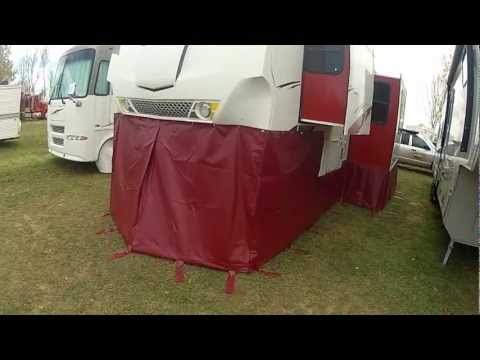
Imagine wearing a warm coat on a cold day—it keeps your body heat in and the cold air out. RV skirting works the same way for your RV. It’s a barrier that wraps around the bottom of your RV, sealing off the open space between the ground and the underside of your vehicle.
RV skirting can be made from various materials like vinyl, foam boards, or insulated fabrics. It attaches around the base of your RV, creating a protective shield against cold air, wind, and snow. This barrier helps maintain a warmer temperature underneath your RV, which can make a big difference in your comfort during the winter months.
But why is that space under your RV so important? Well, the underside of your RV is where many critical components live—like your water pipes, tanks, and sometimes even wiring. Exposing these parts to freezing temperatures can lead to problems like burst pipes or damaged equipment. Skirting helps prevent these issues by keeping the area warmer.
PRO TIP: Will RV Holding Tanks Freeze?
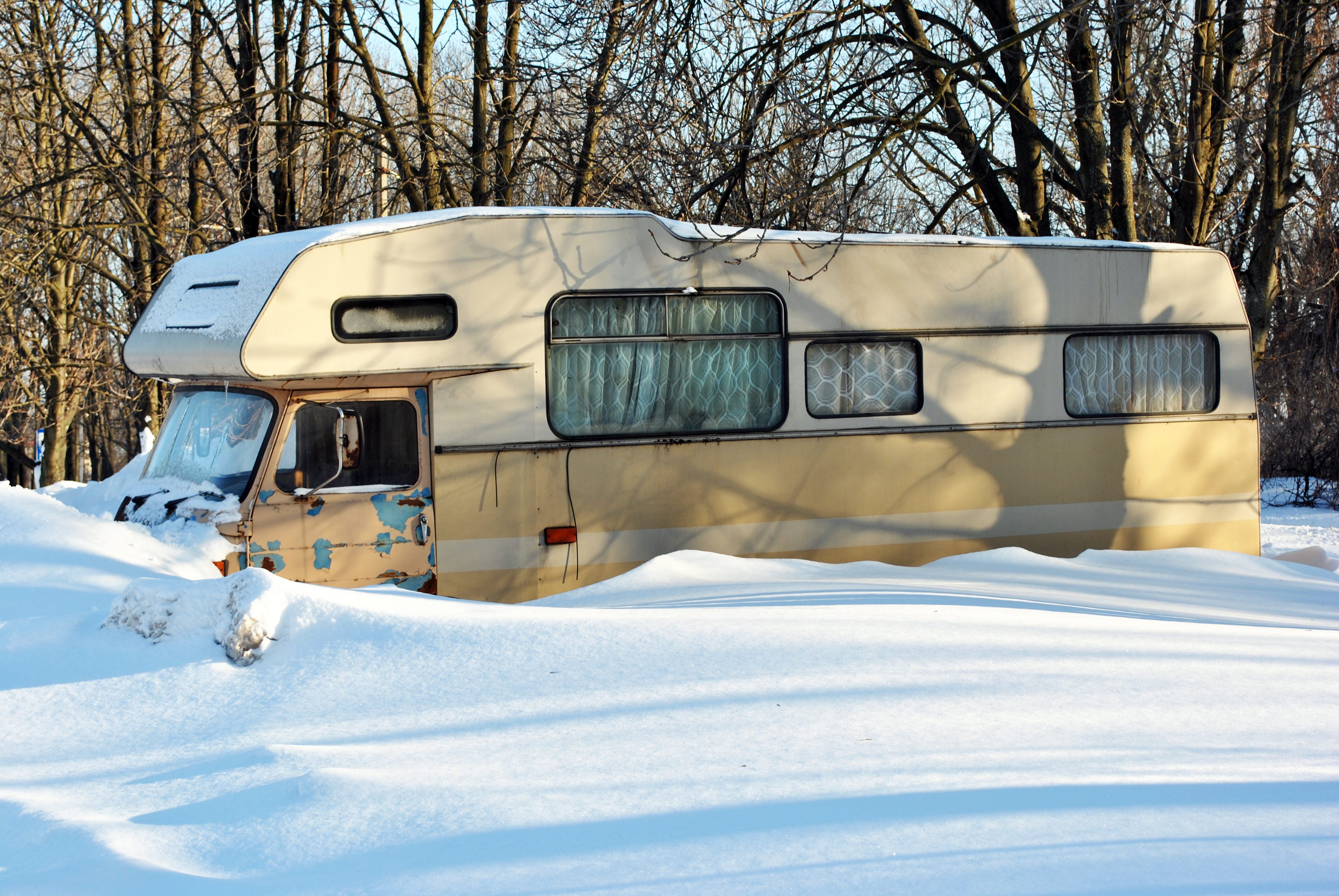
3 Big Benefits of RV Skirting
Now that we’ve covered what RV skirting is, let’s talk about why it’s a good idea. Here are three big benefits that RV skirting offers during the winter.
Protects Pipes and Tanks
One of the biggest nightmares for RV owners in winter is frozen pipes and tanks. When the temperature drops below freezing, the water in your pipes can turn to ice. This not only stops your water supply but can also cause the pipes to burst, leading to expensive repairs.
RV skirting helps prevent this by trapping warmer air underneath your RV. The ground holds some heat, and by sealing off the space, the skirting keeps that warmth in and the freezing air out. This warmer environment makes it much less likely for your pipes and tanks to freeze.
Think of it like wrapping a scarf around your neck to keep warm. The skirting acts as that protective layer, ensuring that your RV’s vital systems stay functional throughout the cold months.
Keeps the Whole RV Warmer and Saves on Propane
Heating an RV in the winter can be a challenge. The cold air sneaks in from all sides, and your heater has to work overtime to keep the inside comfortable. This means using a lot of propane, which can get expensive.
By adding skirting to your RV, you’re reducing the amount of cold air that enters from underneath. This makes it easier to maintain a cozy temperature inside. Your heater won’t have to work as hard, so you’ll use less propane.
Imagine trying to heat a house with the front door wide open—it would take a lot of energy, right? Closing that door makes heating much more efficient. In the same way, skirting seals off the open space under your RV, making your heating system more effective and saving you money on fuel.
Extra Storage
Here’s a bonus benefit you might not have thought of: extra storage space! The area under your RV is usually open and unused. With skirting in place, this space becomes sheltered from the elements, giving you a handy spot to store items.
You can keep things like outdoor furniture, bikes, tools, or even firewood under your RV. This keeps them out of the snow and ice, and frees up space inside your RV. Just make sure that anything you store is okay to be in slightly cooler temperatures, and that it doesn’t block any important components under your RV.
This extra storage can be a real game-changer, especially if you’re staying in one place for an extended period. It’s like gaining a mini basement for your RV!
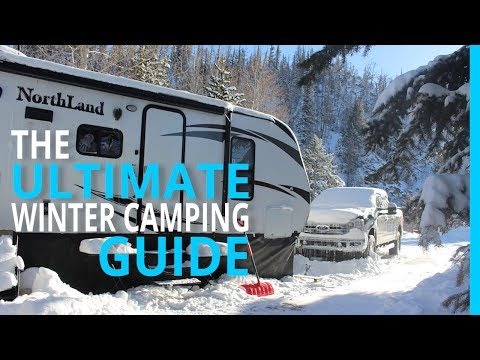
Types of RV Skirting
So, you’re convinced that RV skirting is a good idea. Great! Now, let’s look at the different types of skirting available. There are several options, each with its own pros and cons. Understanding these will help you choose the best one for your needs.
DIY Method
If you’re the hands-on type and love a good project, the DIY method might be for you. Making your own RV skirting can be cost-effective and allows you to customize it to your liking.
Materials Commonly Used:
- Foam Boards: These are rigid panels that provide good insulation. You can cut them to fit around your RV’s base. They’re lightweight and relatively inexpensive.
- Vinyl or Tarp Materials: Heavy-duty tarps or vinyl sheets can be cut and secured around your RV. They’re flexible and can be easier to work with on uneven ground.
- Insulated Fabrics: Some people use insulated curtains or blankets designed for outdoor use.
Pros:
- Cost Savings: DIY skirting can be much cheaper than buying a custom kit.
- Customization: You can choose the materials and design that best fit your needs.
- Satisfaction: There’s a certain pride in creating something yourself!
Cons:
- Time-Consuming: It can take a lot of time to measure, cut, and install your skirting.
- Durability: DIY materials might not last as long as professional options.
- Fit and Finish: It might not look as neat or fit as well as commercial skirting.
Tips for DIY Skirting:
- Measure Carefully: Take precise measurements of your RV’s perimeter to ensure a good fit.
- Secure It Well: Use strong adhesives, snaps, or Velcro to attach the skirting so it doesn’t blow away in the wind.
- Consider Insulation: If you’re in a very cold area, think about adding insulation to your skirting.
EZ Snap Kit
If you’re looking for a balance between DIY and professional installation, the EZ Snap Kit might be the perfect choice. This kit provides everything you need to install skirting yourself, but with materials designed specifically for RVs.
What’s Included:
- Skirting Material: Durable, weather-resistant fabric that’s easy to cut and won’t fray.
- Fasteners: Special snaps that let you attach the skirting to your RV without drilling holes.
- Instructions: Step-by-step guides to help you install the skirting.
Pros:
- Ease of Installation: Designed for DIYers, it’s easier to install than starting from scratch.
- Professional Look: The materials and fasteners give a neat appearance.
- No Drilling Required: The adhesive snaps protect your RV’s exterior.
Cons:
- Cost: More expensive than pure DIY but less than custom skirting.
- Limited Customization: While you can cut the material, you’re working within the kit’s constraints.
Installation Tips:
- Follow Instructions Carefully: This ensures the adhesive snaps stick properly and the skirting fits well.
- Plan Ahead: Lay out the materials and plan your cuts before you start.
- Check the Weather: Install on a dry day with moderate temperatures for the best adhesive performance.
Custom Skirting from RV Skirting Companies
For those who want the best fit and are willing to invest more, custom skirting from a professional company is the way to go. Companies like RV Skirting specialize in creating skirting tailored to your specific RV model.
Features:
- Custom Measurements: Professionals measure your RV to ensure a perfect fit.
- High-Quality Materials: Durable fabrics designed to withstand harsh winter conditions.
- Professional Installation: Many companies offer installation services.
Pros:
- Perfect Fit: Custom skirting fits like a glove, providing the best protection.
- Durability: High-quality materials last longer and perform better.
- Aesthetics: It looks professional and can even enhance the appearance of your RV.
Cons:
- Cost: This is the most expensive option.
- Lead Time: It may take time to produce and install custom skirting.
- Less DIY Satisfaction: If you enjoy DIY projects, you might miss out on the fun.
Choosing a Company:
- Read Reviews: Look for companies with positive customer feedback.
- Ask About Materials: Ensure they use high-quality, weather-resistant fabrics.
- Get a Quote: Understand all the costs involved, including any installation fees.
Do I Need RV Skirting This Winter?
Now comes the big question: Do you need RV skirting this winter? The answer depends on several factors, but let’s break it down to help you decide.
Consider Your Location:
- Cold Climates: If you’re staying in areas where temperatures drop below freezing, skirting is highly recommended.
- Mild Winters: In places with milder winters, skirting can still help with energy efficiency but might not be essential.
- Windy Areas: Even if it’s not extremely cold, wind can make your RV colder. Skirting helps block the wind.
Length of Stay:
- Extended Stays: If you’re parked in one spot for a long time, skirting is more practical and beneficial.
- Short Trips: For brief stays, the effort and cost might not be worth it.
RV Usage:
- Full-Time Living: If your RV is your home, skirting adds comfort and protects your investment.
- Recreational Use: For occasional winter trips, you might manage without it.
Budget:
- Cost vs. Savings: Consider the upfront cost of skirting against potential savings on propane and avoiding repair costs from frozen pipes.
Comfort Level:
- Temperature Preferences: If you like staying warm and cozy without cranking up the heater, skirting helps.
- DIY Enthusiasm: If you’re excited about a DIY project, making your own skirting can be fun and cost-effective.
Potential Issues Without Skirting:
- Frozen Pipes and Tanks: Risk of expensive damage and inconvenience.
- Higher Heating Costs: More propane usage to keep warm.
- Uncomfortable Living Conditions: Cold floors and drafts can make RV living less enjoyable.
The RV Skirting Breakdown:
If you’re planning to spend the winter in your RV in a cold area, skirting is a smart investment. It protects your RV’s vital systems, makes living more comfortable, and can save you money in the long run. Even in milder climates, skirting can enhance your RV experience during the colder months.
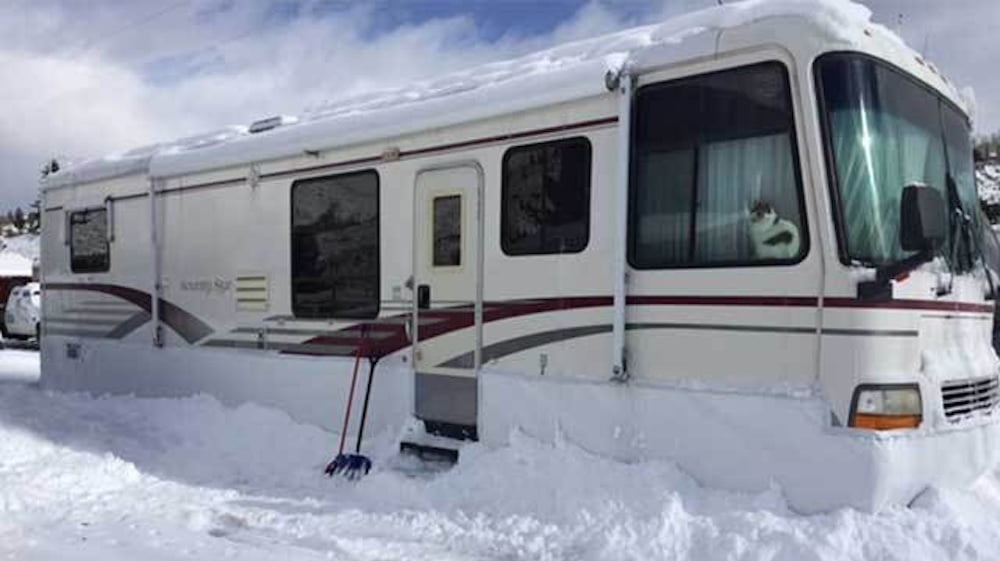
Will You Use RV Skirting This Winter?
Winter RVing doesn’t have to be a frosty experience. With the right preparation, you can enjoy the beauty of the season while staying warm and cozy inside your home on wheels. RV skirting is a key part of that preparation.
Whether you choose the DIY route, opt for an EZ Snap Kit, or invest in custom skirting, adding this protective barrier can make a significant difference. It protects your pipes and tanks from freezing, keeps your entire RV warmer (saving you money on propane), and even provides extra storage space.
So, as the leaves change color and the air turns crisp, think about where you’ll be parking your RV this winter. If freezing temperatures and chilly winds are on the horizon, consider giving your RV the warm hug it deserves with skirting.
Stay warm out there, and happy travels! Remember, a little preparation goes a long way in making your winter RV adventures comfortable and enjoyable. If you have any questions or need advice, don’t hesitate to reach out to your local RV mechanic—we’re here to help!
PRO TIP: What Happens If You Don’t Winterize Your Camper?
We’ll Help You Find the Best Free Camping in the USA
You should give it a try!
As a matter of fact, these free campsites are yours to enjoy. Every time you pay federal taxes, you’re contributing to these lands.
Become a FREE CAMPING INSIDER and join the 100,000 campers who love to score the best site!
We’ll send you the 50 Best Free Campsites in the USA (one per state). Access the list by submitting your email below:
Thankfully, we live in our 5th wheel in Florida, but I camped in a “lite” travel trailer years ago one winter in Missouri, and recall using visqueen sheeting and duct tape to cover underneath, winterize my pipes (and use campground facilities only), as well as put one of those outdoor mechanics lights underneath to help keep the concrete slab and underbelly of my little camper warm. It wasn’t insulated, so I had ice on the inside of my windows! Ha! Those were the days!