Towing an RV opens up a world of adventure and freedom on the open road. However, it also comes with significant responsibilities and potential risks.
Understanding and avoiding common towing mistakes is crucial for the safety of you, your passengers, and others on the road.
Here are the seven most deadly RV towing mistakes you can make, and how to prevent them.
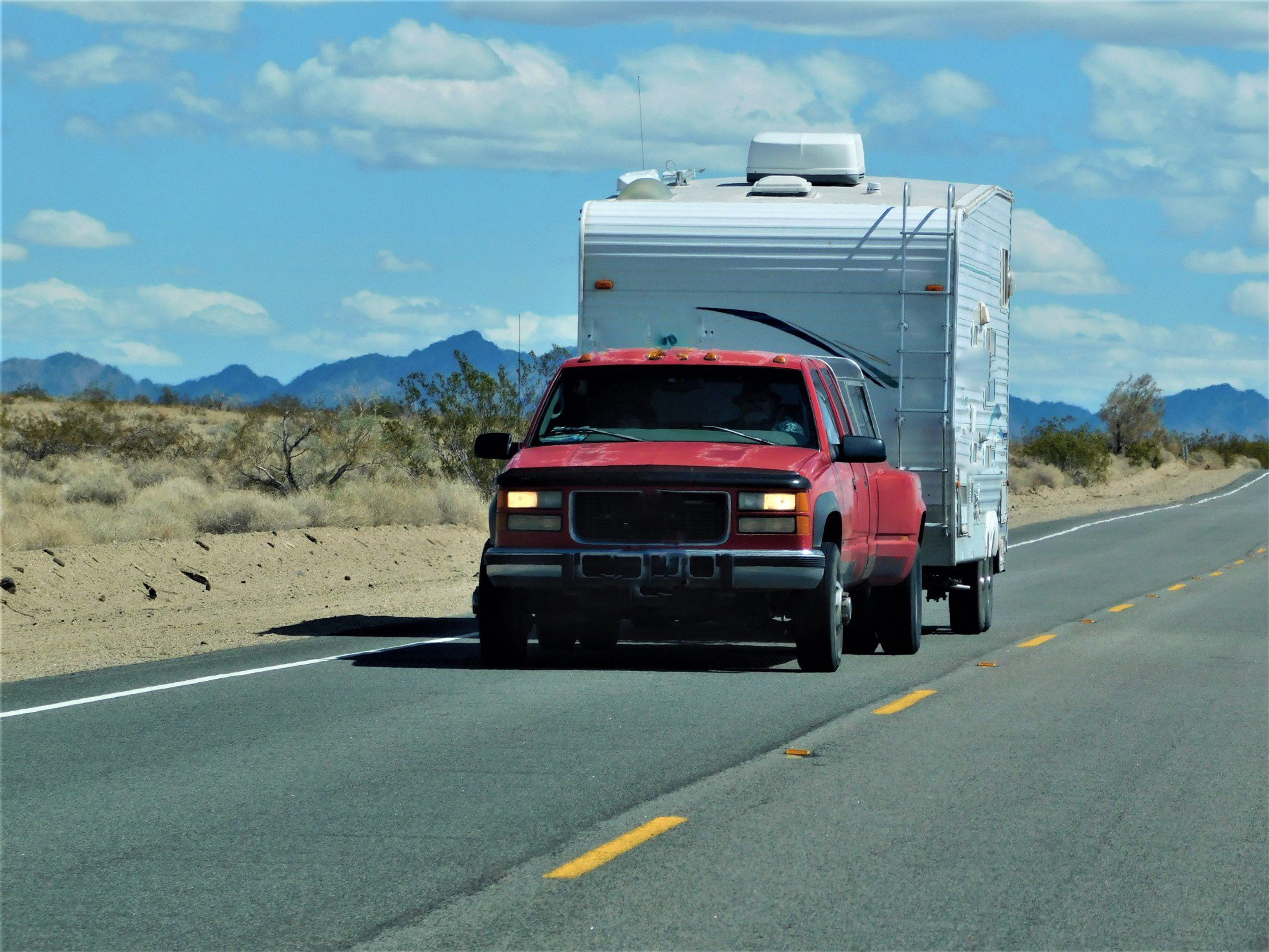
1. Overloading Your RV or Tow Vehicle
The Mistake:
Exceeding the weight limits of your RV or tow vehicle by packing too much cargo or not accounting for the weight of passengers and fluids.
Why It’s Dangerous:
Overloading can strain your vehicle’s engine and transmission, reduce braking efficiency, and lead to tire blowouts. It increases the risk of mechanical failure and accidents due to decreased vehicle control.
The Fix:
- Know Your Weight Ratings: Check the Gross Vehicle Weight Rating (GVWR) and Gross Combined Weight Rating (GCWR) for both your tow vehicle and RV.
- Weigh Your Loaded RV: Use a public scale to determine the actual weight of your loaded RV and ensure it doesn’t exceed weight limits.
- Distribute Weight Evenly: Balance the load across axles and keep heavy items low and centered.
- Limit Cargo: Only bring essential items to reduce unnecessary weight.
Word from the Mechanic:
Overloading is one of the most common mistakes RV owners make. It puts undue stress on critical components like the suspension and brakes. Always take the time to weigh your rig after loading up for a trip.
Remember, staying within weight limits isn’t just about legal compliance; it’s about ensuring your safety on the road.
2. Improper Weight Distribution
The Mistake:
Failing to distribute weight evenly in your RV, leading to instability and poor handling.
Why It’s Dangerous:
Uneven weight distribution can cause swaying, reduced steering control, and increased stopping distances. It can lead to dangerous situations like trailer sway or even rollovers.
The Fix:
- Balance Side to Side: Ensure weight is evenly distributed on both sides of the RV.
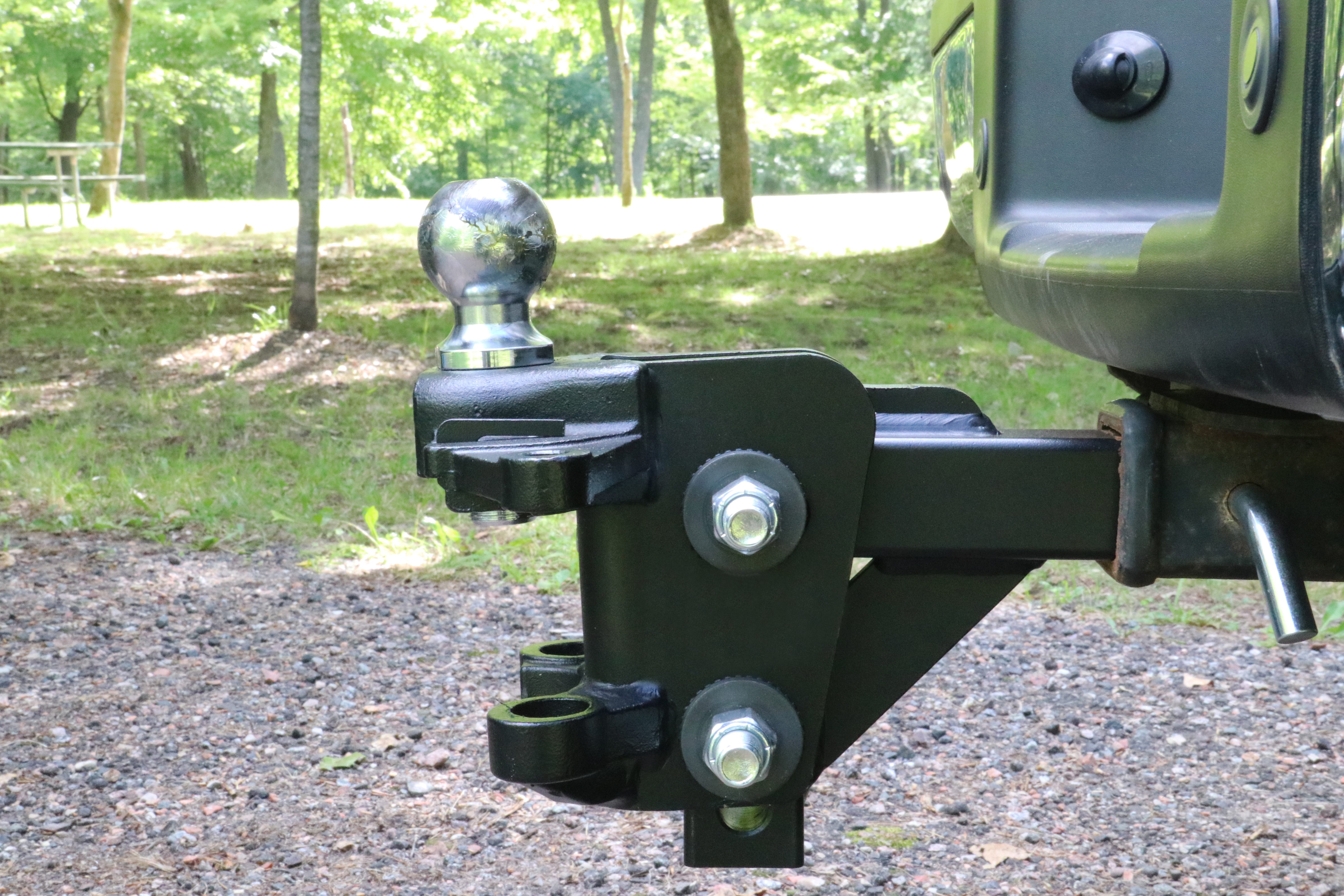
- Proper Tongue Weight: Maintain a tongue weight that’s 10-15% of the total trailer weight.
- Use Weight Distribution Hitches: These hitches help distribute the tongue weight across all axles.
- Secure Cargo: Prevent items from shifting during transit by securing them properly.
Word from the Mechanic:
An unbalanced load affects your vehicle’s handling more than you might think. It’s essential to pay attention to how weight is placed in your RV. Improper distribution doesn’t just make driving harder; it significantly increases wear on your vehicle’s components. Always double-check your load before setting off.
3. Skipping the Pre-Trip Inspection
The Mistake:
Neglecting to perform a thorough inspection of your RV and tow vehicle before departure.
Why It’s Dangerous:
Overlooking maintenance issues can lead to mechanical failures on the road, such as brake failures, tire blowouts, or lighting problems, increasing the risk of accidents.
The Fix:
- Create a Checklist: Include tires, brakes, lights, hitch connections, and fluid levels.
- Inspect Tires: Check for proper inflation and any signs of wear or damage.
- Test Lights and Signals: Ensure all exterior lights are functioning correctly.
- Verify Hitch Setup: Confirm that all connections are secure and in good condition.
Word from the Mechanic:
Preventative maintenance is your first line of defense against breakdowns. A simple pre-trip inspection can catch small issues before they become big problems. It doesn’t take long, and it can save you from costly repairs and dangerous situations down the line.
4. Incorrect Hitch Setup
The Mistake:
Using an improperly rated hitch or failing to install it correctly.
Why It’s Dangerous:
An incorrect hitch setup can result in the trailer detaching from the tow vehicle, leading to catastrophic accidents.
The Fix:
- Use the Right Hitch: Ensure your hitch is rated for the weight of your RV.
- Follow Manufacturer Instructions: Install and adjust the hitch according to guidelines.
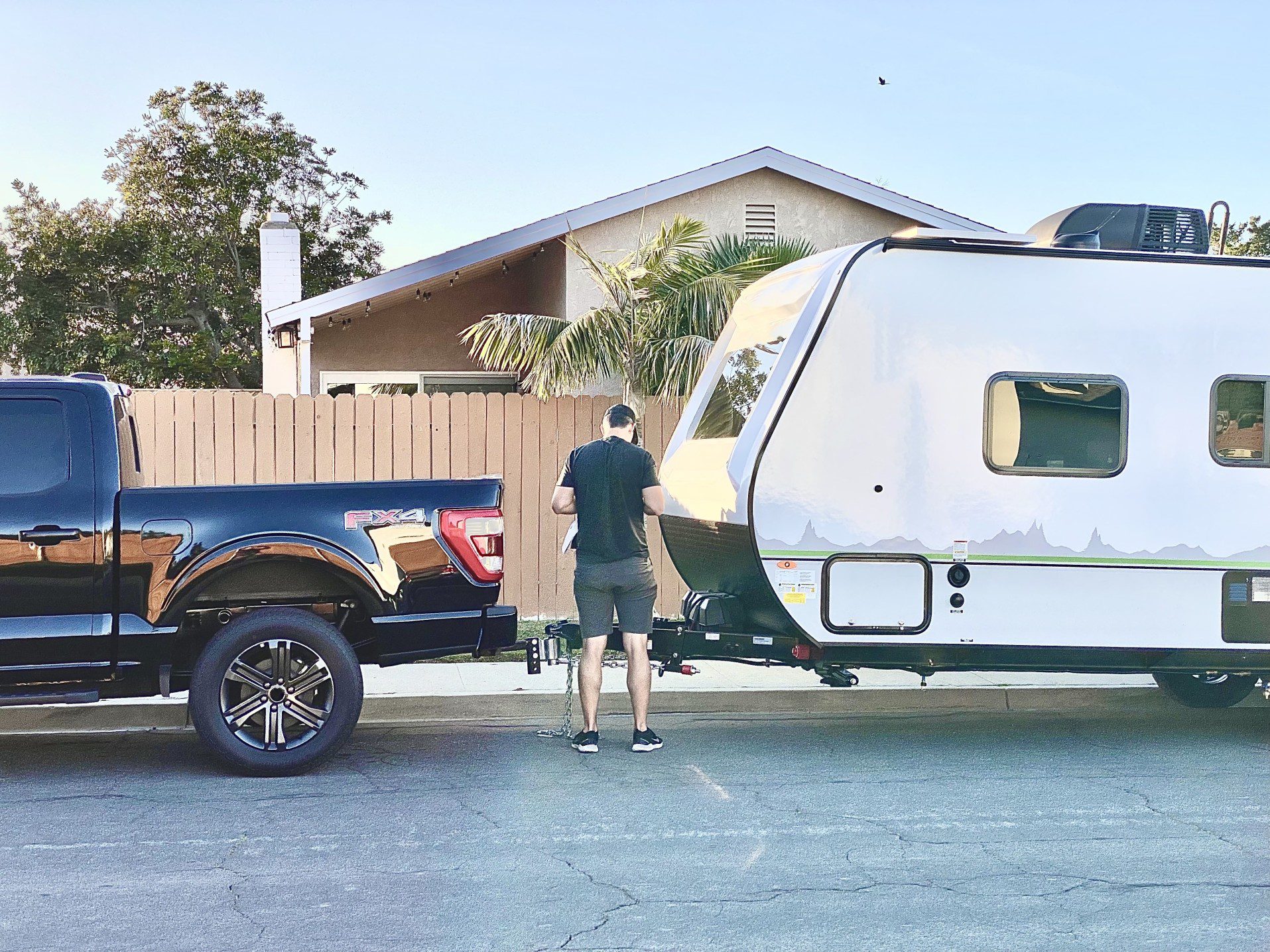
- Secure All Connections: Double-check that all pins, clips, and safety chains are properly attached.
- Regularly Inspect the Hitch: Look for signs of wear, corrosion, or damage.
Word from the Mechanic:
Your hitch is the critical link between your tow vehicle and RV. Any failure here can have dire consequences. Always make sure you’re using the correct hitch components and that everything is securely connected. Regular inspections can catch issues like worn parts or loose bolts before they lead to accidents.
5. Neglecting Trailer Brakes and Brake Controller
The Mistake:
Assuming the tow vehicle’s brakes are sufficient and not properly setting up or maintaining the trailer’s braking system.
Why It’s Dangerous:
Without functional trailer brakes, stopping distances increase significantly, especially during sudden stops or emergencies, leading to potential collisions.
The Fix:
- Install a Brake Controller: This device synchronizes the trailer’s brakes with the tow vehicle.
- Adjust Brake Settings: Calibrate the brake controller for smooth and effective braking.
- Maintain Trailer Brakes: Regularly inspect and service the trailer’s braking system.
- Test Before Departure: Perform brake tests to ensure everything is working properly.
Word from the Mechanic:
Brakes are arguably the most critical safety feature on your rig. Relying solely on your tow vehicle’s brakes when towing an RV is insufficient. A properly set up and maintained trailer braking system not only enhances safety but also reduces wear on your tow vehicle’s brakes.
6. Ignoring Height and Clearance Restrictions
The Mistake:
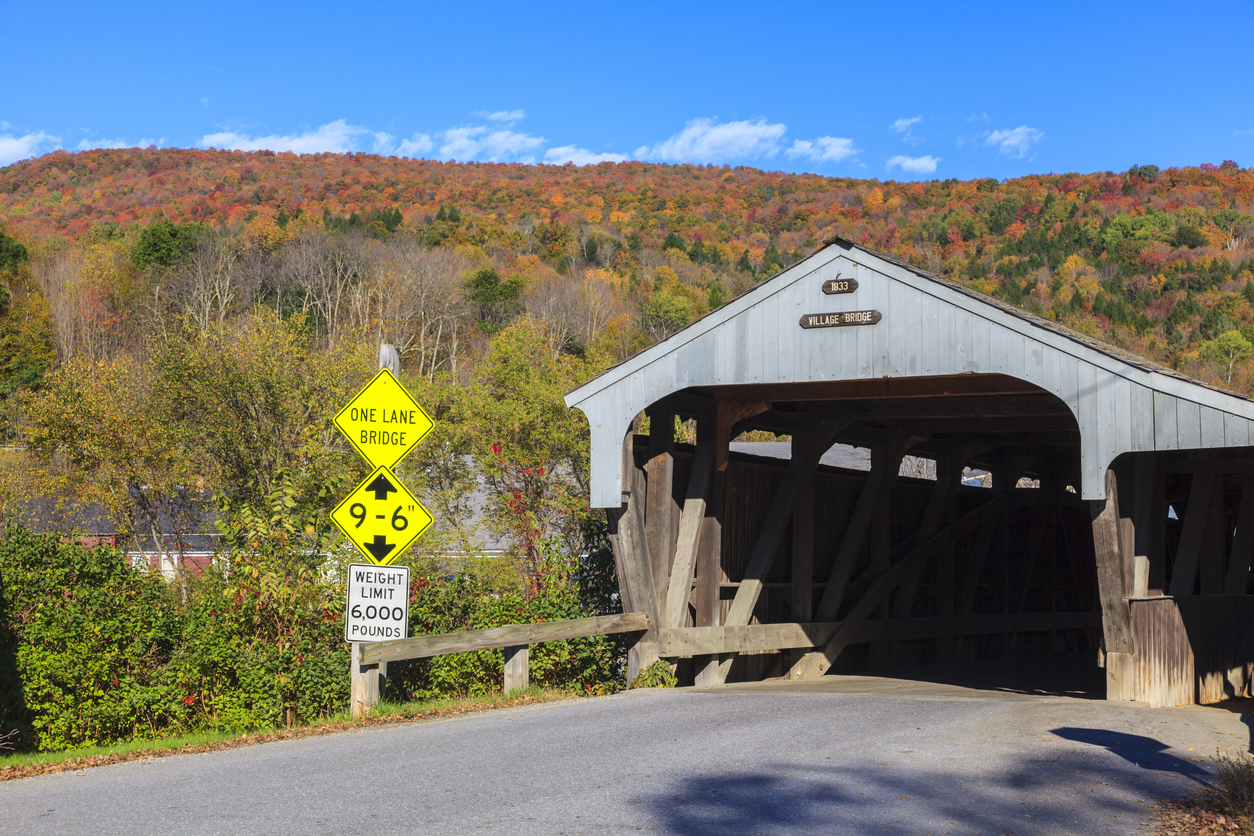
Forgetting to account for the RV’s height and width, leading to collisions with overpasses, bridges, or roadside obstacles.
Why It’s Dangerous:
Colliding with overhead structures can cause severe damage to your RV and pose significant safety risks to you and other motorists.
The Fix:
- Know Your Dimensions: Measure your RV’s height and width, including attachments like antennas and AC units.
- Plan Your Route: Use GPS systems designed for RVs that factor in clearance restrictions.
- Watch for Signs: Pay attention to road signs indicating height restrictions.
- Stay Alert: Be cautious in areas with low-hanging trees or narrow passages.
Word from the Mechanic:
Understanding your RV’s size is crucial. Many accidents occur because drivers underestimate their vehicle’s height or width. Always err on the side of caution when approaching bridges and overpasses. It’s better to take a longer route than to risk damaging your RV or causing an accident.
7. Driving Too Fast or Not Adjusting for Weather Conditions
The Mistake:
Exceeding safe speeds and failing to adapt driving habits in adverse weather conditions.
Why It’s Dangerous:
High speeds reduce reaction time and increase stopping distances. Poor weather can exacerbate these risks, leading to loss of control, skidding, or accidents.
The Fix:
- Observe Speed Limits: Adhere to posted speed limits for vehicles towing trailers.
- Drive Defensively: Maintain a safe following distance and be prepared for the unexpected.
- Adjust for Weather: Slow down in rain, snow, fog, or high winds.
- Stay Informed: Check weather forecasts and road conditions before and during your trip.
Word from the Mechanic:
Speeding while towing is a recipe for disaster. Your vehicle handles differently under load, and weather conditions can further impact control. Always drive at a speed that’s safe for the conditions, not just within the legal limit. Your safety and that of others depend on it.
Avoid These RV Mistakes
Towing an RV safely requires knowledge, preparation, and vigilance. By avoiding these seven deadly mistakes, you enhance not only your safety but also the enjoyment of your travels.
Always prioritize proper loading, equipment maintenance, and cautious driving practices.
Additional Tips for Safe RV Towing
Regular Maintenance: Keep up with scheduled services for both your tow vehicle and RV.
Stay Educated: Consider taking a towing safety course to improve your skills.
Use Technology: GPS systems designed for RVs can help you avoid roads with restrictions.
Join RV Communities: Engage with experienced RVers for advice and support.
We’ll Help You Find the Best Free Camping in the USA
You should give it a try!
As a matter of fact, these free campsites are yours to enjoy. Every time you pay federal taxes, you’re contributing to these lands.
Become a FREE CAMPING INSIDER and join the 100,000 campers who love to score the best site!
We’ll send you the 50 Best Free Campsites in the USA (one per state). Access the list by submitting your email below:
good to know about Flying J
I don’t recommend ever towing a trailer with cruise control on! I did and my gas milage was terrible, my rpm was forever high, and most damaging was my the excessive heat on my transmission over 285° (not good). But again, that’s my opinion, and experience.
I have been waiting for ever for your free camping sites!!!
Appreciated the 7 deadly sins article. Definitely I will be making a Check List as my father had before taking off in his plane every time even if we just landed to eat or whatever. Your list will be on it. Thanks again.
Good tips for safe camping 👍
When your on a budget, free is always good!
As long as I can get help doing some things I would love to go again. Physical disability makes it hard
Thank you, for all your great advice and information. I’m in my 70’s and been towing travel trailers or driving a motorhome for over 40 years but I’m still learning new things from your e-mails.
Thank you again.
#8 not using tow haul mode (if equipped) my father was shipping a couple horses and his 2015 Silverado went into limp mode while going down the highway as the transmission was overheating which is not something you want to experience going 60mph. You or your cargo!! Needed a new transmission shortly thereafter
I’d love to see the free camp sites.
Being a retired truck driver my self. We had too do Pre Trip Inspection! Everytime before going down to road! If you see something that is not right? Get fixed right then and now. Just be safe out there.