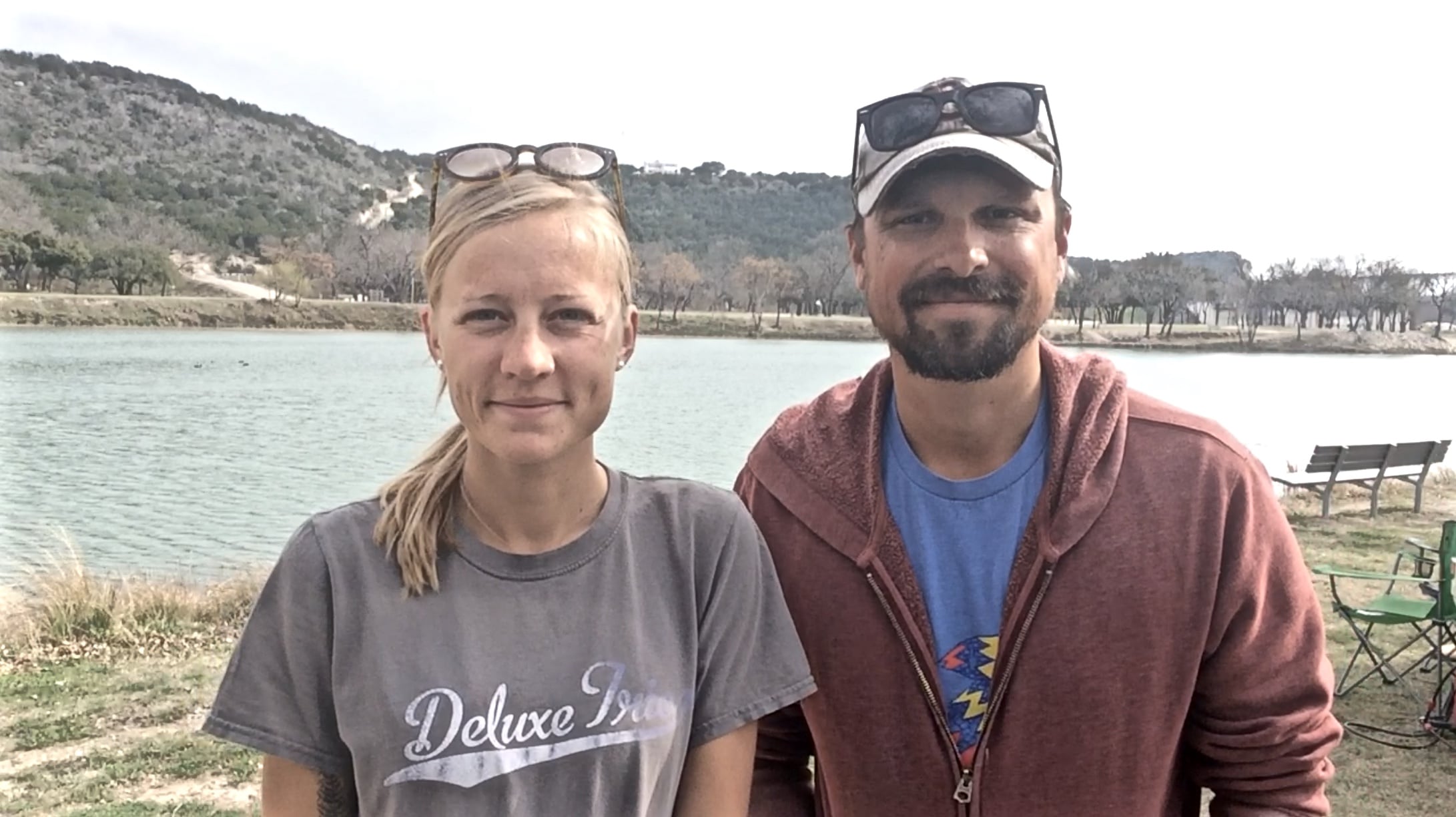
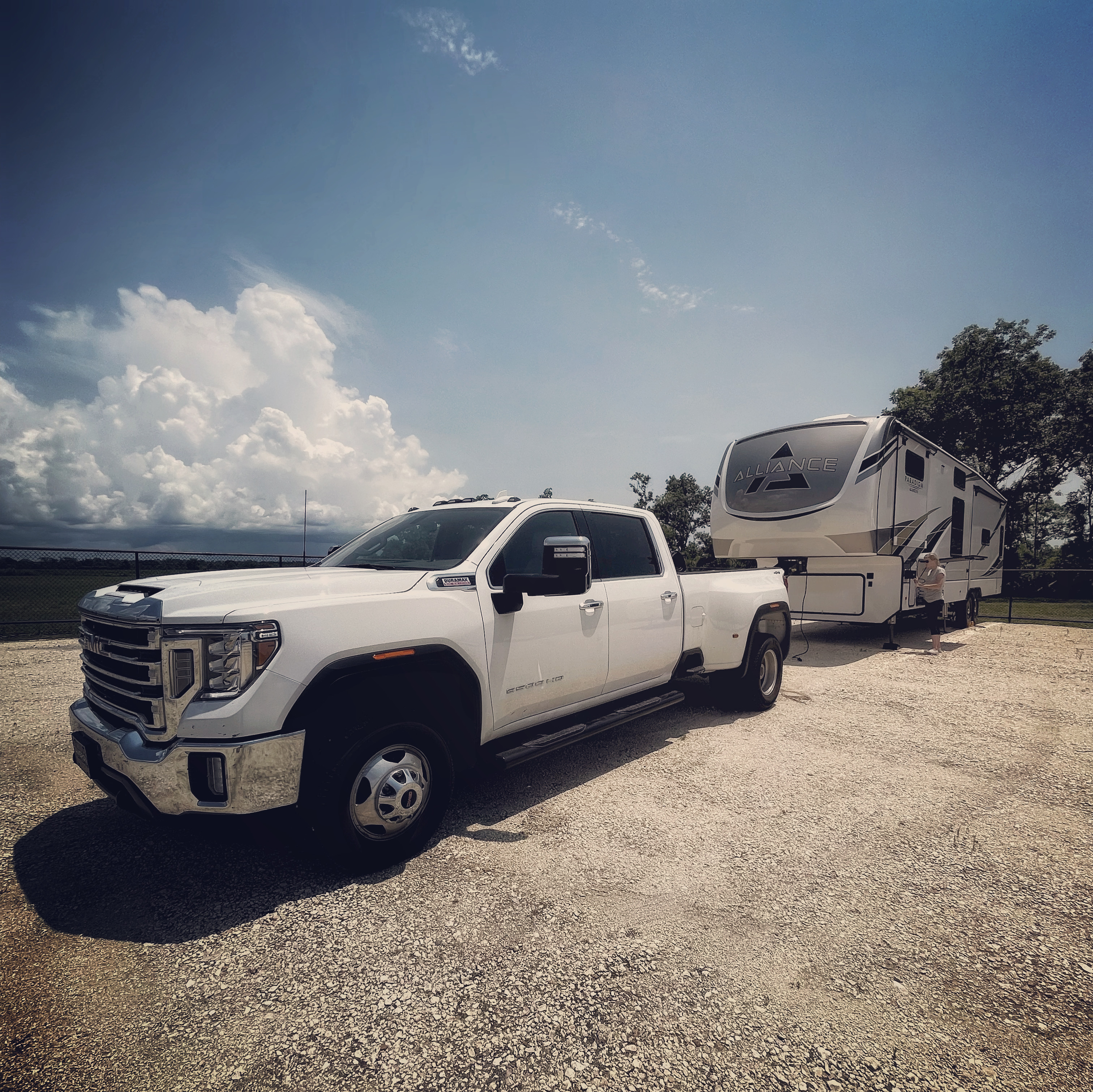
For four exhilarating years, my wife and I embraced the open road, living full-time in our RV and exploring the vast landscapes that America has to offer. Our Alliance 5th wheel was more than just a vehicle; it was our home, our sanctuary, and our gateway to adventure. We woke up to different horizons, met fascinating people, and collected stories that we’ll cherish forever.
But life has a way of steering you in unexpected directions, and now we find ourselves parked—quite literally—on our own four acres of farmland, living stationary in our RV while we undertake a total home renovation.
At first glance, it might seem like an ideal setup. We have a solid RV that fulfills our living needs, an exciting blueprint for our dream home set to be completed in 2025, and the serenity of rural life all around us. However, the reality is far from idyllic.
The transition from nomadic living to being rooted in one spot has been more challenging than we anticipated. The daily cons are piling up, and we’re starting to realize that “This Isn’t Working” as smoothly as we’d hoped.
The Allure of the Open Road
Before diving into the challenges we’re currently facing, it’s important to reflect on the lifestyle we’ve left behind. Living on the move was a dream come true. Every day was a new adventure, whether we were boondocking in the deserts of Arizona, nestled among the redwoods in California, or chasing fall foliage along the Blue Ridge Parkway. The freedom was intoxicating.
Our Alliance 5th wheel was our trusted companion, as well as the Airstream and Fiber Stream trailers.
It offered the comforts of home while allowing us to remain agile. We became experts at minimalist living, prioritizing experiences over possessions. We adapted to different climates, terrains, and communities, learning invaluable life lessons along the way.
Settling Down: The Big Decision
When we bought a piece of farmland, the idea of building a permanent home started to take root. We envisioned a place where we could cultivate a garden, perhaps keep some chickens, and have a stable base for family and friends to visit.
The blueprint for our dream home is nothing short of amazing—a fusion of rustic charm and modern sustainability. With an expected completion date in 2025, we thought living in our RV on the property would be a seamless temporary solution.
The Reality of Stationary RV Living
However, the shift from roaming the country to staying put has been jarring. Here’s why “This Isn’t Working” for us:
1. Loss of Freedom and Spontaneity
One of the biggest draws of full-time RV travel is the freedom to go wherever the wind takes you. Waking up to new vistas became our norm. Now, every morning, we open our door to the same view. While our farmland is beautiful, the monotony is stifling.
2. Infrastructure Limitations
When traveling, RV parks and campgrounds provide essential amenities: electricity hookups, water supply, sewage disposal, and Wi-Fi connectivity. On our undeveloped land, we’re lacking many of these conveniences.
- Power Supply: We’re relying heavily on generators and solar panels, which aren’t always sufficient, especially during overcast days.
- Water and Sewage: Without a proper septic system or consistent water source, we’ve had to find workarounds that are neither convenient nor sustainable in the long term.
3. Isolation
Traveling introduced us to new people constantly. Fellow travelers, locals, and other adventurers became part of our extended community. Now, we’re isolated. The nearest town is miles away, and social interactions have dwindled.
4. The Ongoing Construction
Living on a construction site is far from peaceful. The noise, dust, and constant presence of contractors disrupt any semblance of tranquility.
- Safety Concerns: Navigating around building materials and machinery poses daily risks.
- Privacy: With workers on-site most days, we feel like we’re always on display.
5. Maintenance Overload
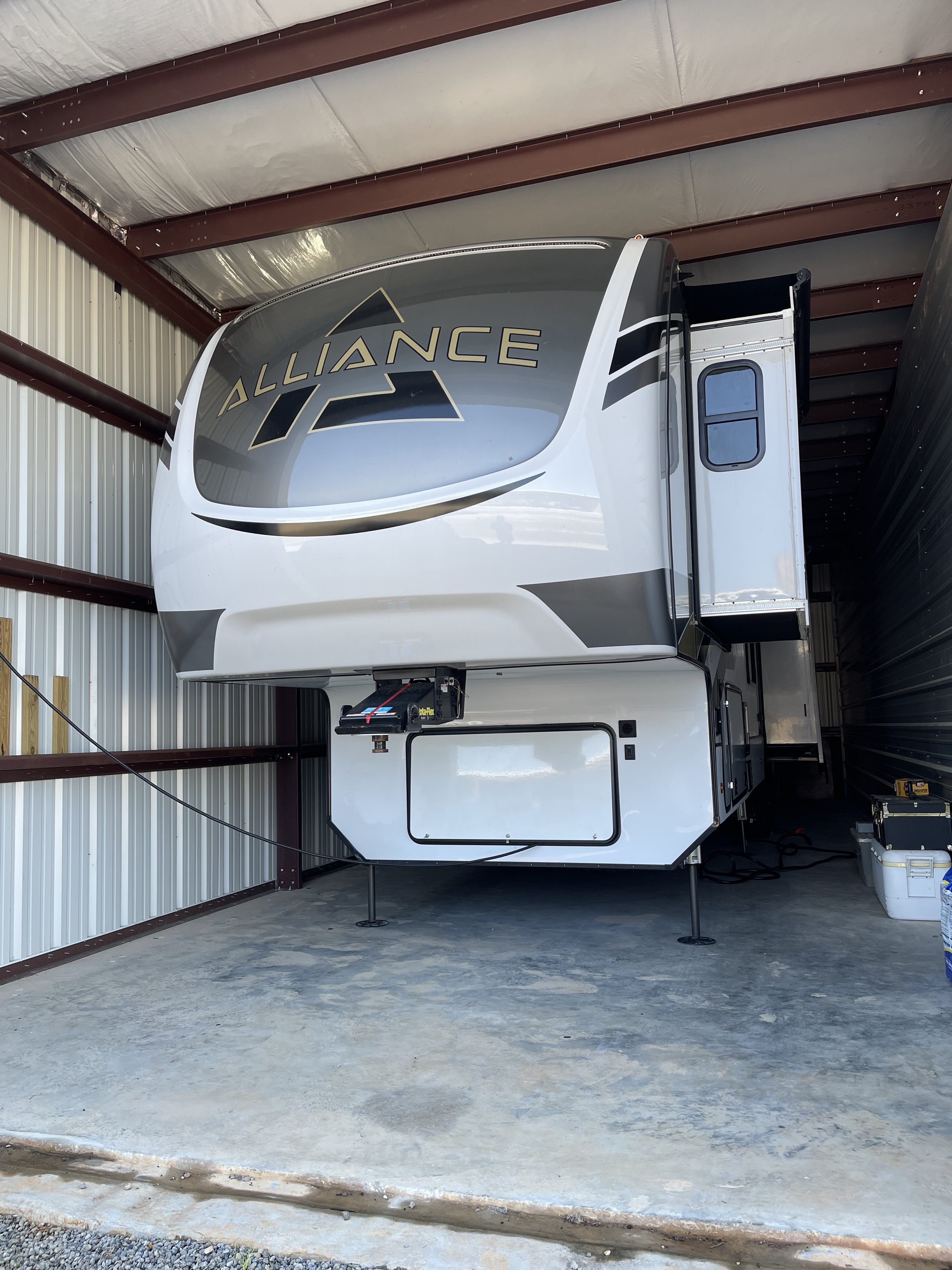
Our RV was designed for travel, not for serving as a long-term stationary home, especially in one location.
- Wear and Tear: The stationary position is causing uneven wear on the tires and suspension.
- Pest Problems: Being parked on farmland has introduced new challenges with insects and rodents finding their way into the RV.
6. Limited Space
While we were accustomed to the compact space of our RV during travel, being stationary makes the limited square footage feel even more confining.
- Accumulation of Stuff: With the intention of moving into a larger home, we’ve started acquiring more belongings, but there’s nowhere to store them.
- Cabin Fever: Without the distractions of travel, the small space can feel suffocating, especially on days when the weather keeps us indoors.
7. Environmental Challenges
Our land is beautiful but also exposed to the elements.
- Weather Extremes: Without the option to relocate, we’re subject to the full brunt of seasonal changes—scorching summers, frigid winters, and everything in between.
- Natural Disasters: Being in a rural area, we’re more vulnerable to events like storms or wildfires without immediate access to emergency services.
8. Financial Strain
While we expected to save money by living in our RV during the renovation, unforeseen expenses have cropped up.
- Utility Setup: Installing temporary utilities has been more costly than anticipated.
- Vehicle Costs: Frequent trips into town for supplies are adding up in fuel costs and vehicle wear.
9. Emotional Toll
Perhaps the most significant challenge is the emotional impact.
- Stress and Anxiety: The uncertainties of construction timelines and living conditions are taking a mental toll.
- Relationship Strain: Close quarters and high stress can amplify tensions, testing our patience and communication skills.
Coping Strategies We’ve Tried
To mitigate these challenges, we’ve attempted several strategies:
Enhancing Our Living Space
- Outdoor Living Areas: We set up a canopy and outdoor furniture to extend our living space. However, weather conditions often limit their use.
- Storage Solutions: Investing in storage sheds has helped but also clutters the property and adds to costs.
Improving Infrastructure
- Temporary Utilities: We’ve installed a temporary septic tank and water tanks, but they’re not as efficient as permanent solutions.
- Upgrading Power Systems: Additional solar panels and better batteries have improved our power situation marginally.
Staying Connected
- Social Outings: We make a point to visit friends and family regularly, but the distance makes it challenging.
- Online Communities: Engaging with fellow RVers and homeowners online provides some social interaction, but it’s not the same as face-to-face connections.
Lessons Learned
This experience has been a profound learning opportunity.
1. The Importance of Infrastructure
Underestimating the need for reliable utilities was a mistake. If we could do it over, we’d invest more upfront in setting up proper infrastructure.
2. The Value of Community
We took for granted the social aspects of traveling. Being part of a community, even temporarily, enriches life in ways we didn’t fully appreciate until now.
3. Flexibility is Key
Our lifestyle thrived on flexibility. Being anchored has highlighted how much we relied on the ability to adapt our environment to our needs, rather than adapting ourselves to a fixed environment.
4. Mental Health Matters
The stresses of this transition have underscored the importance of prioritizing mental health through mindfulness practices, open communication, and seeking support when needed.
Looking Ahead: What’s Next?
With the completion of our home still over a year away, we’re reevaluating our living situation.
Considering Alternative Accommodation
- Short-Term Rentals: Renting a small apartment or house nearby could alleviate many of our daily stresses.
- House Sitting: Offering our services as house sitters in exchange for accommodation.
Rejoining the Road
- Seasonal Travel: Resuming our travels during certain times of the year when construction slows down.
- Part-Time Nomadism: Balancing time on the property with periods of travel to regain some of the freedom we’ve lost.
Engaging with the Local Community
- Volunteer Work: Getting involved in local initiatives to build connections.
- Hosting Events: Inviting friends and family to the property for gatherings, turning our isolated spot into a hub of activity.
Final Thoughts: Is It Really Not Working?
While it feels like “This Isn’t Working” at times, perhaps it’s more accurate to say “This Isn’t Working—Yet.” Transitions are inherently challenging, and we’ve leaped from one extreme lifestyle to another. The key may lie in finding a balance that incorporates elements of both worlds.
Our journey isn’t just about building a physical home; it’s about redefining what home means to us. Maybe home isn’t a fixed location but a state of mind cultivated through experiences, relationships, and personal growth. This period of discomfort might be the catalyst we need to create a life that blends stability with adventure.
Could You Do It?
Living stationary in our RV during a home renovation sounded practical and even exciting at first. However, the daily cons have made it clear that this arrangement isn’t sustainable for us in its current form.
Acknowledging that “This Isn’t Working” is the first step toward making changes that will improve our quality of life.
Whether we decide to adjust our current setup, seek alternative accommodations, or hit the road again temporarily, the goal is to find a living situation that supports our well-being during this transitional phase. Life is too short to be mired in a situation that drains us, especially when solutions are within reach.
Our adventure isn’t over; it’s simply taking a new direction.
Just as we navigated the open road with curiosity and adaptability, we’ll approach this challenge with the same spirit. After all, every twist and turn adds depth to our story, and perhaps someday we’ll look back on this time as a pivotal chapter in our journey.
We’ll Help You Find the Best Free Camping in the USA
You should give it a try!
As a matter of fact, these free campsites are yours to enjoy. Every time you pay federal taxes, you’re contributing to these lands.
Become a FREE CAMPING INSIDER and join the 100,000 campers who love to score the best site!
We’ll send you the 50 Best Free Campsites in the USA (one per state). Access the list by submitting your email below: