I’ve been living and traveling in RVs for nearly a decade now, and while I’ve experienced nearly every bump and bruise that comes from life on the road, nothing has rattled me more than the ever-present, unseen danger of carbon monoxide (CO).
Especially during the colder months, when we’re all cranking up the heat inside our rigs, this silent killer can turn a cozy escape into a deadly trap.
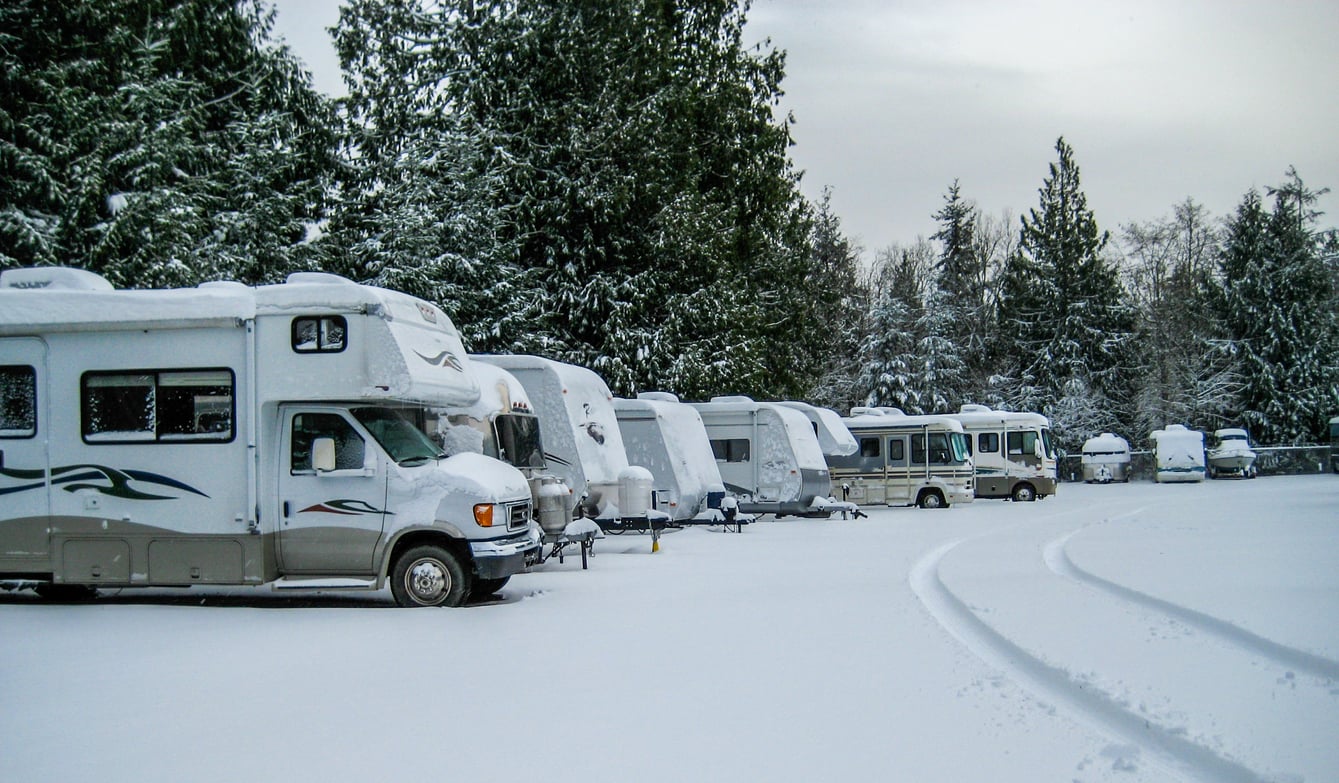
Understanding the Danger of Carbon Monoxide
Carbon monoxide is colorless and odorless, making it impossible to detect without the right equipment. It’s produced whenever a fuel source (like propane, gasoline, or even wood) isn’t properly combusting.
In an RV, the culprits can be numerous—malfunctioning furnaces, blocked exhaust pipes, portable heaters, old generators, or even that propane stove you use for whipping up morning pancakes.
If you’re caught unaware, carbon monoxide can build up insidiously until the concentration is high enough to cause headaches, dizziness, nausea, confusion, and, in the worst case, death.
Why Winter Increases the Risk
In winter, we seal ourselves inside our RVs to keep the cold out. That snug interior, with every window and door closed tight, leaves carbon monoxide nowhere to go.
On top of that, many of us rely more heavily on our RV’s heating systems—be it a propane furnace, a portable propane heater, or even a generator running for extra warmth or power. The very actions we take to stay warm can create the perfect conditions for carbon monoxide to accumulate.
How to Protect Yourself and Your Rig
- Invest in a Quality CO Detector:
You wouldn’t drive without a seatbelt, so don’t camp without a functioning carbon monoxide detector. Make sure it’s specifically designed for RVs and check the batteries regularly. Test it monthly to ensure it’s working. - Inspect Your Propane System and Appliances:
At the start of the cold season—and honestly, even before—get a professional to check your RV’s propane lines, furnace, and water heater. Ensuring that your appliances are in top shape reduces the odds of incomplete combustion. - Maintain Proper Ventilation:
While keeping warm air inside is a priority, it’s important to maintain some ventilation. If you’re using a portable propane heater (preferably an RV-approved type), crack open a window slightly to let fresh air circulate. Good airflow helps keep dangerous gases from building up. - Check Exhaust Vents and Chimneys:
Snow, ice, or even a stray bird’s nest can block your furnace’s exhaust outlet. Before firing up the heat, do a quick walk-around inspection to ensure all exhaust vents are clear and unobstructed. You’d be amazed how often a simple blockage can lead to dangerous CO accumulation. - Run Your Generator Safely:
Generators must always be operated outdoors in a well-ventilated area, away from windows, doors, and vents. Never run your generator inside your RV or under awnings. The carbon monoxide it produces can seep inside even if you can’t smell a thing. - Educate Yourself About the Symptoms:
Early detection of carbon monoxide poisoning symptoms can save your life. If you start feeling strange—like you have the flu without a fever—shut off appliances, ventilate the area, and get out into fresh air immediately. If the symptoms persist, seek medical attention.
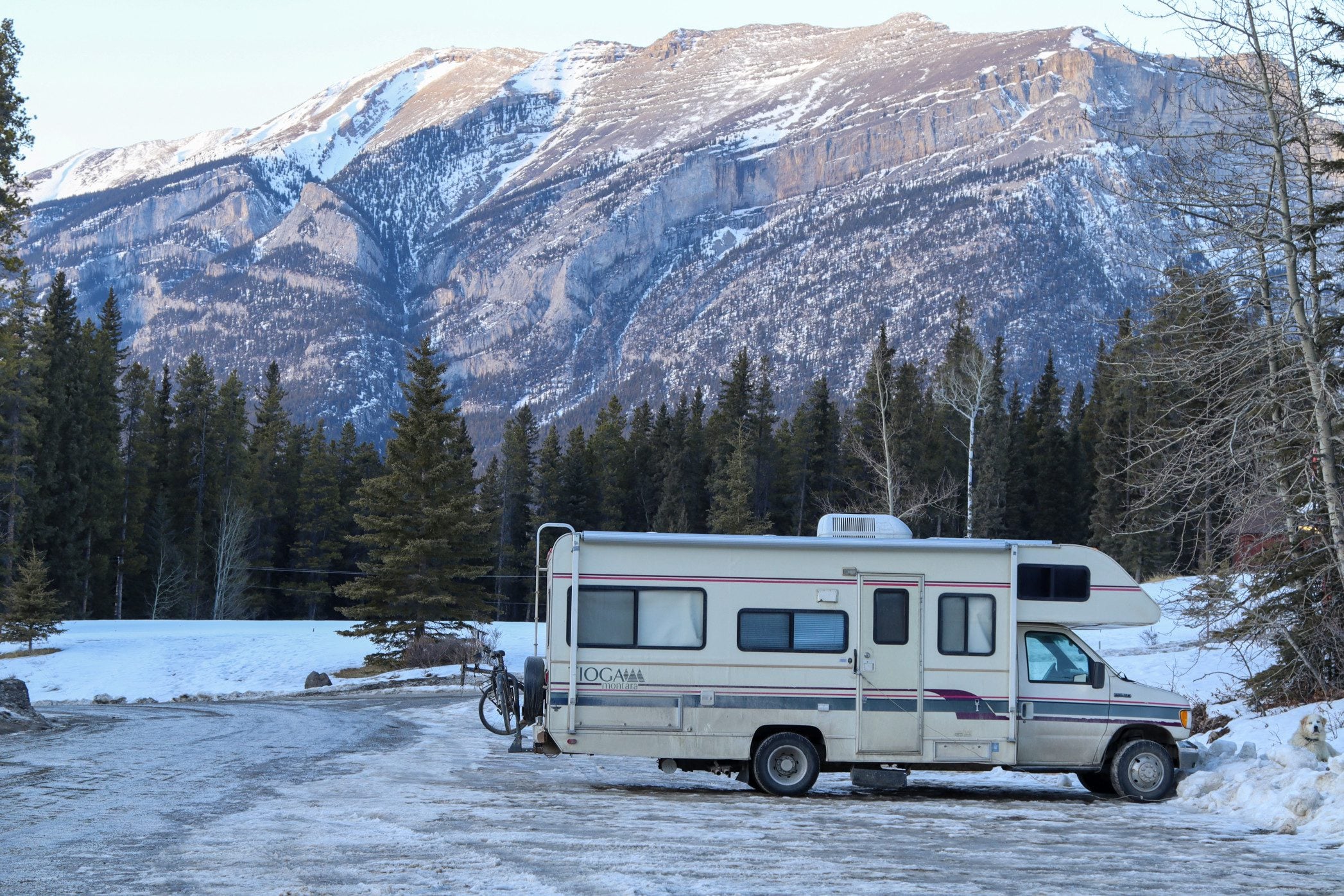
Peace of Mind on the Road
For over a decade, I’ve called campgrounds, rest stops, and scenic overlooks my home. With that experience comes respect for what you can’t see or smell. Carbon monoxide isn’t a risk you want to gamble with.
By taking a few simple precautions—investing in the right safety devices, staying on top of maintenance, keeping an eye on airflow, and knowing the signs—you can ensure that the only winter surprises you encounter in your RV are stunning snow-capped views and cozy nights by the campfire, not a brush with the silent killer.
PRO TIP: Is the Propane Mr. Buddy RV Heater Dangerous?
We’ll Help You Find the Best Free Camping in the USA
You should give it a try!
As a matter of fact, these free campsites are yours to enjoy. Every time you pay federal taxes, you’re contributing to these lands.
Become a FREE CAMPING INSIDER and join the 100,000 campers who love to score the best site!
We’ll send you the 50 Best Free Campsites in the USA (one per state). Access the list by submitting your email below: