The automotive landscape in 2025 will be more diverse and dynamic than any era before it. While the past decade has been defined largely by the rise of electrification and digital connectivity, the industry’s future goes well beyond EVs alone. In many segments, including heavy-duty trucks, SUVs, and commercial fleets, new technology will improve towing capacities, durability, efficiency, and driver comfort.
For those who still prize the capability of internal combustion engines—especially powerful diesels and newly refined gas powertrains—2025 will bring sophisticated updates rather than a full-scale retreat. At the same time, hybridization and advanced materials will enhance performance, payload, and range, appealing to buyers who want the best of both worlds.
This moment represents a pivotal turning point. Automakers, facing ever-tighter emissions regulations and fierce competition, know that consumers demand a spectrum of solutions. From mighty HD pickups that can tow massive trailers with ease, to hyper-efficient family haulers and ultra-luxe grand tourers, the market will cater to every taste.
Technologies like advanced driver assistance systems (ADAS), predictive navigation, and over-the-air (OTA) software updates will become near-universal. Battery-electric vehicles (BEVs) will still command headlines, but so will plug-in hybrids, hydrogen fuel-cell concepts, and improved gasoline and diesel engines that demonstrate remarkable refinement.
This is the year the automotive world proves it’s not about replacing every traditional powertrain overnight. Instead, 2025 will introduce a nuanced mix: the evolution of what works and the revolution of what’s next. Below, we explore the most exciting vehicles and trends you can expect, from heavy-duty towing champs to luxury sedans, from rugged SUVs to cutting-edge EVs—tapping into the broader automotive ecosystem that’s redefining mobility.
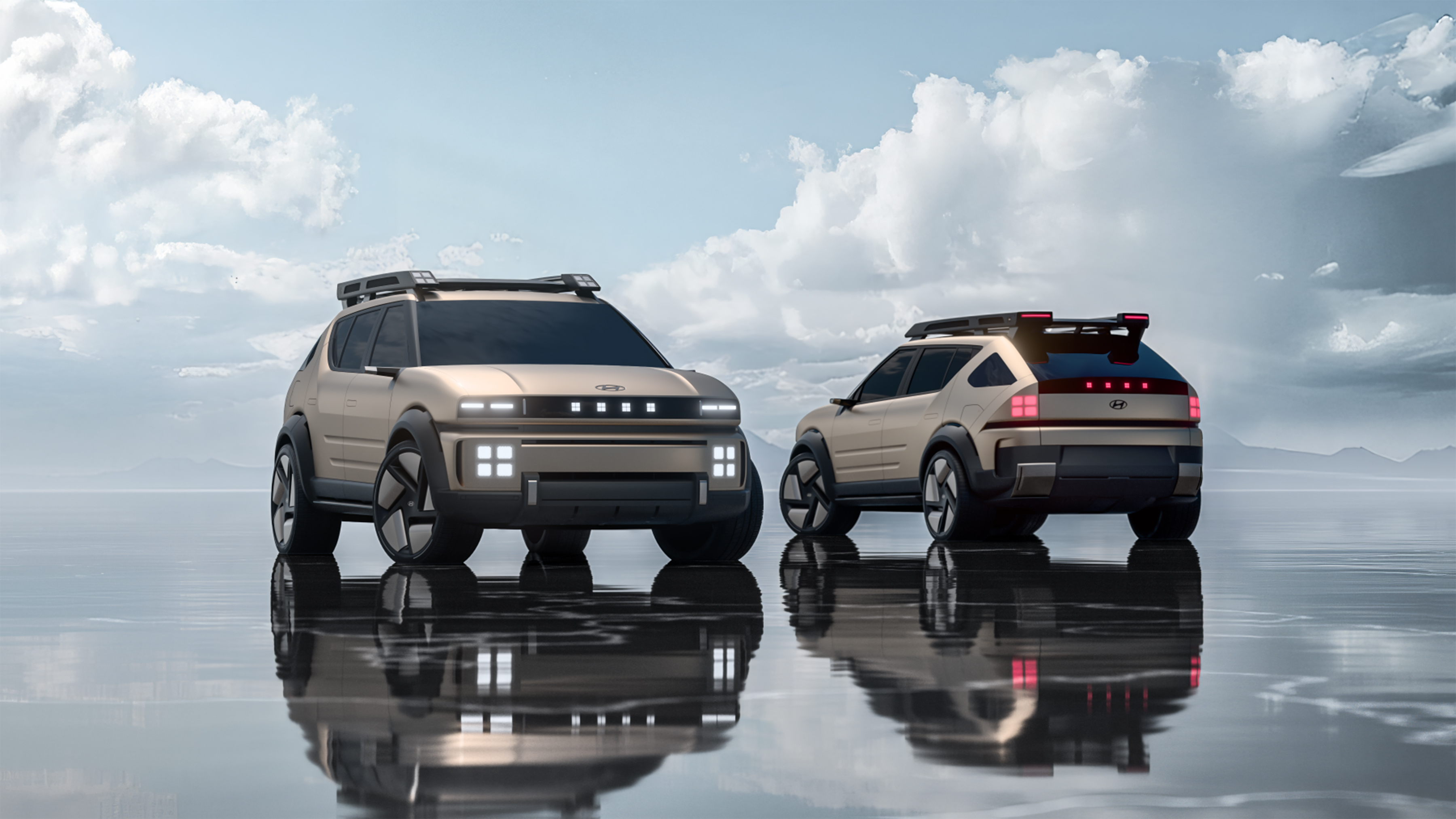
The Landscape of 2025: Choice and Capability
As we approach 2025, one of the defining features of the automotive market is diversity. The one-size-fits-all mentality no longer applies. Automakers have realized they must meet customers where they are—offering efficient electric compacts in urban centers, heavy-duty diesel-powered trucks for those hauling large trailers, and hybrid crossovers that balance emissions goals with long-distance capability.
The pressure to go green remains, but transitioning an entire global fleet takes time, and consumer demand for traditional powertrains still exists, especially in agriculture, construction, and towing-intensive lifestyles.
If 2020-2024 were the years of proving EV viability, 2025 and beyond will show how these different drivetrains coexist. Expect incremental improvements in internal combustion engine (ICE) efficiency, such as advanced turbo technologies, 10-speed (or more) automatic transmissions, and engine start-stop systems refined to the point of being almost imperceptible.
Parallel developments in alternative fuels—like renewable diesel—and strategic hybridization will help reduce emissions without sacrificing the torque and range critical to certain jobs.
1. Heavy-Duty Trucks: Towing to the Next Level
Arguably the stars of 2025’s show will be the new generation of heavy-duty (HD) pickups. While half-ton trucks have embraced electrification, the HD segment, responsible for hauling the heaviest loads and taking on the toughest jobs, will see some of the most substantial engineering advances in years.
These improvements won’t just be about raw grunt; they’ll also focus on making towing and hauling safer, more efficient, and more user-friendly.
Ford F-Series Super Duty Refresh: By 2025, Ford’s Super Duty lineup (F-250, F-350, and beyond) will gain notable enhancements. Expect redesigned frames using lighter yet stronger high-strength steel and aluminum alloys to boost payload and towing capacities. A newly tweaked 6.7L Power Stroke V8 diesel—possibly featuring improved turbo geometry and fuel injection—will deliver even higher torque peaks with smoother power delivery.
Coupled with an advanced 10-speed automatic transmission featuring predictive shift algorithms, these trucks will handle steep inclines and heavy trailers with unprecedented ease. Ford’s Pro Trailer Backup Assist will evolve further, integrating more sensors and even cloud-based data to simplify hitching and backing up large fifth-wheels or gooseneck trailers.
Ram Heavy Duty Innovations: Ram has never shied away from torque wars, and by 2025, their HD lineup will likely push beyond the psychological 1,100 lb-ft barrier for diesel torque. Working closely with Cummins, Ram’s improved high-output diesel could come paired with new transmissions designed for seamless towing. Advanced camera systems, including bed-mounted and trailer-mounted wireless camera links, will give the driver a 360-degree view of what’s behind them.
Additionally, Ram may introduce integrated trailer sway mitigation that actively adjusts engine torque and trailer braking systems on the fly. Expect to see more comfortable interiors, with massaging seats and premium sound, ensuring that even long-distance towing trips are pleasurable.
Chevrolet Silverado HD and GMC Sierra HD Evolution: GM’s heavy-duty trucks, both under Chevrolet and GMC nameplates, will also receive powertrain refinements. Look for next-level turbo-diesel V8s featuring enhanced aftertreatment systems that reduce emissions without sacrificing capability. GM is investing in multi-camera towing setups, transparent trailer technology (allowing you to virtually “see through” the trailer on the infotainment display), and improved in-bed scales that provide real-time payload measurements.
The integration of Super Cruise or a similar advanced driver-assist system tailored to towing might become a selling point, making highway driving with a heavy load more relaxing and safer.
2. Full-Size SUVs: Balancing Muscle and Efficiency
For 2025, the classic full-size SUV—long a mainstay for families, adventurers, and professionals needing big space—will evolve to deliver better fuel efficiency, improved towing capabilities, and luxurious appointments.
Many of these SUVs will share platforms with their heavy-duty truck siblings, and thereby gain access to the same advanced drivetrains, suspension systems, and driver assistance features.
Chevrolet Tahoe/Suburban & GMC Yukon: GM’s full-size SUVs are already market leaders, and by 2025, they’ll refine the formula. Expect optional diesel engines with slightly higher outputs and smoother torque curves. Gasoline variants may incorporate mild-hybrid systems that deliver extra torque at low speeds and smoother start-stop operation.
Towing packages will become more sophisticated, including integrated trailer brake controllers, automatic load-leveling suspensions, and predictive drive modes that adjust power delivery and transmission behavior based on trailer weight and incline predictions. Inside, the cabins will be more upscale, with larger infotainment screens, rear-seat entertainment with streaming capability, and possibly even augmented reality head-up displays that assist in navigation while towing.
Ford Expedition and the Return of Excursion?: Rumors persist that Ford might bring back a truly massive SUV—something akin to the old Excursion—built off the Super Duty platform. Whether or not that happens by 2025, the Expedition is set to gain improved EcoBoost V6 engines, possibly with plug-in hybrid assistance.
Such a configuration can deliver exceptional torque for towing boats or campers, while shutting down some cylinders at cruising speeds to save fuel. The Expedition’s towing assists may include a dedicated off-road towing mode, pairing low-range gearing with smart traction management to tackle campsites deep in rough terrain.
Toyota Sequoia and Nissan Armada: The Japanese contenders will not be left behind. Toyota’s newly redesigned Sequoia (launched in the early 2020s) will receive incremental updates. Its twin-turbo V6 hybrid powertrain—already a torque monster—could be fine-tuned for even better towing performance and improved fuel efficiency.
Nissan’s Armada, on the other hand, might offer a turbodiesel variant for specific markets or a robust gas-hybrid setup that provides strong low-end torque. Both will highlight advanced safety systems, lane-centering assist when towing, and adaptive damping suspensions to ensure stable handling under heavy loads.
3. Mid-Size Trucks and SUVs: Turbo Efficiency and Versatility
Not everyone needs the brute force of a 3500-series pickup. For many, a mid-size truck or SUV that can tow a few thousand pounds, haul weekend gear, and fit comfortably in urban parking lots is ideal.
The year 2025 will see major improvements in this category as well, with turbocharged engines, hybrid assists, and improved suspensions leading the charge.
Ford Ranger and Toyota Tacoma: By 2025, the Ranger will likely offer a performance-oriented plug-in hybrid variant. This setup might deliver around 300-350 horsepower with instant torque courtesy of the electric motor. Such a powertrain can enhance towing capacity to perhaps 7,500 pounds, while maintaining good fuel economy and reducing emissions.
Toyota’s Tacoma, traditionally a segment leader, will likely showcase a next-gen turbocharged four-cylinder—possibly a hybrid—that matches or exceeds the old V6 in power and torque. Expect multi-link rear suspensions for better ride comfort, advanced off-road packages with front and rear lockers, and trailer guidance systems that simplify hooking up a camper or small boat.
Jeep Gladiator and Wrangler Updates: Jeep has carved a niche for adventure-oriented trucks and SUVs. By 2025, the Gladiator and Wrangler might offer improved towing thanks to revised frames and stronger axles. Diesel or plug-in hybrid options could become more prevalent, delivering high torque for pulling off-road trailers.
Expect Jeep’s Selec-Trac or Rock-Trac 4×4 systems to incorporate trailer sway control and downhill assist modes, making it simpler for enthusiasts to tow their overlanding gear into remote territories.
4. Luxury Sedans and Grand Tourers: Sustainable Power and Long-Distance Comfort
The luxury segment in 2025 will increasingly blend sustainability with comfort and performance. While many luxury sedans and grand tourers will be fully electric, a fair number will feature high-efficiency gasoline-hybrid drivetrains. Don’t be surprised to see luxury models boasting six-cylinder engines paired with sophisticated hybrid systems that emulate V8 power without the associated consumption.
BMW 7 Series and Mercedes-Benz S-Class: These flagship sedans, icons of luxury and technology, will push boundaries once more. Expect next-level plug-in hybrids capable of traveling 50-60 miles on electric power alone—enough for daily errands—while retaining a powerful gasoline engine for long trips.
Towing might not be their main attribute, but their dynamic capability, quiet ride, and autonomous features will be unparalleled. The latest suspension systems, with predictive dampers that scan the road ahead and adjust accordingly, will ensure a limousine-like experience.
Porsche Panamera and Audi A8: Porsche’s Panamera could introduce a high-performance plug-in hybrid variant that, while not a towing machine, sets new standards for efficiency and speed. The Audi A8, on the other hand, may feature an advanced mild-hybrid V8 to balance performance and efficiency, along with rear-wheel steering and active aerodynamics for stable high-speed cruising.
Both brands may integrate sustainable materials like recycled metals, responsibly sourced leather alternatives, and even bio-based plastics, illustrating luxury’s shift toward environmental stewardship.
5. Commercial Vehicles, Vans, and Fleet Solutions
The commercial sector often focuses on cost-effectiveness, durability, and uptime. By 2025, expect significant improvements in work vans and light commercial trucks.
Even those that remain diesel-powered will benefit from cleaner combustion technology, longer service intervals, and advanced telematics that help businesses manage fleets more efficiently.
Ford Transit and Mercedes-Benz Sprinter Updates: Delivery vans like the Transit and Sprinter may offer hybrid powertrains to reduce fuel consumption in stop-and-go urban environments. They’ll incorporate advanced navigation that optimizes routes for minimal idle time and integrate with smart traffic management systems.
Trailer-assistance packages and flexible modular interiors will help small businesses customize these vans for diverse applications—from mobile workshops to camper conversions.
Chevrolet Express and Ram ProMaster: Traditionally more conservative, these van lines will also adopt new transmissions and possibly downsize engines while adding forced induction (turbocharging) to maintain torque.
The result: better fuel economy without sacrificing payload or towing capability. Inside, expect improved ergonomics, larger infotainment screens for route planning, and better connectivity options—features that matter to commercial drivers who spend long hours on the road.
6. Performance and Sport Trucks: Muscle, Agility, and Modern Tech
Performance trucks and sport-oriented SUVs will not fade away. In fact, 2025 could see even more horsepower and torque, balanced by better suspension technologies and more intelligent drive modes.
Whether powered by an improved internal combustion engine, a hybrid setup, or even a high-performance diesel, these vehicles will be about blending fun with functionality.
Ford F-150 Raptor and Ram TRX Evolutions: These off-road titans will continue their rivalry. The Raptor might gain a hybrid V6 that outperforms the previous V8 in torque, ensuring explosive acceleration and improved fuel economy. Enhanced Fox Live Valve shocks or adaptive Bilstein dampers will offer even better high-speed off-road stability.
Ram’s TRX, on the other hand, might refine its supercharged V8 or add a hybrid element to deliver neck-snapping torque right off the line. Intelligent terrain mapping systems will use GPS and sensor data to adapt suspension settings and differential locks before the truck even encounters the obstacle.
Toyota Land Cruiser and Lexus LX: For those who prefer a more refined approach to performance and capability, the Land Cruiser and its Lexus counterpart, the LX, will exemplify luxurious off-roading. Expect electronically controlled anti-roll bars that can disconnect for better articulation, hybrid powertrains that provide instant torque for rock crawling, and cameras that display what’s underneath the vehicle for precise maneuvering.
Towing capacity won’t reach HD truck levels, but will be respectable enough for boats and mid-sized trailers, all while surrounded by leather, wood, and state-of-the-art infotainment.
7. Hybrids and Alternative Fuels in Workhorse Segments
While pure EVs garner headlines, hybrids and alternative fuels (like hydrogen or renewable diesel) might truly shine in heavy-duty and commercial segments. These powertrains offer lower emissions and better efficiency without the range anxiety that still concerns some buyers.
Hydrogen Fuel-Cell Pickups: By 2025, a few pilot programs and limited-production hydrogen fuel-cell pickups may emerge. Companies like Toyota and Hyundai, which have invested in hydrogen technology, could team up with fleet operators to test these vehicles in the field.
The promise: quick refueling times akin to gasoline, zero emissions at the tailpipe, and torque-rich electric motors. If infrastructure grows, these pickups may offer a compelling alternative for long-haul towing and remote operations where charging stations are scarce.
Renewable Diesel and Synthetic Fuels: Traditional diesel engines running on renewable diesel or synthetic fuels could drastically reduce the carbon footprint of heavy-duty vehicles. This approach allows owners to use familiar refueling infrastructure while enjoying cleaner combustion.
In agricultural or construction settings, where reliability and ease of fueling are critical, this strategy could become a favorite. Expect some automakers to highlight compatibility and warranty coverage for these alternative fuels, encouraging more widespread adoption.
8. Advanced Driver Assistance and Connectivity Features
No matter the powertrain or size class, vehicles in 2025 will showcase impressive technology aimed at making driving safer, easier, and more enjoyable. Trailer backup assist systems, predictive cruise control, and lane-centering capabilities will be refined further.
Additionally, 5G connectivity and integrated cloud services will make infotainment systems faster and more capable, with real-time mapping, traffic data, and even predictive maintenance alerts.
Comprehensive Towing Assistance: Consider a heavy-duty truck equipped with sensors that automatically measure trailer weight and length, adjust brake bias accordingly, suggest optimal drive modes for terrain and weather, and provide step-by-step guidance during hitching.
Imagine cameras that offer a near-seamless 360-degree trailer view, making it feel as if you’re towing nothing at all. These features reduce stress and uncertainty for both novice and experienced tow masters.
OTA Updates and Customization: Vehicles in 2025 might get better over time. Over-the-air software updates can fine-tune powertrain calibrations for better fuel efficiency, update towing algorithms, or add new infotainment apps.
With subscription-based models, you could even unlock extra towing guidance features or advanced off-road navigation tools as needed. Your vehicle becomes not just a static asset, but a constantly improving platform tailored to your evolving needs.
9. Interior Comfort, Materials, and Ergonomics
Improved towing and performance capabilities are only part of the equation. Interiors matter immensely, particularly for those spending long hours on the road. Manufacturers will strive to provide supportive seats, intuitive controls, and plush materials that resist wear and tear.
Durability Meets Luxury in Trucks: Expect heavy-duty trucks to feature premium leather seats that stand up to mud and grime, as well as rubberized flooring that can be easily hosed out.
Climate-controlled massaging seats, advanced noise-cancellation technology, and panoramic sunroofs will not be exclusive to luxury cars. Rather, you’ll see them in well-appointed towing rigs, making the boundary between work truck and luxury SUV blur further.
User-Friendly Controls and Larger Screens: Larger infotainment screens, some spanning over 15 inches, will display multiple data sets simultaneously—navigation, trailer status, engine metrics—so you don’t need to toggle through menus.
Physical controls for critical functions like trailer brake gain adjustment might remain for intuitive operation. Voice commands will become more natural and context-aware, allowing you to ask the system for towing tips, nearest diesel stations, or service centers by voice.
10. The Role of Sustainability and Corporate Responsibility
While not every 2025 vehicle will be zero-emission, the industry’s push toward sustainability will influence design, manufacturing, and disposal practices. Expect more recycled and bio-based materials in interiors.
Frames and body panels will incorporate lighter alloys and composites to improve efficiency. Even diesel engines will become more refined, with improved emissions aftertreatment systems to reduce NOx and particulate matter.
Life-Cycle Approaches: Manufacturers will highlight the full life-cycle impact of their vehicles, not just tailpipe emissions. This might include using recycled aluminum in the body structure, employing green energy in manufacturing plants, and ensuring that engines, transmissions, and batteries (in hybrids) can be reused or recycled efficiently.
The goal: reduce the carbon footprint across the entire supply chain.
Corporate Initiatives: Consumers increasingly care about brand values. Automakers will promote their partnerships with environmental organizations, highlight reforestation projects, or invest in charging and fueling infrastructure that benefits local communities.
Even heavy-duty trucks might come with an app that helps owners offset their carbon footprint through verified projects, enabling conscientious buyers to align their purchase with personal values.
11. The Coexistence of Multiple Drivetrains
A recurring theme in 2025 is the idea of coexistence. We won’t see a single “winner” in the drivetrain race. Instead, consumers can choose from gasoline, diesel, hybrid, plug-in hybrid, battery-electric, and even hydrogen options depending on their use case.
Those who primarily tow heavy loads over long distances and can’t afford downtime might stick to advanced diesel or hybrid powertrains.
Others, who do shorter commutes and occasional trailer pulling, might prefer an efficient plug-in hybrid or even a capable EV with fast-charging capabilities.
Global Variations: Market preferences will vary by region. North America might still favor powerful trucks and SUVs, while Europe and parts of Asia lean more heavily into electrification and compact sizes. However, global platforms will allow automakers to mix and match powertrains.
A truck sold in the U.S. with a big diesel option might also be available in Europe as a plug-in hybrid. Flexibility and modular design will define manufacturing strategies.
12. EV Trucks and Their Improved Towing Capabilities
Though we aimed to avoid an EV-centric narrative, it’s impossible to ignore the strides that electric trucks are making.
By 2025, EV trucks from established brands and startups will improve their towing range and charging infrastructure. Battery packs will feature higher energy densities, and thermal management systems will mitigate range loss when towing heavy loads.
Chevrolet Silverado EV and Ford F-150 Lightning Updates: Expect second-generation electric trucks with better battery technology, possibly solid-state packs. Faster DC charging—perhaps up to 350 kW—could replenish batteries quickly during long hauls.
Over-the-air updates will optimize torque delivery and traction management, making EV trucks increasingly viable for towing medium-sized trailers without constantly hunting for charging stations.
Rivian and Other Startups: Rivian’s R1T and potential R2 series might refine their towing modes, offering precise energy consumption estimates.
Cloud connectivity could plan charging stops along your route that accommodate trailers without detaching. These improvements highlight that while we’ve broadened our view, electrification remains a key part of the 2025 story, even in the towing segment.
13. The Human Element: Driver Training and Support
Advanced vehicles can only do so much. Recognizing that not everyone is a seasoned pro at towing, some automakers might introduce driver training modules built into infotainment systems.
Imagine tutorial videos, AR-guided hitch alignment, and interactive lessons on weight distribution.
Smartphone Integration: Your phone might sync with the truck’s system to offer practice scenarios in augmented reality before you even hitch a trailer.
Gamification could reward you for safe towing habits, smoother braking, or efficient route planning. By empowering drivers with knowledge, the industry ensures these advanced vehicles are used to their fullest potential.
14. Regulations, Standards, and Safety Testing
With more powerful vehicles on the road and complex drivetrains, regulators and safety organizations will keep pace. By 2025, new standards might require more robust trailer braking systems, standardized trailer weight sensing, or improved rear-light communication on trailers.
Independent organizations could start rating not just the vehicle, but the vehicle-trailer combination, giving buyers clearer guidance on which setups are safest and most stable.
ADAS Standardization: As advanced driver-assistance systems become widespread, regulators might mandate baseline capabilities like automatic emergency braking and lane-keeping assist for vehicles over certain weight thresholds.
This ensures that even the largest, heaviest vehicles remain safe for occupants and other road users.
15. Conclusion: A Collection of Technologies and Choices
As 2025 dawns, the most exciting vehicles will not be defined by one technology but by a collection of advancements.
Heavy-duty trucks will feature torquier diesels, smarter transmissions, and trailer management systems that transform towing into an art. SUVs will balance size, comfort, and efficiency, offering hybrid and turbocharged options that maintain capability without guzzling fuel.
Luxury sedans and sports cars will integrate hybrid power to blend performance with responsibility. Commercial vans and fleet vehicles will leverage connectivity and efficient engines to cut costs and emissions.
Electric vehicles will continue to break new ground, but ICE, hybrid, and alternative-fuel powertrains will hold their own, especially where towing and long-range hauling remain critical. The industry’s goal is no longer to merely move forward in one direction; it’s to evolve on multiple fronts, ensuring that every buyer—be they a contractor hauling equipment, a family towing a travel trailer, or an executive seeking luxurious comfort—finds a solution tailored to their needs.
In essence, 2025 represents a crossroads where tradition and innovation intersect.
The market will reveal that progress comes in many forms, and the road ahead is paved with possibilities. Whether you’re drawn by the roar of a powerful diesel engine, the silence of an electric motor, or the balance of a hybrid drivetrain, you’ll find something thrilling and transformative waiting in the showrooms.
This is not the end of an era, but the beginning of a new, richly varied chapter in automotive history.
We’ll Help You Find the Best Free Camping in the USA
You should give it a try!
As a matter of fact, these free campsites are yours to enjoy. Every time you pay federal taxes, you’re contributing to these lands.
Become a FREE CAMPING INSIDER and join the 100,000 campers who love to score the best site!
We’ll send you the 50 Best Free Campsites in the USA (one per state). Access the list by submitting your email below: