I have been living part-time in my RV for many years. My wife and I started out with a small fiberglass camper, then moved up to an Airstream travel trailer, and finally ended up in a spaciuos Alliance fifth wheel that we call our home on wheels.
Over the years, I’ve spent more money than I’d like to admit on upgrades for our RV. Some of them have been wonderful, making life on the road easier and more comfortable. But others? Let’s just say I’ve kicked myself many times after realizing I’d wasted good money on bad idea
I’m sharing my personal experiences, my regrets, and a few hard lessons learned so that you don’t end up making the same mistakes.

1. High-End, Over-Priced RV Mattresses
What I Bought:
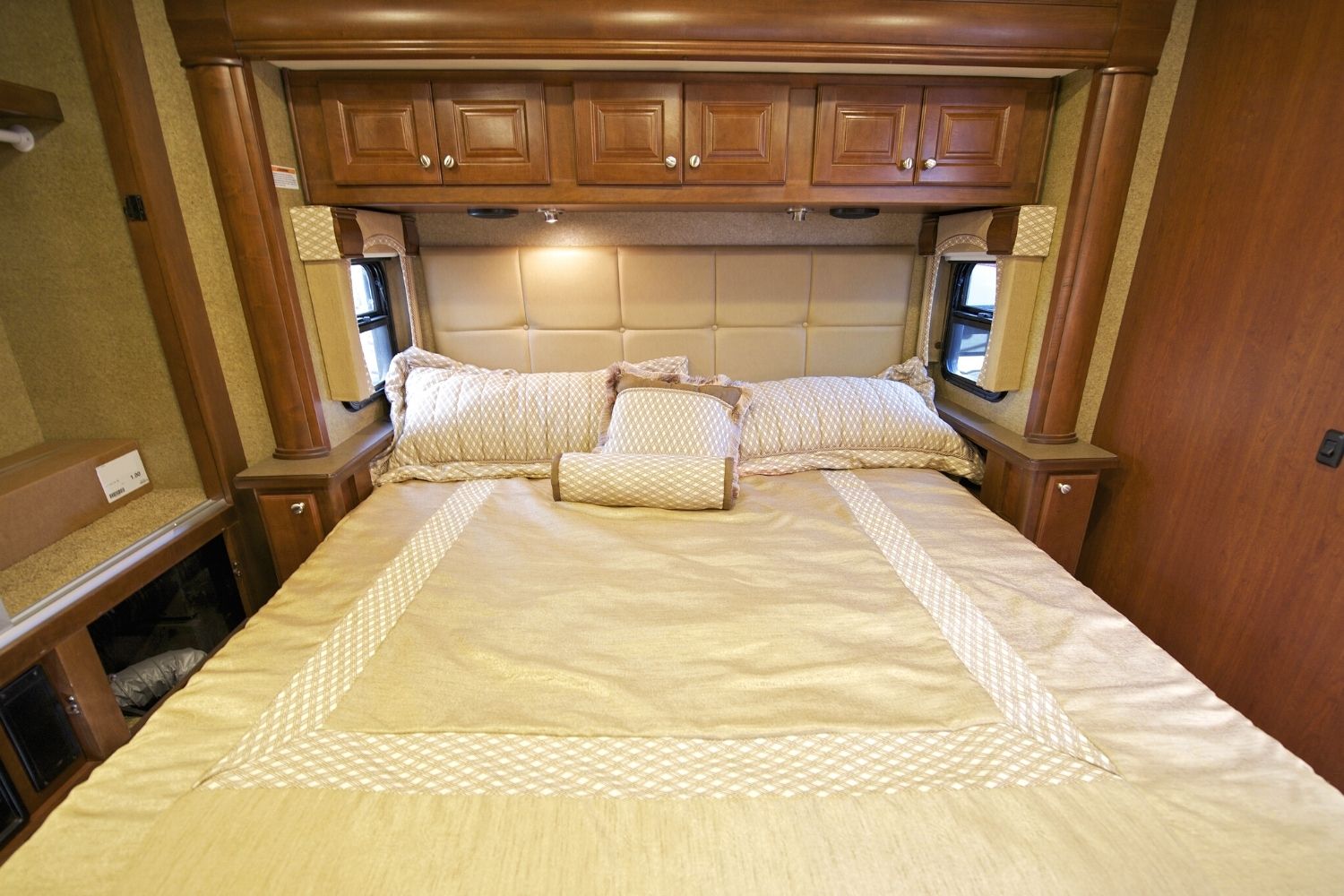
It started with a mattress. The bed that came with our RV was thin and uncomfortable, and I wanted to sleep better. So, I spent a small fortune on a custom-sized, high-end memory foam mattress designed just for RVs.
It sounded like a dream—until I actually tried living with it.
What Went Wrong:
The mattress, while comfortable for the first few months, began to sag. Also, because it was a special RV size, fitting sheets became a real chore.
The biggest issue was that the pricey mattress didn’t breathe well. I woke up feeling sweaty and hot, which made sleeping tough. In the end, it was no better than a far cheaper, standard-sized mattress topper on a regular mattress.
What I’d Do Instead:
If I could go back, I’d just buy a regular foam topper from a local store. Then, I’d invest in good-quality linens and maybe even a mattress protector that helps with airflow.
You don’t need to spend a thousand dollars on a “luxury” RV mattress. Just make the one you have more comfortable.
2. Overly Complicated Solar Panel Systems
What I Bought:
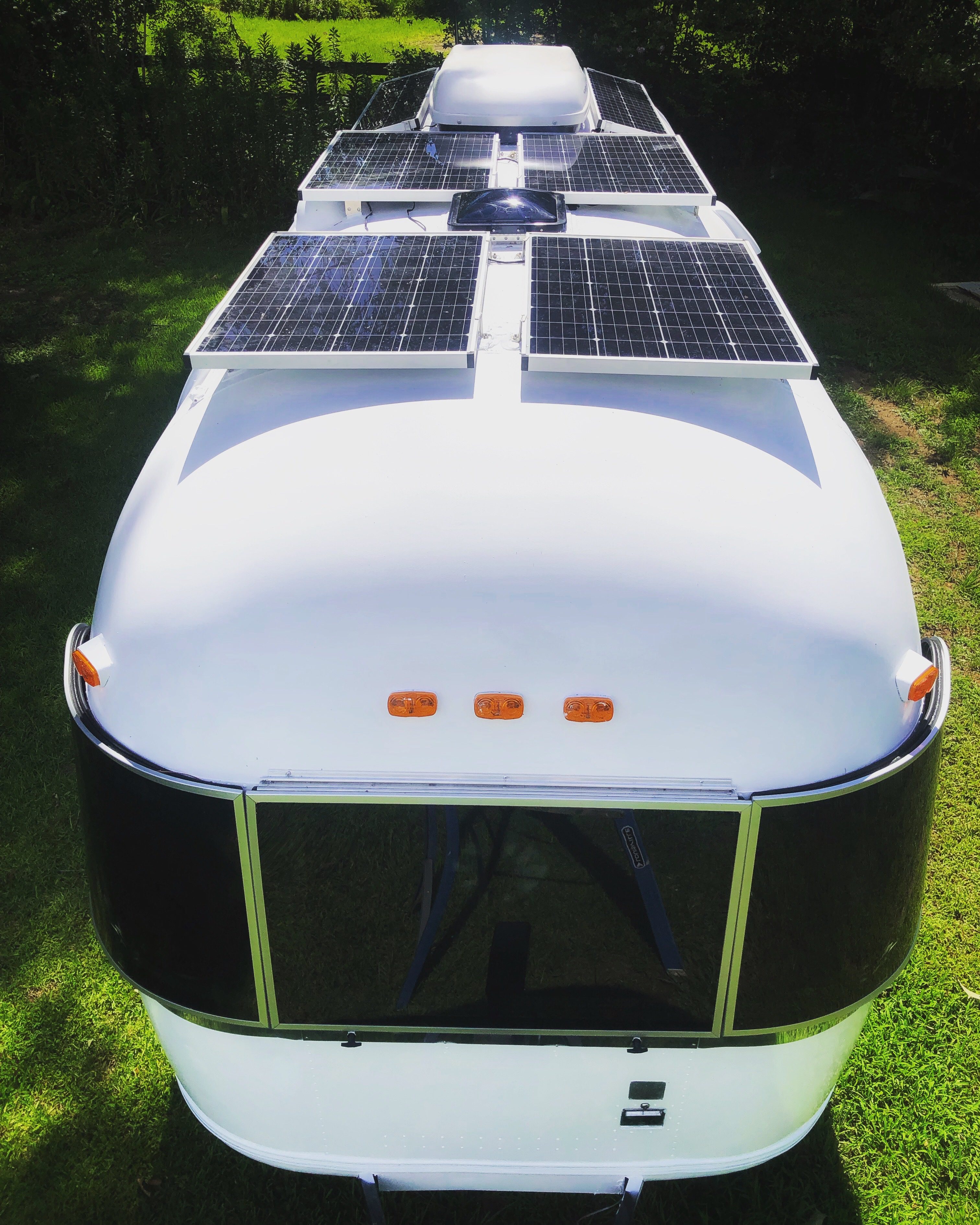
Solar power is very tempting for RVers. I loved the idea of boondocking without worrying about running out of power. So, I got talked into buying a top-of-the-line solar panel system with all sorts of bells and whistles.
We’re talking more panels than I needed for our ting rig, an expensive inverter that wasn’t so powerful, and special batteries that cost a fortune.
What Went Wrong:
First of all, I ended up with more panels than I actually used. Unless you’re camping off-grid for extended periods, you might not need a super-heavy-duty system. The wiring was also complex, which meant I had to hire a pro to install it.
When something went wrong with the inverter (and it did, of course), it was expensive to fix. Plus, the extra weight of all those panels and batteries added up, eating into my cargo capacity.
What I’d Do Instead:
I would start small. A simpler, more affordable solar setup that matches my actual energy needs would have been perfect (an outdoor easy-attach kit is a great start). There are basic kits you can get that are easy to install and maintain. Save the giant, pricey system for when you know you’ll really use it. Otherwise, you’re just burning cash on the roof of your RV.
PRO TIP: Are Flexible Solar Panels Worth It?
3. Outdoor Entertainment Centers With Huge TVs and Sound Systems
What I Bought:
The idea of watching movies under the stars sounded amazing. When I saw an RV entertainment center that included a large outdoor TV, a soundbar, and even a mini-fridge, I was sold.
I pictured warm summer nights watching a big football game at the campsite. It seemed like the ultimate luxury.
What Went Wrong:
That big TV was hard to see in daylight. At night, bugs were attracted to the screen’s light. The sound system was impressive, but I had to be careful not to disturb my neighbors. After all, the campground isn’t my personal stadium.
Also, the equipment took up space and added weight. The mini-fridge outside rarely got used, and it ended up being more hassle to keep clean and secured. All in all, I used the outdoor setup far less than I imagined.
What I’d Do Instead:
A simple portable projector and a small Bluetooth speaker can create a cozy outdoor movie night without spending thousands. Or just enjoy the quiet sounds of nature. You may find that the fancy outdoor entertainment gear is not worth it.
The money could have gone toward a better grill or more comfortable outdoor chairs.
4. High-Tech Toilet Upgrades
What I Bought:
Believe it or not, some RVers (including me at one point) think that a high-tech toilet with fancy features will improve life on the road. I bought a toilet with a built-in bidet, special water-saving modes, and even an LED light to “enhance the experience.”
What Went Wrong:
The toilet ended up being a nightmare. The fancy parts were fragile. The bidet function malfunctioned after a few months and started spraying water at weird angles.
The LED lights inside the toilet bowl stopped working and looked silly half-broken. When it came time for maintenance, good luck finding parts! Everything cost more, and I spent way too much time worrying about a toilet.
What I’d Do Instead:
A simple, solid, and reliable RV toilet is all you need. If you want the bidet experience, get a small, attachable bidet sprayer made for campers. Keep it basic. A toilet shouldn’t be a high-tech headache. Trust me, you’ll sleep better at night knowing your bathroom won’t spring a thousand-dollar leak.
PRO TIP: The Nasty Truth of RV Composting Toilets
5. Over-Engineered Leveling Systems
What I Bought:
I once invested in a fancy hydraulic leveling system that promised to make setup a breeze. It had sensors, controls that looked like something from an airplane cockpit, and tons of moving parts. I was convinced it would make leveling my RV as simple as pressing a button.
What Went Wrong:
Yes, it worked—when it worked. The problem was that it broke down too easily. Sensors failed. Hydraulic fluid leaked. And when it was on the fritz, it left the RV stuck in awkward angles until I could fix it.
The repair costs were sky-high, and the downtime was annoying. Simple leveling blocks might take a few more minutes to set up, but they are cheap, easy to replace, and won’t leave you stranded with a tilted RV for days on end.
What I’d Do Instead:
Use reliable leveling blocks. They’re much cheaper, easier to replace, and simpler to store. Even a basic electric tongue jack on a travel trailer or a standard leveling system on a motorhome is fine. You don’t need an overly fancy system. Save your money and your peace of mind.
6. Expensive Water Filtration Overkill
What I Bought:
Clean water is important. I purchased a top-of-the-line water filtration system that included multiple filters, UV light treatments, and all sorts of extras. I wanted to ensure my family had the cleanest possible water, no matter where we camped.
What Went Wrong:
This filtration system turned out to be overkill. Many campgrounds already have decent water hookups. For boondocking, a simpler filter would have been enough to ensure safe drinking water. The fancy system required frequent maintenance, expensive filter replacements, and careful winterizing.
It took up a surprising amount of space and added weight. Worse, if a specialty filter wasn’t available on the road, I had to order it and wait, which was a pain when traveling.
What I’d Do Instead:
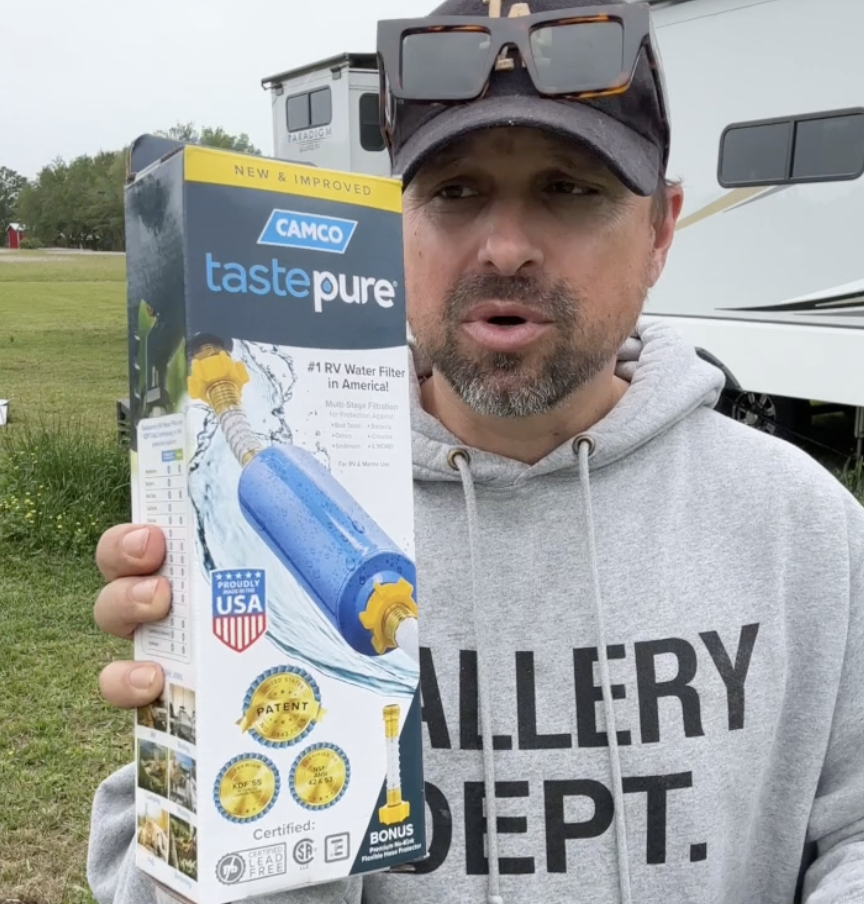
A basic inline water filter or a good-quality pitcher filter is usually enough for most RVers. Keep a few spare filters on hand and enjoy clean water without the fuss. Unless you’re camping in places with known water quality problems, you don’t need a super expensive system.
PRO TIP: RV Water Filters: Good, Better & Best
7. Massive Kitchen Appliances
What I Bought:
I love cooking, and I used to think that bigger and better kitchen appliances would make me cook more gourmet meals on the road. I installed a large residential-style fridge, a big microwave-convection oven combo, and even a dishwasher designed for small apartments.
What Went Wrong:
All these big appliances drew a lot of power. I had to worry about electrical hookups and sometimes couldn’t run everything at once. They also added weight—lots of it. This cut down on how much gear we could carry.
The dishwasher required special detergents and left me disappointed when it struggled with heavier dishes. The large fridge was great when it was full, but it took up a huge amount of kitchen space. On travel days, I worried more about shifting items and power usage.
Ultimately, I didn’t cook any more gourmet meals than I did with simpler appliances.
What I’d Do Instead:
Stick with standard RV-sized appliances, or just pick one nice upgrade that matters most (like a slightly bigger fridge if you really need it). You can cook amazing meals with basic tools. A small portable oven or an Instant Pot might be all you need. Keep your kitchen flexible, not stuffed with huge appliances that complicate life.
8. Extended Warranties on Overpriced Upgrades
What I Bought:
This isn’t a specific product, but it’s worth noting. Many times when I bought these pricey upgrades, I also paid extra for “extended warranties.” I thought it would protect me if something went wrong.
What Went Wrong:
Extended warranties often have fine print that makes them almost useless. They might not cover the exact issue you have. They might require you to use certain service centers that are hard to find on the road.
By the time something fails, you might be out of the coverage window or find out you didn’t meet the terms. I wasted hundreds of dollars on warranty plans that never truly helped me.
What I’d Do Instead:
I’d skip most extended warranties. Instead, I’d put that money aside in a savings account for repairs. If something breaks, I have my own “repair fund” ready. That way, I’m not locked into a warranty that might not cover what I need anyway.
PRO TIP: The Truth About RV Warranties and How They Really Work
Don’t Be Scammed By The RV Upgrades
Simplicity Wins:
The more complicated and high-tech your upgrade, the more likely it is to fail. An RV is a moving vehicle, not a static house. Things get jostled, weathered, and worn out. Simple, sturdy upgrades last longer and are easier to fix.
Think About Actual Use:
Before buying an upgrade, ask yourself how often you’ll really use it. Will you still enjoy it a year from now? Is it something you can live without? Don’t fall for the shiny ads and fancy pictures in catalogs. Try to picture using that gadget day-to-day. Many times, it won’t be as wonderful as you imagine.
Ask Other RVers:
One of the best things about the RV community is how helpful people can be. Before making a big purchase, ask others who have tried it. Online forums, YouTube channels, and campground neighbors can give you honest opinions that salespeople won’t.
Start Small and Upgrade Later:
It’s tempting to load your RV with everything from day one. But if you’re new, start small. Figure out your travel style first. Maybe after a year on the road, you’ll know exactly which upgrades matter. That way, you won’t waste money on things that don’t fit your lifestyle.
Remember Why You RV:
Most of us hit the road to see the world, spend time in nature, or visit friends and family. Don’t let chasing the latest gadget steal the joy of the journey. The best moments in RVing come from simple pleasures, not from glowing LED lights or fancy coffee makers.
In the end, the worst RV upgrades I ever bought taught me a lot. I’m sharing these lessons so that you can learn from my mistakes. Save your money for fuel, camp fees, and memories. Keep your RV simple, reliable, and comfortable. That’s all you need for a great life on the road.
We’ll Help You Find the Best Free Camping in the USA
You should give it a try!
As a matter of fact, these free campsites are yours to enjoy. Every time you pay federal taxes, you’re contributing to these lands.
Become a FREE CAMPING INSIDER and join the 100,000 campers who love to score the best site!
We’ll send you the 50 Best Free Campsites in the USA (one per state). Access the list by submitting your email below: