Are you itching to hit the open road and enjoy long summer days in the great outdoors? There’s something special about packing up your RV and cruising along the highways and byways of America.
From majestic mountains to breathtaking beaches, the possibilities are endless.
In this list, you’ll discover 25 of the best RV destinations for your summer travels. Each one has its own unique vibe, budget range, and a dash of fascinating history. So gas up, stock up on snacks, and let’s roll on to your next adventure!
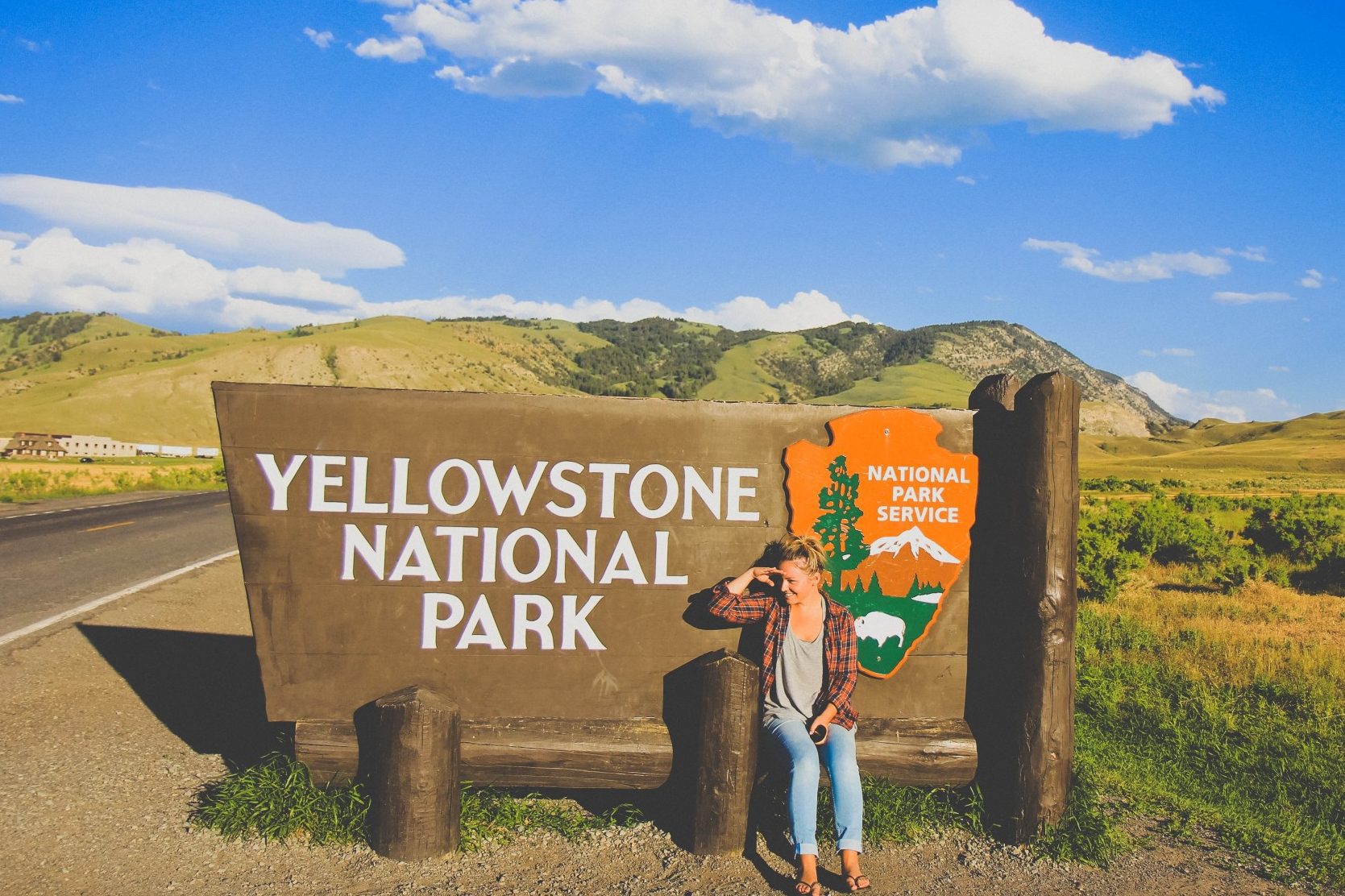
1. Yellowstone National Park – Wyoming
Yellowstone National Park is basically a superstar in the world of national parks. Known for its vibrant hot springs, dramatic canyons, and spouting geysers (hey there, Old Faithful!), Yellowstone stretches across parts of Wyoming, Montana, and Idaho—though the majority is right in Wyoming.
This place is like nature’s own science lab, with steamy geothermal features that’ll make you feel like you’ve landed on another planet. Wild bison and wolves roam the park, so keep your eyes peeled for a wildlife cameo on your journey.
The park’s scenic roads wind through pine forests, around sparkling lakes, and over rolling hills that come alive with wildflowers in the summer. If you’re looking for a place to unplug and soak up nature, Yellowstone has it all: photography spots, hiking trails, and fishing in pristine waters.
Make sure to grab a park map and plan your stops, because there’s a lot to see. Whether it’s watching a herd of elk grazing at dusk or snapping a selfie near Mammoth Hot Springs, you’ll have tales to tell around the campfire for years to come
Historical Significance
Yellowstone holds the proud title of being the very first national park in the United States, established in 1872. Its creation helped spark the whole “let’s preserve nature for everyone” movement across the country. That’s right—this park paved the way for future generations to enjoy wild places and made history as a cornerstone of environmental conservation.
Cost for One Night
Depending on where you park your RV, a campground inside or just outside Yellowstone can run about $30–$50 per night. It’s always wise to reserve your spot way ahead of time since Yellowstone gets pretty busy in the summer.
Vibe Scale
On a scale of 1 to 10 for awe and wonder, Yellowstone scores a solid 10. Between the geysers, wildlife, and back-to-nature feel, you’ll be humming the tune of the wild in no time.
2. Grand Canyon National Park – Arizona
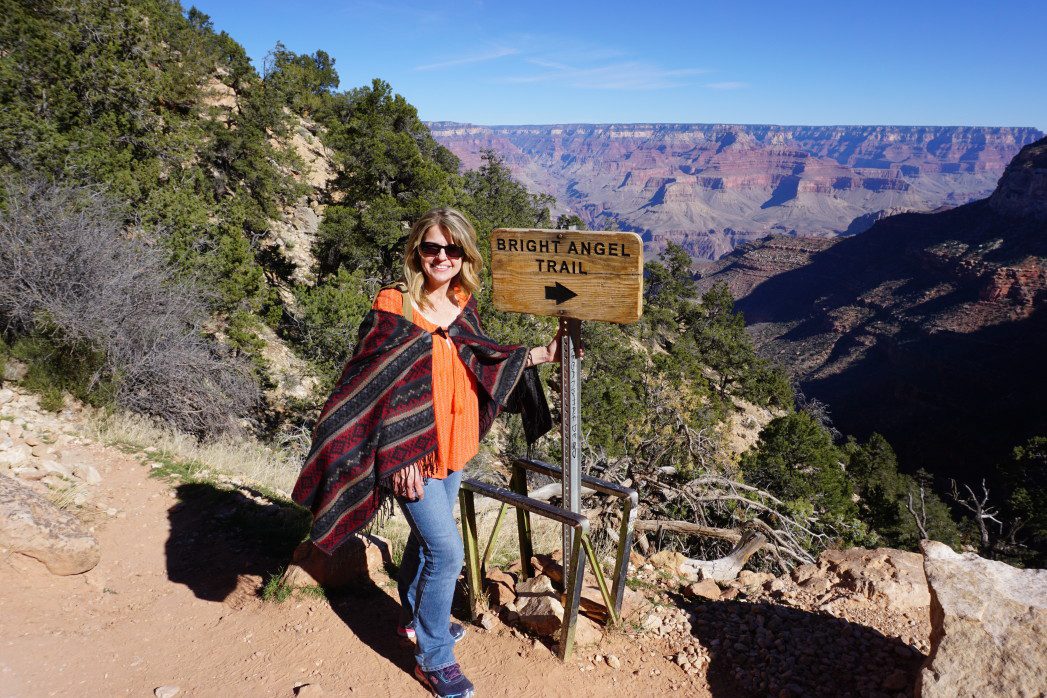
The Grand Canyon is one of those places you can’t truly appreciate until you see it with your own eyes. Stretching on for miles in northern Arizona, its layered red and orange rock formations seem to glow in the sunset.
Standing on the rim, you’ll peer into a giant gorge carved by the Colorado River over millions of years. This is nature at its most dramatic, and it’ll take your breath away in an instant
There’s more to the Grand Canyon than just staring at the scenery—though that alone is pretty amazing. You can hike along the rim or venture down into the canyon on foot or even by mule. The park is also known for dark skies perfect for stargazing, so it’s a perfect opportunity to point out constellations to your travel buddies.
If you’re looking for a once-in-a-lifetime experience, consider a rafting trip along the Colorado River. But be warned: once you see the Grand Canyon, regular landscapes might never look the same
Historical Significance
This region has been home to Indigenous peoples for thousands of years, including the Havasupai and Hopi tribes. The Grand Canyon became a national park in 1919, and it has fascinated explorers, scientists, and tourists from around the globe. Every layer of rock tells a different chapter of geologic history—like reading Earth’s diary!
Cost for One Night
You’ll find RV campsites in and around the park for around $35–$60 per night. The North Rim area is a bit quieter, while the South Rim is more popular (and crowded). Plan your reservation early if you want to snag a prime spot.
Vibe Scale
The canyon’s size and beauty deserve a 9 on the vibe scale. The only reason it’s not a 10 is because it might leave you speechless—literally!
3. Great Smoky Mountains National Park – Tennessee/North Carolina
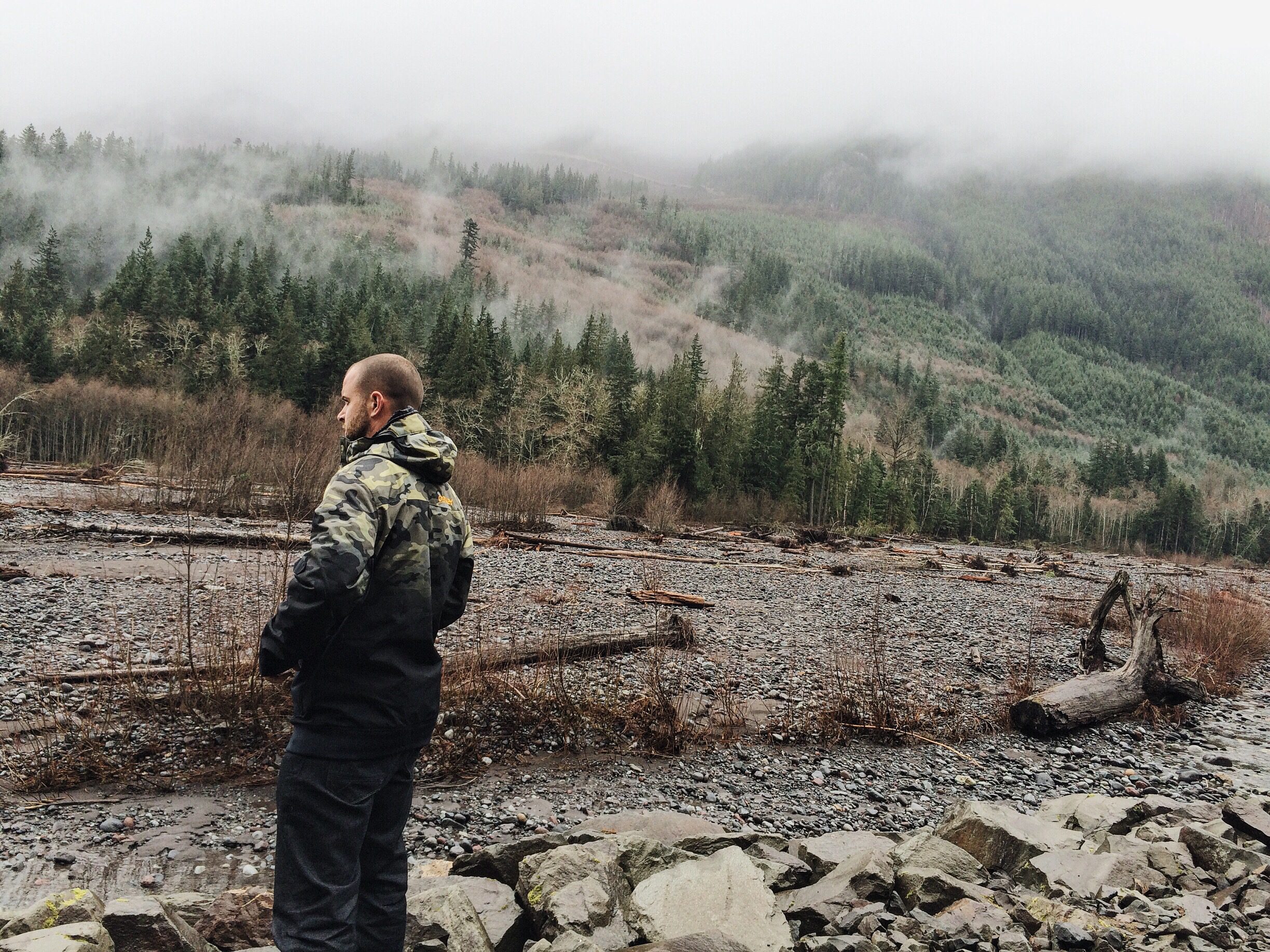
Straddling the border between Tennessee and North Carolina, the Great Smoky Mountains National Park is a lush wonderland of misty peaks and dense forests. In summer, the scenery bursts to life with wildflowers that carpet the hillsides, while the waterfalls cascade gracefully along shady trails.
You can’t help but feel the serenity as you wander through the moss-covered forests, smelling that fresh mountain air.
The park is dotted with streams and rivers, making it a prime spot for fishing, tubing, and good ol’ splashing around when the temperatures rise. If you’re traveling with the grandkids—or if you’re just a kid at heart—you’ll love spotting black bears, deer, and other wildlife.
Each winding road and trail has something new to show you, so don’t be surprised if you end up extending your stay just to see that second waterfall you read about
Historical Significance
Before the Smokies became a national park in 1934, the area was home to scattered farming communities. Old cabins, barns, and churches still peek out among the trees, telling stories of the families who once lived here. The park also protects some of the oldest mountains on Earth, estimated to be millions of years old—talk about aging gracefully!
Cost for One Night
RV spots around the Smokies can range from $25–$40 per night. Some private campgrounds nearby might offer a few more amenities for a slightly higher price.
Vibe Scale
For a mellow, nature-immersive getaway with scenic drives and gentle hikes, the Great Smoky Mountains score a comforting 8. It’s a place that easily feels like home.
4. Yosemite National Park – California
In the heart of California’s Sierra Nevada mountains, Yosemite National Park is a land of towering granite cliffs, ancient giant sequoias, and glistening waterfalls. The famous Half Dome and El Capitan are rock faces that lure climbers from all over the world.
Even if you don’t plan on scaling a cliff, simply gazing at their enormous profiles is pretty awe-inspiring
Summertime in Yosemite means blooming wildflowers in the meadows, clear mountain streams, and warm breezes that rustle the leaves of the sequoias. Hiking trails range from gentle strolls to challenging treks up the mist-shrouded steps leading to Vernal Falls.
Keep your camera handy because wildlife sightings are common—black bears, deer, and bobcats might just make an appearance. Bring a pair of binoculars for bird-watching, too.
Historical Significance
Yosemite played a crucial role in the national park movement. The beauty of its landscapes, famously captured by photographer Ansel Adams, helped convince folks (including President Abraham Lincoln) that some wilderness areas needed to be preserved for future generations. The region also has a deep connection to the Indigenous Miwok and Paiute peoples, who have lived there for thousands of years.
Cost for One Night
Expect to pay around $26–$60 per night for an RV campsite, depending on whether you’re in a public or private campground. The ones inside the park fill up extremely fast—sometimes within minutes of reservation openings!
Vibe Scale
Yosemite is a rock star of the national park system, hitting a 10 on the vibe scale for those jaw-dropping granite giants and roaring waterfalls.

5. Mount Rushmore & The Black Hills – South Dakota
Mount Rushmore sits proudly in the Black Hills region of South Dakota. If you’ve ever seen a postcard of four famous presidential faces carved into a massive slab of granite, then you know what to expect. It’s pretty surreal to stand at the base of the mountain, looking up at George Washington, Thomas Jefferson, Theodore Roosevelt, and Abraham Lincoln, all chiseled into stone.
But wait, there’s more to this region than just Mount Rushmore. The Black Hills themselves are a treasure trove of scenic drives, caves, and historic towns like Deadwood. Rolling forests, winding roads, and plenty of wildlife make this area a must-see for nature lovers.
If you’re feeling adventurous, check out nearby Custer State Park where bison roam free. It’s a perfect blend of iconic American monuments and rugged outdoor fun.
Historical Significance
Mount Rushmore was sculpted by Gutzon Borglum and his son Lincoln over a period that stretched from 1927 to 1941. The Black Hills also hold deep cultural and spiritual significance for the Lakota, Cheyenne, and other Native American tribes. This region has seen gold rushes, frontier life, and Wild West legends, making it a living chapter of American history.
Cost for One Night
Campgrounds near Mount Rushmore and throughout the Black Hills typically range from $30–$50 per night for RV sites. Reservations are strongly recommended during the summer high season.
Vibe Scale
Combine patriotic pride with the laid-back energy of the forests and you get an 8 on the vibe scale. A visit here is both humbling and fun.

6. Acadia National Park – Maine
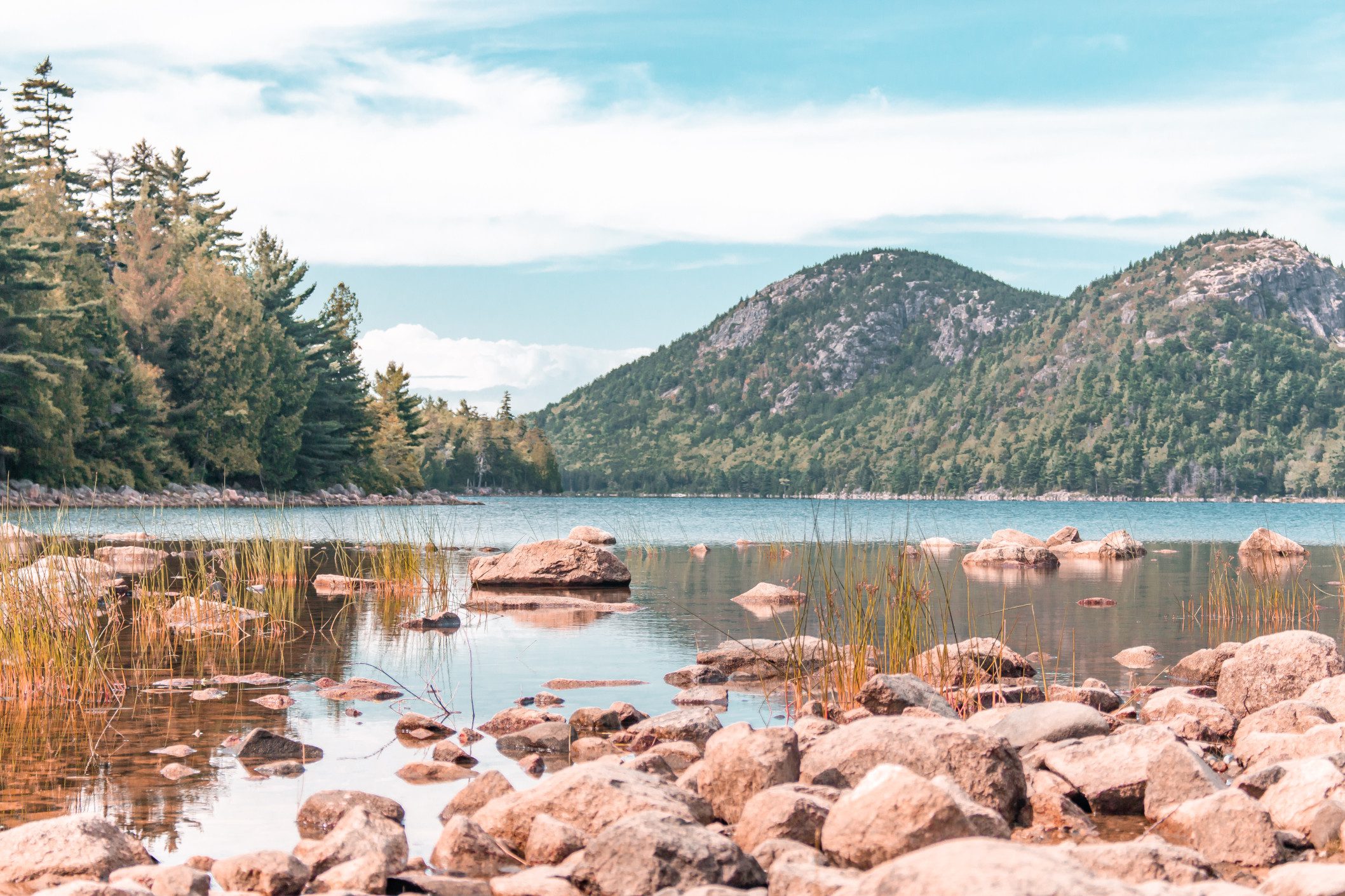
Located on the rocky coast of Maine, Acadia National Park brings you a refreshing mix of ocean views, evergreen forests, and grand granite peaks. The park is mostly on Mount Desert Island, where you’ll find dramatic cliffside overlooks and the chance to dine on some of the freshest lobster around.
In summer, the weather is mild, making it perfect for biking the park’s historic carriage roads or strolling along the shoreline.
Don’t miss the sunrise on Cadillac Mountain—at certain times of the year, it’s the first place in the U.S. to see the sun’s rays. There are also tide pools teeming with little sea creatures just waiting for you to discover them. And if you’ve got some time, pop over to the nearby charming towns with quaint shops and lighthouses.
Acadia is a park that feels both cozy and awe-inspiring at the same time.
Historical Significance
Acadia was established as the first national park east of the Mississippi River. The park’s scenic carriage roads, financed by John D. Rockefeller Jr., are now a beloved feature for tourists and locals alike. The region has been home to the Wabanaki tribes for centuries, and French settlers called it “Acadie” as far back as the 1600s.
Cost for One Night
Plan for about $30–$60 per night at an RV-friendly campground around Acadia. You may find cheaper options farther from the park, but the convenience of being close to the coastline is hard to beat.
Vibe Scale
If you love fresh sea air and pine-scented trails, Acadia gets a cheery 9. It’s a coastal gem that’s well worth the trip.
7. Big Bend National Park – Texas
Down near the Texas-Mexico border, Big Bend National Park sprawls across the desert landscape where the Rio Grande carves through mighty canyons. This park is a hidden gem, mixing towering rock formations, cacti, and wide-open skies that show off spectacular sunsets.
In the summer, it can get pretty toasty, but the mornings and evenings are often cooler, giving you prime time to explore.
From the Chisos Mountains to the winding river, Big Bend is full of surprises. Keep an eye out for roadrunners—yes, the actual birds—and maybe you’ll see one dart across the desert floor. Hikers can tackle shorter scenic walks or longer backcountry treks, and if you’re feeling really adventurous, consider kayaking through the Santa Elena Canyon.
Don’t forget your camera; the landscape changes color with the shifting light, offering endless photo ops.
Historical Significance
Artifacts and rock art found in Big Bend suggest that people have inhabited this region for thousands of years, including groups like the Chisos and other nomadic tribes. Ranchers and miners also left their mark here, though much of the area is now reclaimed by nature. Big Bend officially became a national park in 1944, preserving these rugged landscapes for future explorers.
Cost for One Night
Most campgrounds in Big Bend National Park range from $16–$36 per night, depending on hookups and amenities. Outside the park, private RV parks might charge a bit more, around $40–$50.
Vibe Scale
Big Bend’s remote and wild feel gives it a 7 on the vibe scale. It’s slightly off the beaten path, but that just adds to its charm.

8. Crater Lake National Park – Oregon
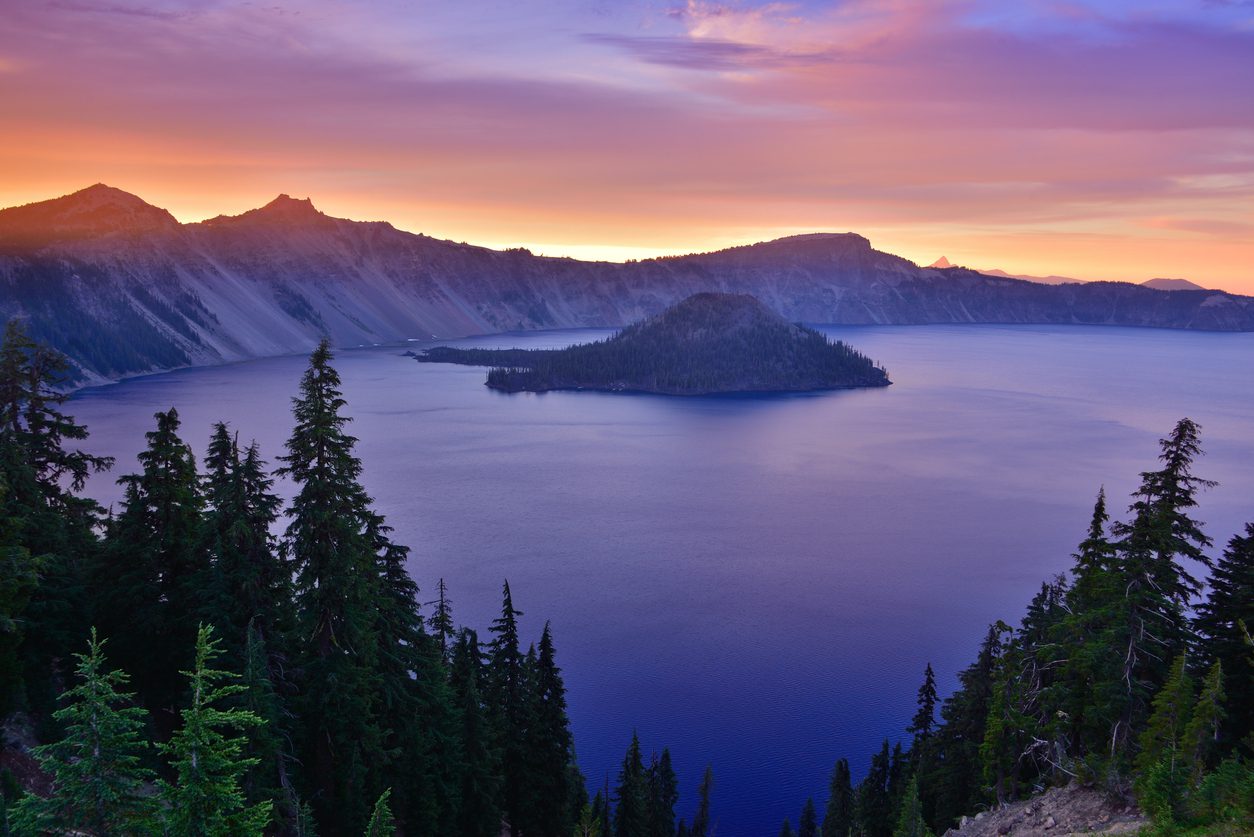
Crater Lake National Park is home to the deepest lake in the United States—and it’s a showstopper. Formed by the collapse of Mount Mazama thousands of years ago, Crater Lake shimmers a brilliant blue that looks almost unreal.
Driving around the rim, you’ll catch views of Wizard Island, a cinder cone that rises from the lake’s surface like something out of a storybook.
Summertime is ideal for swimming (in certain areas), boat tours, and scenic hiking. The trails offer panoramic vistas of the lake and the surrounding forests, filled with pine and fir trees. At night, the starry sky reflects off the lake’s surface in a magical display.
If you’re a photography buff, be prepared to use every memory card you have.
Historical Significance
Crater Lake is both a geological wonder and a sacred site for the Klamath Tribe. Legends tell of powerful spirits and epic battles that led to the creation of the lake. Established as a national park in 1902, Crater Lake also holds a spot in the hearts of geologists studying volcanic activity and natural processes.
Cost for One Night
Expect to pay $21–$35 at campgrounds within the park, though you’ll need to check sizes for RV compatibility. Private campgrounds nearby can go up to $40–$50 a night.
Vibe Scale
The lake’s otherworldly blue hue and peaceful setting easily earn a 9 on the vibe scale. It’s the kind of place that’ll make you believe in magic.
9. Redwood National and State Parks – California
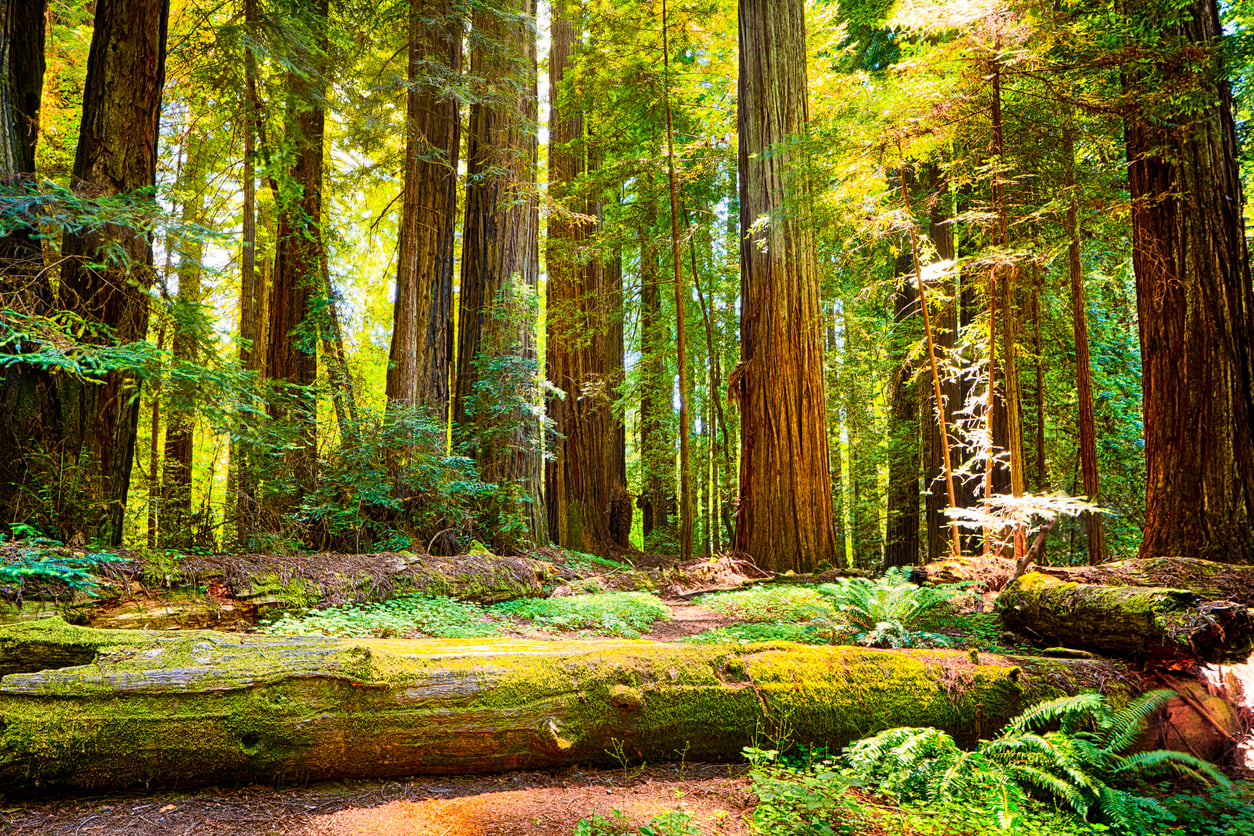
Home to the world’s tallest trees, the Redwood National and State Parks in northern California are like walking into a land of giants. The redwoods stretch high into the sky, some close to 400 feet tall, and their thick trunks can be wider than a car. The lush forest floor is covered with ferns and moss, making each trail feel like you’ve stepped into a fairy tale.
But don’t forget the coastline!
Parts of the parks offer a gorgeous view of the Pacific Ocean, with scenic overlooks and hidden beaches. In the summertime, morning fog often drifts among the towering redwoods, creating a mystical atmosphere. Keep an ear out for the distant bark of sea lions along the shore.
For a more laid-back experience, there are plenty of drives and picnic areas that let you soak in the scenery without too much effort.
Historical Significance
Coast redwoods once covered a far larger area, but logging reduced their range significantly. Conservation efforts, spearheaded by concerned citizens and organizations in the early 20th century, led to the establishment of these parks to preserve the remaining old-growth forests. The area also holds deep cultural importance for local tribes like the Yurok and Tolowa.
Cost for One Night
You’ll likely spend around $35–$50 per night at nearby RV parks, while campgrounds within the park itself might be a bit cheaper if you can snag a reservation.
Vibe Scale
For that “tiny human in a gigantic forest” feeling, Redwood is a peaceful 9 on the vibe scale. Prepare to have your jaw drop the first time you stand among these giants.
10. Niagara Falls – New York
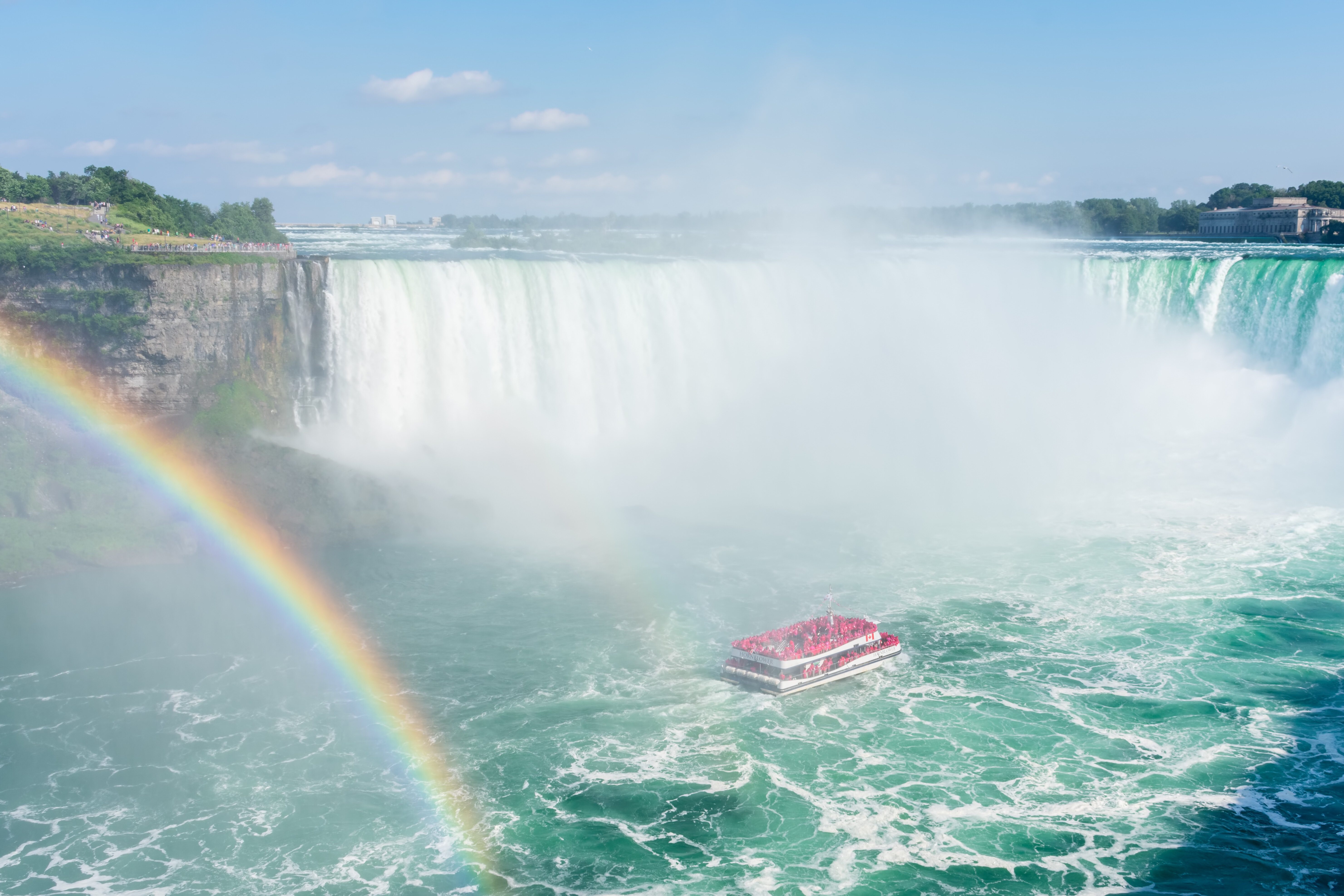
One of the world’s most famous waterfalls, Niagara Falls, straddles the border between the United States and Canada. On the U.S. side in New York, you’ll find viewpoints and trails that let you get up close to the roaring water. The thunderous sound and the cool mist make for an unforgettable experience on a hot summer day.
Beyond the falls themselves, the area has plenty of family-friendly attractions, restaurants, and souvenir shops.
Hop on the Maid of the Mist boat ride if you want the full soaking experience. Or stroll through the state park and enjoy the greenery and smaller rapids before they tumble over the edge. At night, the falls are illuminated in dazzling colors, so be sure to stick around for that show.
Historical Significance
Niagara Falls has been a tourist hotspot since the 19th century, drawing everyone from honeymooners to daredevils in barrels (not recommended!). Indigenous peoples, including the Haudenosaunee (Iroquois) nations, have long treasured the area. In fact, the name “Niagara” is believed to come from an Iroquois word meaning “thunder of waters.”
Cost for One Night
Nearby RV parks and campgrounds typically go for $30–$60 per night. Look for state park or private options depending on how close you want to be to the falls.
Vibe Scale
The sheer power and misty magic of Niagara Falls get an 8. It’s a bustling tourist spot, so don’t expect total solitude, but the waterfalls’ grandeur is well worth it.
11. Shenandoah National Park – Virginia
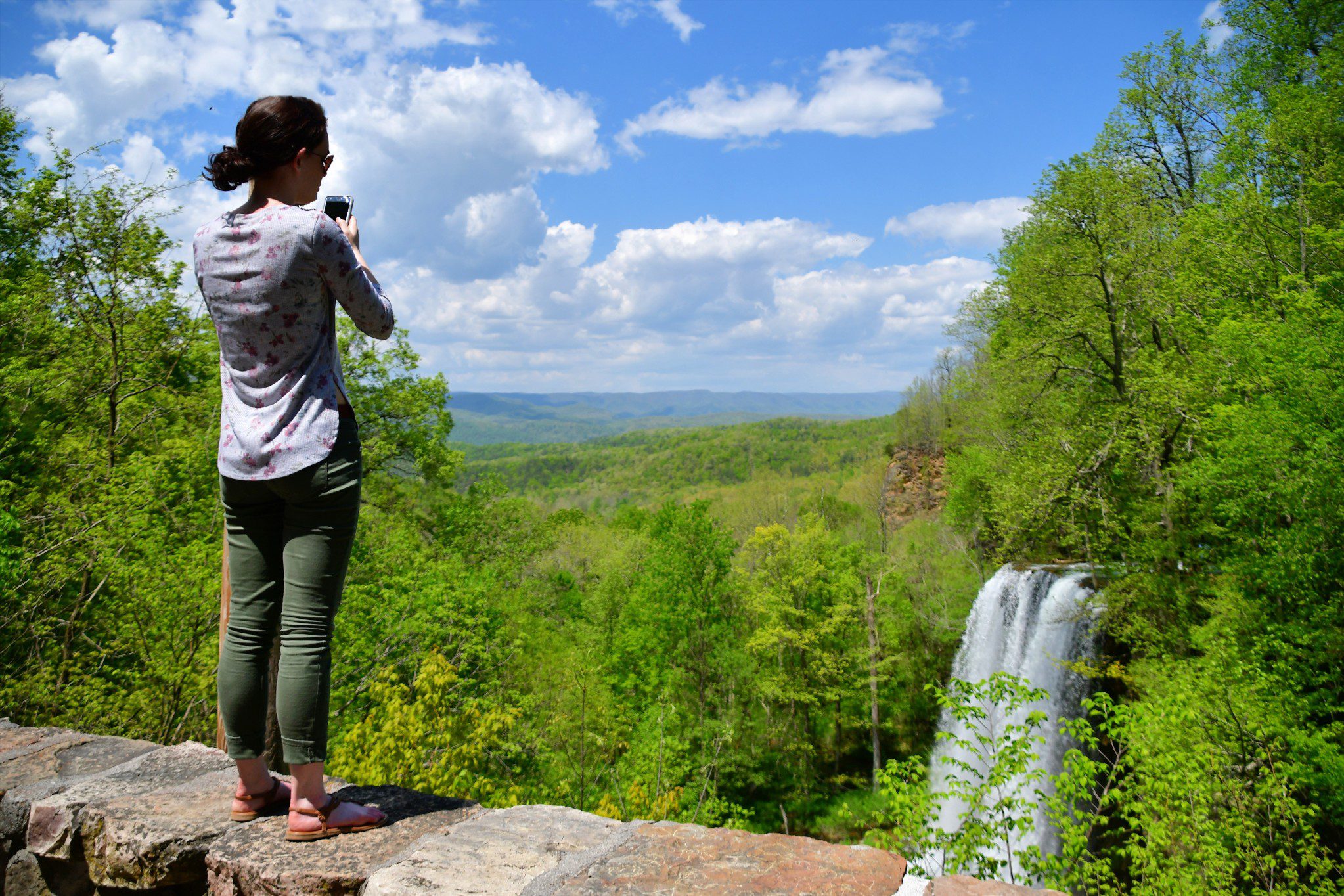
Rolling through the Blue Ridge Mountains of Virginia, Shenandoah National Park offers one of the country’s most scenic drives: Skyline Drive. Picture a winding road that curves along the crest of the mountains, lined with overlooks that reveal sweeping valleys below.
Summertime is especially pretty, with bright-green foliage all around and wildflowers dancing in the breeze.
If you fancy stretching your legs, the park boasts over 500 miles of hiking trails, including a portion of the famous Appalachian Trail. Wildlife enthusiasts might spot deer, black bears, and turkeys. Because Shenandoah is narrower than many other parks, civilization isn’t too far if you need supplies.
It’s a perfect blend of wilderness and convenience, making it an ideal choice for RV travelers.
Historical Significance
During the Great Depression, the Civilian Conservation Corps built many of the park’s facilities and trails, a testament to the country’s drive to create jobs and invest in natural spaces. Shenandoah also has remnants of old homesteads, revealing a time when families carved out a living in these rugged mountains.
Cost for One Night
Public campgrounds in Shenandoah might cost about $20–$30 per night, but you’ll pay more if you need full hookups in private sites, around $35–$50.
Vibe Scale
With its laid-back mountain charm and cozy campsites, Shenandoah earns a tranquil 8. The scenic drive alone is worth the trip!
12. Bryce Canyon National Park – Utah
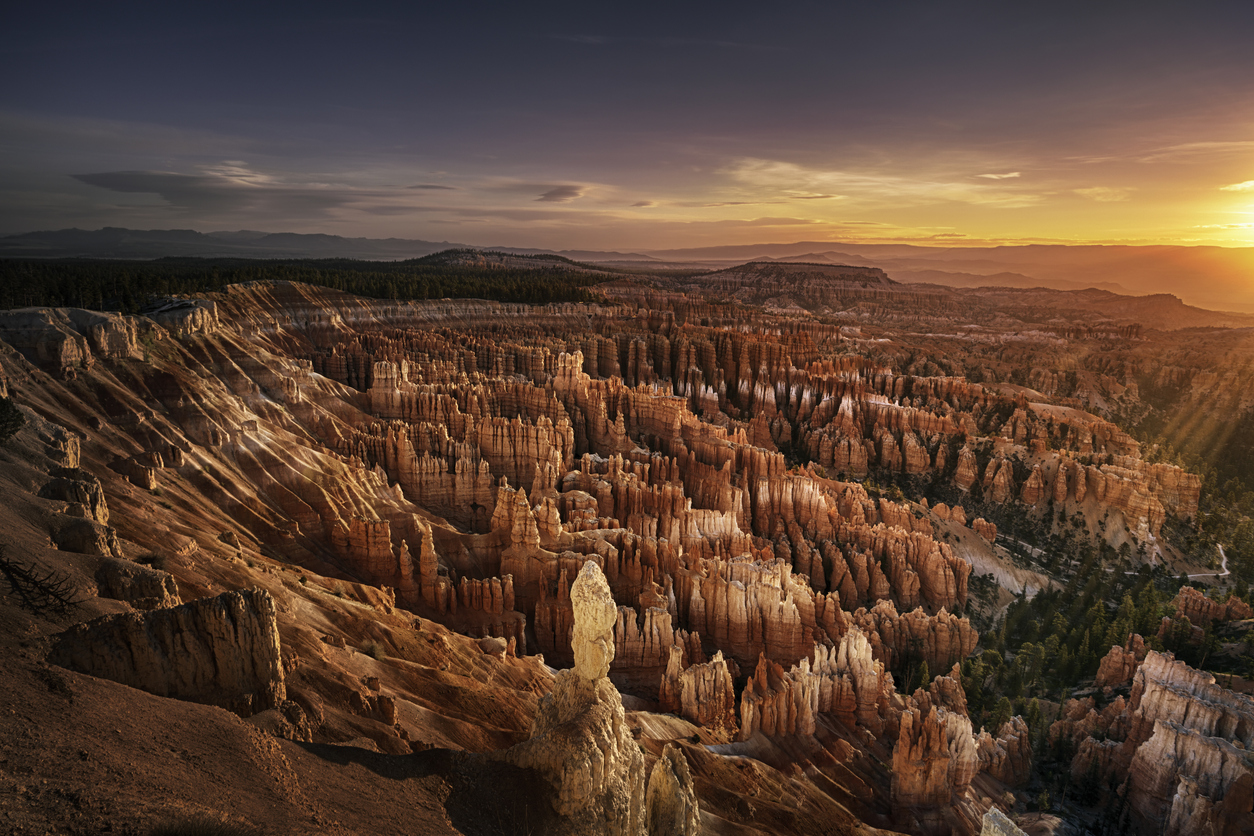
Bryce Canyon is famous for its crimson-colored hoodoos—those tall, spindly rock formations that look like something from another world. Located in southwestern Utah, this park forms a series of natural amphitheaters where these hoodoos stand like statues, glowing in the sun.
The air is crisp and clear, and the elevation can bring cooler temperatures, which is a blessing in the summer heat.
Hiking trails wind down into the amphitheaters, letting you walk among the towering spires. If you’re up for an early start, catch the sunrise from Sunrise Point—trust me, it’s worth it. At night, Bryce Canyon’s high altitude and low light pollution make for prime stargazing.
You might just see the Milky Way shining bright overhead, which is the perfect end to a day of exploration.
Historical Significance
Named after Ebenezer Bryce, a homesteader who grazed his cattle in the area, Bryce Canyon became a national monument in 1923 and then a national park in 1928. Indigenous peoples, including the Paiute, have a history here, with legends explaining the hoodoos as ancient “Legend People” turned to stone for misdeeds.
Cost for One Night
Expect around $30–$40 for RV camping within or near the park, with private campgrounds possibly edging into the $45–$60 range if they offer extra amenities.
Vibe Scale
The unique, almost alien-like beauty of Bryce Canyon is a strong 9. If you’ve never stood in a sea of hoodoos, it’s an experience you won’t forget.
13. Zion National Park – Utah
Zion is Utah’s first national park, and it’s a stunner. Dramatic red cliffs, narrow slot canyons, and lush riverbanks make this park a haven for hikers and photographers. The main road in Zion Canyon is closed to most private cars in summer, which means you’ll hop on a shuttle bus to explore the main sites.
Don’t worry, though; the shuttle is convenient and keeps the canyon a bit more peaceful.
The Virgin River flows through the canyon, creating an oasis that’s home to cottonwood trees and wildlife. The summer heat can be intense, so plan your hikes for early morning or late afternoon. If you’re feeling brave, tackle the iconic Angel’s Landing trail, but be ready for some dizzying heights. For a cooler adventure, try walking The Narrows, where you wade through the river between towering canyon walls.
Historical Significance
Zion has a rich history of human habitation that goes back thousands of years, from ancient peoples to Mormon settlers who gave the canyon its current name. The park was protected starting in 1909, first as Mukuntuweap National Monument, and eventually became Zion National Park in 1919.
Cost for One Night
Camping within Zion ranges from $20–$30 a night, but you’ll likely need to book months in advance. Outside the park, private RV sites may go for $40–$60, offering full hookups.
Vibe Scale
Zion’s striking scenery and sense of adventure score a bold 9 on the vibe scale. Just remember to bring plenty of water in the summertime sun.

14. Glacier National Park – Montana
Nicknamed the “Crown of the Continent,” Glacier National Park in northwestern Montana boasts glacier-carved peaks and pristine lakes. Summer here is relatively short but sweet, with wildflowers blooming in July and August.
The famous Going-to-the-Sun Road is a must-drive, offering high-alpine views that’ll leave you speechless.
Hiking is a big draw, with trails leading to hidden waterfalls, mountain meadows, and sometimes sightings of grizzly bears (view from a safe distance, of course!). Even if you don’t hike, the scenery around Lake McDonald or St. Mary Lake is enough to satisfy your wanderlust.
The air is fresh, the water is clear, and the sense of grandeur is hard to match.
Historical Significance
Glacier was established in 1910 and later became part of the world’s first International Peace Park with Canada’s Waterton Lakes National Park in 1932. Indigenous tribes like the Blackfeet and the Salish-Kootenai have long histories here, and they have stories about the land that go back generations.
Cost for One Night
Public campgrounds in the park are around $20–$30 per night, but sites that fit larger RVs can be limited. Nearby private campgrounds might charge $40–$55 per night for hookups.
Vibe Scale
With its rugged peaks and glacier-fed lakes, Glacier is a dramatic 9. If you love postcard-perfect mountain scenery, this park’s for you.

15. Lake Tahoe – California/Nevada
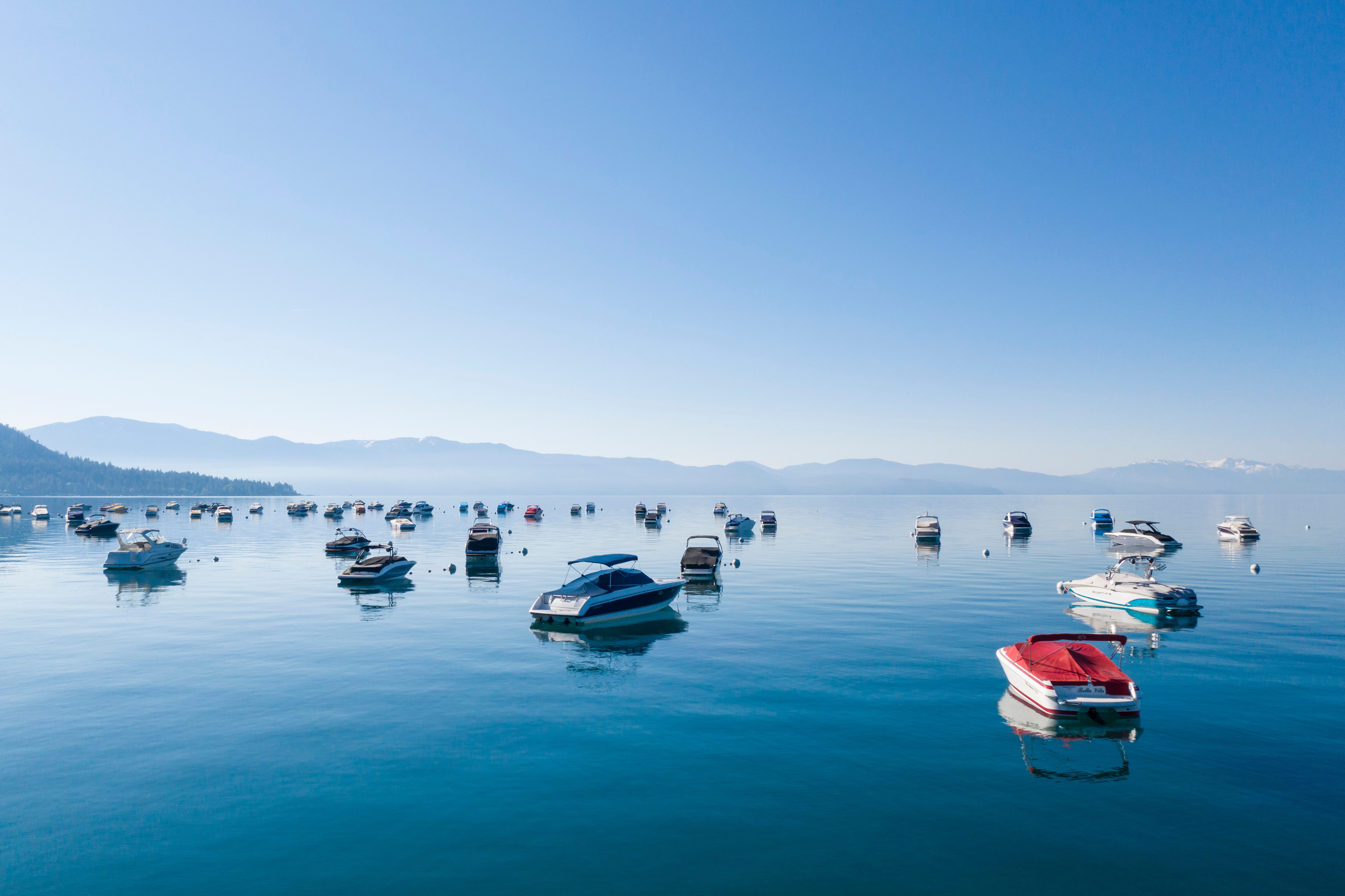
Sitting pretty on the California-Nevada border, Lake Tahoe is the largest alpine lake in North America. Surrounded by the Sierra Nevada mountains, it’s famous for its crystal-clear waters that shift from deep navy to dazzling turquoise.
In the summer, you can swim, kayak, or just lounge on a beach while taking in the mountain backdrop.
The vibe around Lake Tahoe can range from laid-back to lively, depending on which shoreline you visit. The south shore is known for its casinos and nightlife, while the north shore is a bit quieter and more family-friendly. Hiking trails circle the lake, and you can take a scenic drive around its perimeter to find hidden coves and panoramic viewpoints.
Historical Significance
Indigenous groups, including the Washoe Tribe, called the Tahoe region home for thousands of years, living off the land’s abundant resources. Later, the area became a hub for logging and mining before morphing into a popular vacation destination in the mid-20th century.
Cost for One Night
RV campgrounds around Tahoe generally run $35–$60 a night. The closer you are to the lake, the more likely you’ll pay on the higher end of that range.
Vibe Scale
Because of its mix of outdoor fun and bustling resort areas, Lake Tahoe clocks in at an 8 on the vibe scale—there’s something for everyone!
16. Key West – Florida
At the southern tip of the Florida Keys, Key West is a tropical wonderland that’s about as laid-back as you can get in the U.S. The shimmering turquoise water, swaying palm trees, and breezy sunsets make it feel like a Caribbean island, minus the passport.
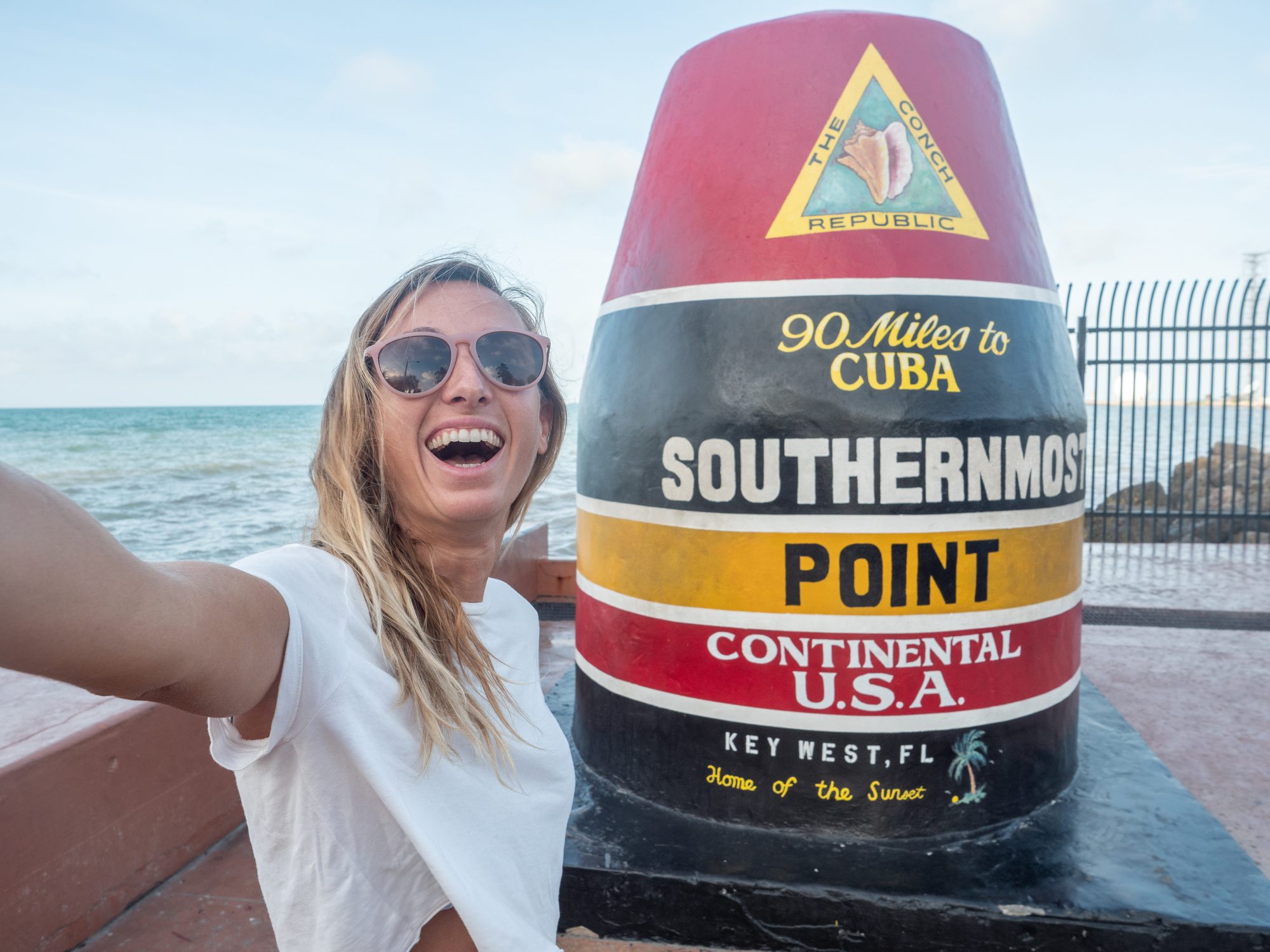
Plus, you can visit the famous buoy that marks 90 miles to Cuba—talk about a photo op!
Key West is chock-full of fun activities like snorkeling, kayaking, and strolling down Duval Street. You can explore historic sites like the Ernest Hemingway Home (complete with six-toed cats!) or take a sunset sail.
The vibe here is a bit party-heavy in the evenings, but there are still plenty of quiet corners if you prefer a more chill atmosphere.
Historical Significance
Key West has been a melting pot of cultures—Spanish explorers, pirates, and wreck salvagers all left their marks. The island was once the richest city in Florida due to shipwreck salvaging (or “wrecking”). During the Civil War, it was also held by Union forces. Notably, President Harry S. Truman used the local naval station as a winter White House.
Cost for One Night
You can expect to pay $50–$100 for a decent RV park in Key West, especially in the busy summer months. The closer to the action, the pricier it can get.
Vibe Scale
For that island-time energy and tropical flair, Key West is a solid 9. Just be ready for a bit of heat and humidity in the summer.
17. The Outer Banks – North Carolina
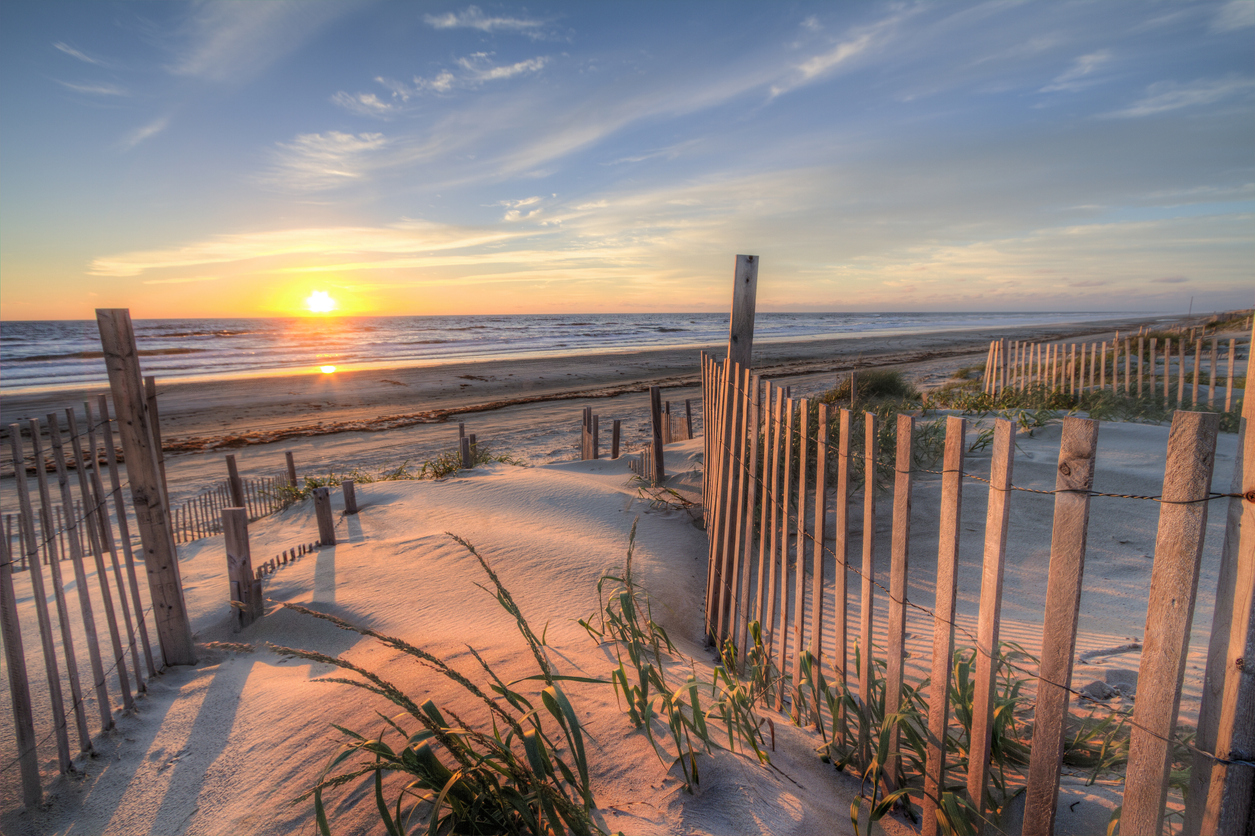
A string of barrier islands off the coast of North Carolina, the Outer Banks (often called OBX) is famous for its expansive sandy beaches and epic coastal views. From Corolla down to Ocracoke, you’ll find beach towns each with their own flavor.
The bright summer sun and ocean breezes make it ideal for swimming, sunbathing, and trying some fresh seafood.
One of the coolest features here is the wild horses that roam certain beaches, believed to be descendants of Spanish mustangs brought over centuries ago. There are also plenty of lighthouses (like the iconic Cape Hatteras Lighthouse) you can climb for panoramic views.
Summer can get busy, but the islands have a chill vibe that invites you to slow down and enjoy life by the sea.
Historical Significance
The Outer Banks is where the Wright brothers famously took flight in 1903 at Kill Devil Hills. It’s also notorious for shipwrecks, giving it the nickname “Graveyard of the Atlantic.” Local folklore, pirate tales (think Blackbeard!), and historic sites like Fort Raleigh make for fascinating stories.
Cost for One Night
RV parks and campgrounds in the Outer Banks go for around $40–$70 per night. Waterfront spots usually cost more but are oh-so-worth it if you love waking up to an ocean sunrise.
Vibe Scale
An easygoing, beachy 8. If you love long walks on sandy shores and a dash of maritime history, OBX will win your heart.
18. Sedona – Arizona
Sedona is famed for its red rock formations and swirling energy “vortexes,” which some say possess spiritual powers. Even if you’re not into that, you can’t deny the area’s beauty. Nestled at the base of towering orange cliffs, this small Arizona town is a magnet for artists, hikers, and anyone seeking a peaceful desert retreat.
In the summer, the mornings and evenings are pleasant, though midday can get toasty.
Hike one of the many trails, like Cathedral Rock or Bell Rock, and you’ll understand why so many people find Sedona inspiring. After a day of exploring, grab a bite in town—Sedona boasts a surprisingly vibrant culinary scene.
And if you’re feeling adventurous, consider a Pink Jeep Tour that takes you off-road to see hidden corners of the desert.
Historical Significance
The Sedona area has been inhabited by various Indigenous groups for centuries, and you can still see their ancient cliff dwellings and petroglyphs. The modern town of Sedona was named after Sedona Arabella Miller Schnebly, an early settler with a flair for hospitality.
Cost for One Night
Expect to spend $45–$70 a night for RV parks, especially those near the red rock views. Spots can fill up quickly in peak seasons, so book early.
Vibe Scale
For majestic desert landscapes and a laid-back, artistic community, Sedona earns a 9. It’s equal parts relaxation and adventure.

19. Moab – Utah
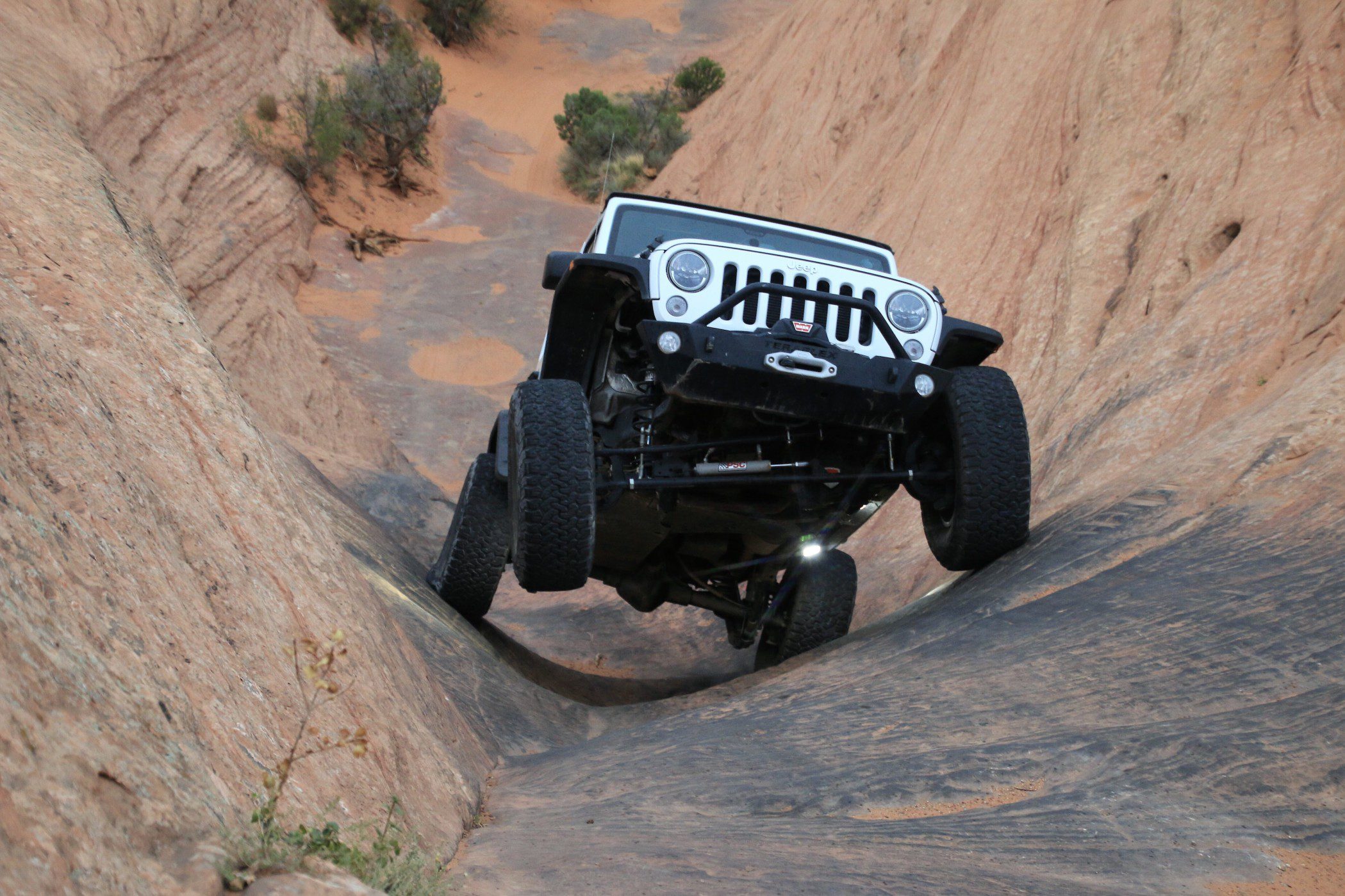
Moab is your gateway to two stunning national parks: Arches and Canyonlands. If you love red rock landscapes, dramatic desert vistas, and the thrill of off-roading or mountain biking, Moab is calling your name. Summertime can be hot, but early mornings in the desert are absolutely magical—think rosy sunlight hitting the rock arches as you sip your coffee.
The town itself has a friendly vibe, with gear shops, cafés, and guided tour options galore.
Arches National Park is home to over 2,000 natural sandstone arches, including the famous Delicate Arch, which you’ve probably seen on Utah license plates. Canyonlands, meanwhile, offers vast desert canyons and the majestic Colorado River carving its path below.
Historical Significance
Moab and its surrounding areas have been inhabited for thousands of years, with evidence of ancient peoples visible in rock art and cliff dwellings. When Europeans arrived, they used the region for mining and ranching. Tourism boomed when folks realized just how unique the red rock scenery is.
Cost for One Night
Campgrounds in Moab can vary from $25–$50 per night for basic sites. Private RV resorts with more amenities can cost $60–$80, especially during the busy summer.
Vibe Scale
With so much to do—hiking, biking, rafting—Moab is a high-energy 9. But there’s also tranquility if you find the right nook in the desert.
20. White Mountains – New Hampshire
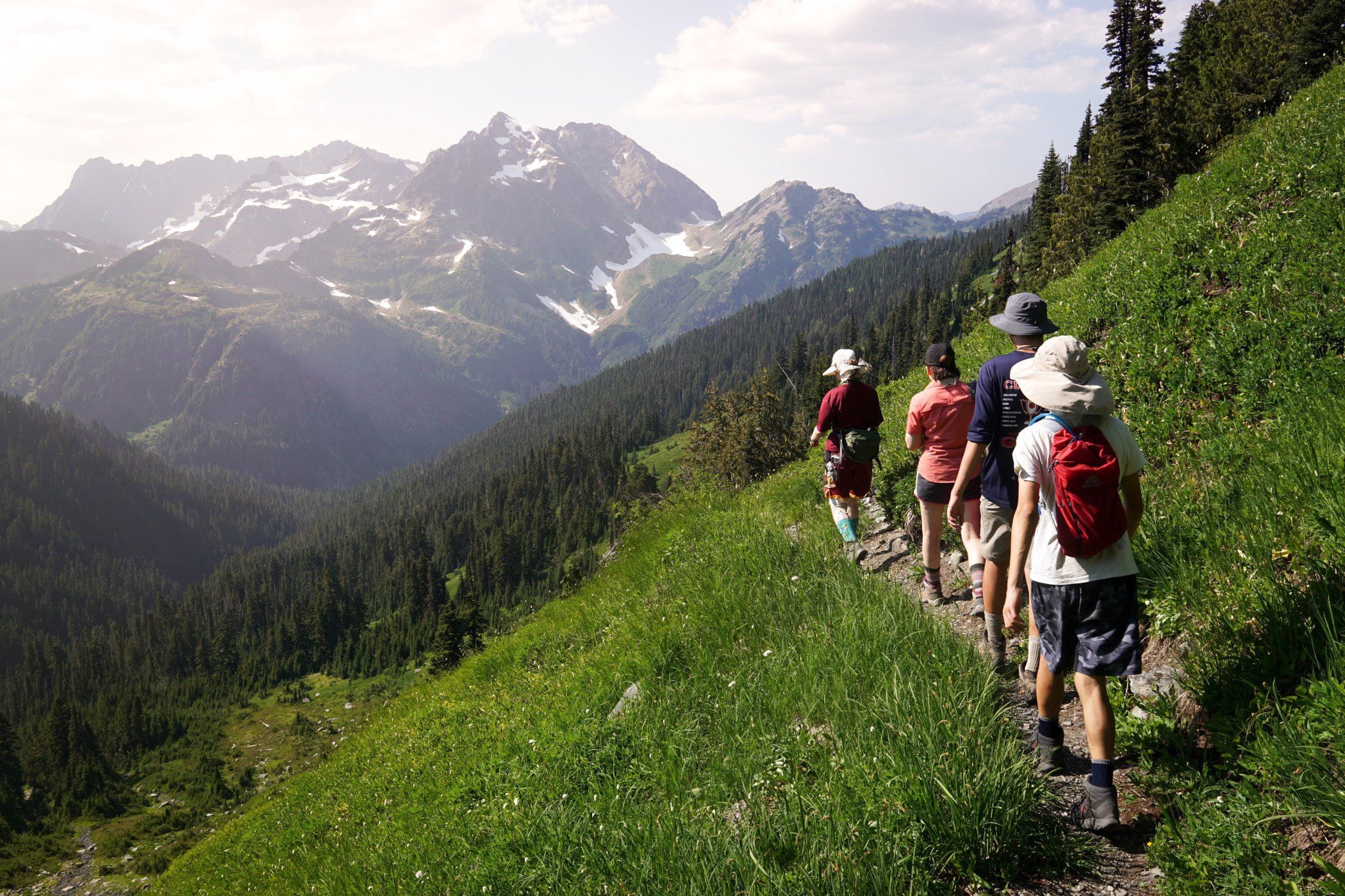
The White Mountains region in New Hampshire is a haven for outdoor enthusiasts. Summertime here is lovely, with cooler mountain temperatures and tons of greenery. The highest peak in the Northeast, Mount Washington, is located here.
You can drive the Mount Washington Auto Road or take the historic cog railway to the summit if you’re feeling adventurous.
There are quaint little towns sprinkled throughout, like North Conway and Lincoln, offering cozy places to eat and shop. Family-friendly attractions such as Story Land and Santa’s Village (yes, an entire theme park dedicated to Christmas) are also in the area, making it a great multi-generational trip.
Hiking, fishing, and scenic gondola rides—there’s no shortage of ways to soak up the summer sun in these mountains.
Historical Significance
The White Mountains have a long history of tourism, dating back to the 19th century when wealthy city folks sought cooler temps in the mountains. The famous Appalachian Trail runs through here as well, connecting hikers to a tradition that started in the 1920s. Indigenous tribes, such as the Abenaki, once traveled these lands for hunting and gathering.
Cost for One Night
Expect to pay around $30–$60 for an RV site. The scenic campsites fill up fast in peak summer months, so reservation is key.
Vibe Scale
For that classic New England mountain charm, it’s a wholesome 8. Bring a light sweater for those cool evenings!

21. Pictured Rocks National Lakeshore – Michigan
On the southern shore of Lake Superior in Michigan’s Upper Peninsula, you’ll find Pictured Rocks National Lakeshore. These colorful sandstone cliffs rise dramatically above the blue-green waters, forming one of the most photogenic shorelines in the Midwest.
In summer, the forested trails and inland lakes are ripe for exploring, and the refreshing breeze off Lake Superior keeps things comfortable.
Boat tours are a popular way to see the famous cliffs, and you can even paddle a kayak if you’re up for a closer look. Keep an eye out for waterfalls, hidden coves, and beaches—yes, beaches along the Great Lakes are real, and they’re stunning!
Don’t forget to try some local pasties (a savory pastry) while you’re in the U.P. They’re hearty and delicious, perfect after a day on the water.
Historical Significance
Named for the mineral streaks in the cliffs, Pictured Rocks was the first national lakeshore in the U.S., designated in 1966. The region has a rich Native American history as well, with the Ojibwe people living off the land and water long before it became a tourist destination.
Cost for One Night
Campsites in or near the national lakeshore can range from $20–$40 per night, with private campgrounds offering RV hookups possibly a bit higher.
Vibe Scale
This place gets an 8 for its unspoiled natural beauty and laid-back vibe. It’s the perfect summer escape if you love water and woods.

22. Olympic National Park – Washington
Olympic National Park in Washington State is like three parks in one. You have rugged Pacific beaches, lush rainforests dripping with moss, and snowy mountain peaks—all within a relatively small area. In the summer, you can drive from beach to forest to alpine meadows in a single day, but why rush?
Each zone is worth savoring.
The Hoh Rain Forest is a must-see, where towering trees and thick moss make you feel like you’ve wandered into a fantasy story. Up in the mountains, Hurricane Ridge offers sweeping views of the Olympic Range. And along the coast, tidal pools teem with starfish and sea anemones.
Don’t forget your rain jacket—this is the Pacific Northwest, after all—but summer often brings plenty of sunshine.
Historical Significance
Designated as a national park in 1938, Olympic protects some of the last remaining old-growth forests in the Pacific Northwest. Indigenous tribes like the Makah and Quileute have resided in this region for millennia, sustaining themselves with the abundant resources of land and sea.
Cost for One Night
Expect $20–$30 a night at campgrounds inside the park. If you need more amenities, private sites near the park can go for $40–$60.
Vibe Scale
Olympic is a nature lover’s paradise, scoring a 9 for diversity of landscapes and sheer wilderness feel.
23. Rocky Mountain National Park – Colorado
Majestic peaks, alpine lakes, and wildlife galore: that’s Rocky Mountain National Park in a nutshell. Located near Estes Park, Colorado, this park boasts over 300 miles of hiking trails. In summer, the snow melts enough to let you tackle high-elevation routes, where you might spot bighorn sheep, elk, or even a moose if you’re lucky.
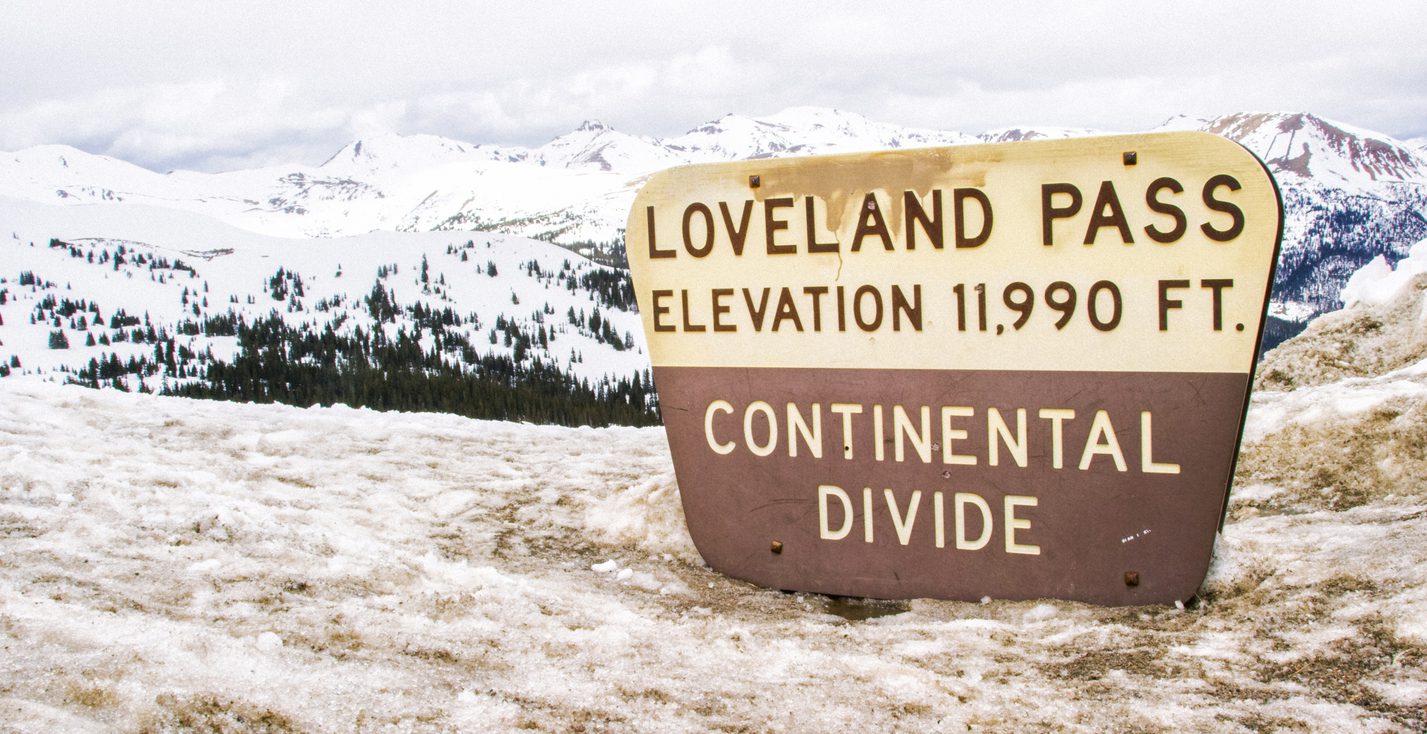
Trail Ridge Road, the park’s main scenic drive, takes you above the tree line for jaw-dropping vistas.
Be prepared for cooler temps and even some snow patches up there, even in the summer! The wildflowers are in bloom, the streams are flowing, and the crisp mountain air will make you feel alive. Just be mindful of the altitude—take it slow if you’re not used to high elevations.
Historical Significance
The area was set aside as a national park in 1915, thanks to efforts by conservationists who recognized the need to protect these iconic mountains. Indigenous tribes, including the Ute and Arapaho, once traveled these valleys and mountain passes for hunting and gathering.
Cost for One Night
RV spots in the park run around $26–$30, but they’re often without hookups. Private campgrounds near Estes Park range from $40–$70, depending on amenities.
Vibe Scale
For mountain majesty and wildlife encounters, Rocky Mountain earns a soaring 9. Keep your camera ready!
24. Grand Teton National Park – Wyoming
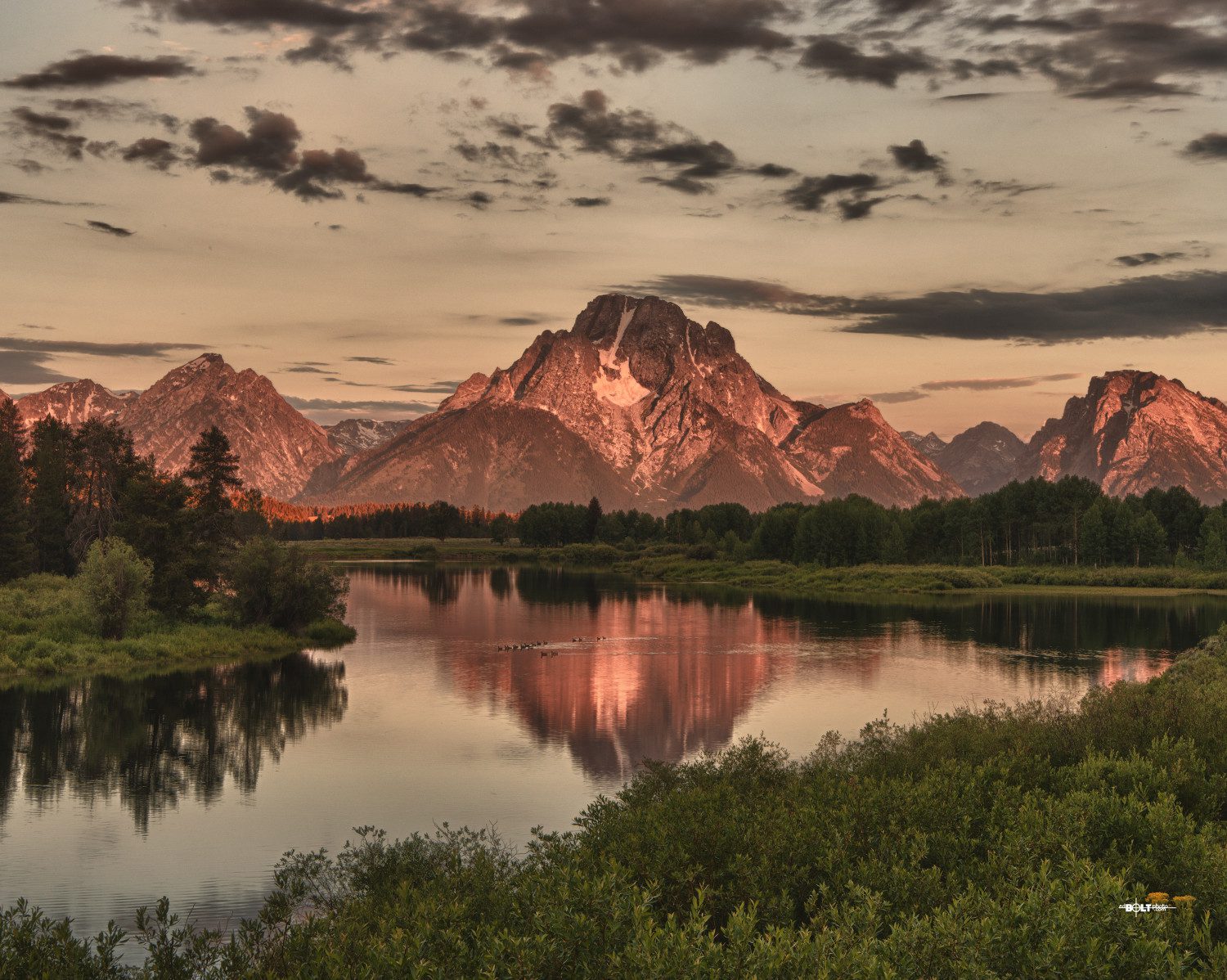
Located just south of Yellowstone, Grand Teton National Park features a picture-perfect mountain range that seems to rise straight up from the valley floor. The jagged peaks reflect in the calm waters of places like Jenny Lake and Jackson Lake, making for postcard-worthy views. In summer, wildflowers dot the meadows, and the weather is perfect for boating, hiking, or fishing.
One of the best ways to experience the Tetons is by taking a boat ride across Jenny Lake and hiking up to Inspiration Point.
Or, if you want something more relaxed, cruise around on a scenic drive—there are pullouts where you can just soak in the view. Keep an eye out for moose, elk, and grizzly bears. The nearby town of Jackson has plenty of Old West charm mixed with modern amenities.
Historical Significance
Named for the Teton Range, which early French explorers reportedly called “les trois tétons,” Grand Teton became a national park in 1929. Later expansions connected it more closely with Yellowstone. The area has a rich legacy of mountaineering and ranching, and it’s been a beloved spot for artists and photographers for generations.
Cost for One Night
Plan on $30–$50 for RV camping in or near the park. Reservations are recommended, especially if you want to stay in a campground with hookups.
Vibe Scale
Grand Teton’s dramatic backdrop and easy access to outdoor fun earn it a 9 on the vibe scale. It’s rugged, scenic, and oh-so-photogenic.
25. Gulf Shores – Alabama
If you’re craving sun, sand, and warm Gulf waters, head to Gulf Shores in Alabama. This coastal area offers miles of white-sand beaches, calm surf, and plenty of southern hospitality. Summer is prime time for sunbathing, swimming, or trying your hand at surf fishing. You might even see dolphins playing in the waves close to shore.
The town itself has fun activities like mini-golf, seafood restaurants, and even a couple of amusement parks.
Nearby, Gulf State Park has a fishing pier, nature trails, and a beach that’s as pretty as they come. If you need a break from the sand, the Hugh S. Branyon Backcountry Trail is perfect for a leisurely bike ride or stroll through coastal habitats.
Historical Significance
Historically, this region was inhabited by Native American tribes before the arrival of Spanish explorers in the 1500s. The Gulf Coast also played roles in the Civil War and WWII, serving strategic military purposes. Today, it’s more about sunshine and relaxation than battles, thankfully.
Cost for One Night
You can snag an RV site at a campground in or near Gulf Shores for around $40–$70 per night, with variations depending on proximity to the beach and on-site amenities.
Vibe Scale
For a breezy beach getaway with a laid-back Southern flair, Gulf Shores delivers an 8. It’s a family-friendly spot that lets you kick off your shoes and just chill.

Which of the 25 RV Locations Will You Pick
There you have it—a grand tour of 25 RV-friendly destinations across the United States. Whether you’re a fan of towering mountains, ocean sunsets, red rock deserts, or misty rainforests, there’s a spot on this list to spark your wanderlust. Each place offers something different: a slice of American history, a dash of outdoor adventure, and an escape from the everyday routine.
Final Tips:
- Plan Ahead: Summer is peak season in most places, so reservations are a must. Book as early as possible.
- Mind the Weather: From blazing desert heat to chilly mountain nights, be prepared with the right clothing and gear.
- Stay Safe: Always follow park guidelines and leave no trace. Respect wildlife and keep a safe distance.
- Have Fun: Don’t forget that this is your adventure. Embrace the detours and surprises along the way!
Now, it’s time to pick your favorite spot (or two, or three!) and start mapping out your route. May your summer be filled with scenic drives, cozy campfires, and memories that last a lifetime. Safe travels and happy camping!
We’ll Help You Find the Best Free Camping in the USA
You should give it a try!
As a matter of fact, these free campsites are yours to enjoy. Every time you pay federal taxes, you’re contributing to these lands.
Become a FREE CAMPING INSIDER and join the 100,000 campers who love to score the best site!
We’ll send you the 50 Best Free Campsites in the USA (one per state). Access the list by submitting your email below: