Camping offers an unparalleled opportunity to immerse oneself in nature, but certain destinations harbor risks that can transform an adventure into a perilous ordeal.
Drawing from the latest 2025 crime statistics, environmental hazards, and firsthand accounts from X users, this article highlights five U.S. towns or areas that campers should approach with extreme caution in 2025.
These locations, while appealing for their rugged wilderness or unique settings, present significant dangers for those seeking backcountry or remote camping experiences. By understanding these risks and prioritizing safety, campers can make informed decisions to ensure a secure outdoor experience.

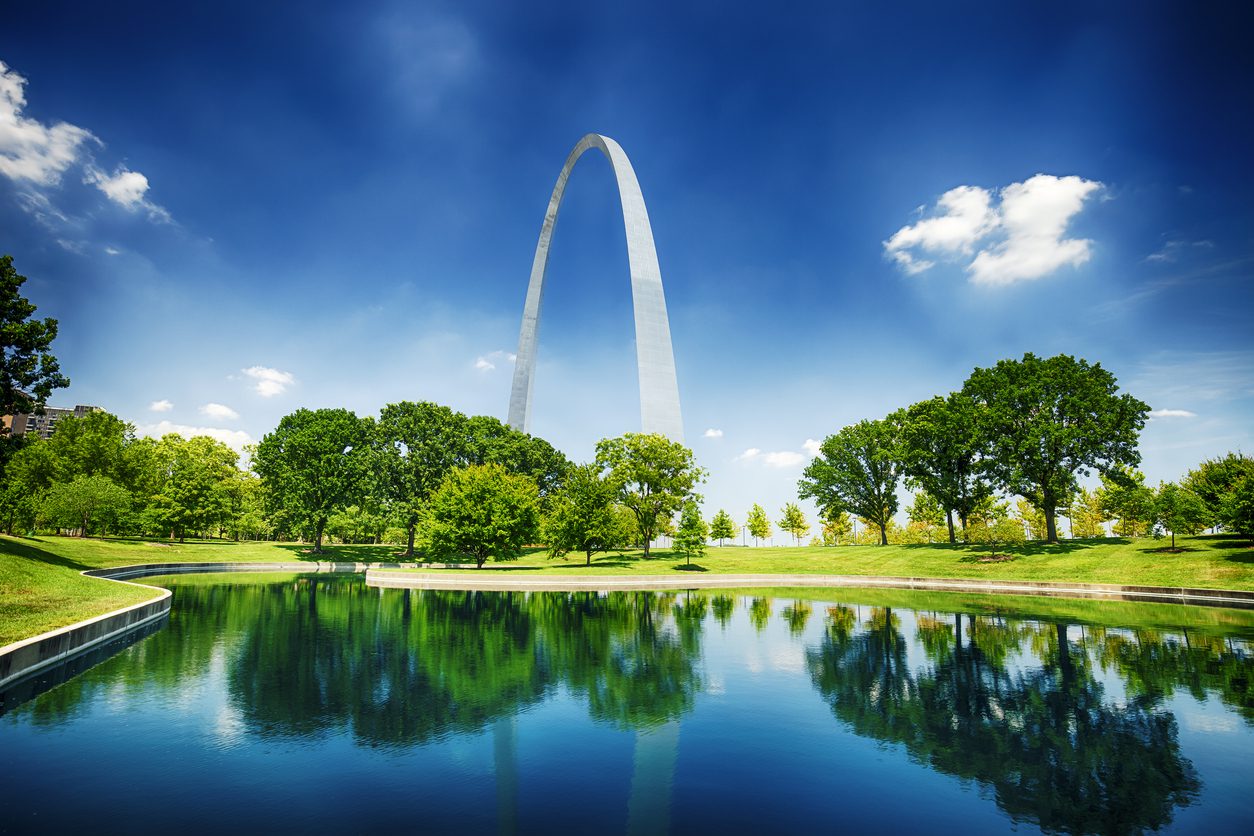
1. St. Louis, Missouri
St. Louis, situated along the Mississippi River, is a historic city with a troubling crime profile that impacts nearby camping areas. According to the St. Louis Metropolitan Police Department (SLMPD), as of March 31, 2025, homicides are down 45%, robberies down 20%, burglaries down 33%, and auto thefts down 39% year-to-date compared to 2024.
However, despite these declines, St. Louis remains one of America’s most dangerous cities, with a 2023 violent crime rate of 1,426 per 100,000 residents—234% above the national average—and a property crime rate of 6,421 per 100,000. Neighborhoods like Peabody-Darst-Webbe and Wells-Goodfellow report elevated crime, and rural campgrounds on the city’s outskirts, such as those near Meramec State Park, can be vulnerable to theft or vandalism due to urban spillover.
Flood risks along the Mississippi, particularly in spring, further threaten low-lying campsites.
X User Perspective: “St. Louis campgrounds feel sketchy at night. Had my car broken into near Babler State Park. Stick to crowded sites if you’re here.” – @MidwestWanderer, Jan 2025
Camping Risks and Precautions: The combination of crime and environmental hazards makes St. Louis a challenging destination for campers. Isolated campsites are particularly risky due to potential break-ins. Campers should opt for well-lit, managed campgrounds like those at St. Louis RV Park, ensure vehicles are locked, and monitor flood advisories via the National Weather Service.
2. Memphis, Tennessee
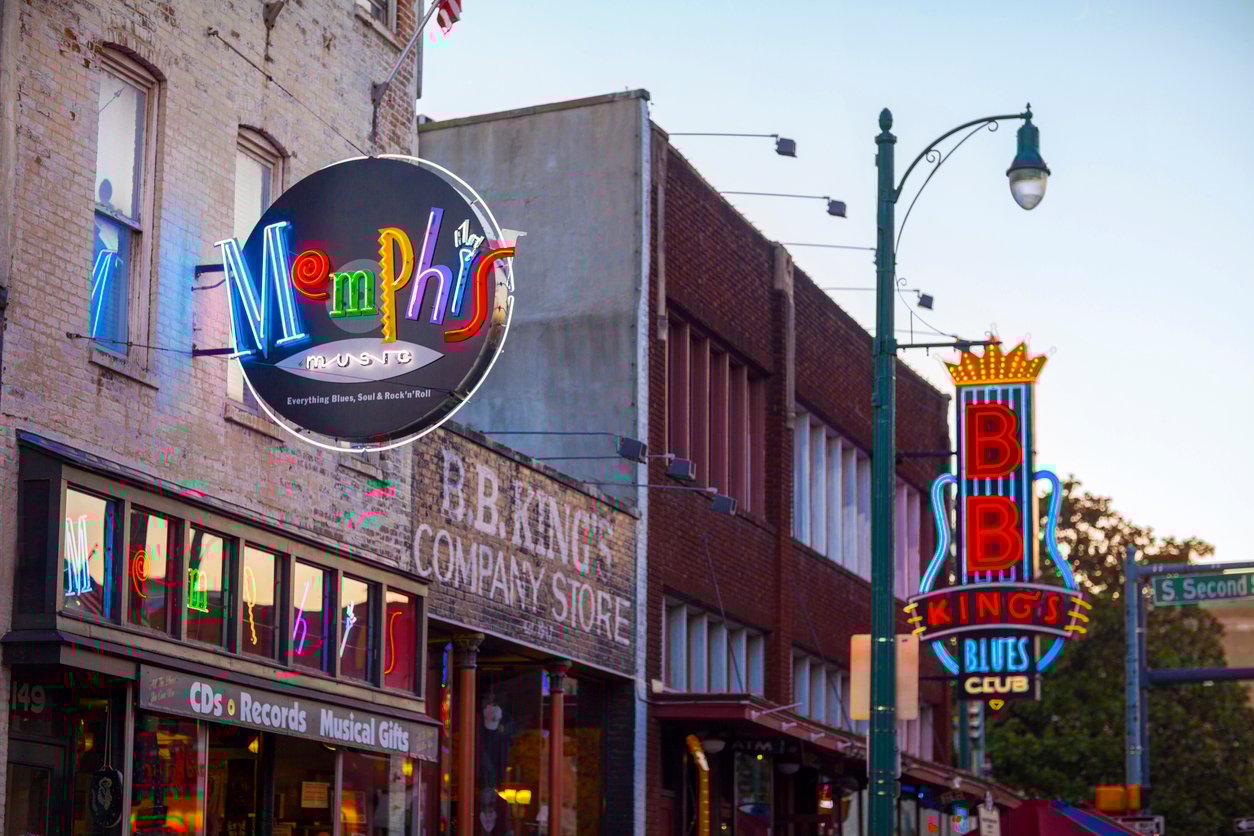
Memphis, nestled in the Mississippi Delta, is renowned for its cultural heritage but plagued by persistent crime. In 2023, Memphis reported a violent crime rate of 2,437 per 100,000 residents—652% higher than the national average—with 341 murders, 1,957 robberies, and 12,741 assaults. Property crimes reached 7,327 per 100,000, driven by economic hardship and gang activity.
While 2025 data shows a slight decline in homicides, the Memphis Police Department notes ongoing challenges with robbery and assault. Campgrounds near Memphis, such as those in Shelby Forest or along the Mississippi River, face risks of theft and vandalism, especially in less patrolled areas. The humid climate also brings health concerns, including mosquito-borne illnesses like West Nile virus.
X User Perspective: “Camped near Memphis last summer, and it was unnerving. Heard gunshots in the distance one night. Never again.” – @DeltaCamper, Feb 2025
Camping Risks and Precautions: Memphis’s high crime rates and environmental challenges require vigilance. Campers should choose secure, well-reviewed sites like Meeman-Shelby Forest State Park, travel in groups, and use insect repellent. Avoid leaving gear unattended, and check local health advisories for disease outbreaks.
3. Organ Pipe Cactus National Monument, Arizona
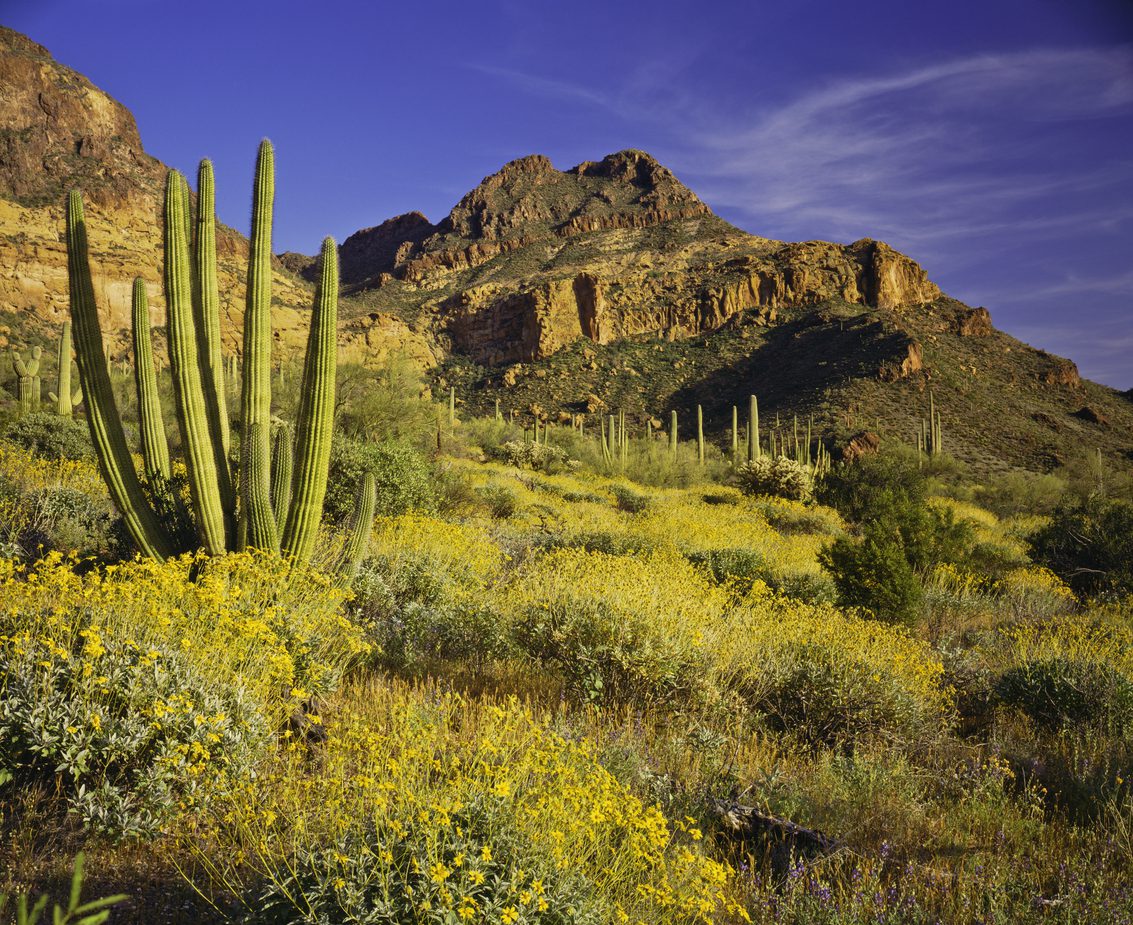
Organ Pipe Cactus National Monument, a remote desert park along the U.S.-Mexico border, captivates campers with its stark beauty and biodiversity. However, its proximity to the border fuels safety concerns. While specific 2025 crime statistics for the monument are limited, the National Park Service reports ongoing issues with drug and human smuggling, with incidents dating back to the 1980s, including a 2002 ranger shooting.
U.S. Border Patrol data indicates a 15% increase in apprehensions of undocumented migrants in the Ajo sector in 2024, suggesting continued activity. Extreme heat, with summer temperatures often exceeding 100°F, poses a lethal risk of heatstroke, with at least two heat-related deaths reported in 2024.
X User Perspective: “Organ Pipe is stunning but creepy at night. Border patrol was everywhere, and I felt exposed camping solo.” – @DesertTrekker, Mar 2025
Camping Risks and Precautions: The dual threats of border-related crime and environmental extremes make Organ Pipe a high-risk destination. Campers should stay in designated campgrounds like Alamo Campground, travel in groups, and avoid hiking during peak heat hours. Carry at least one gallon of water per person per day and inform rangers of your plans.
4. Slab City, California
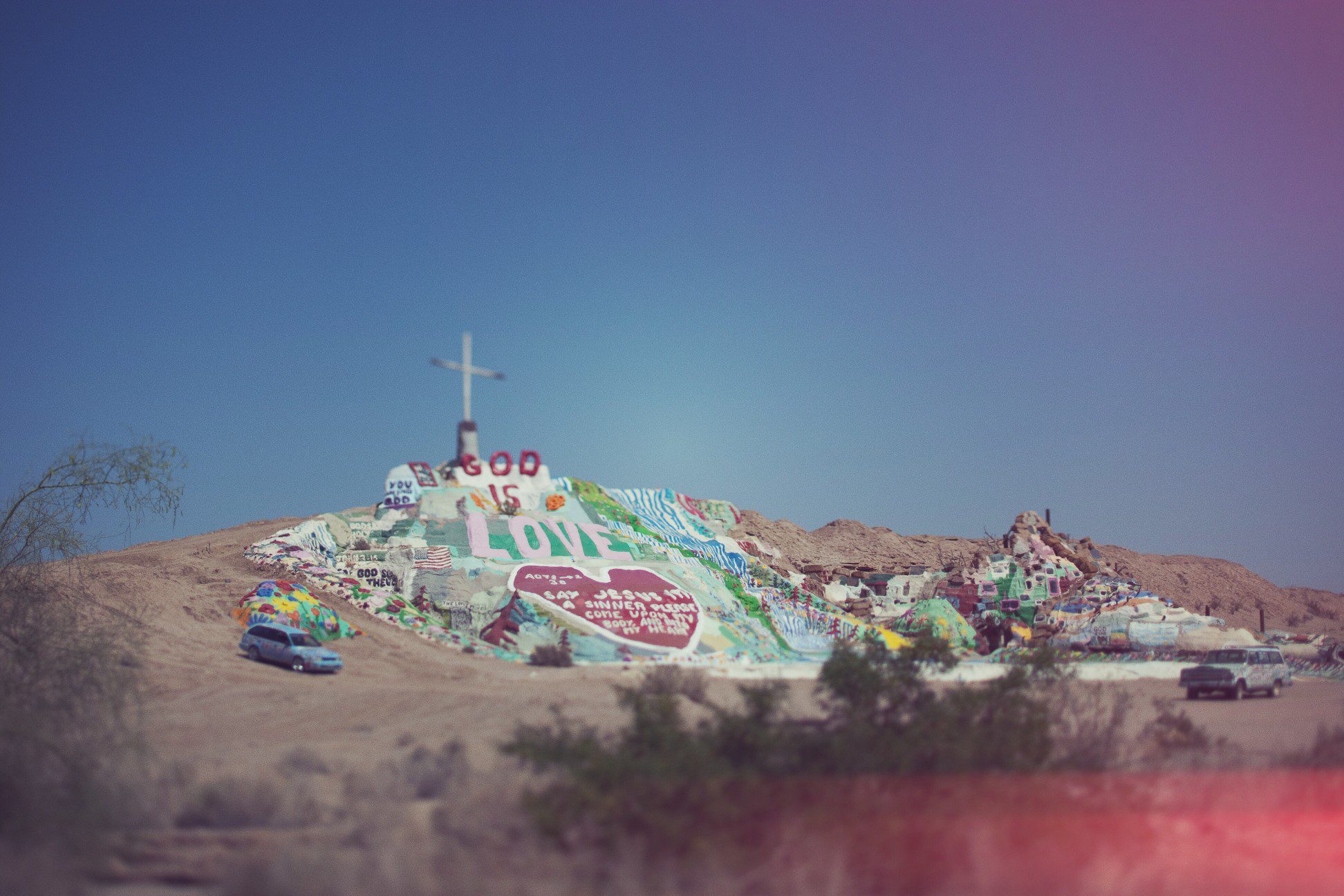
Slab City, an off-grid community in the Sonoran Desert near the Salton Sea, draws free-spirited campers with its lawless, bohemian atmosphere. However, its lack of formal governance fosters a volatile environment. Imperial County Sheriff’s Office data for 2024 reports a violent crime rate of 412 per 100,000 in the broader Niland area, with Slab City contributing to incidents of theft, assault, and vandalism.
The desert’s extreme heat, often surpassing 110°F, and scarce water sources heighten dehydration risks. Poor sanitation and abandoned structures also pose health and safety hazards.
X User Perspective: “Slab City is wild, but not in a good way. My tent was rummaged through while I was out. Water’s a nightmare to find.” – @NomadVibes, Apr 2025
Camping Risks and Precautions: Slab City’s unregulated nature and harsh conditions make it unsuitable for novice campers. Stick to populated areas near Salvation Mountain, keep valuables hidden, and bring ample water (at least 1.5 gallons per person daily). Short stays are safer, and camping in groups deters theft.
5. Skidmore, Missouri
Skidmore, a small rural town in Nodaway County, Missouri, seems like an idyllic camping base but carries a dark reputation for violence. While specific 2025 crime data for Skidmore is sparse due to its small population (under 300), Nodaway County reported a violent crime rate of 289 per 100,000 in 2023, with Skidmore’s history of unsolved murders—including a 1981 vigilante killing and a 2004 disappearance—fueling its notoriety.
Remote campgrounds in the region, such as those near Mozingo Lake, lack robust law enforcement presence, increasing risks of harassment or theft.
X User Perspective: “Skidmore gives me the creeps. Camped nearby and locals warned me to lock everything up. Felt like I was being watched.” – @RuralRoamer, Jan 2025
Camping Risks and Precautions: Skidmore’s isolation and history of lawlessness require extra caution. Campers should choose established sites with on-site staff, like Mozingo Lake Recreation Park, and avoid backcountry camping. Secure all gear and maintain a low profile to avoid unwanted attention.

Broader Context: Why These Areas Are Risky
These locations share common risk factors that amplify dangers for campers:
- Crime Spillover: Urban centers like St. Louis and Memphis see crime extend into surrounding rural areas, affecting campgrounds. Smaller towns like Skidmore lack adequate policing, creating pockets of lawlessness.
- Environmental Hazards: Extreme heat in Organ Pipe and Slab City, flooding in St. Louis, and disease vectors in Memphis pose physical threats.
- Isolation: Remote or unregulated areas, like Slab City and Skidmore, increase vulnerability due to limited emergency response capabilities.
Safety Tips for Campers
To mitigate risks in any camping destination:
- Research Thoroughly: Use platforms like Campendium or NPS.gov to find campgrounds with strong reviews, on-site staff, and security features like gated access or patrols.
- Stay Vigilant: Avoid isolated sites, especially after dark, and keep valuables locked in vehicles or hidden in secure containers.
- Prepare for Nature: Check weather forecasts on NOAA.gov, pack appropriate gear (e.g., sun protection, insect repellent), and research local wildlife or health risks.
- Travel in Groups: Solo camping heightens vulnerability in high-risk areas. Groups deter crime and provide support in emergencies.
- Trust Instincts: If a location feels unsafe, relocate to a more secure site or consider leaving the area entirely.
- Use Technology: Carry a satellite communicator (e.g., Garmin inReach) in remote areas like Organ Pipe or Slab City, where cell service is unreliable.
Safer Alternatives for 2025
For campers seeking adventure without the risks, consider these safer destinations:
- Zion National Park, Utah: Well-managed with low crime and ranger presence.
- Great Smoky Mountains, Tennessee/North Carolina: High visitor volume and robust security.
- Banff National Park, Canada: Low crime and excellent infrastructure for campers.
Stay Safe While Camping
While St. Louis, Memphis, Organ Pipe, Slab City, and Skidmore offer unique camping experiences, their risks—ranging from violent crime to environmental extremes—make them precarious choices for 2025. The latest crime statistics and X user accounts underscore the need for caution.
By consulting local advisories (e.g., U.S. State Department, National Park Service), choosing secure campgrounds, and preparing for local conditions, campers can reduce risks. Ultimately, prioritizing safety ensures that the call of the wild remains a source of joy, not danger.
We’ll Help You Find the Best Free Camping in the USA
You should give it a try!
As a matter of fact, these free campsites are yours to enjoy. Every time you pay federal taxes, you’re contributing to these lands.
Become a FREE CAMPING INSIDER and join the 100,000 campers who love to score the best site!
We’ll send you the 50 Best Free Campsites in the USA (one per state). Access the list by submitting your email below: