In the vast land of America’s National Park System, Gates of the Arctic National Park and Preserve stands as a testament to raw, unspoiled wilderness. Located entirely above the Arctic Circle in Alaska, it is the least visited national park in the United States, drawing fewer than 10,000 visitors annually—compared to millions at parks like Yellowstone or Yosemite. Spanning 8.4 million acres of rugged mountains, boreal forests, and Arctic tundra, it offers no roads, no trails, and no facilities, making it a destination for only the most intrepid adventurers.
This article explores the allure, challenges, and unique features of Gates of the Arctic, exploring why it remains so rarely visited and what makes it a crown jewel of America’s protected lands.

The Remote Wilderness of Gates of the Arctic
Gates of the Arctic, established as a national park in 1980, encompasses the Brooks Range, one of the most remote mountain chains in the world. Its name, coined by conservationist Robert Marshall in the 1930s, refers to the dramatic gateway formed by Frigid Crags and Boreal Mountain, framing the North Fork of the Koyukuk River.
The park’s boundaries stretch across an area larger than Vermont, yet its inaccessibility defines its character. No roads penetrate its borders, and the nearest highways are hundreds of miles away. Visitors must arrive by bush plane, helicopter, or on foot, often starting from gateway communities like Bettles or Anaktuvuk Pass.
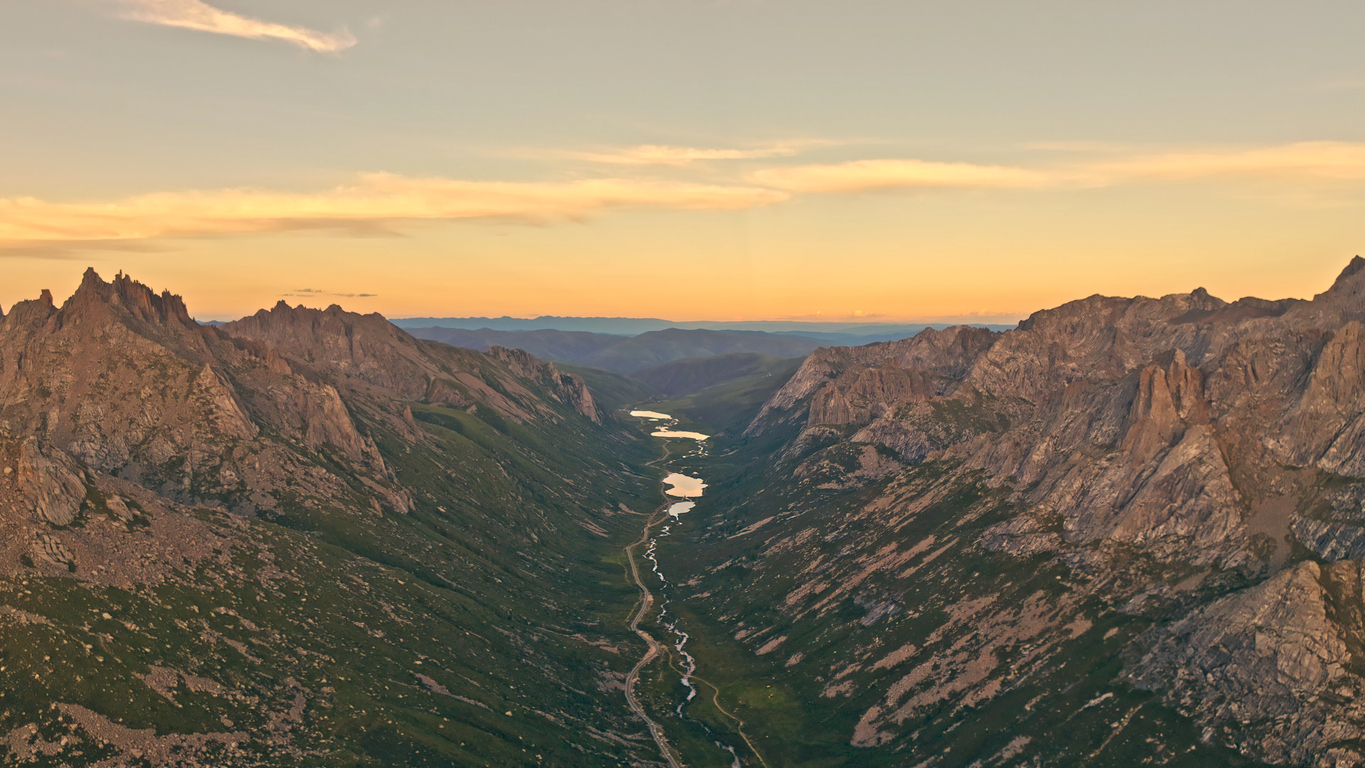
The park’s landscape is a mosaic of ecological zones. Jagged peaks, some exceeding 7,000 feet, give way to U-shaped valleys carved by ancient glaciers. Six wild rivers—the Alatna, Anaktuvuk, John, Koyukuk, Noatak, and Kobuk—flow through the park, their waters teeming with grayling and Arctic char. Tundra blankets the lowlands, dotted with wildflowers in summer, while spruce and birch forests cling to river valleys.
This diversity supports a rich array of wildlife, including grizzly bears, wolves, moose, caribou, and Dall sheep, all thriving in a landscape untouched by human development.
Why So Few Visitors?
The primary reason for Gates of the Arctic’s low visitation is its extreme remoteness. The park lies 200 miles north of Fairbanks, Alaska’s northernmost major city, and is accessible only by air or arduous overland treks. Bush plane charters, costing $1,000 or more per trip, are the most common entry method, but they depend on unpredictable Arctic weather. Storms can strand visitors for days, and fog often grounds flights. For those without deep pockets, the cost and logistics are prohibitive.
The lack of infrastructure further deters visitors. Unlike other national parks with visitor centers, campgrounds, and marked trails, Gates of the Arctic offers nothing but wilderness. Travelers must be entirely self-sufficient, carrying their own food, shelter, and navigation tools.
The park’s terrain is unforgiving—rivers can swell without warning, and temperatures can plummet even in summer. Wildlife encounters, particularly with bears, demand vigilance and experience. For casual tourists, these challenges outweigh the appeal of visiting.
Cultural and seasonal factors also play a role. The park’s short summer season, from June to August, is the only practical time for most visitors, as winter brings subzero temperatures and near-constant darkness. Even in summer, temperatures rarely exceed 60°F, and rain is frequent. The park’s isolation also means limited media exposure; it lacks the iconic landmarks—like Yosemite’s El Capitan or Yellowstone’s Old Faithful—that draw crowds to other parks. For many, Gates of the Arctic remains an unknown, overshadowed by Alaska’s more accessible parks, like Denali or Kenai Fjords.
The Allure of Untamed Wilderness
Despite its challenges, Gates of the Arctic holds a magnetic pull for those seeking true wilderness. Its untouched landscapes offer a rare chance to experience nature as it existed millennia ago. Backpackers and mountaineers are drawn to the Brooks Range for its challenging terrain and solitude. Paddlers flock to the park’s wild rivers, which offer Class I to IV rapids and multi-week float trips. Photographers and naturalists revel in the Arctic’s stark beauty, from the aurora borealis in early fall to the midnight sun in summer.
The park’s cultural heritage adds another layer of intrigue. The Nunamiut and Iñupiat peoples have lived in the region for thousands of years, their traditions tied to the land. Anaktuvuk Pass, a Nunamiut village within the park, is one of the few human settlements in the area. Visitors can engage with local guides to learn about Indigenous practices, such as caribou hunting or storytelling, though access to the village requires respect for its small, close-knit community.
For scientists, Gates of the Arctic is a living laboratory. Its ecosystems, largely unaltered by human activity, provide insights into climate change, permafrost dynamics, and Arctic biodiversity. Research stations, though sparse, monitor everything from glacial retreat to caribou migration. The park’s pristine state makes it a baseline for understanding how human impacts have altered other regions.
Challenges of Visiting
Visiting Gates of the Arctic demands meticulous planning and physical preparedness. The National Park Service emphasizes self-reliance, as rescue operations are slow and costly due to the park’s remoteness. A typical trip begins with arranging a bush plane drop-off, often through outfitters in Bettles or Coldfoot. Visitors must pack lightweight gear, including tents, stoves, and bear-proof food canisters. Navigation relies on maps, GPS, or local knowledge, as cell service is nonexistent.
Weather is a constant wildcard. Summer temperatures range from 30°F to 60°F, but snow can fall in any month. Mosquitoes, dubbed “Alaska’s state bird” by locals, swarm in July, requiring head nets and repellents. River crossings pose another hazard, as swift currents can sweep away even experienced hikers. Wildlife, while a highlight, demands caution; bear spray and proper food storage are non-negotiable.
The psychological toll of isolation cannot be understated. With no trails or signs, visitors must navigate vast, featureless tundra or dense forests, where disorientation is common. The absence of other people—often for weeks—can test even seasoned adventurers. Group travel is recommended, both for safety and morale.

Conservation and Future Challenges
Gates of the Arctic’s pristine state is both its greatest asset and its greatest vulnerability. Climate change is already reshaping the Arctic, with warming temperatures thawing permafrost and altering wildlife patterns. Caribou herds, a keystone species, face shrinking habitats as tundra gives way to shrubs. Glaciers in the Brooks Range are retreating, and river flows are becoming less predictable. These changes threaten not only the park’s ecology but also the subsistence lifestyles of Indigenous communities.
Resource extraction poses another risk. While the park itself is protected, nearby areas face pressure from mining and oil exploration. The Ambler Road project, a proposed 211-mile industrial corridor, could skirt the park’s southern boundary, bringing noise, pollution, and habitat fragmentation. Conservationists argue that even indirect impacts could disrupt the park’s delicate balance.
The National Park Service faces a delicate balancing act: preserving the park’s wilderness while allowing limited access. Unlike other parks, Gates of the Arctic has no entrance fees or permits, reflecting its open, unregulated nature. However, increased visitation—however unlikely—could strain its ecosystems. The NPS encourages low-impact travel, urging visitors to “leave no trace” and avoid disturbing wildlife or cultural sites.
Experiencing Gates of the Arctic
For those willing to brave its challenges, Gates of the Arctic offers unparalleled rewards. A typical itinerary might involve a 10-day backpacking trip through the Arrigetch Peaks, a granite wonderland of spires and cirques. Paddlers might choose a two-week float down the Noatak River, camping on gravel bars and spotting wolves along the banks. For less strenuous options, day hikes from Anaktuvuk Pass provide stunning views without the need for multi-day commitments.
Engaging with local outfitters is key. Companies like Arctic Wild or Alaska Alpine Adventures offer guided trips, providing expertise and logistics for $5,000-$10,000 per person.
For independent travelers, the NPS website and ranger stations in Bettles offer planning resources, including topographic maps and safety guidelines. Regardless of the approach, preparation is paramount—Gates of the Arctic rewards the meticulous and punishes the careless.
Why It Matters
Gates of the Arctic’s low visitation is, in many ways, its greatest strength. It remains a place where nature reigns supreme, free from the crowds and commercialization that define other parks. Its existence challenges our notions of what a national park should be—not a curated experience, but a raw encounter with the wild.
For the few who visit, it offers a chance to test their limits, connect with ancient landscapes, and glimpse a world unmarred by human hands.
In an era of climate change and biodiversity loss, Gates of the Arctic stands as a reminder of what we stand to lose. Its preservation is not just a matter of policy but a moral imperative, ensuring that future generations can experience the Arctic’s untamed beauty. While it may never draw millions, its value lies in its purity—a sanctuary for wildlife, a homeland for Indigenous peoples, and a refuge for those seeking solitude in a crowded world.
Enjoy the Solitude of Gates of the Arctic National Park
Gates of the Arctic National Park and Preserve is not for everyone. Its remoteness, lack of amenities, and harsh conditions make it the least visited national park in the United States. Yet for those who venture into its wild heart, it offers an experience unlike any other—a chance to stand at the edge of the world, where mountains meet tundra and rivers carve paths through time.
As climate change and development threaten the Arctic, the park’s preservation becomes ever more critical. Whether you visit or simply admire it from afar, Gates of the Arctic reminds us of the power and fragility of wilderness, urging us to protect what remains of our planet’s untouched places.
We’ll Help You Find the Best Free Camping in the USA
You should give it a try!
As a matter of fact, these free campsites are yours to enjoy. Every time you pay federal taxes, you’re contributing to these lands.
Become a FREE CAMPING INSIDER and join the 100,000 campers who love to score the best site!
We’ll send you the 50 Best Free Campsites in the USA (one per state). Access the list by submitting your email below: