In this article, we’ll countdown the 11 worst fall RV destinations. We start from the least problematic at number 11. We build to the absolute worst at number 1.
We’ll explore what makes each one challenging for RVers in September through November. We’ll also highlight any redeeming qualities to keep things balanced. No place is entirely without merit.
We’ll draw from traveler reports, weather patterns, and RV community insights. Factors like extreme weather events play key roles. Poor road conditions, limited amenities, and environmental risks influence these rankings.
This list isn’t meant to deter you from RVing altogether in fall. Instead, it’s a guide to help you plan smarter. Many of these spots are fantastic in other seasons.
Autumn brings unique pitfalls. Understanding these challenges can make your journey safer and more enjoyable. Whether you’re a full-timer or a weekend warrior, this knowledge helps.
We’ll wrap up with a section on some of the best fall RV destinations. This will inspire your next adventure.
11. Lake Tahoe, California
Lake Tahoe straddles the California-Nevada border. It’s a year-round gem with crystal-clear waters, towering pines, and alpine scenery. But in fall, it earns a spot on our worst list due to wildfire risks and unpredictable early snowfalls.
Autumn is peak fire season in the Sierra Nevada. Dry winds and low humidity exacerbate blazes that can lead to evacuations, road closures, and smoky air quality. This makes outdoor activities unfit and obscures famous vistas.
RVers have reported hazy views at spots like Emerald Bay State Park. Campgrounds often face restrictions or shutdowns. Temperatures can plummet overnight, freezing water lines in your RV if you’re not prepared.
Higher elevations might see the first snow by late October. Mountain passes become treacherous for larger rigs. On the positive side, if you time it right in early fall, the aspen groves turn golden.
This offers stunning photo ops without summer’s boat traffic. Crowds are lighter, and spots like Tahoe National Forest provide dispersed camping options. To mitigate risks, monitor Cal Fire alerts and pack air purifiers.
Still, for fall RVing, Tahoe’s hazards make it a gamble. It’s better suited for spring or summer when fires are less prevalent. Plan accordingly to avoid disappointments.

10. Moab, Utah
Moab is an adventure hub home to Arches and Canyonlands National Parks. Red rock arches, canyons, and off-road trails draw thrill-seekers. However, fall brings flash flood dangers and lingering heat that can spoil an RV trip.
September and October see monsoon remnants with sudden downpours. These turn dry washes into raging torrents, flooding low-lying campsites and washing out dirt roads. RVers in areas like the Colorado River corridor have been stranded.
The arid heat often exceeds 90°F in early fall, straining AC units. This makes hiking miserable, and dust storms can coat your rig in grit. Popular spots like Dead Horse Point State Park fill up quickly with leaf-peepers escaping northern chills.
That said, Moab’s fall shoulder season means fewer tourists than summer. This allows easier access to iconic sites like Delicate Arch. The cottonwoods along the river glow yellow, adding a pop of color to the desert landscape.
Pro tip: Stick to higher ground for camping and check NOAA flood warnings. Despite these upsides, the combination of heat and floods edges Moab into our countdown. Opt for winter if you crave cooler temps without the rain risks.
Overall, Moab requires careful planning in fall. Its beauty persists, but hazards loom large. Consider alternatives for a smoother experience.

9. Portland, Oregon
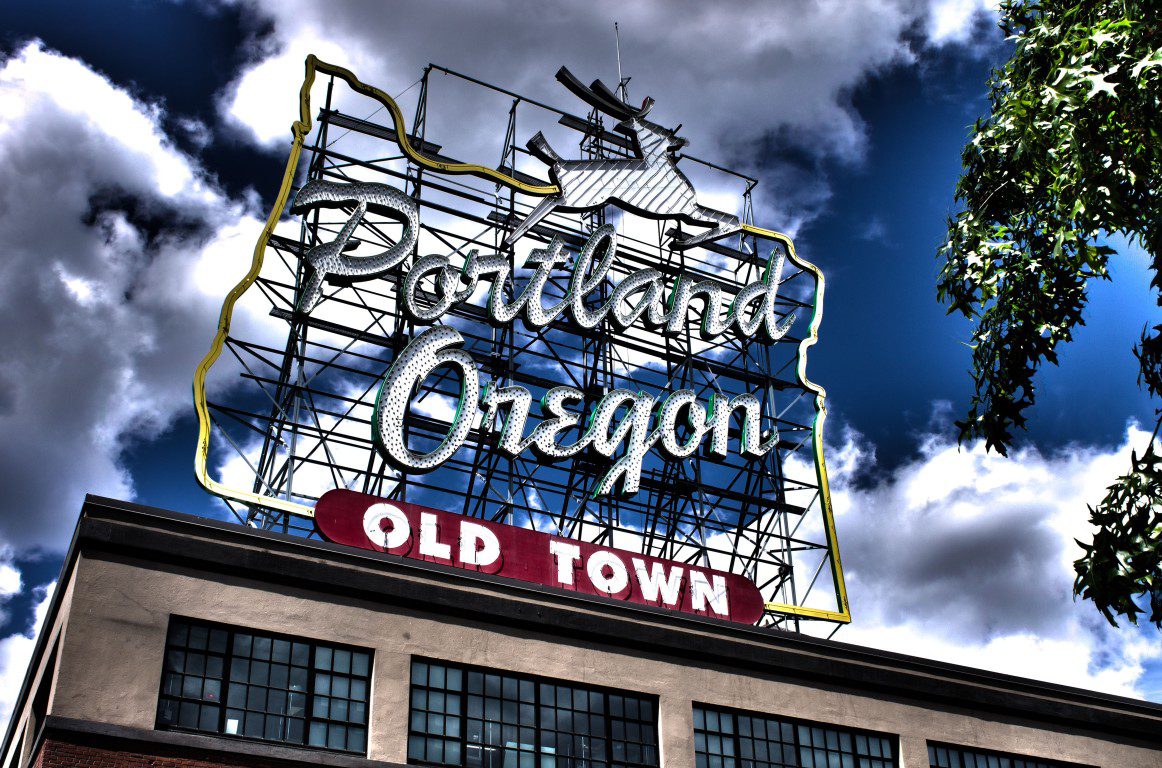
The Pacific Northwest’s quirky gem, Portland boasts urban charm with food trucks, breweries, and proximity to the Columbia River Gorge. But fall RVing here is plagued by relentless rain and foggy conditions that dampen spirits. These complicate travel on winding highways like U.S. 26 to Mount Hood.
Autumn marks the start of the wet season, with drizzle turning to downpours by October. Slick roads become hazardous for RVs, and campgrounds in the Gorge can flood. Overcast skies obscure waterfall views, while mold and mildew thrive in the humidity.
This potentially affects your rig’s interior, and crowds flock for early foliage. Sites like Oxbow Regional Park get jammed. Positively, Portland’s fall markets and pumpkin patches offer cozy vibes.
The rain keeps the air fresh and forests lush. Wine country in the Willamette Valley shines with harvest events. To cope, invest in rain gear and dehumidifiers.
Yet, the soggy weather dominates, making Portland a suboptimal choice. Head south to drier California climes for better fall adventures. Balance is key in destination selection.
8. Yellowstone National Park, Wyoming
Yellowstone’s geysers, wildlife, and geothermal wonders make it a bucket-list staple. But fall presents closures, cold snaps, and wildlife hazards that challenge RVers. By mid-September, many roads and facilities shut down for the season.
This limits access to hotspots like Old Faithful. Early snow can blanket higher elevations, stranding rigs without chains. Temperatures dip below freezing at night, risking pipe bursts.
Bears are hyperphagic in autumn, foraging aggressively near campsites. This leads to more encounters and potential closures. On the brighter side, fall thins the summer hordes.
This offers serene wildlife viewing, with elk bugling echoing through the valleys. Golden aspens frame the landscapes beautifully. Fishing Bridge RV Park stays open longer for hardy souls.
Monitor park alerts and winterize your RV early. Despite these draws, the logistical headaches and weather woes land Yellowstone here. Visit in late summer for full access without the chill.

7. Death Valley National Park, California
Known for its otherworldly badlands and record heat, Death Valley is extreme year-round. But fall’s lingering scorch makes it brutal for RVing. Temperatures hover in the 100s°F through October, overwhelming cooling systems.
This deters outdoor exploration, with hikes to spots like Badwater Basin becoming dangerous due to heatstroke risks. Dust devils whip up sandstorms, reducing visibility on unpaved roads. Remote campsites lack shade or water, straining resources.
Flash floods from rare rains can trap vehicles in washes. Redeeming factors include fewer visitors, allowing peaceful stargazing under dark skies. Cooler evenings suit campfires, and the park’s unique geology fascinates.
Pack extra water and avoid midday activities. Still, the oppressive heat overshadows these perks, making Death Valley a fall flop. Save it for winter when temps are mild.

6. New Orleans, Louisiana
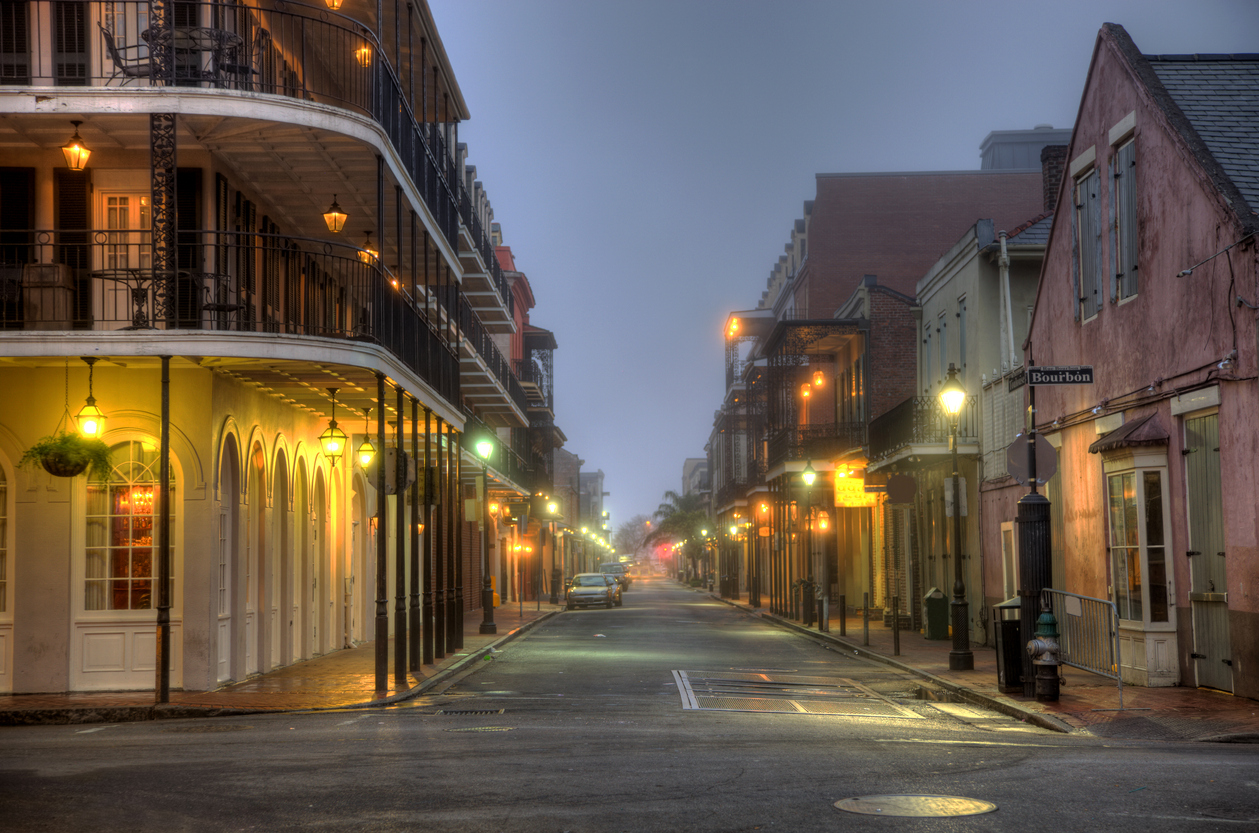
The Big Easy’s vibrant culture, jazz, and cuisine enchant visitors. But fall hurricane season turns it risky for RVers. September to November peaks with storms, bringing high winds that can topple rigs.
Flooding affects low-lying areas like French Quarter-adjacent campgrounds. Power outages disrupt hookups, and humid, muggy days persist. These foster mosquitoes, and post-storm debris litters roads.
Positively, fall festivals like Voodoo Music + Arts Experience thrive if weather cooperates. Milder temps than summer allow comfortable sightseeing. Bayou Segnette State Park offers a suburban escape.
Track NOAA forecasts and have evacuation plans. However, the storm threats dominate, earning New Orleans this spot. Spring Mardi Gras season is safer.
5. Aspen, Colorado
Aspen’s glitzy slopes and golden groves draw fall crowds. But early snow, altitude issues, and road challenges make it tough for RVs. By late September, passes like Independence can ice over, daunting for big rigs.
Thin air at 8,000 feet causes engine strain and altitude sickness. Campgrounds close early, and leaf-peeping traffic clogs routes like Maroon Bells Road. Yet, the aspen foliage is unparalleled, with hikes revealing stunning vistas.
Off-season rates drop, and Difficult Campground provides scenic spots. Acclimatize gradually and check CDOT for closures. Despite beauty, the high-elevation hazards push Aspen here.
Try lower Colorado spots for easier access. Balance risk with reward in planning. Fall’s allure persists selectively.
4. Outer Banks, North Carolina
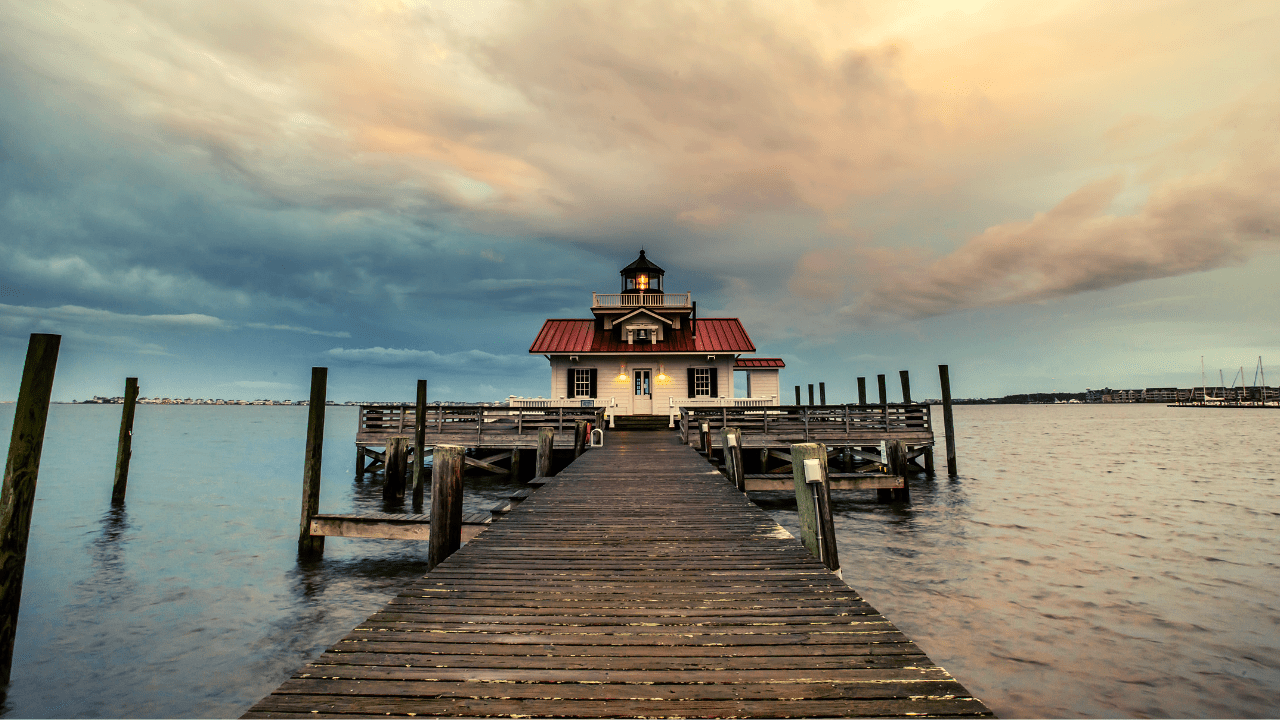
These barrier islands offer beaches and history to explorers. But fall hurricanes and nor’easters batter them, eroding roads and flooding campsites. Winds buffet RVs, and ferries to Ocracoke can suspend, stranding travelers.
Bugs like no-see-ums peak in humid autumn. On the upside, post-summer serenity allows peaceful shelling. Migrating birds delight watchers, and Cape Hatteras National Seashore campsites are affordable.
Monitor weather apps for safety. Still, coastal storms make it precarious. Summer’s calmer for beach RVing.
3. Seattle, Washington
Seattle’s tech vibe and Puget Sound views appeal to many. But fall’s incessant rain and wind create slick, flood-prone roads, especially on I-5. Gray skies depress moods, and ferry delays disrupt island hops.
Campgrounds like Dash Point State Park get muddy. Positively, fall salmon runs and markets shine, with fewer tourists. The Olympic Peninsula’s foliage impresses.
Use rain-proof gear for comfort. Yet, the drenching dominates. California’s drier fall beckons instead.
2. Alaska (Denali National Park Area)
Alaska’s vast wilderness stuns with its scale. But fall’s rapid chill, short days, and road frost heaves challenge RVs. By September, snow hits Denali, closing the park road and freezing amenities.
Wildlife like moose blocks paths, and darkness limits exploration. Redeemingly, aurora viewing peaks, and uncrowded trails offer solitude. Savage River Campground lingers open.
Insulate your rig thoroughly. However, the harsh transition to winter edges it near the top. Summer’s midnight sun is ideal.
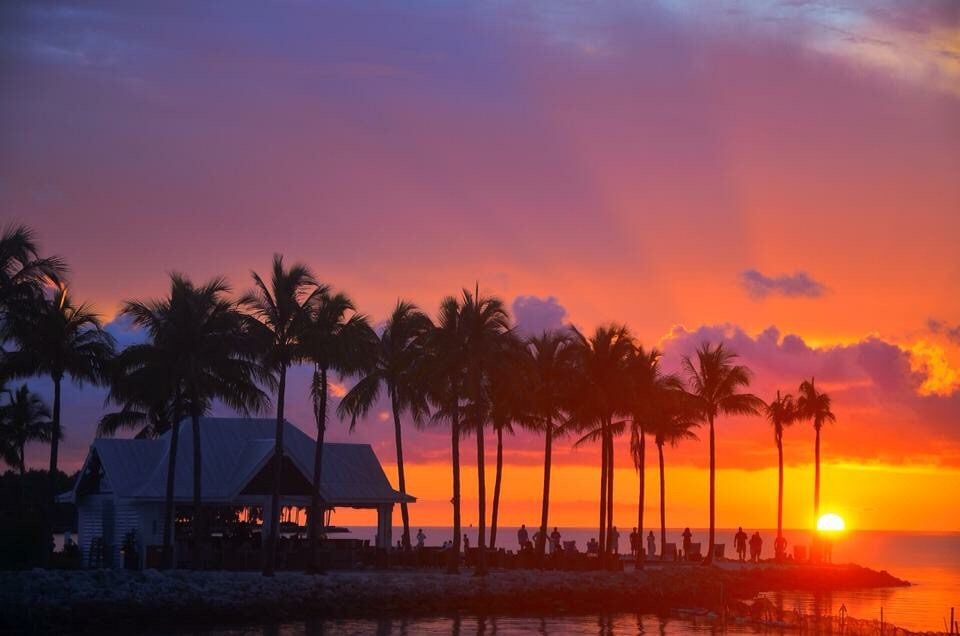
1. Florida Keys, Florida
Topping our list, the Keys’ tropical paradise turns perilous in fall’s hurricane peak. Storms like Irma have devastated RV parks, with high winds shredding awnings. Surges flood the Overseas Highway, the only escape route.
Evacuations are chaotic, and post-storm recovery slows. Heat and humidity linger, breeding mosquitoes. Balancing, early fall’s clear waters suit snorkeling if calm.
Fewer crowds mean better fishing, and Bahia Honda State Park dazzles. But the life-threatening risks make it the worst. Winter dry season is paradise.
Some of the Best Fall RV Destinations
To balance our cautionary tale, here are five standout fall RV destinations. These enhance the experience with mild weather and stunning scenery. Ample amenities make them ideal for leaf-peeping, hiking, and relaxing.
Great Smoky Mountains National Park, Tennessee/North Carolina
The Smokies explode in fall colors, with over 100 tree species turning ridges fiery. Mild temps (50-70°F) suit RVing, and campgrounds like Cades Cove stay open with hookups. Fewer crowds than summer allow peaceful drives on Newfound Gap Road.
Watch for black bears foraging acorns. Positives include harvest festivals in Gatlinburg and affordable sites. Pitfall: Weekend traffic, so midweek is best.
Acadia National Park, Maine
Acadia’s coastal cliffs and carriage roads glow with red maples and yellow birches. Fall’s crisp air (40-60°F) invigorates hikes to Cadillac Mountain for sunrise views. Bar Harbor RV parks offer oceanfront spots, and lobster season peaks.
Bugs dwindle, but early frosts can nip. Pack layers for comfort. It’s a foliage haven without overwhelming hazards.
Durango, Colorado
Lower elevations here avoid Aspen’s snow risks. The San Juan Mountains’ aspens turn gold. Ride the Durango & Silverton Narrow Gauge Railroad through colorful canyons.
Temps hover 50-70°F, perfect for Mesa Verde National Park visits. Camp at Lightner Creek with mountain views. Minor con: Occasional afternoon showers, but overall, it’s fall RV bliss.
Boone, North Carolina
Nestled in the Blue Ridge, Boone’s rolling hills burst with color along the Parkway. Mild weather encourages apple picking and hiking at Grandfather Mountain. Affordable RV resorts like Flintlock Campground provide amenities.
Crowds are manageable post-summer. Weekends busy up, so plan accordingly. It’s a balanced escape for reflection.
Lake Placid, New York
Adirondack peaks frame mirror-like lakes in fiery foliage. Fall temps (40-60°F) suit Olympic site tours and gondola rides. Camp at Ausable Point with lake access.
Fewer mosquitoes than summer. Pack for chills to stay comfortable. It’s a serene spot for adventure.
In conclusion, fall RVing rewards the prepared. Avoid the worst by researching weather and securing reservations. Winterize early for safety.
Embrace the best for unforgettable trips. May your roads be smooth. Your campfires warm always.
We’ll Help You Find the Best Free Camping in the USA
You should give it a try!
As a matter of fact, these free campsites are yours to enjoy. Every time you pay federal taxes, you’re contributing to these lands.
Become a FREE CAMPING INSIDER and join the 100,000 campers who love to score the best site!
We’ll send you the 50 Best Free Campsites in the USA (one per state). Access the list by submitting your email below: