Hitting the highway in your RV is all about that sweet freedom—wind in your hair, tunes cranked up, and zero boss telling you what to do. But let’s get real: picking a spot to park for the night can make or break your vibe.
Some places might look tempting for a quick snooze, but they come with serious red flags. We’re talking theft, sketchy vibes, or straight-up Mother Nature throwing a tantrum. I’ll keep it light and chatty, but trust me, these warnings are no joke—stick to the facts, stay safe, and avoid turning your dream trip into a nightmare.
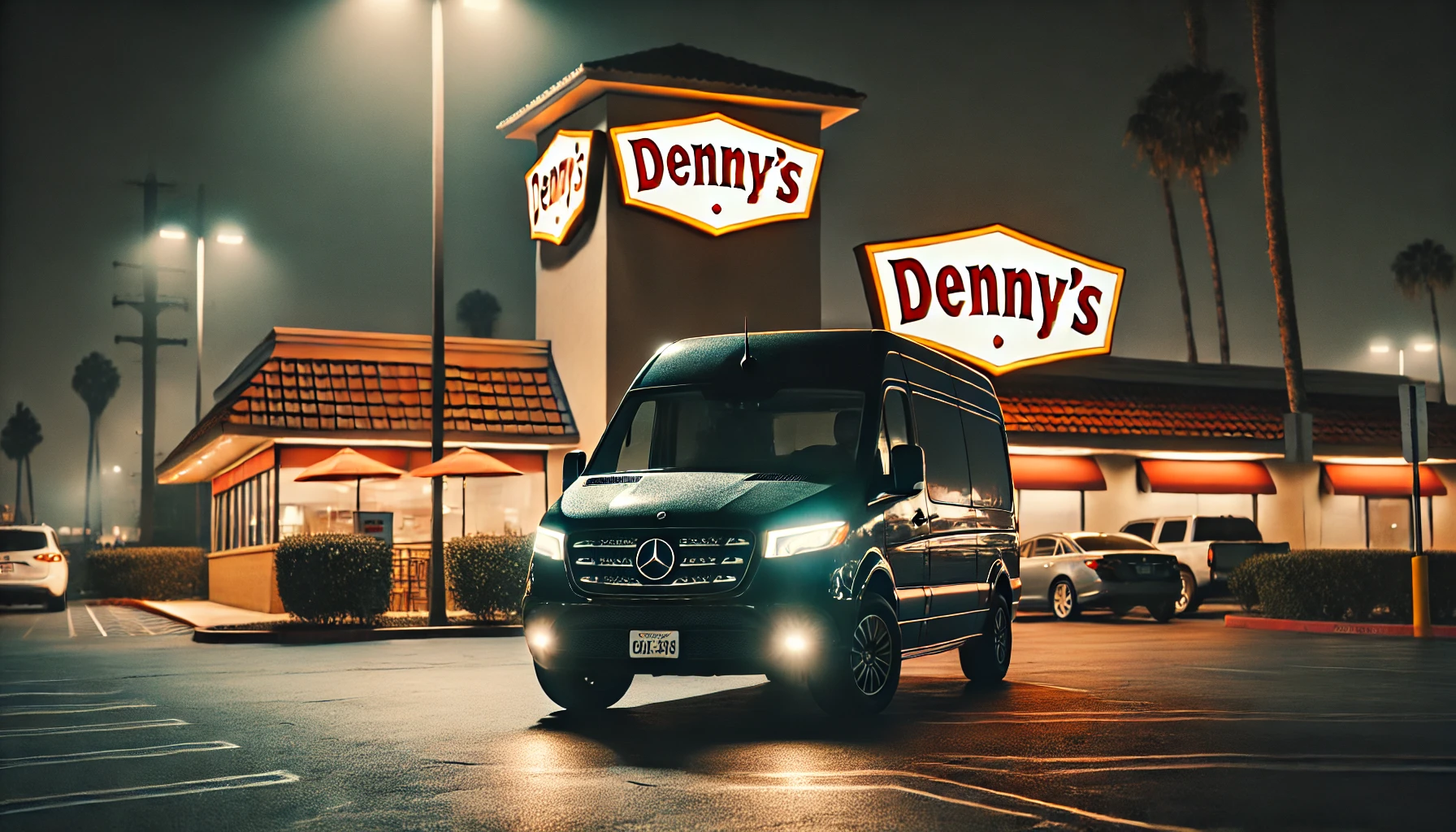
1. Isolated Rest Stops: The Lonely Pit Stop Lurking with Trouble
You’re beat after a long drive, spot a quiet rest stop, and think, “Perfect, I’ll just pull over and catch some Z’s.” Sounds chill, right? Wrong.
These spots often have zero security, dim lighting, and no one around to hear if things go sideways. Break-ins and vandalism are real risks here, and help could be miles away.
Redditor u/the-names-poppy shared: “Rest stops can be sketchy and noisy! Nothing like drifting off to sleep only to be awakened to the sound of hissing air brakes @2AM…..my experiences….yours may be different.”
Pro Tip: Skip the isolation. Head to busier, well-lit stops with cameras or better yet, a proper campground. Apps like RV Parky can point you to safer digs.
2. Urban Street Parking: City Streets Aren’t Your Free Lot
Rolling into a bustling city and snagging a street spot for your rig? Feels like a win—until you wake up to a smashed window or a towing ticket. RVs scream “valuable stuff inside” to thieves, and city parking rules can hit you with fines faster than you can say “meter maid.” Plus, high-crime areas amp up the danger factor.
From Reddit’s r/sandiego: “Nobody wants to see your ugly tweakermobile parked on the street. I don’t blame this lady one bit. Every time I see an RV in the street there is tons of trash left nearby or piss all over the sidewalk.”
Pro Tip: Do your homework on local laws and aim for designated urban RV lots or campsites nearby. It’s worth the extra effort to avoid the headache.
3. Unvetted Private Property: Stranger Danger on Steroids
Apps like Boondockers Welcome can hook you up with private land for parking, but going rogue with unverified spots? That’s rolling the dice. You’re isolated, depending on a total stranger’s mood, and if things sour, you’re stuck in a legal gray area with no backup.
Pro Tip: Stick to verified hosts on trusted platforms. Set clear expectations upfront and always have a Plan B, like a nearby campground, if vibes feel off.
4. Remote Wilderness Areas Without Cell Service: Off-Grid Gone Wrong
Boondocking in the wild is epic for that “one with nature” feel, but no cell signal? That’s a potential recipe for disaster. A breakdown, injury, or wildlife run-in, and you’re on your own—emergency help could take hours or days to arrive.
From Reddit’s r/camping: “Simple fact is if there is no cell service (LTE, 4g), and no local wifi hotspot, you are out of luck. That is sort of thing about being in the wilderness…its wild.”
Pro Tip: Pack a satellite communicator like Garmin inReach, check forecasts, and share your itinerary. Opt for spots with at least spotty coverage if you’re new to this.
5. Truck Stops in High-Crime Areas: Fuel Up, But Don’t Settle In
Truck stops like Love’s or Pilot are handy for a pit stop, but in shady neighborhoods? Not so much. Minimal security means your RV’s a sitting duck for thieves, and the constant comings and goings can feel downright dodgy.
A trucker on Reddit’s r/vandwellers noted: “Now there are dangerous truck stops out there. Especially in major cities with high crime areas.”
Pro Tip: Use apps like Trucker Path for reviews on safe spots. Park in well-lit areas near security, and avoid the back corners where trouble hides.
6. Near Hazardous Natural Features: Don’t Tempt Fate with Cliffs or Rivers
That riverside view or cliffside perch looks Instagram-worthy, but one flash flood or landslide, and your RV’s toast. Weather can turn nasty overnight, turning paradise into peril.
Reddit user u/MikeKeys12119 shared a flood warning: “I’ve seen this happen many times. It’s true. Worse part is that you can be camped out on the river bottom, and it’s raining upstream, some 20+ miles away, and here comes the wall of water taking everything with it.”
Pro Tip: Scope maps for flood zones or unstable terrain. Stick to level, safe ground—BLM or National Forest sites often have vetted dispersed camping that’s way less risky.
7. Non-Designated Retail Parking Lots: Walmart Isn’t Always a Win
Walmart lots used to be RV gold for overnights, but not all allow it anymore, and ignoring signs can lead to knocks from cops or worse—crime in poorly watched areas.
From Reddit’s r/RVLiving: “The Walmart in my town ended this summer… They started dumping their grey water on the grass mounds there and let their dogs run free at night too much.”
Pro Tip: Always ask management first and check for “no overnight” signs. Better options? Apps like AllStays for confirmed spots, and park near other RVs for that safety-in-numbers feel.
Quick Hacks to Keep Your RV Nights Drama-Free
- Plan Like a Pro: Apps like iOverlander or Campendium are your BFFs for reviews and safe spots.
- Lock It Down: Bright lights, alarms, and hidden valuables—don’t make it easy for opportunists.
- Gut Check: If it feels weird, bail. Better a detour than a disaster.
- Gear Up: First-aid kit, emergency supplies, and a backup comms device for those “just in case” moments.
- Play by the Rules: Know local laws—fines suck, and so does getting towed.
Wrapping up: RV life is a blast when you’re smart about it. Dodge these dodgy spots, and you’ll keep the good times rolling without the regrets. Got a wild parking story or need tweaks to this list? Hit me up—safe travels, buddy!
We’ll Help You Find the Best Free Camping in the USA
You should give it a try!
As a matter of fact, these free campsites are yours to enjoy. Every time you pay federal taxes, you’re contributing to these lands.
Become a FREE CAMPING INSIDER and join the 100,000 campers who love to score the best site!
We’ll send you the 50 Best Free Campsites in the USA (one per state). Access the list by submitting your email below: