There’s a certain romance in the idea of the open road—a horizon that keeps moving just out of reach, beckoning with the promise of new experiences and the occasional questionable roadside diner.
I’ve often grappled with the grand debate: towable or drivable RV? It’s a question that has launched a thousand forum wars and possibly ended a few friendships.
So grab your atlas (or, you know, open Google Maps), and let’s navigate this winding road together, dissecting the pros, cons, costs, comforts, and safety concerns of each option.
The Fork in the Road: Towable vs. Drivable RVs
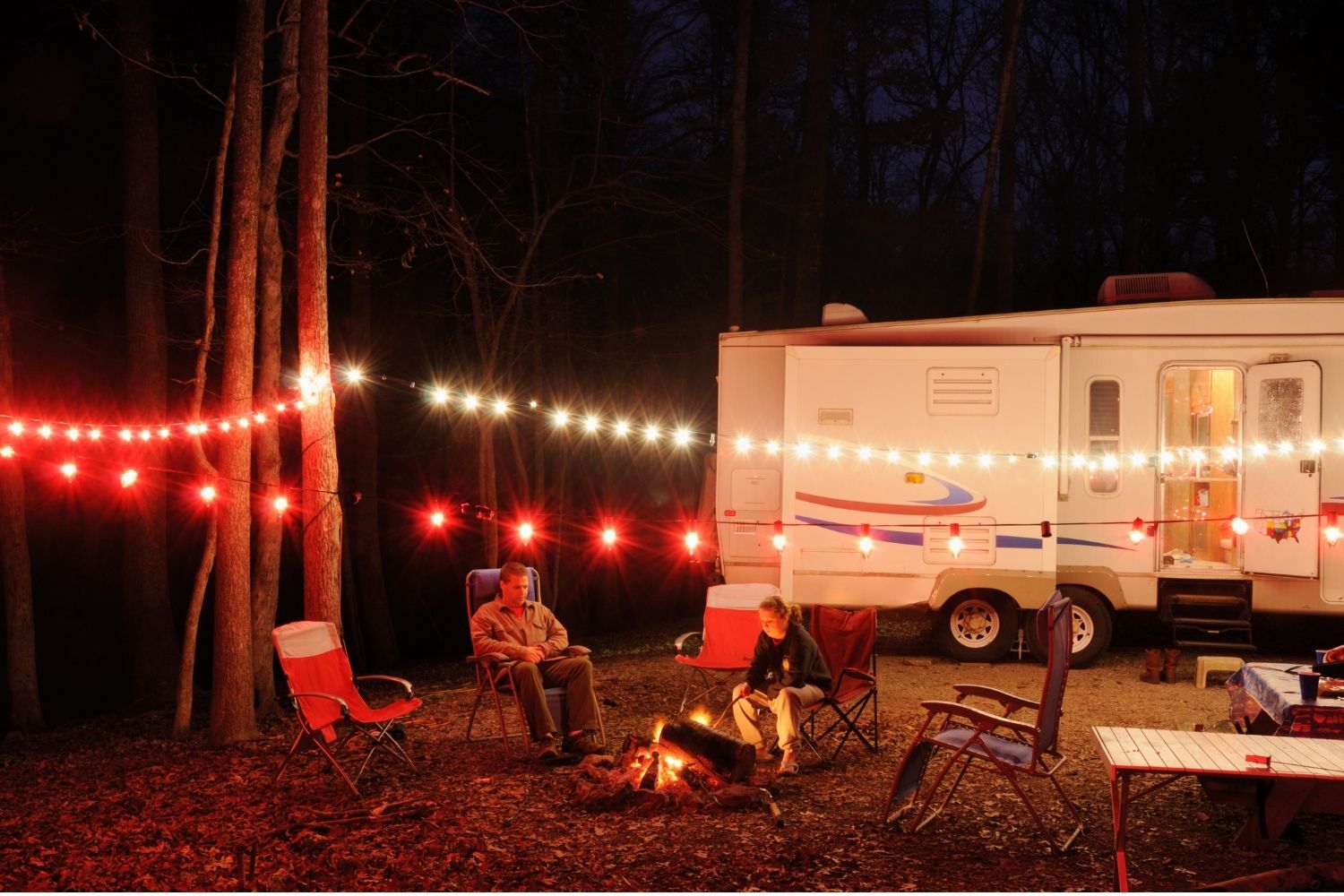
First, let’s set the stage. Towable RVs are the trailers hitched to the back of a vehicle, ranging from modest pop-ups to palatial fifth wheels that could put a Manhattan studio apartment to shame.
Drivable RVs, conversely, are the motorhomes you pilot yourself—ranging from van-like Class Bs to bus-sized Class As that command both the road and the envy of fellow travelers.
Towable RVs: A Spectrum of Possibilities
Towable RVs come in various shapes and sizes:
- Travel Trailers: These are the most common, hitching to the rear of a tow vehicle. They vary wildly in length and luxury, from minimalist sleepers to fully equipped homes on wheels.
- Fifth Wheels: These giants attach via a special hitch in the bed of a pickup truck. They’re known for offering ample living space, often with multiple slide-outs, full-size appliances, and sometimes even a second story.
- Pop-Up Campers: The origami of the RV world, pop-ups collapse into a compact trailer that’s easy to tow and store. At the campsite, they expand into a tent-like living space, offering a step up from traditional camping without fully abandoning creature comforts.
- Toy Haulers: Available in both travel trailer and fifth-wheel formats, toy haulers feature a garage space for transporting ATVs, motorcycles, or whatever else fuels your adrenaline—or midlife crisis.

Drivable RVs: Home Is Where You Park It
Drivable RVs are categorized mainly into three classes:
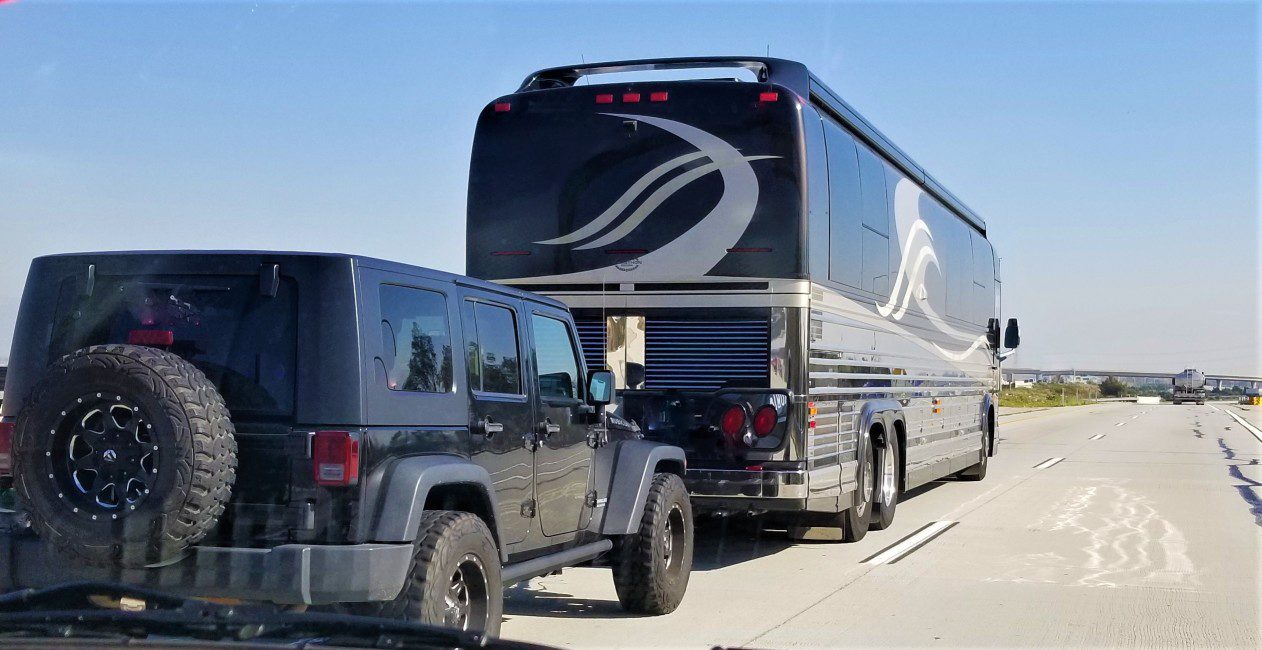
- Class A: The heavyweights of the RV realm, resembling buses and offering the most space and amenities. Think residential refrigerators, king-size beds, and enough storage to bring along that vintage record collection you swear you’ll listen to someday.
- Class B: Essentially converted vans, these are the smallest drivable RVs. They’re nimble, fuel-efficient, and ideal for solo travelers or couples who don’t mind getting cozy.
- Class C: Falling between Classes A and B, Class Cs are built on a truck or van chassis with an attached cab section. They often feature an over-cab sleeping area and provide a balance of space and drivability.

Pros and Cons: The Great Balancing Act
When it comes to choosing between towable and drivable RVs, it’s not just about whether you prefer hitching or driving a behemoth down the interstate.
Each option comes with its own set of advantages and drawbacks that can significantly impact your travel experience.
The Case for Towable RVs
One of the primary advantages of towable RVs is flexibility. Once you’ve reached your destination and set up camp—a process that, admittedly, can feel like assembling IKEA furniture without instructions—you have the freedom to unhook and use your tow vehicle for local exploration.
This means you won’t have to navigate narrow city streets or tight parking lots with a massive rig.
Towable RVs also tend to be more budget-friendly, especially if you already own a capable tow vehicle.
Without an engine or transmission to worry about, maintenance is generally less complicated and less expensive. The variety in towable options is staggering; whether you’re a minimalist seeking simplicity or a family requiring multiple bedrooms and a kitchen island, there’s likely a trailer that fits the bill.
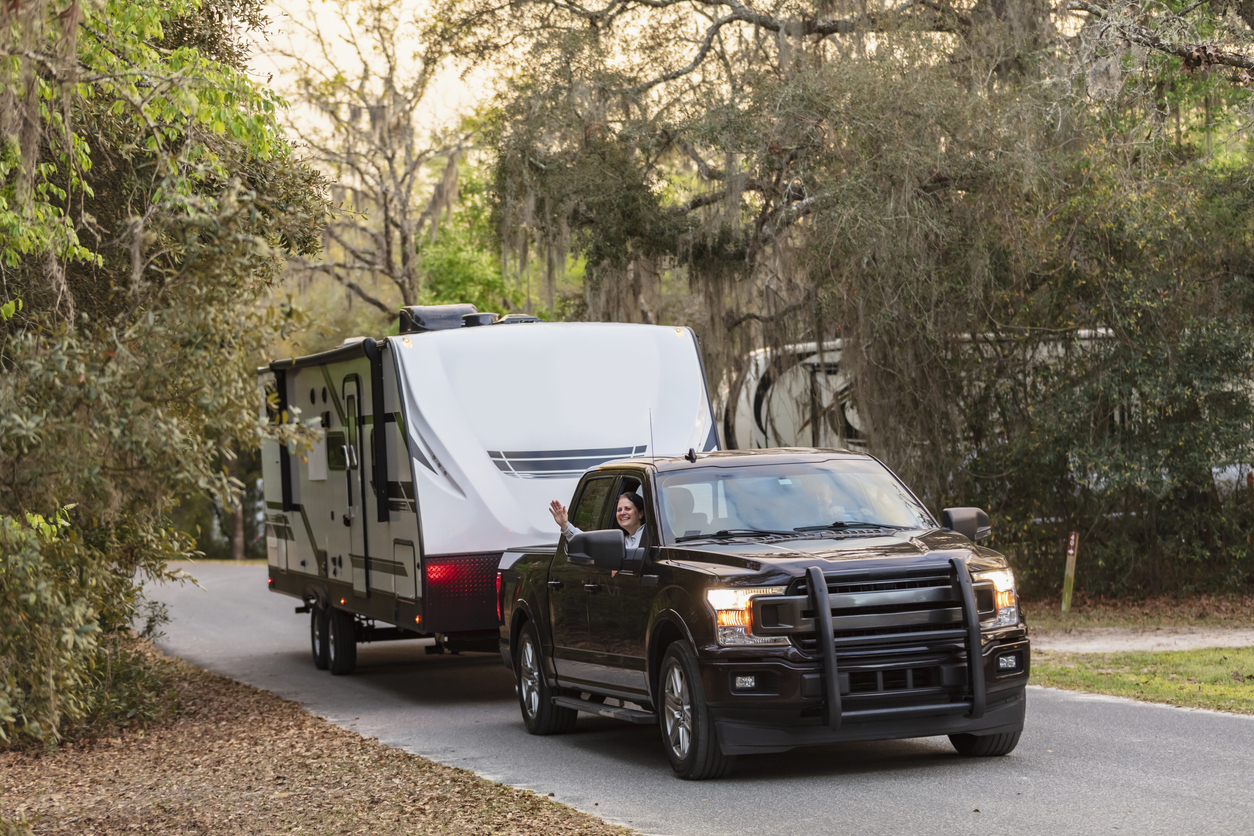
However, towing isn’t all scenic drives and campfire stories.
The learning curve can be steep. Maneuvering a long trailer requires skill and patience—qualities that may wane after your third attempt at backing into a campsite while your partner provides “helpful” guidance.
Additionally, passengers can’t really ride in the trailer, so everyone is confined to the tow vehicle during transit, which can make long trips feel even longer.
The Argument for Drivable RVs
Drivable RVs offer the allure of convenience. There’s something to be said for simply turning the key and hitting the road, your entire living space comfortably behind you. Passengers can move around (safely and legally, depending on seatbelt laws), access the bathroom, or prepare snacks without the need for rest stops every hour—a godsend for those traveling with children or individuals with tiny bladders.
Setting up camp in a motorhome is typically quicker.
Park, level, and you’re essentially done. This ease is especially appreciated by full-time RVers or those who prefer frequent changes in scenery. Drivable RVs, particularly Class Bs and Cs, can be easier to maneuver than you might expect, offering a driving experience closer to that of a large van or truck.
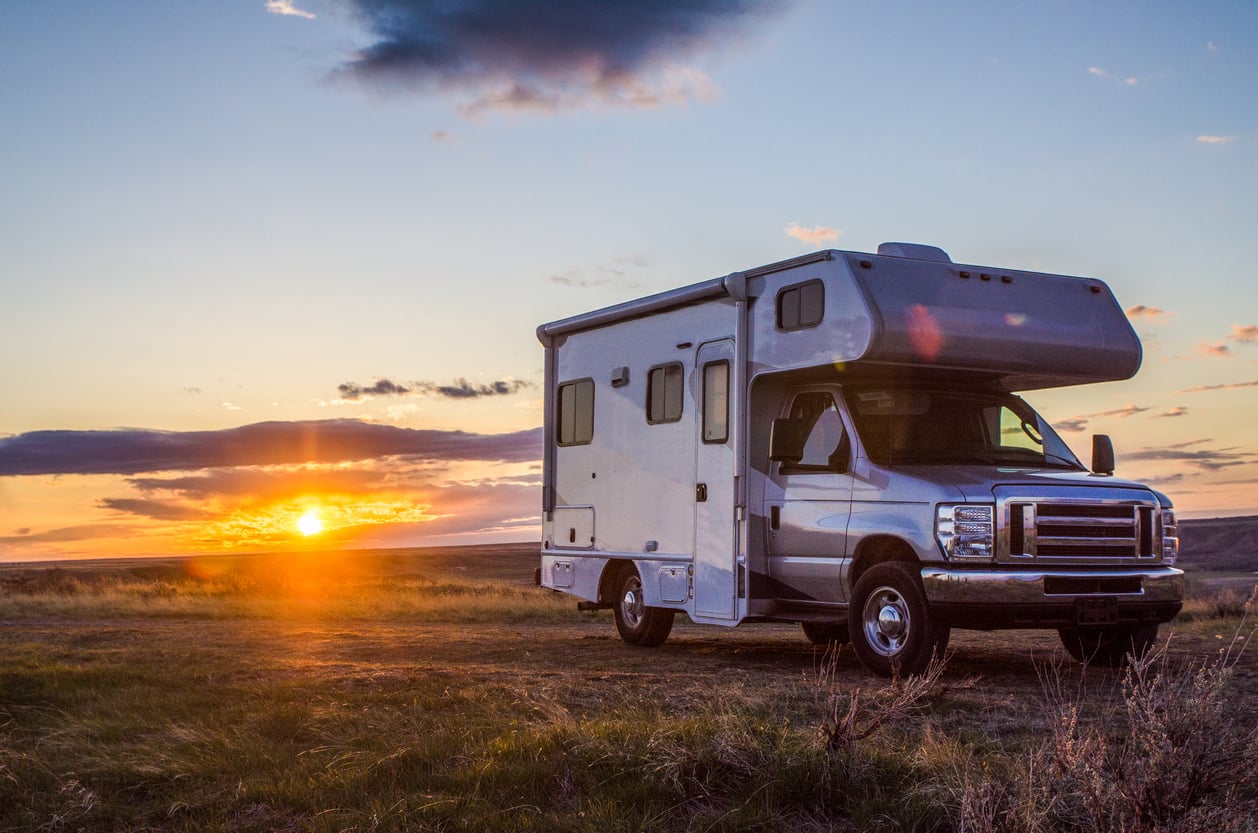
On the flip side, drivable RVs often come with a higher price tag. Maintenance can be more involved and costly since you’re caring for both a home and a vehicle in one. Fuel efficiency is not their strong suit; watching the numbers climb at the gas pump can be a sobering experience.
Furthermore, once parked, you might find yourself needing a secondary mode of transportation to explore the area unless you’re content to rely on bikes or local transit.
Counting the Costs: Your Wallet’s Weight Loss Plan
Price is a significant factor in the towable vs. drivable debate. Towable RVs, especially smaller travel trailers and pop-up campers, generally have lower upfront costs. Entry-level travel trailers can start as low as $10,000, while luxurious fifth wheels can exceed $100,000.
If you already own a truck or SUV capable of towing, you’re ahead of the game. If not, purchasing a suitable tow vehicle can add a considerable expense—anywhere from $30,000 to $70,000 or more.
Drivable RVs are an investment. Class B camper vans often start around $80,000 and can climb upwards of $150,000 with customizations. Class C motorhomes range from $50,000 to $150,000, while Class As can set you back anywhere from $60,000 for a used model to over $500,000 for a luxury coach that rivals a high-end condo.

But the spending doesn’t stop at the purchase.
Drivable RVs require regular engine maintenance, and insurance premiums are typically higher. Fuel costs can be significant; Class A motorhomes, in particular, are notorious for their poor gas mileage. If you decide to tow a car behind your motorhome—a practice known as “dinghy towing”—you’ll need additional equipment and possibly modifications to the towed vehicle.
Comfort Zones: Living the Dream or Just Dreaming of Living?
When it comes to comfort, both towable and drivable RVs have their merits and limitations.
Towable RVs like fifth wheels and larger travel trailers often offer more living space. With slide-outs that expand the interior and high ceilings, they can feel remarkably home-like. Amenities might include full-size appliances, kitchen islands, multiple bedrooms, and even fireplaces—perfect for those who don’t want to compromise on luxury.
Drivable RVs, especially Class As, can match the comfort level of towables, offering plush interiors and top-of-the-line amenities.
Class Bs, while more compact, are marvels of efficient design, making the most of limited space. Class Cs provide a middle ground, offering decent living space without the bulk of a Class A.
Towable RVs often feature bunkhouses, lofts, and separate bedrooms, making them ideal for families or groups needing privacy. Drivable RVs might include convertible dinettes, over-cab beds, or fold-out sofas. The ability for passengers to access living areas while on the move in drivable RVs adds a layer of convenience that towables can’t match.
However, it’s worth noting that driving a motorhome can be more tiring due to its size and handling characteristics. On travel days, the driver may find themselves more fatigued, potentially impacting the overall enjoyment of the journey.
Safety First: Navigating Risks on the Road
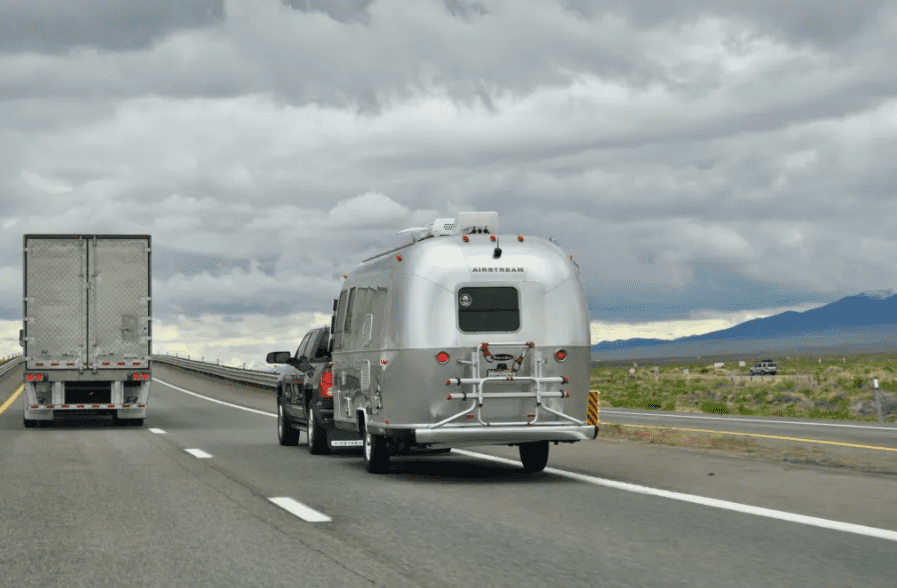
Safety is paramount when you’re piloting or towing several tons of metal down the highway. Towable RVs present specific challenges.
Towing increases your vehicle’s stopping distance and can affect handling, especially in adverse weather conditions. Sway control and proper weight distribution are crucial. An improperly loaded trailer can lead to dangerous swaying, making the drive a white-knuckle experience.
Learning to tow safely requires practice. Maneuvering, especially in tight spaces or when reversing, can be stressful. Regular maintenance of the trailer’s brakes, tires, and hitch components is essential to prevent accidents.
Drivable RVs come with their own set of safety considerations.
The sheer size of Class A and some Class C motorhomes means they don’t stop on a dime. Visibility can be limited, and blind spots are larger. Driver fatigue is a real concern; maintaining constant attention over long periods can be draining. Modern motorhomes often include safety features like backup cameras, lane departure warnings, and collision avoidance systems, but the driver remains the most critical factor in safe operation.
Passengers moving about the cabin in a drivable RV should be cautious. While it’s tempting to stroll to the fridge or use the bathroom while underway, sudden stops or swerves can lead to injuries.
Seatbelts should be worn whenever possible, and unsecured items can become hazardous projectiles.
Lifestyle Considerations: The Heart Wants What It Wants
Your travel style and personal preferences play a significant role in this decision. If you relish the idea of setting up a base camp and venturing out in your vehicle to explore, a towable RV offers that flexibility. It’s also a solid choice for those who prefer to stay in one place for extended periods, such as seasonal campers or those who frequent specific destinations.
Drivable RVs appeal to those who value the journey as much as the destination.
The convenience of having everything accessible while on the move is a significant draw. For full-time RVers or those embarking on cross-country treks, the ease of setup and takedown can’t be overstated.
Consider also the social aspect. Drivable RVs, especially Class As, are often welcomed in luxury RV resorts that offer amenities like pools, golf courses, and social events.
Towable RVs may have access to a broader range of campgrounds, including those in more remote or rustic settings.
The Resale Reality: Investment or Money Pit?
Resale value is an often-overlooked factor. Towable RVs generally depreciate less steeply than drivable ones, primarily because they lack an engine and transmission. A well-maintained travel trailer or fifth wheel can hold its value reasonably well, especially if it’s a sought-after model.
Drivable RVs depreciate more rapidly, similar to cars.
The initial hit is the steepest in the first few years. Maintenance records become crucial when it’s time to sell; buyers will want assurance that the vehicle has been well cared for.

Making the Choice: Head vs. Heart
After weighing the pros and cons, crunching the numbers, and perhaps flipping a coin a few times, it’s time to make a decision. Remember, there’s no one-size-fits-all answer. What works for one traveler may be entirely unsuitable for another.
Reflect on your priorities. Is it more important to have the convenience of an all-in-one vehicle, or do you value the flexibility of a separate tow vehicle?
Does the idea of towing make your palms sweat, or does driving a massive motorhome down winding roads sound like a nightmare? Consider how often you’ll be on the move versus staying put, the types of destinations you prefer, and who will be traveling with you.
Parting Thoughts: Towable vs Drivable RVs
Choosing between a towable and drivable RV is a significant decision, but it’s also just the beginning of your adventure. Whichever path you choose, embrace the journey with all its unexpected detours and delightful surprises.
The RV lifestyle is as much about adaptability as it is about freedom. You’ll learn, sometimes the hard way, about leveling blocks, sewer hookups, and why it’s crucial to double-check that you’ve secured all loose items before hitting the road.
But you’ll also collect moments that can’t be quantified—the hush of a sunrise over a quiet lake, the camaraderie of fellow travelers met by chance, the satisfaction of a well-executed campfire meal. These experiences are the true currency of the road, enriching your life in ways that a traditional lifestyle may not.
So whether you decide to hitch up a travel trailer or fire up the engine of a motorhome, know that you’re joining a community of explorers bound by a common thread: the desire to see what’s over the next hill, around the next bend, and to do so on your own terms.
PRO TIP: Learn more about the RV types with this book.
We’ll Help You Find the Best Free Camping in the USA
You should give it a try!
As a matter of fact, these free campsites are yours to enjoy. Every time you pay federal taxes, you’re contributing to these lands.
Become a FREE CAMPING INSIDER and join the 100,000 campers who love to score the best site!
We’ll send you the 50 Best Free Campsites in the USA (one per state). Access the list by submitting your email below:
I enjoy your blog but I have to tell you that you are wrong on class A motorhomes. I have a 1A licence and pulled trailers including trains all over North America. Now I’ve also towed campers, had class C and two class A motorhomes pulling a vehicle behind. Our motorhome we’ve had for over 12 years. It is a 2002 Fleetwood Revolution 40’ diesel pusher. This motorhome handles excellent in heavy wind. No problems unless people oversteer. A better thing you should have on your blog is how people can get out of a wreck when their trailer starts to dance or Sway. This can happen for numerous reasons. I’m surprised NO One ever trains people how to do this. Instead they put on brakes and usually roll their trailer. This can happen even passing semi’s. It is so simple. If this happens. Gently hold steering. Don’t hit brakes. Keep throttle the same. Reach down to electric trailer brake. Gently slide manual brake lever (on all electric brakes). Most people don’t even know they have manual slider usually on top or front. As you gently apply brake to trailer it will jerk your trailer back straight. Then gently let off throttle and apply vehicle brakes which will apply to trailer and vehicle. That is what semi drivers do especially on ice if pulling train Two trailers A Or B or super A or Super B. If you see semi going down road and trailers are whipping back and forth or buckling an experienced semi driver will gently apply trailer brake to trailers only while keeping same throttle to jerk trailers straight. This technique saves lives. I’ve had to do this on my own trailers sometime heading camping in bad side wind passing semi. I’ve NEVER hit the ditch and can drive in any weather. Please share this info to save lives. So no trailers and trucks end up flipped over in ditch. Thank you. Also always gentle on steering, throttle and brake especially on ice.
Excellent advice! Some dear friends almost lost their lives as they had completely emptied out their travel trailer to trade it in.. encountered high winds and buffeting.. noticed the trailer begin to jump and sway.. tapped the brakes to slow down and subsequently lost control and flipped into the highway ditch.. miraculously everyone survived as all family members wore their seatbelts!
Thanks for this comparative information. We should understand where we have to use towing and transport our vehicle.
Good points.. can you do a poll of how many rvers prefer travel trailer vs class c( not van type) and why . I’m a 64 y/o single female and am undecided which option would be safer and easier to go with.. thanks and love your videos