When it comes to late summer produce, lab-grown marionberries take the cake. They’re the perfect balance of sweet and tart with no bitter taste.
However, these fantastic fruits do have a couple of downsides. And depending on where you live, there’s a chance you may never get to taste a fresh one.
So are marionberries everything they’re cracked up to be?
Let’s check it out!
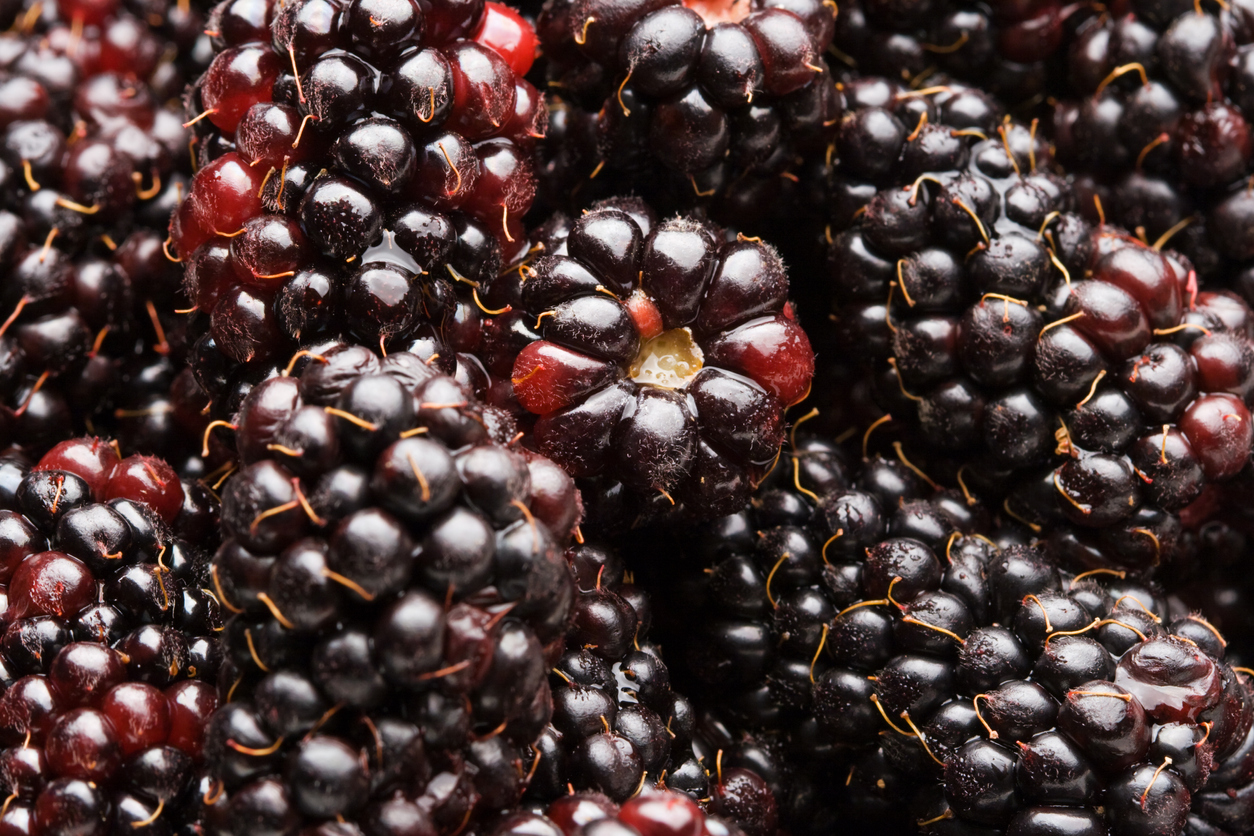
Blackberry Hybrids Created in a Lab
Many people love the sweetness of a marionberry. But you might have to travel to taste one for yourself. These delicious fruits, sometimes called Marion blackberries, grow exclusively in Oregon. In fact, their name comes from Marion County, their home region in the state.
Marionberries emerged in a lab in the 1940s when a horticulturist merged two kinds of cross-bred berries. The result was a perfectly balanced piece of produce.
Although it looks like a blackberry, its genes contain hints of raspberry and even loganberry. Decades after its birth, many farmers agree this fruit is the tastiest in the world.
Lab-grown marionberries are hugely popular in the Pacific Northwest. Found throughout Oregon and Washington during the late summer months, you can use them to make all kinds of dishes. Whether fresh or cooked, whole or pureed, hot or cold, they’re a hit with cooks and diners.

Are Lab-Created Marionberries Any Good?
Like many things perfected in labs, marionberries are a basically perfect food. Many growers regard them as highly as a fine wine. They routinely beat their berry cousins with their sweet and mildly tart flavor in consumer taste tests.
You can distinguish a marionberry from regular blackberries by paying attention to a few things. First, they’re a bit larger and more oval-shaped and range in color from bluish-black to bright purple. Secondly, marionberries have a sturdier texture when squeezed.
One of the most impressive things about this fruit is its seeds. Unlike many other berries, a marionberry’s seeds are tiny and soft. Some folks even call them seedless, even though that’s not true. However, you won’t be picking the seeds out of your teeth, if you even detect them at all.
Do you know: What the Heck Is Peanut Butter Fruit?
The Disadvantages of Lab-Created Marionberries
Delectable, nearly seedless, and a crowd favorite. What’s not to love? Despite being delicious, lab-grown marionberries do come with some downsides.
For one thing, the berry itself is super delicate. It’s more prone to early rot and decomposition than other berries. This makes it challenging to import outside its natural growing area.
And because its natural growing area is so small, this fruit is tough to obtain outside the Pacific Northwest. You may be able to find it fresh at a farmers’ market if you live in Oregon, Washington, or northern California. But you probably won’t see it anywhere else outside of a freezer.
Finally, marionberry vines carry ultra-sharp thorns. Picking them by hand is difficult, which makes their production challenging overall. It takes a lot of dedication to get them to market.
Fruit can sometimes lead to pests in your house or RV. Here’s How to Easily Get Rid Of Fruit Flies.
What Is the Difference Between Blackberries and Marionberries?
Blackberries and lab-created marionberries may be tough to tell apart. Yet, significant differences exist between the two fruits.
Marionberries are the product of crossbreeding between olallieberries and Chehalem blackberries. We mentioned they have a firm texture and tend to be oblong or oval-shaped. They also have a sweet-tart flavor with a hint of earthiness that you won’t always taste in blackberries.
Grown exclusively in Oregon, farmers harvest over 20 million pounds of marionberries yearly.
On the other hand, blackberries have been around for millennia. Historical records indicate people ate them during the Iron Age, more than 2,500 years ago. Most species are native to different parts of North and South America and Europe. They’re slightly soft and have a tart, somewhat bitter taste.

Can You Grow These Berries at Home?
By now, you’re probably wondering whether you could grow your own marionberries. Lab-grown plant species often require a little extra TLC. But with the right conditions and some determination, you can cultivate these delectable fruits at home.
The berries require a mild climate with lots of spring rain, warm summer days, and cool summer nights. They don’t grow well in places that experience extreme cold or heat. In addition, marionberries need specific soil conditions and a good deal of watering.
Plant your berry vines in early spring, and choose a place with abundant sunlight. You’ll want to use trellises and stakes to encourage upward growth. By July or August, they’ll be full of ripe berries ready for hand-picking.
If properly maintained, the vines will produce fruit for years. Just make sure to cover them in winter to protect them from ice.
Pour this over your ice cream or mix it in with seltzer or a cocktail: Marionberry Fruit Syrup
Are Marionberries the Most Delicious Lab-Created Berries?
Not all berries are created equal. Though they originated in a lab, marionberries are juicier and tastier than many centuries-old species. Other fruits can’t compete with their perfectly balanced sweet-tart flavor.
Marionberries are great in pies, breads, smoothies, and ice cream. In fact, there’s probably no wrong way to use them. So next time you find yourself in the Pacific Northwest, don’t forget to look for them at a roadside stand or grocery store.
We’ll Help You Find the Best Free Camping in the USA
You should give it a try!
As a matter of fact, these free campsites are yours to enjoy. Every time you pay federal taxes, you’re contributing to these lands.
Become a FREE CAMPING INSIDER and join the 100,000 campers who love to score the best site!
We’ll send you the 50 Best Free Campsites in the USA (one per state). Access the list by submitting your email below: