Despite what you may have heard, cold-weather RVing is a ton of fun. You’ll find many advantages to traveling during the off-season that you won’t get any other time of year.
But it also comes with some challenges. Low temperatures make it difficult to heat your rig, protect your pipes, and keep your tanks in working order.
Fortunately, we have plenty of workarounds for all of those issues and more. Safeguarding your vehicle while exploring the country during winter has never been easier.
Let’s go!
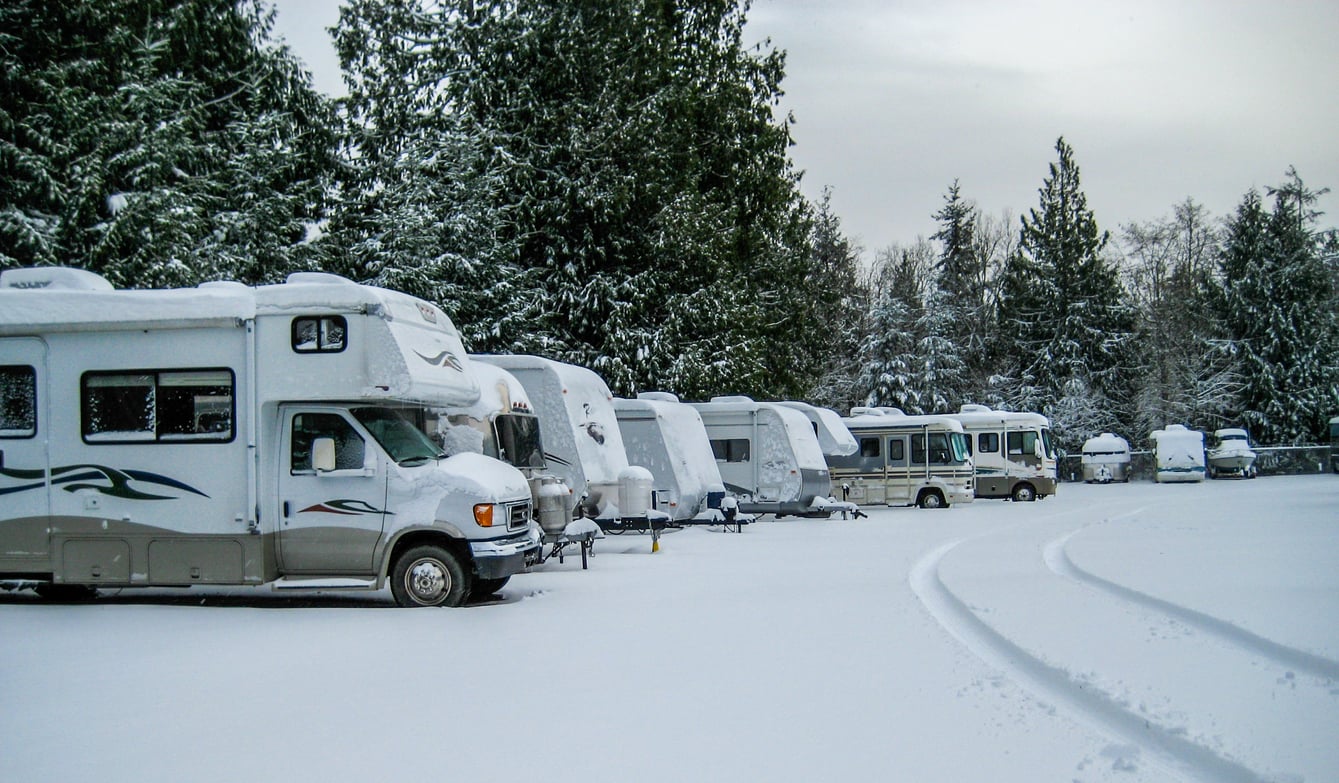
Why Go RVing in Cold Weather?
It may seem tough or even dangerous to go RVing in cold weather. But there are plenty of reasons to enjoy the chilly season in your camper.
For one thing, winter is usually the least popular time for many parks and campsites. That means smaller crowds and fewer people, guaranteeing more peace and quiet.
Another perk is all the winter activities you get to enjoy. When was the last time you went skiing, sledding, snowshoeing, or ice fishing? This is the perfect opportunity to partake in pastimes that are only possible once a year.
Practically speaking, you’ll sometimes need to drive your rig through frigid climates to get to your destination. Many snowbird vacation spots are only accessible through snowy routes. So, it’s best to be prepared for cold-weather RVing at all times.
Popular YouTubers Say Winter RVing Can “Totally Suck”
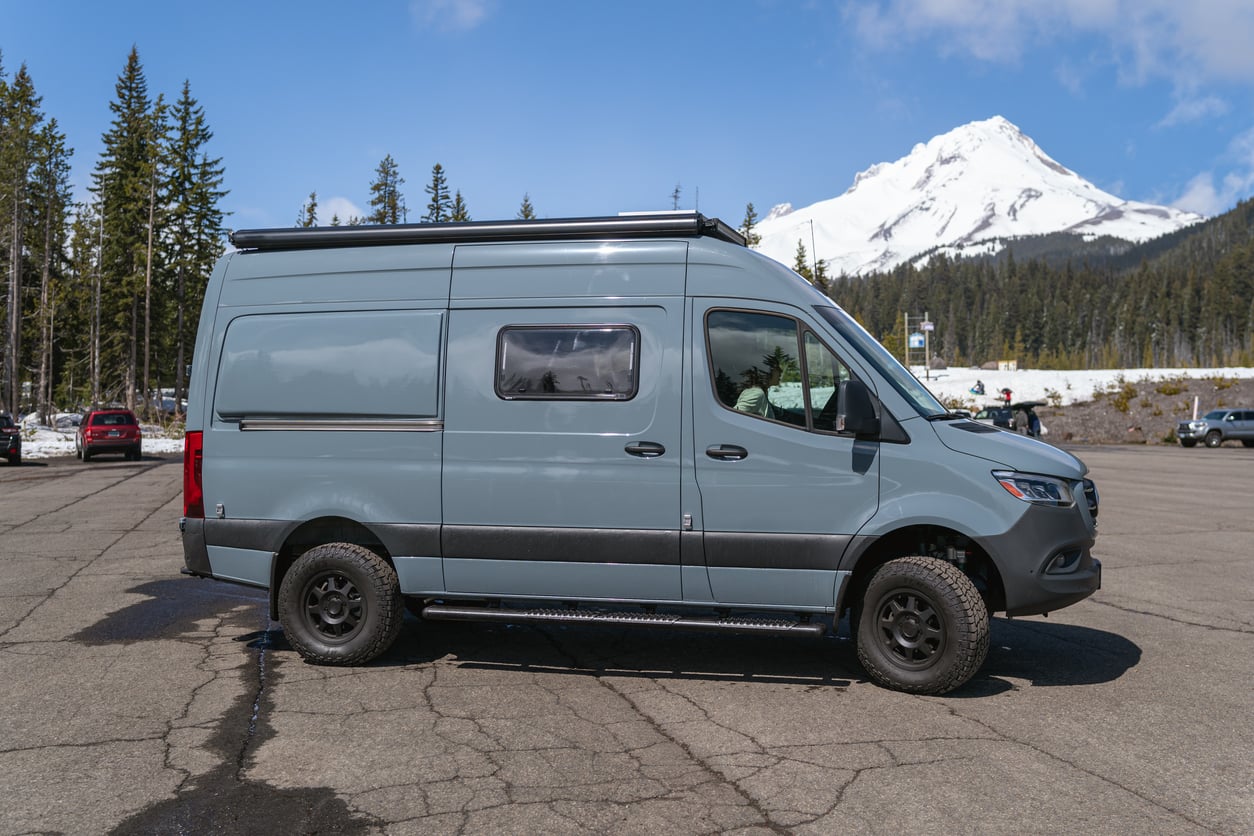
Tips for Enjoyable Cold-Weather RVing
Driving your camper through winter weather doesn’t have to be stressful. As long as you’re on top of general cold-weather maintenance, your RV shouldn’t have any trouble.
Here are five important tips for making your experience more enjoyable.
#1 Add Extra Insulation
You can never add too much insulation to prepare for winter. Even if your RV is rated for all seasons, there are probably some problem areas to reinforce.
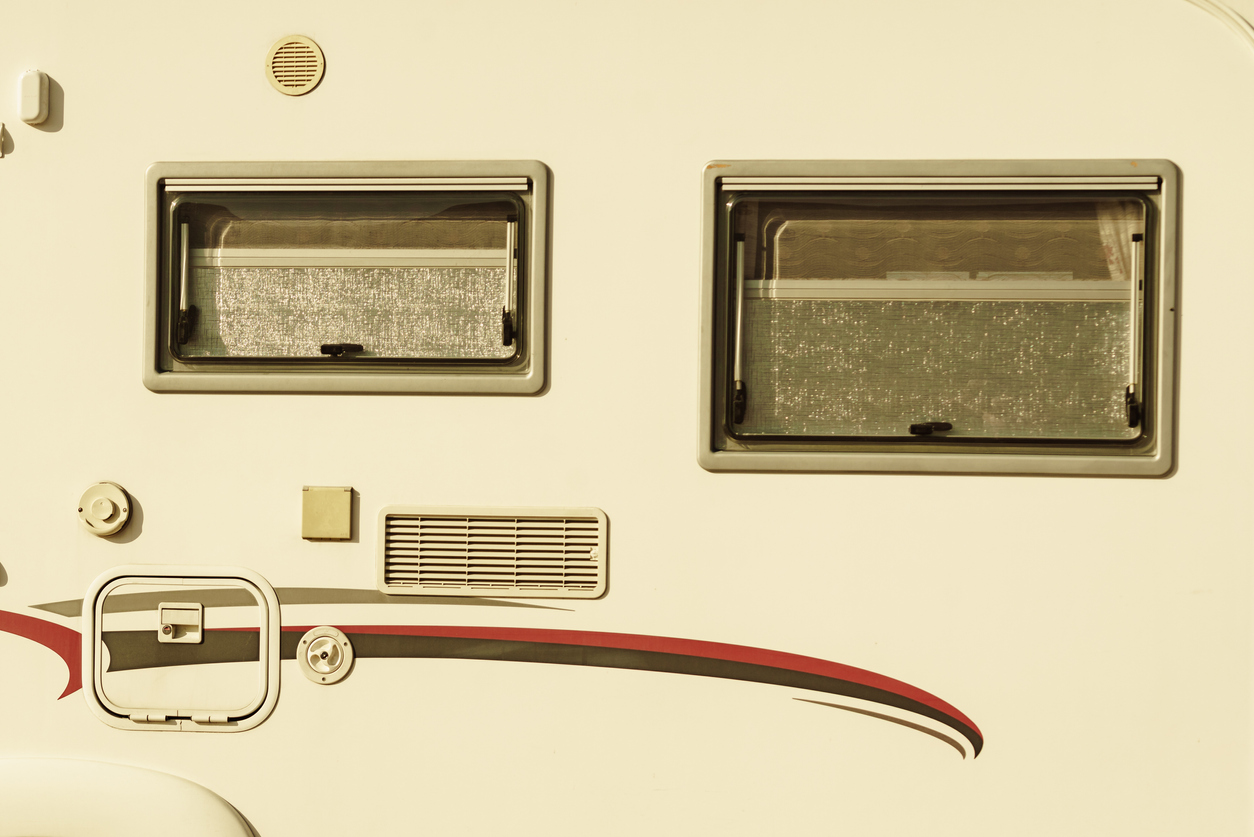
Windows and roof vents are two spots you might improve. Lining your windows with Reflectix can help keep out the cold, and you’ll want to check your weather stripping as well. A couple of roof vent cushions will ensure your ceiling isn’t letting chilly air seep in.
For freezing temps, consider skirting your rig. Skirting means blocking off the space underneath your RV so cold air can’t suck away the heat. You can do this with shoveled snow if there’s fresh powder, or you can travel with heavy-duty canvas or hay bales.
Don’t forget to cover your floors and windows with thick rugs and drapes. Adding these extra layers will make the inside of your camper extra cozy.
#2 Protect Your Pipes From Freezing
A burst pipe can quickly create a dangerous situation. It’s vital to protect your RV’s pipes from cold weather, just like you would safeguard those in a sticks-and-bricks house.
The insulation helps maintain heat while the tape gently warms them from the outside in. Using one or both of these methods will ensure your water continues flowing, even in frigid temps. In fact, they’re you’re two best defenses.
Heated hoses, which maintain a constant temperature, are another solution.
Being careful with your tanks is key, too. To ward off freezing, wait until gray and black tanks are nearly full to dump them. You can also utilize your internal freshwater tank to stay warm. And don’t forget to drip your faucets.
Price Check: Camco 50-Foot Heated Drinking Water Hose
#3 Use Multiple Heat Sources
It’s best to mix it up when you’re RVing in cold weather. Using multiple heat sources ensures that you have a backup plan if one tactic fails.
Portable propane heaters are excellent for staying toasty. But sometimes, they can even be a little too good. After all, they generate a lot of warmth! If you decide to use one of these devices, don’t forget to buy a carbon monoxide detector for your rig.
Although space heaters are great for keeping your RV warm, they pose fire risks. You could also explore options like oil-filled and catalytic devices, which are more gentle, less noisy, and lower risk than standard propane and electric models.
While using more than one source is important, don’t forget about your built-in furnace. Run it as much as possible. The air moving throughout the vehicle will help keep your tanks and pipes thawed.

#4 Keep Your Holding Tanks Warm
Properly maintaining your holding tanks in frigid temps is crucial. After all, they’re impossible to drain or dump once they freeze.
Protect your RV tanks from cold weather by investing in a holding tank heater. This handy device is akin to an electric heating pad. Simply wrap it around your holding tank, and the warmth will keep the contents warm.
Depending on how nippy it is, you may also consider using antifreeze. When poured into wastewater holding tanks, a minimal amount of the non-toxic stuff will stop everything from icing over.
In extreme temperatures, disconnect and stow your sewer hoses. Thin lines often feed chilly air into tanks, undermining your tank heating methods. It may not be fun to lose bathroom privileges, but it’ll be a heck of a lot more pleasant than leaky tanks or burst pipes.
Dive Deeper: Will RV Holding Tanks Freeze?
#5 Monitor Your Propane Tanks
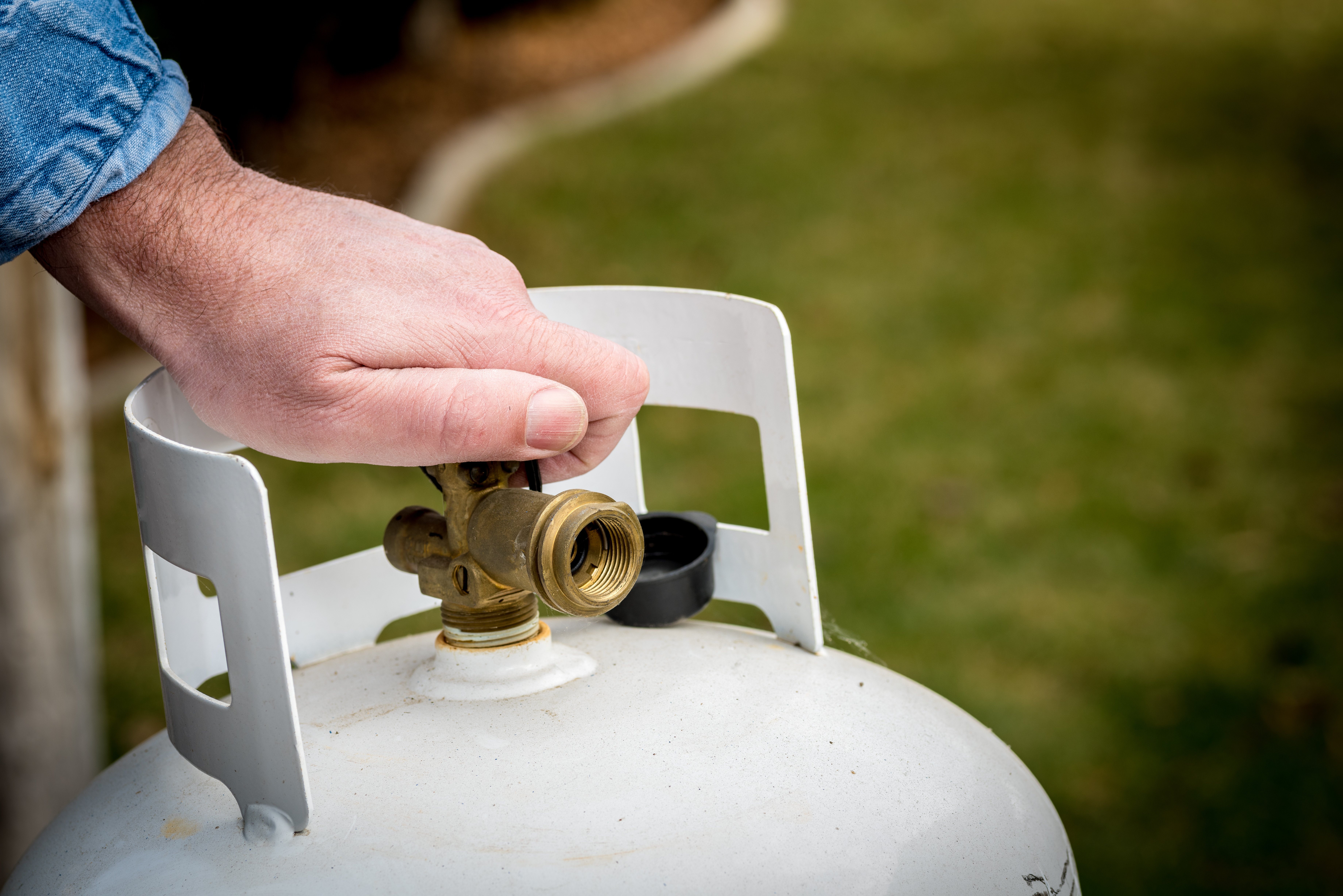
Running out of propane while cold-weather RVing is downright dangerous. Without it, your entire rig could freeze within a few hours. It’s critical to ensure your tanks are always full.
However, knowing your levels is nearly impossible without a monitor. That’s where a propane tank gauge comes in. These gadgets track what’s in your tanks and tell you when it’s almost time for a refill. Many different types are on the market, including inline, magnetic, weight-sensing, acoustic, and ultrasonic models.
It’s essential to do proper maintenance on your heater and propane tanks year-round. Servicing and inspecting them at a shop is an easy way to guarantee you won’t be out in the cold. And don’t leave home without a backup tank, just in case.
Cold Weather Shouldn’t Stop You From RVing
Cold-weather RVing presents unique challenges. Keeping tabs on tanks, pipes, propane levels, and heat sources requires some effort.
But ultimately, the payoff is worth the price. Traveling in winter allows you to take advantage of rare opportunities, like smaller crowds, cheaper prices, and more peaceful experiences. With just a little bit of prep, cold-weather RVing is a snap!
We’ll Help You Find the Best Free Camping in the USA
You should give it a try!
As a matter of fact, these free campsites are yours to enjoy. Every time you pay federal taxes, you’re contributing to these lands.
Become a FREE CAMPING INSIDER and join the 100,000 campers who love to score the best site!
We’ll send you the 50 Best Free Campsites in the USA (one per state). Access the list by submitting your email below: