Hey, fellow RV travelers.
You might be familiar with phishing scams that come through email, but smishing uses deceptive text messages to target our smartphones.
Let’s break down what smishing is, share some real-life examples, and learn how to protect ourselves from these scams.
Understanding Smishing
Smishing combines SMS, or “short message service,” with phishing tactics. These scams typically come as text messages that appear to be from trusted sources like banks, government agencies, or services we use regularly.
The messages often contain links or phone numbers, urging us to click or call. If we do, we risk giving scammers access to our personal information, which they can use for further scams or sell to other criminals. Some messages might even prompt us to download malware that can compromise our devices.
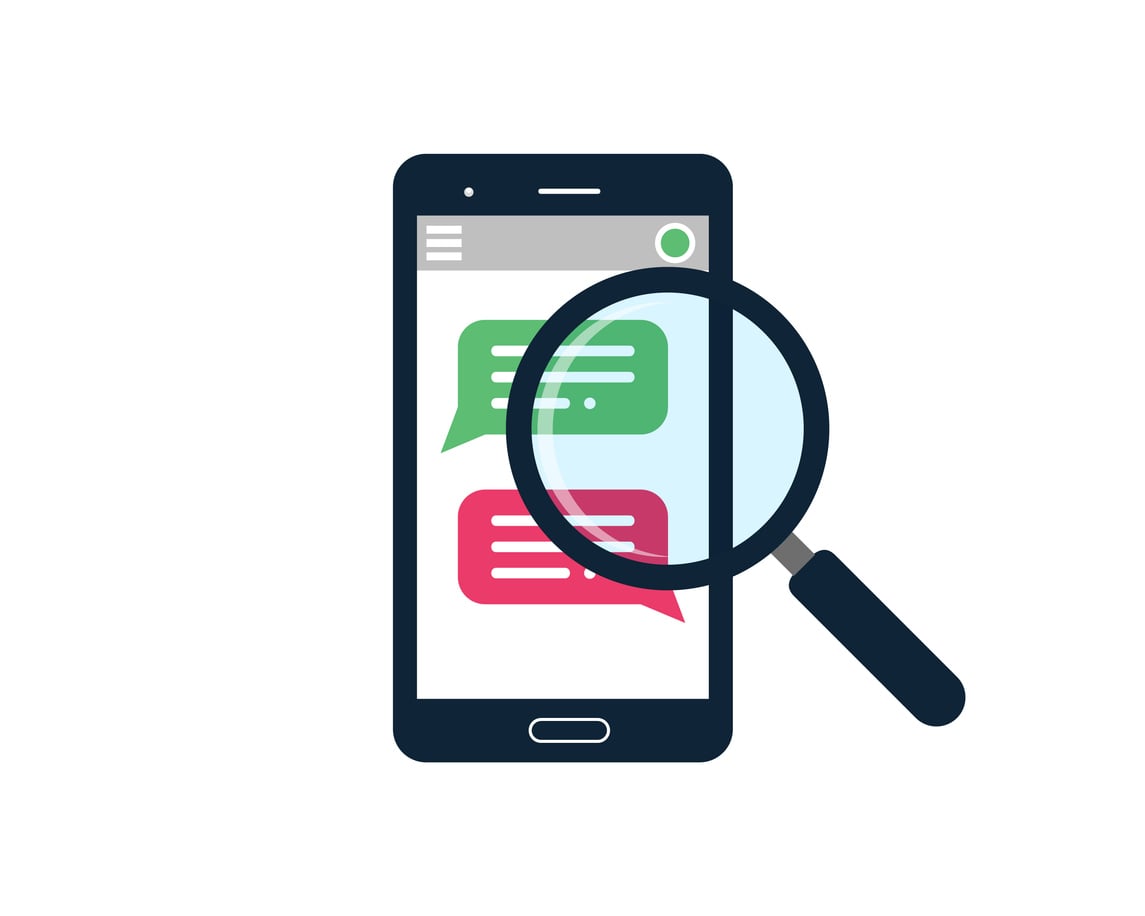
According to the FCC, “A typical smishing scam message may seem like it’s from a bank – maybe your bank – and include a link or phone number to bait you into clicking or calling. If you do, you stand a good chance of being hooked. And that’s when the scammers get to work, manipulating your personal information, which they can sell and/or use in other scams”
Real-Life Smishing Examples
Recently, the FBI issued warnings about smishing scams targeting taxpayers. Fraudulent texts have been reported that impersonate the IRS, directing recipients to fake websites to steal their financial information.
These scams are particularly dangerous because they prey on our trust in legitimate institutions.
For us RVers, there’s a specific scam to be aware of involving E-ZPass.
The Maryland Department of Transportation warned about text messages pretending to be from “E-ZPass Toll Services.” These messages tell recipients they owe money for unpaid tolls and direct them to a fake website to pay. The toll account information in these texts is neither valid nor accurate. If you click the link and provide your information, scammers could gain access to your financial details.
PJ Wilkins, E-ZPass Group Executive Director, emphasizes the seriousness of these attacks: “Scam attacks through emails and text messaging are on the rise in our country and protecting the safety of E-ZPass customer information is of paramount importance to us.”
Steps to Protect Yourself
As we traverse the highways and byways, here are some steps to keep our information safe from smishing:
- Never click on links or reply to text messages from unknown sources. Even if a message seems urgent or legitimate, take a moment to verify it through official channels.
- Delete suspicious texts immediately. Don’t engage with the message, even if it offers an option to “text STOP” to end messages.
- Keep your device’s operating system and security apps updated. Regular updates can help protect against the latest threats.
- Install anti-malware software. Additional security measures can detect and block malicious activities.
- Use multi-factor authentication (MFA). Protect sensitive accounts by requiring multiple forms of verification.
- Validate suspicious messages. If you receive a text from a company or agency, independently verify its authenticity using official contact information or websites.
Reporting Smishing
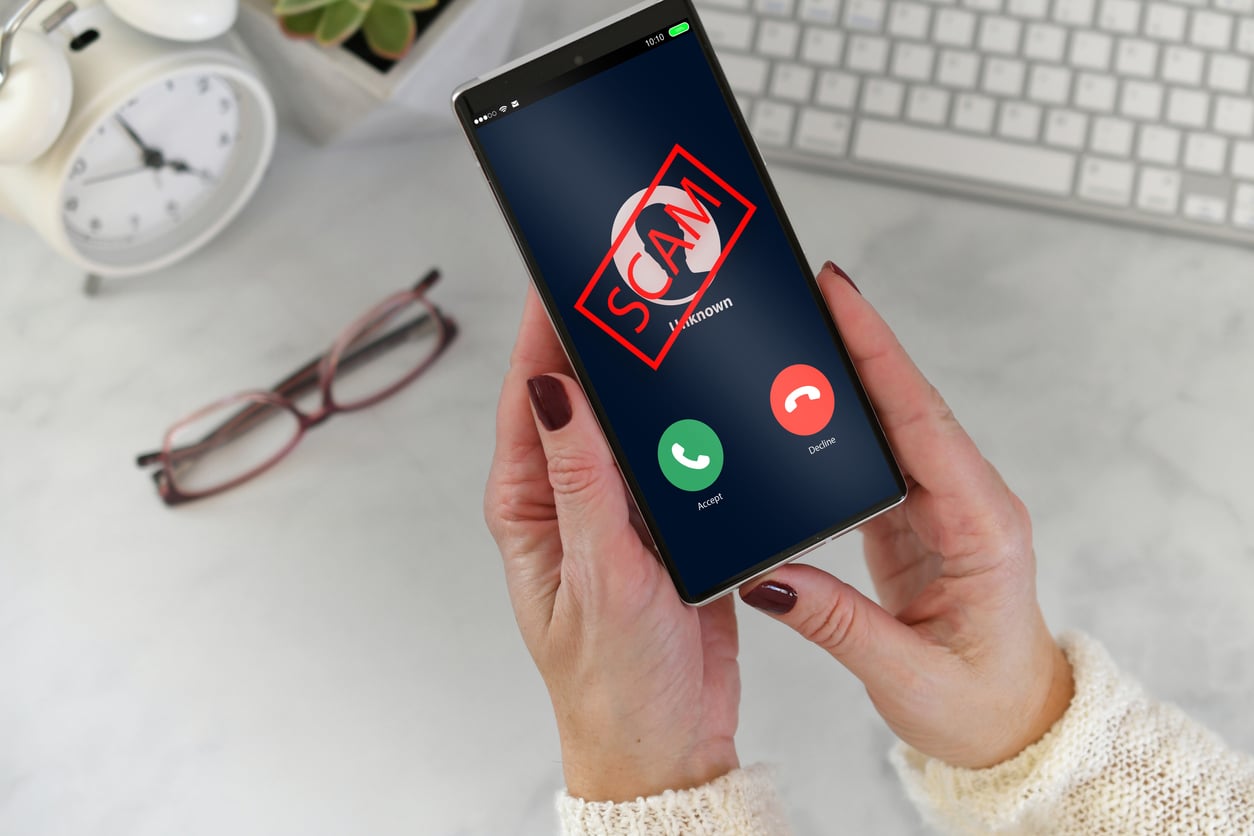
If you suspect you’ve been targeted by a smishing scam, here’s what to do:
- Contact your financial institution immediately. Notify them of any suspicious activity.
- Report the scam to local law enforcement. They can provide guidance and take necessary action.
- File a complaint with the FCC and the FBI’s Internet Crime Complaint Center (IC3). Visit the FCC Complaint Center and IC3 websites for more information on the reporting process.
Staying Informed and Vigilant
The road ahead is full of adventure, but staying cautious is also important. According to the FBI, Americans lost over $1.4 billion to cybercrime in 2017, with a significant portion due to personal data breaches and identity theft【source†FCC】.
We can protect ourselves and our fellow travelers from these deceptive schemes by staying informed and vigilant.
Safe travels, and stay connected responsibly!
Your fellow traveler.
We’ll Help You Find the Best Free Camping in the USA
You should give it a try!
As a matter of fact, these free campsites are yours to enjoy. Every time you pay federal taxes, you’re contributing to these lands.
Become a FREE CAMPING INSIDER and join the 100,000 campers who love to score the best site!
We’ll send you the 50 Best Free Campsites in the USA (one per state). Access the list by submitting your email below: