I’m here to break down the ins and outs of double towing—that’s towing an RV and a boat at the same time.
I’ve seen my fair share of roadside stops related to towing mishaps, and trust me, understanding the laws and safety measures is crucial.
Let’s find out the details.
What is Double Towing?
Double towing, also known as triple towing or tandem towing, involves a vehicle pulling two trailers simultaneously, like an RV and a boat.
While it might seem like the perfect way to haul all your gear, it’s essential to know whether it’s legal in your state and what regulations apply. (We’ll include a complete list of states at the bottom of the article.)

Statistics and Facts
Double towing is more complex and requires significant skill and knowledge of state regulations. Here are some key statistics and considerations:
Prevalence: Double towing is permitted in several states, often with specific conditions. It’s most common in states with large recreational areas where people frequently tow boats, ATVs, or other recreational vehicles behind their RVs.
Safety Concerns: Double towing increases the risk of accidents due to longer stopping distances, more complex maneuvering, and potential issues with weight distribution.
According to safety data, improperly configured double tows can significantly increase the risk of trailer sway and loss of control.
Legal Requirements: States that allow double towing typically have strict regulations regarding total length, weight, and required endorsements. For instance, some states require a special endorsement on your driver’s license, and others limit the combined length to between 65 and 75 feet.
Key Considerations
If you’re in a state where double towing is legal, here are some critical factors to keep in mind:
Total Length: Most states that allow double towing have a maximum allowable length for the combined vehicles, typically ranging from 65 to 75 feet.
Licensing Requirements: Some states may require a special endorsement or commercial driver’s license (CDL) to legally double tow.
Safety Equipment: Ensure your tow vehicle and trailers are equipped with the necessary safety gear, including proper hitches, lighting, and braking systems.
Insurance: Check with your insurance provider to make sure you’re covered when double towing. Some policies may have restrictions or require additional coverage.
Real-Life Consequences
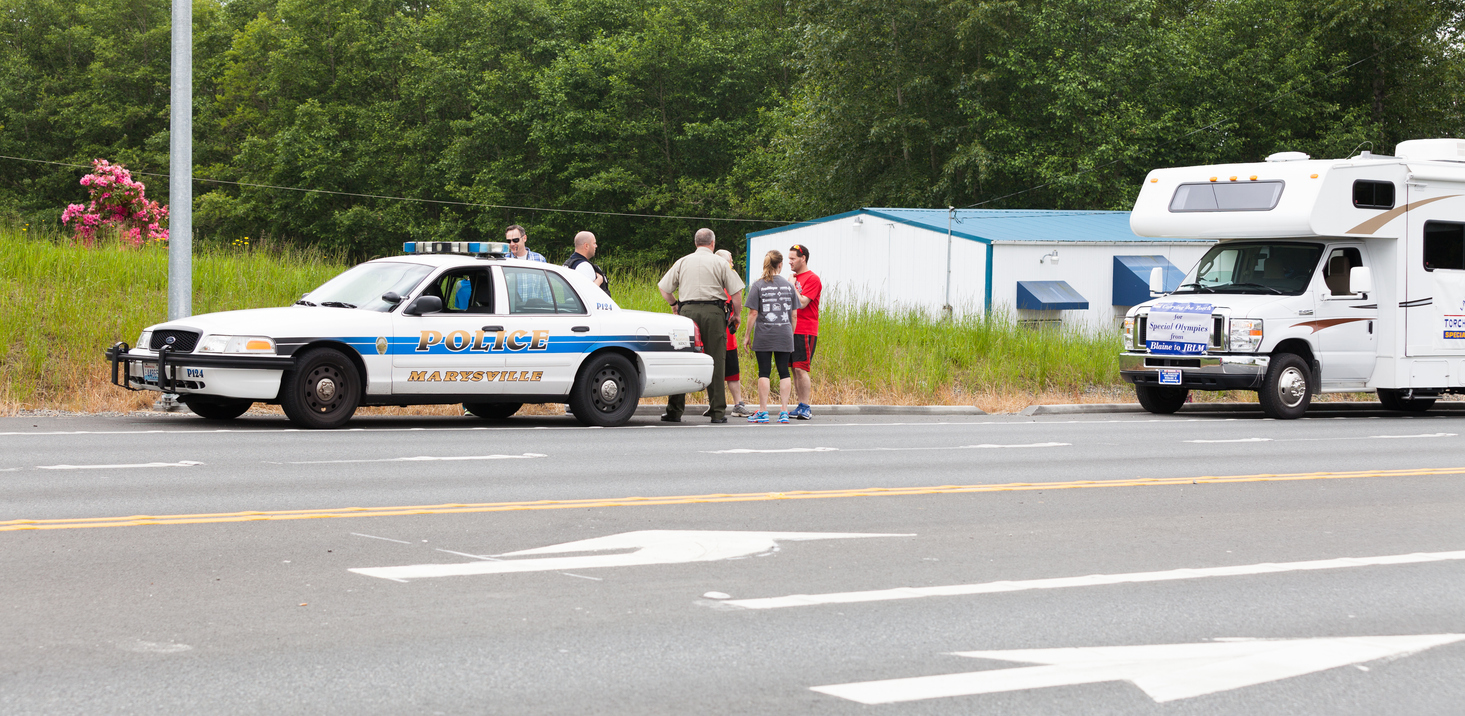
Double towing isn’t just about following the law; it’s also about safety. Improper double towing can lead to serious accidents.
For instance, a driver in Missouri was fined for exceeding the legal length, causing a traffic disruption and risking a potential accident.
In another case, a family in California faced significant fines and had to unhitch their boat after being stopped for not having the required endorsements and exceeding the state’s length limits.
Safety Tips for Double Towing
Practice Makes Perfect: Handling two trailers can be tricky. Practice in a safe, open area before hitting the road.
Weight Distribution: Properly distribute the weight between your RV and boat to avoid sway and ensure stability.
Regular Checks: Frequently check your hitch connections, tires, and lights during your trip.
Drive Cautiously: Give yourself extra time for stopping and avoid sudden maneuvers. Remember, you’re pulling a lot of weight!
Risk Towing an RV and Boat, or Not?
While the idea of double towing an RV and a boat is thrilling, it’s crucial to be aware of the legalities and safety considerations.
Always check the specific laws in the states you plan to travel through and make sure your setup is compliant, and the length numbers are up to date.
With the right preparation, you can enjoy the ultimate road trip adventure with all your favorite toys in tow.
States Where Double Towing is Permitted
Some states allow double towing under specific conditions. These conditions often include restrictions on the overall length of the combined vehicles and weight limits. States that typically permit double towing include:
States Permitting Double Towing
Arizona: Maximum Length: 65 feet
California: Maximum Length: 65 feet
Colorado: Maximum Length: 70 feet
Idaho: Maximum Length: 75 feet
Indiana: Maximum Length: 65 feet
Iowa: Maximum Length: 65 feet
Kansas: Maximum Length: 65 feet
Kentucky: Maximum Length: 65 feet
Missouri: Maximum Length: 65 feet
Montana: Maximum Length: 75 feet
Nebraska: Maximum Length: 65 feet
Nevada: Maximum Length: 70 feet
North Dakota: Maximum Length: 75 feet
Oklahoma: Maximum Length: 65 feet
South Dakota: Maximum Length: 75 feet
Tennessee: Maximum Length: 65 feet
Texas: Maximum Length: 65 feet
Utah: Maximum Length: 65 feet
Wyoming: Maximum Length: 65 feet
States Prohibiting Double Towing
Alabama
Alaska
Arkansas
Connecticut
Delaware
District of Columbia
Georgia
Hawaii
Illinois
Louisiana
Maryland
Massachusetts
Michigan
Mississippi
New Hampshire
New Jersey
New York
North Carolina
Oregon
Pennsylvania
Rhode Island
South Carolina
Vermont
Virginia
Washington
West Virginia
Wisconsin
Conditional States
Some states have specific requirements or conditions under which double towing is allowed. Always check with local DMV regulations for the most accurate and up-to-date information.
We’ll Help You Find the Best Free Camping in the USA
You should give it a try!
As a matter of fact, these free campsites are yours to enjoy. Every time you pay federal taxes, you’re contributing to these lands.
Become a FREE CAMPING INSIDER and join the 100,000 campers who love to score the best site!
We’ll send you the 50 Best Free Campsites in the USA (one per state). Access the list by submitting your email below:
We’ll Help You Find the Best Free Camping in the USA
You should give it a try!
As a matter of fact, these free campsites are yours to enjoy. Every time you pay federal taxes, you’re contributing to these lands.
Become a FREE CAMPING INSIDER and join the 100,000 campers who love to score the best site!
We’ll send you the 50 Best Free Campsites in the USA (one per state). Access the list by submitting your email below: