With a name like sugar toad, it’s easy to assume this menu item is code for fried frog legs or, perhaps, a dessert featuring sour amphibian-shaped gummies.
However, this toxic fish is neither of those things.
Today, we’re discussing a little-known dish you’ll want to try on your next trip to the Chesapeake Bay area.
Let’s dig in!
What the Heck is a Sugar Toad?
Known by many names, such as honey toad and sea squab, the Northern pufferfish is a humble critter with a significant following in one corner of the world. In fact, it’s a delicacy in at least one part of the US and offers an unusual thrill for adventurous eaters
This creature may look unremarkable at first glance, measuring eight to ten inches long and having a club-shaped body in various shades of yellow and brown. However, when startled, its small body rapidly fills with air or water to scare away potential predators.

According to legend, one East Coast fisherman solidified the nickname when he described the critter as “sweet as sugar and ugly as a toad.”
Northern pufferfish are primarily bottom-feeders, munching on shrimp, crabs, and other small sea creatures with their shockingly strong jaws. Commercial fishing boats often catch them intentionally or unintentionally between May and October. And, as with most seafood, the fresher, the better.
Sugar toads aren’t the only toxic fish around. Here are 7 Dangerous Creatures in Chesapeake Bay!
What Do Sugar Toads Taste Like?
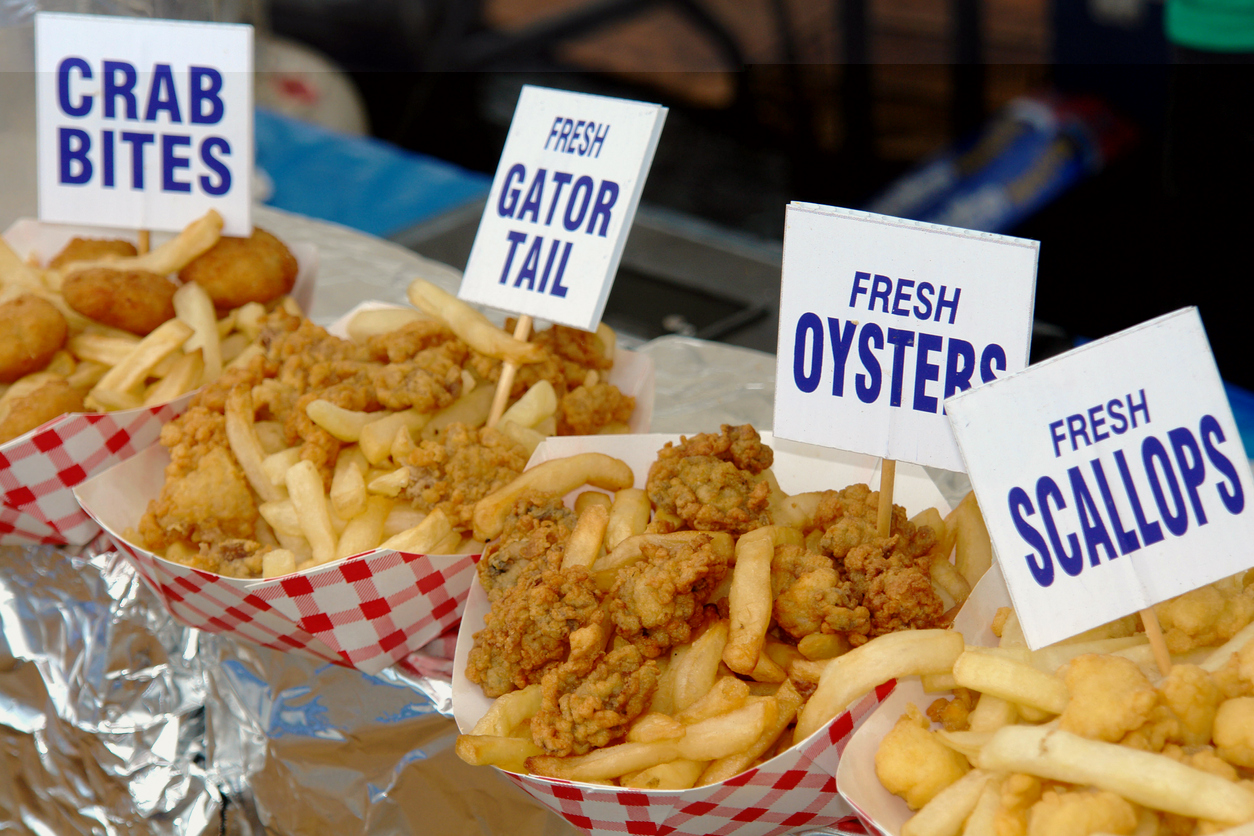
True to its moniker, the sugar toad is characterized by light, flaky, white meat with a slightly sweet flavor. Some compare it to other seafood, such as bass and white perch. You’ll often find it battered in flour or cornmeal and deep-fried to crispy perfection. Pair it with a squeeze of lemon, a side of tartar sauce, and a mountain of French fries, and you’re in for quite a treat.
Other connoisseurs roast, grill, or broil them over an open flame. In any case, you can expect the small pseudo-fillets to arrive at your table with the bone in and the tail attached. Many people enjoy eating them like a chicken wing or a corn cob.
You can savor the sweet, succulent flavor of the beloved sugar toad at bars, restaurants, and family cookouts all along the eastern seaboard. They’re a regional staple in the Chesapeake Bay area, including Virginia, Delaware, and Washington, DC.
However, if you can’t find them fresh, you can try to reel one in yourself! They often live and feed around jetties and piers in protected coastal waters. Consider baiting your line with small shrimp to get their attention. Crab traps are another effective way to catch them.
Of course, you might want to leave the sugar toad preparation to the experts, just to be safe.
Searching for more strange menu items? Check out 5 Bizarre Foods People Actually Eat!
Are Sugar Toad’s Really Poisonous?
Despite their reputation as a toxic fish, sugar toads only occasionally test positive for minuscule amounts of tetrodotoxin, a neurotoxin that’s deadly in higher concentrations. When the compound is detected, it’s limited to the skin and internal organs of the fish.
Chefs often describe the preparation process as tedious. They remove the head, fins, and organs, along with a thin, tough outer membrane coating the body. More importantly, they must remove all this viscera without allowing it to touch the edible flesh. This helps ensure there’s no cross-contamination with the dangerous substance.
Considering these critters are only about a foot long, at most, it takes a lot of work to deliver a sizeable portion.
Many sea creatures, such as ocean sunfish, moon snails, and the deadly blue-ringed octopus, contain various amounts of tetrodotoxin. On land, rough-skinned newts and several types of bacteria produce the poison.
Humans and animals who encounter lethal quantities of the substance experience paralysis and respiratory failure.
The Allure of This Dangerous Dish
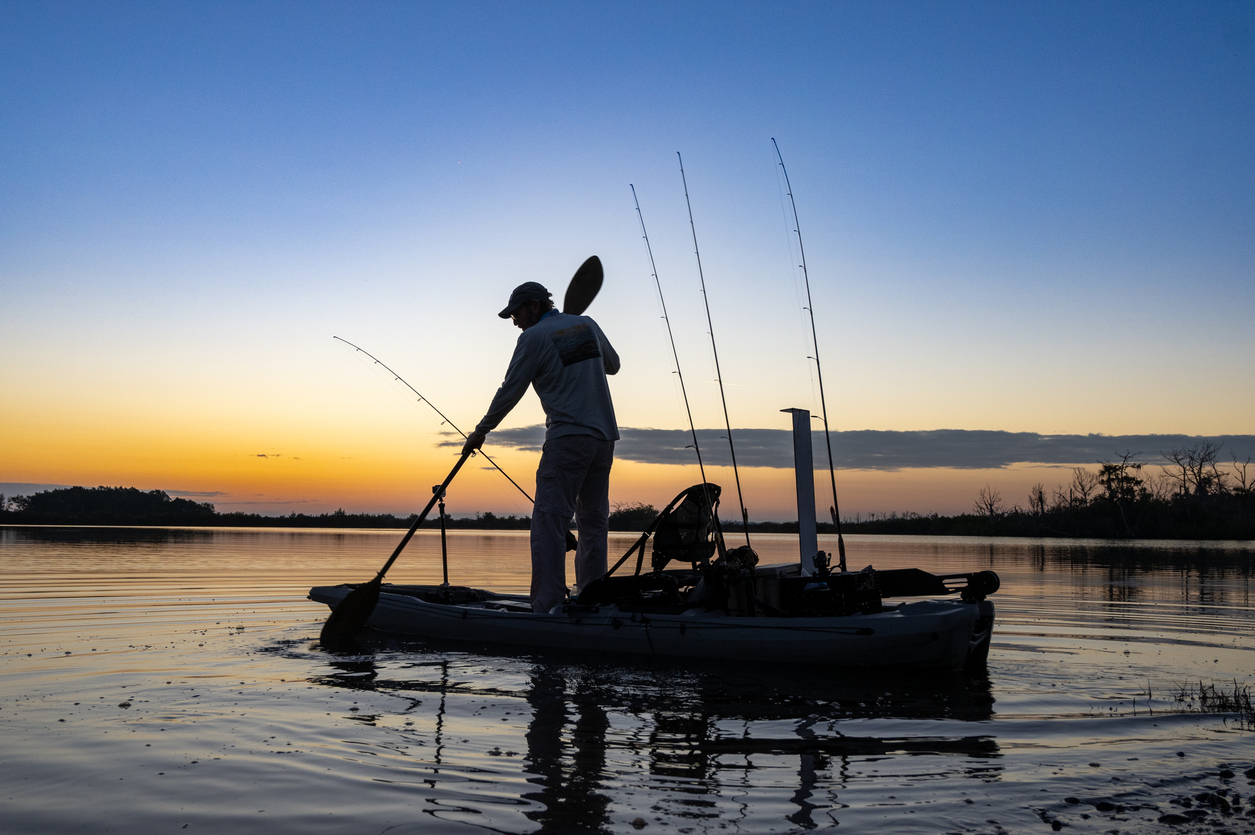
Few people anticipated the appearance of the sugar toad in the culinary scene. In fact, it wasn’t always considered such a palatable delight. Anglers along the Atlantic coast would reel in these little swimmers with net-fulls of their intended harvests. Nearby chefs began requesting this bycatch as part of their regular orders in a move toward sustainability.
While the Northern pufferfish only contains mild amounts of tetrodotoxin in its skin and internal organs, one of its cousins is much more dangerous. In several Asian countries, adventurous eaters indulge in other species of pufferfish that have much higher levels of the deadly neurotoxin.
In Japan, fugu is considered a delicacy. Expert chefs must undergo years of formal training to obtain a license before serving it to guests. They must also pass practical examinations that include identification, preparation, and eating the fish themselves.
Once fully certified, they can serve fugu to the public at hundreds of dollars per plate. Diners feast on multi-course meals centered around the delicacy. Raw fugu sashimi, fishy rice porridge, and blowfish-infused sake are just a few typical menu items.
Although the sugar toad isn’t nearly as toxic as fish like fugu, many American patrons still enjoy the thrill of eating on the wild side.
Learn all about the most bizarre creations in culinary history with a copy of Food Weird-o-Pedia!
Is Eating This Dangerous Animal Worth It?
The risk of complications from eating a plate of fried sugar toad is minimal. Statistically speaking, you’re more likely to choke on the central bone than to experience accidental poisoning from Northern pufferfish.
If you’re really looking for an edible thrill, you might need to travel to Tokyo for some fresh fugu. Just remember to pack your wallet and leave a copy of your will with a trusted family member!
We’ll Help You Find the Best Free Camping in the USA
You should give it a try!
As a matter of fact, these free campsites are yours to enjoy. Every time you pay federal taxes, you’re contributing to these lands.
Become a FREE CAMPING INSIDER and join the 100,000 campers who love to score the best site!
We’ll send you the 50 Best Free Campsites in the USA (one per state). Access the list by submitting your email below: