Ever found yourself cruising down a highway, wishing you could press the pedal just a bit further without worrying about flashing lights in your rearview mirror? If the open road calls your name and you crave the thrill of high-speed driving (within legal limits, of course), then this is the lowdown you’ve been waiting for.
Rev up your engines as we take you on a journey through the states that let you legally drive faster than anywhere else in the USA. And stick around, because we’ll also reveal where you can truly put the pedal to the metal on a global scale.
The Need for Speed: America’s Fastest Highways
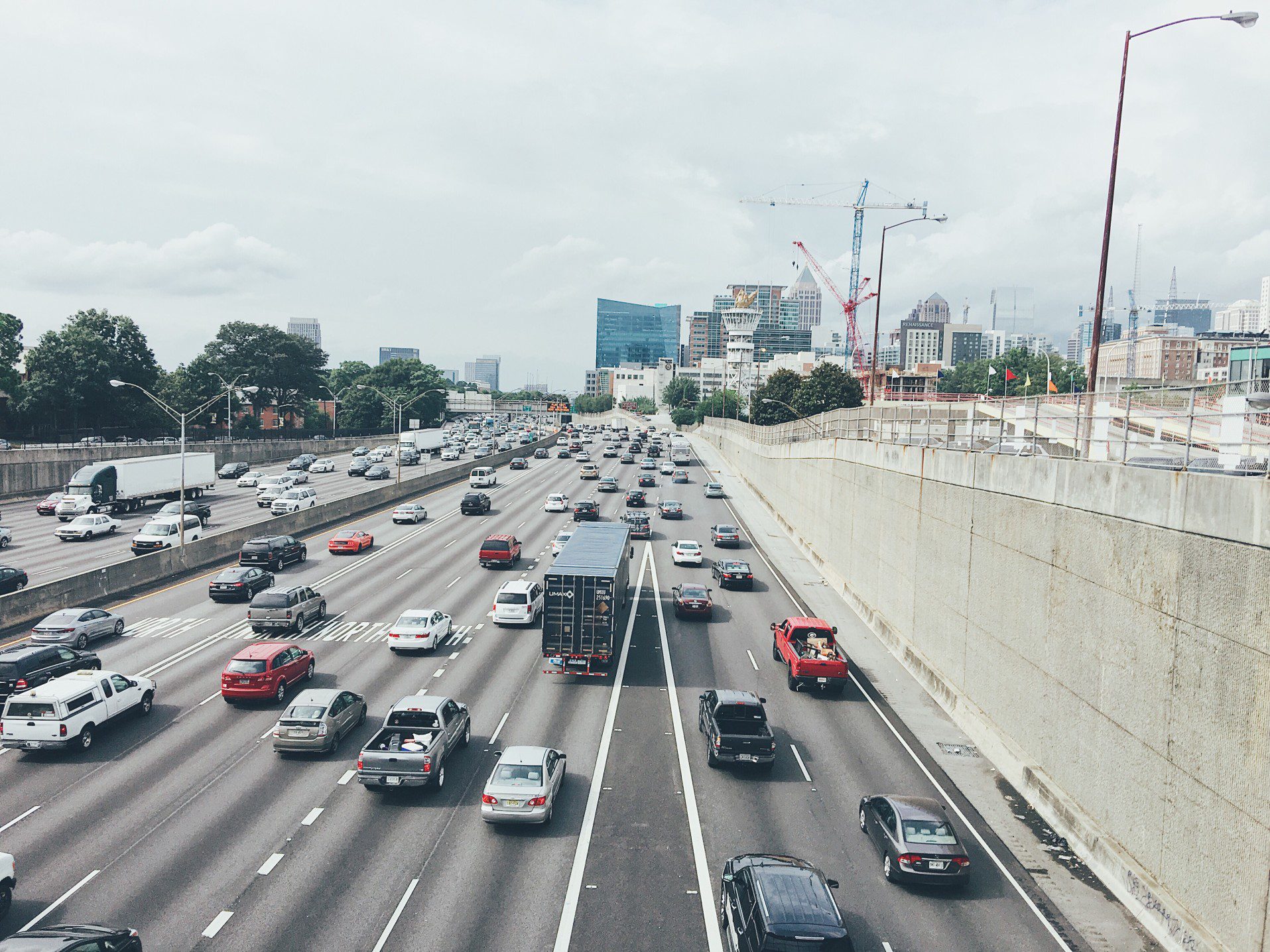
The United States is a vast country with sprawling highways that stretch across deserts, mountains, and plains. While most states cap their speed limits between 65 and 75 mph, a select few have embraced the open road ethos by allowing higher speeds.
Let’s get into these speed-happy states and see what makes them stand out.
Texas: The Lone Star State Leads the Way
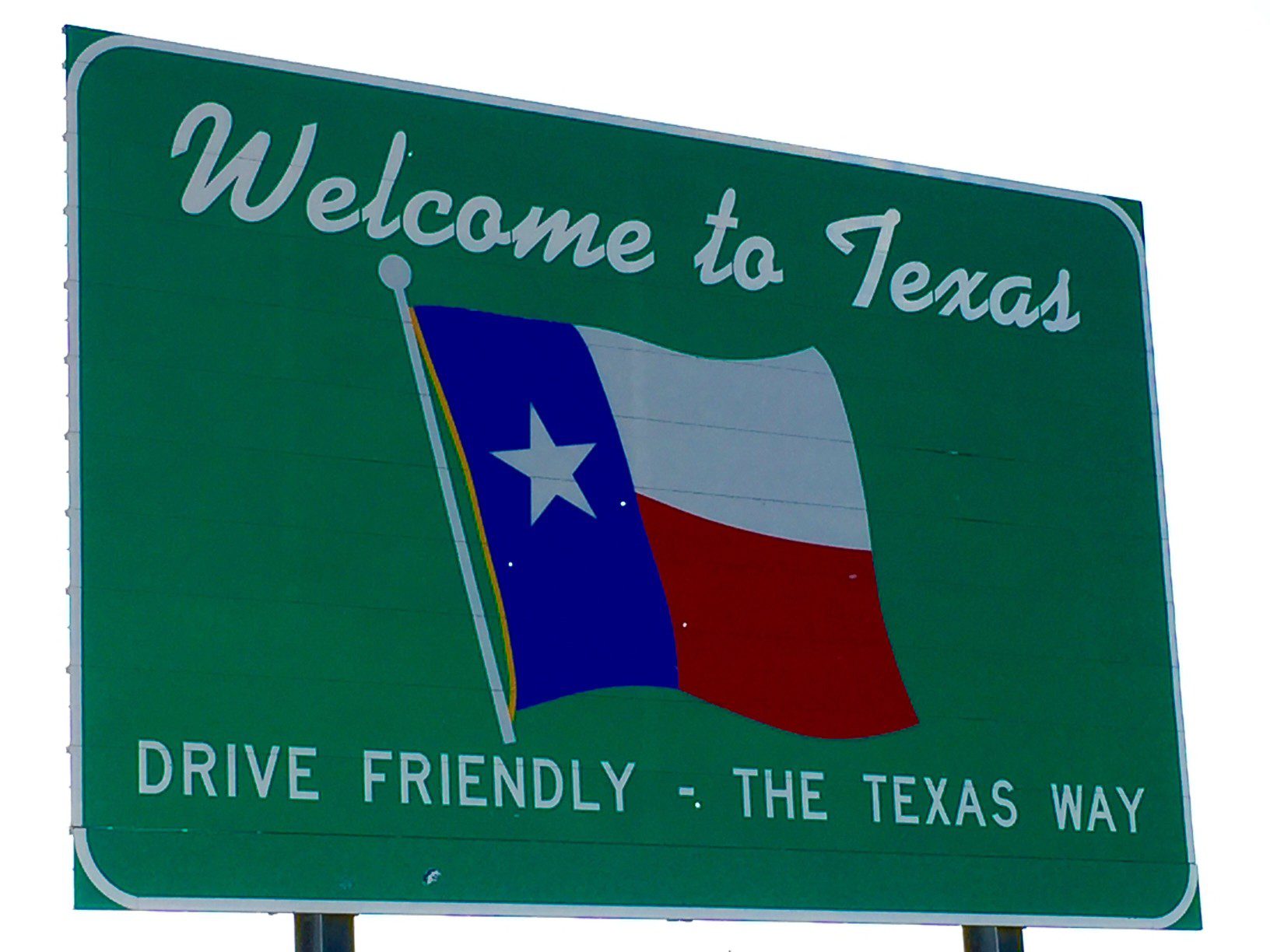
Everything’s bigger in Texas, including the speed limits. Texas boasts the highest posted speed limit in the nation—a whopping 85 mph on a stretch of State Highway 130 between Austin and San Antonio. This toll road was designed to alleviate congestion on Interstate 35, and the state decided to sweeten the deal by letting drivers legally zoom at speeds that would earn you a hefty ticket elsewhere.
Why did Texas crank up the speed? The state’s wide-open spaces and long stretches of rural highways make it a prime candidate for higher speed limits.
Plus, Texans have a reputation for loving their freedom, and that extends to the open road. The 85 mph limit isn’t widespread across the state, but it sure makes that particular drive an adrenaline-pumping experience.
Utah: Elevating Speed in the Elevated State
Utah isn’t just known for its stunning national parks and the Great Salt Lake; it’s also a haven for drivers who like to go fast—legally. The state has set speed limits of 80 mph on several portions of its interstate highways, including I-15, I-80, and I-84.
The decision came after studies showed that higher speed limits didn’t significantly affect safety on these rural stretches.
The rationale? When roads are designed for higher speeds and traffic is light, increasing the speed limit can actually reduce speed variance among drivers, which some experts believe can decrease accident rates. So, if you’re cruising through Utah’s picturesque landscapes, you can enjoy the scenery without constantly glancing at your speedometer.
South Dakota: Speeding Through the Heartland
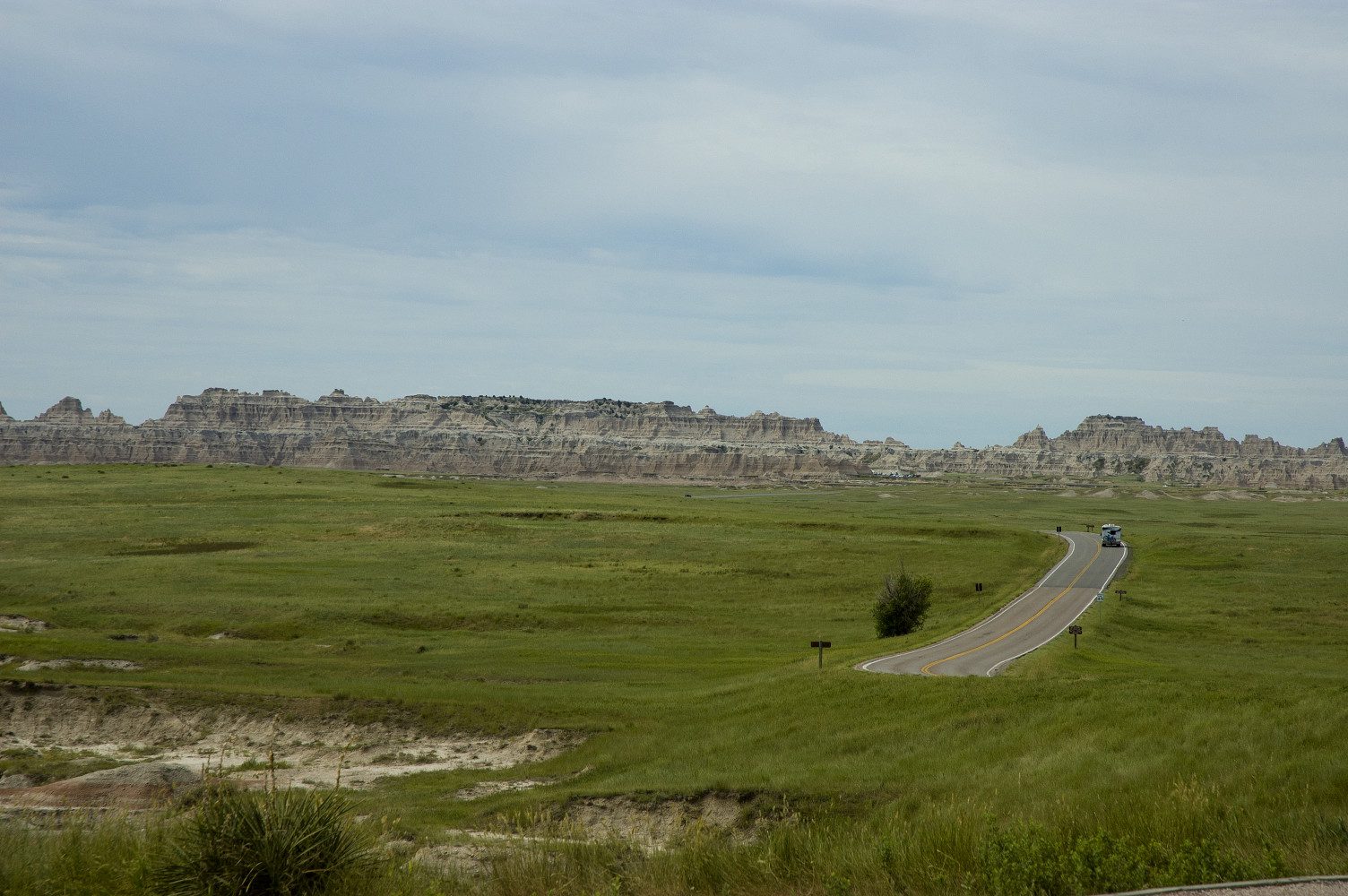
In the land of rolling prairies and Mount Rushmore, South Dakota has embraced an 80 mph speed limit on its interstates since 2015. With vast distances between towns and low traffic density, higher speed limits make practical sense for many residents and long-haul travelers. The state’s decision aimed to improve traffic flow and reduce travel time without compromising safety.
While you’re marveling at the Badlands or heading to Sturgis for the annual motorcycle rally, South Dakota lets you make good time on the road.
Just keep an eye out for wildlife crossing the highways—sharing the road with nature is part of the charm here.
Wyoming: Wide-Open Roads at High Speeds
Wyoming, with its majestic mountains and expansive plains, allows drivers to hit 80 mph on certain stretches of its interstate highways, including I-25, I-80, and I-90. The state’s low population density and minimal traffic congestion make it an ideal place for higher speed limits.
The higher speeds are a nod to practicality.
When you’re traveling hundreds of miles between towns, being able to drive faster without breaking the law is a significant convenience. Just be prepared for rapidly changing weather conditions; Wyoming’s climate can be as unpredictable as its wildlife sightings.
Idaho: Speeding Through the Gem State
Idaho might be famous for potatoes, but speed enthusiasts know it for its 80 mph speed limits on portions of I-15, I-84, and I-86. Implemented in 2014, the increased limits aimed to align Idaho’s regulations with neighboring states and improve traffic flow.
The decision wasn’t without controversy, as some worried about increased accident risks.
However, state officials pointed out that modern vehicles are built to handle higher speeds safely, and that driver education and enforcement would help mitigate potential dangers. So, if you’re exploring Idaho’s scenic byways, you can enjoy a brisk pace legally.

Montana: From No Limits to Sensible Speeds
Montana has a storied history with speed limits. Between 1995 and 1999, the state famously had no daytime speed limit on rural highways, instead relying on a “reasonable and prudent” standard. While this was heaven for speed demons, legal challenges and safety concerns eventually led to the implementation of a 75 mph limit, with some areas now posted at 80 mph.
Montana’s vast landscapes and low traffic make higher speed limits practical, but the state also emphasizes safety. With unpredictable weather and wildlife crossings, drivers are encouraged to be vigilant, regardless of the posted speed.
Nevada: High Speeds in the Silver State
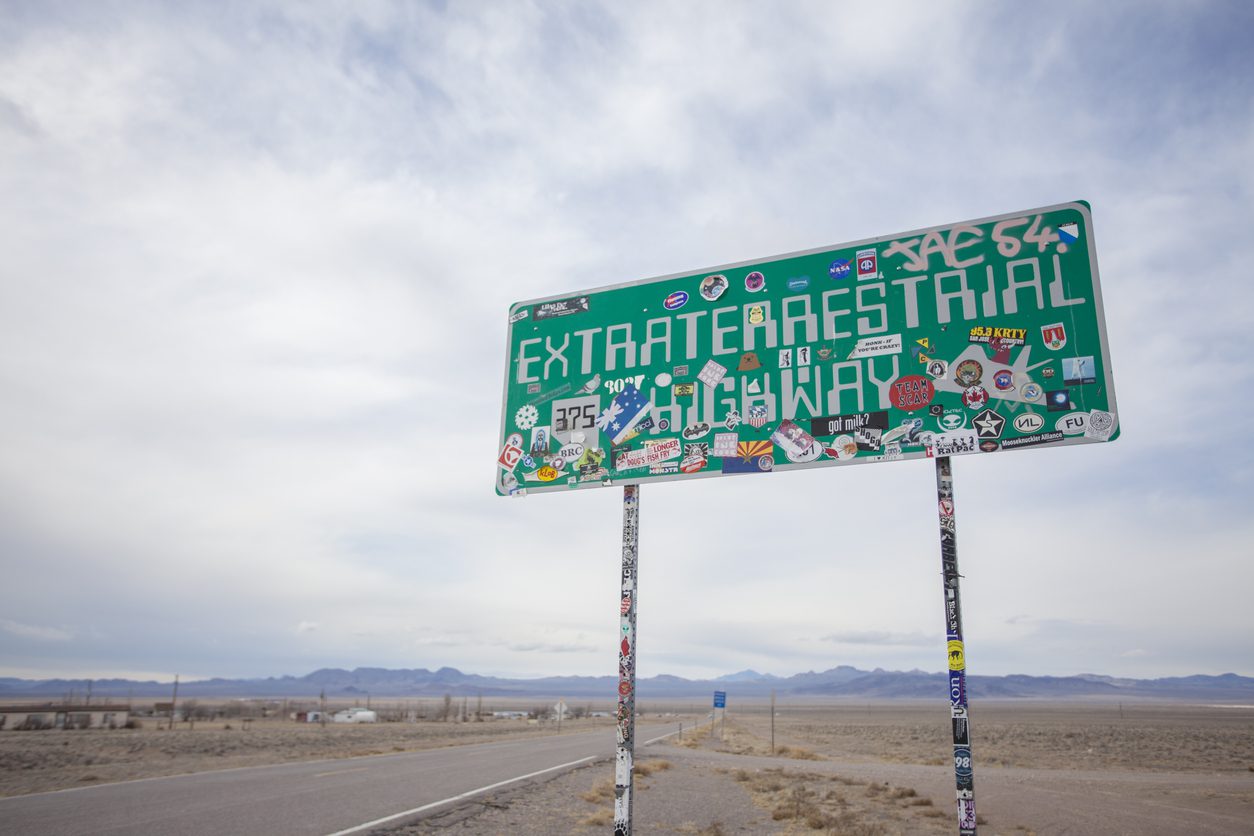
Nevada isn’t just about the glitz of Las Vegas; it’s also home to long stretches of open road where you can legally drive at 80 mph. Portions of I-80 and other rural highways allow for these higher speeds. Given the state’s expansive deserts and low population density outside of urban areas, higher speed limits help travelers cover ground efficiently.
Nevada’s approach balances the need for speed with safety considerations, ensuring that road conditions and traffic patterns justify the increased limits.
So, whether you’re heading to Reno or exploring the Great Basin, Nevada lets you do it at a brisk pace.
Why Some States Embrace Higher Speed Limits
Several factors contribute to why these states allow higher speed limits:
- Geography and Demographics: States with vast rural areas and low population density can safely accommodate higher speeds due to less traffic congestion and fewer entry points on highways.
- Road Infrastructure: Modern highways designed with higher standards can handle increased speeds safely. Features like wider lanes, gentle curves, and longer sight distances contribute to safer high-speed travel.
- Economic Considerations: Higher speed limits can improve commerce by reducing travel time for goods and services. They can also make a state more attractive to tourists who prefer efficient travel.
- Driver Behavior and Vehicle Safety: Advances in vehicle technology, including better braking systems and safety features, have made high-speed driving safer than in the past.
Safety First: The Debate Over Higher Speed Limits
While the idea of driving faster legally is appealing to many, it’s not without controversy. Critics argue that higher speed limits can lead to more severe accidents due to the physics of high-speed collisions. Increased stopping distances and reduced reaction times are significant concerns.
However, proponents counter that when speed limits reflect the natural flow of traffic, they can reduce speed variance among drivers, potentially decreasing accident rates. They also point out that driver education and strict enforcement of traffic laws play crucial roles in maintaining safety.
States that have increased speed limits often accompany the changes with safety campaigns, increased patrols, and ongoing studies to monitor the impact on traffic accidents and fatalities.
The goal is to find a balance that allows for efficient travel without compromising safety.
PRO TIP: What Is Highway Hypnosis?
The Rest of the Pack: How Other States Compare
Most states maintain maximum speed limits between 65 and 75 mph. Factors influencing these limits include higher population densities, urban traffic congestion, and older infrastructure not designed for higher speeds. States like California, New York, and New Jersey, for instance, prioritize safety and traffic flow over higher speed limits due to their dense urban environments.
In these areas, the focus is often on reducing traffic congestion through public transportation and promoting road safety through lower speed limits and stricter enforcement.
Beyond Borders: Where Can You Find the Highest Speed Limits in the World?
If you think 85 mph is fast, wait until you hear about the global hotspots where speed limits are even higher—or don’t exist at all.
Germany: The Autobahn Legend
Germany’s Autobahn is the stuff of legend among speed enthusiasts. Large stretches of this highway network have no general speed limit for passenger cars. While an advisory speed limit of 130 km/h (about 81 mph) exists, drivers are legally allowed to go faster where conditions permit.
The absence of a speed limit is possible due to several factors:
- Road Quality: The Autobahn is meticulously maintained, with high engineering standards ensuring safety at high speeds.
- Driver Training: Obtaining a driver’s license in Germany is more rigorous than in many other countries, resulting in highly trained drivers.
- Strict Enforcement of Traffic Laws: While speed isn’t limited, other traffic laws are strictly enforced, such as prohibitions against passing on the right and mandatory use of the left lane only for overtaking.
United Arab Emirates: Desert Highways at High Speeds
In the UAE, particularly in Abu Dhabi, some highways have speed limits as high as 160 km/h (about 99 mph). These roads are typically straight, flat, and pass through desert landscapes with minimal traffic, making higher speeds feasible.
The UAE employs advanced traffic enforcement technologies, including speed cameras and radars, to monitor compliance. While the high speed limits allow for swift travel between cities, the penalties for breaking traffic laws can be severe.
Australia: Northern Territory’s Open Roads
Australia’s Northern Territory previously had open speed limits on some remote highways. While most of the territory now enforces a limit of 130 km/h (about 81 mph), certain sections have returned to open speed zones where no speed limit is posted. These areas are extremely remote, with long distances between settlements and minimal traffic.
The decision to allow open speed zones comes with significant debate over safety, but proponents argue that responsible drivers in appropriate vehicles can safely handle higher speeds on these roads.
Isle of Man: The Speedster’s Island
The Isle of Man, a small island between England and Ireland, has no national speed limit on many rural roads. This lack of restriction, combined with the island’s famous annual motorcycle races, makes it a mecca for speed enthusiasts.
However, the island enforces strict laws against dangerous driving, and police have the authority to penalize drivers they deem to be driving unsafely, regardless of speed.
Speed Responsibly: The Final Word
Whether you’re cruising through the wide-open spaces of Texas or dreaming of the limitless stretches of Germany’s Autobahn, the allure of high-speed driving is undeniable. But with great speed comes great responsibility.
Higher speed limits don’t just offer the thrill of faster travel; they require drivers to be more vigilant, more skilled, and more aware of road conditions.
Always remember that speed limits are set for ideal conditions. Weather, traffic, and road quality can change rapidly, and it’s up to each driver to adjust accordingly.
Safety should always come first, no matter how fast you’re legally allowed to drive.
But, be prudent and get a radar detector for good measure.
So, the next time you find yourself on one of America’s fastest highways, enjoy the ride—but keep it safe. After all, the open road is best enjoyed when everyone reaches their destination unharmed.
Note: Traffic laws and speed limits are subject to change. Always check the current regulations in the area where you’re driving.
We’ll Help You Find the Best Free Camping in the USA
You should give it a try!
As a matter of fact, these free campsites are yours to enjoy. Every time you pay federal taxes, you’re contributing to these lands.
Become a FREE CAMPING INSIDER and join the 100,000 campers who love to score the best site!
We’ll send you the 50 Best Free Campsites in the USA (one per state). Access the list by submitting your email below: