Understanding the Laws About Dumpster Diving
Have you ever wondered if it’s legal to search through someone’s trash? Maybe you’ve heard stories about people finding valuable items in dumpsters. In the United States, the act of looking through trash is often called “dumpster diving.”
This topic might seem simple, but the laws about it can be quite tricky. Let’s explore whether it’s legal to search through trash in the USA and what you need to know before you consider doing it.
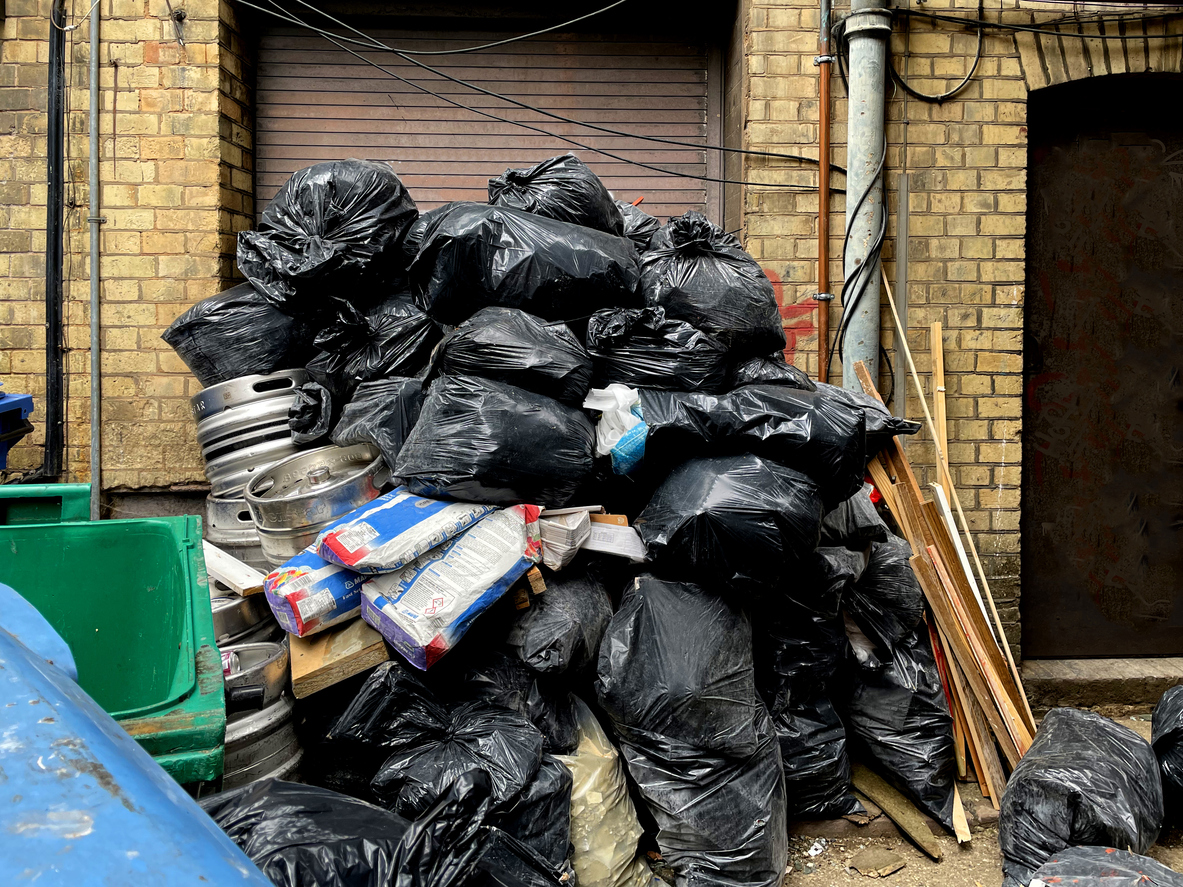
The Basic Idea of Dumpster Diving
In many places, once someone throws something away, they might not want it anymore. But does that mean anyone can take it? The answer isn’t always clear. The laws about searching through trash depend on where you are and what you’re doing.
The Fourth Amendment
First, let’s talk about the Fourth Amendment of the U.S. Constitution. This law protects people from unreasonable searches and taking of their property by the government.
It means that the police usually need a good reason or a warrant to search your things.
California v. Greenwood (1988)
In a famous court case called California v. Greenwood, the police searched through a man’s trash without a warrant. They found evidence that he was doing something illegal. The man argued that the police shouldn’t have searched his trash without permission.
The Supreme Court decided that once you put your trash out on the curb for collection, you no longer have a reasonable expectation of privacy for those items. This means the police can look through your trash without a warrant if it’s left in a public place.
What This Means for You
Because of this ruling, in many places in the USA, it’s not illegal to search through trash that’s left in a public area. If the trash is on the curb or in an alley, and not behind a fence or in a private area, it might be legal to look through it.
State and Local Laws
While the Supreme Court decision gives a general rule, state and local laws can be different. Some cities and states have their own laws about dumpster diving.
Examples
- California: After the Greenwood case, dumpster diving is generally allowed if the trash is in a public place. But some cities might have rules against it.
- New York: There is no state law against dumpster diving, but you have to be careful about trespassing on private property.
- Texas: Dumpster diving is not illegal statewide, but local ordinances might prohibit it.
Trespassing Laws
One important thing to remember is trespassing. Even if it’s legal to look through trash in public areas, it’s not legal to go onto someone’s private property without permission.
- Private Property: If a dumpster is inside someone’s yard, behind a fence, or in a locked area, you cannot go there without permission.
- Businesses: Many businesses keep their dumpsters on private property. They might have signs saying “No Trespassing.” If you ignore these signs, you could get in trouble.

Local Ordinances
Cities and towns can make their own rules about searching through trash.
- No Scavenging: Some places have laws that specifically say you can’t take items out of trash bins or recycling containers.
- Fines and Penalties: If you break these local laws, you might have to pay a fine or even face other penalties.
Privacy Concerns
Even though someone might throw something away, it could still contain personal information.
- Identity Theft: Going through someone’s trash and finding documents with personal details can lead to identity theft.
- Legal Consequences: Taking someone’s personal information and using it illegally is a crime.
Health and Safety
Searching through trash can be risky.
- Hazardous Materials: Some trash might contain dangerous items like broken glass, sharp metal, or harmful chemicals.
- Food Safety: Eating food from dumpsters can make you sick because it might be spoiled or contaminated.
Ethical Considerations
Even if it’s legal, some people think dumpster diving is unethical.
- Respecting Privacy: People might feel that their privacy is invaded if someone goes through their trash.
- Community Standards: Some communities might not like the idea of people searching through trash, seeing it as a nuisance or eyesore.
Benefits of Dumpster Diving
On the other hand, some people see positive sides to dumpster diving.
- Reducing Waste: By reusing items that would otherwise go to landfills, dumpster diving can help the environment.
- Finding Useful Items: People have found furniture, electronics, and other useful things that others have thrown away.
Recycling and Donations
Some organizations encourage people to recycle or donate items instead of throwing them away.
- Thrift Stores: Donating items to thrift stores helps others and reduces waste.
- Community Programs: Some communities have programs where people can leave items they don’t want for others to take, without going through trash.
Legal Dumpster Diving Cases in Other States
State v. Hempele (New Jersey, 1990)
In New Jersey, the state’s Supreme Court decided that people do have a reasonable expectation of privacy in their trash. This means that in New Jersey, the police need a warrant to search someone’s trash.

What Should You Do?
If you’re thinking about searching through trash, here are some tips:
- Check Local Laws: Find out if your city or town has any rules against dumpster diving.
- Avoid Private Property: Don’t go onto someone’s property without permission.
- Look for Signs: Pay attention to signs that say “No Trespassing” or “Private Property.”
- Stay Safe: Be careful of sharp objects and hazardous materials.
- Respect Others: Consider how your actions might affect other people.
The Low Down on Dumpster Diving
So, is it legal to search through trash in the USA? The answer is: it depends. In many places, if the trash is in a public area and you’re not trespassing, it might be legal. However, state laws and local ordinances can make it illegal. There are also ethical and safety considerations to keep in mind.
Before you decide to search through trash, make sure you understand the laws in your area. Respect private property, and think about the potential risks and impacts.
Dumpster diving can have benefits, like reducing waste, but it’s important to do it legally and responsibly.
Disclaimer
This article is meant to provide general information and is not legal advice. Laws can change, and they can be different depending on where you are. If you have specific questions about the law, consider talking to a lawyer who knows about local regulations.
We’ll Help You Find the Best Free Camping in the USA
You should give it a try!
As a matter of fact, these free campsites are yours to enjoy. Every time you pay federal taxes, you’re contributing to these lands.
Become a FREE CAMPING INSIDER and join the 100,000 campers who love to score the best site!
We’ll send you the 50 Best Free Campsites in the USA (one per state). Access the list by submitting your email below: