When you think about Florida, what comes to mind?
Many people picture sunny beaches, palm trees, and theme parks like Disney World. Others think of the Everglades, alligators, and swampy wetlands. But Florida is also a place with large stretches of farmland, forests, and countryside. Behind the state’s famous coastlines and crowded tourist spots, there are millions of acres of land that are owned by just a few big owners.
In Florida, some of the largest landowners are private companies or families who have managed to buy and keep huge areas for ranching, growing crops, real estate, and more.
On the other hand, public agencies like the federal government and state government also own large chunks of land. They maintain these areas for nature, wildlife, and public use.
This article will look at the top three private landowners and the top three public landowners in Florida. We’ll find out how much land they own, why they own it, and what they do with it.
We’ll also compare their missions and how they affect the state.
By the end, you’ll have a clearer picture of who really owns the Sunshine State’s wide-open spaces—and why it matters for Florida’s future.
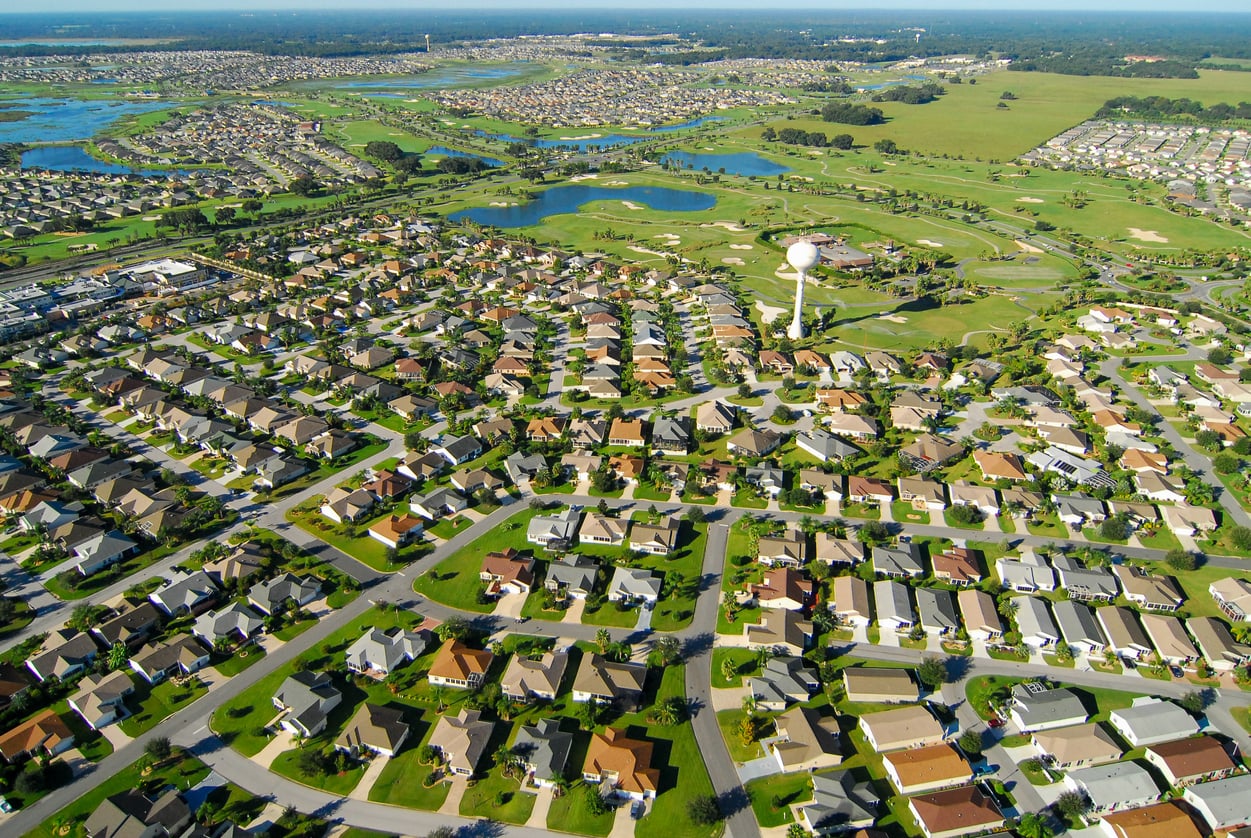
Why Land Ownership in Florida Matters
Land ownership isn’t just about having a place to build a house or start a farm. In Florida, land is a key part of the state’s identity and economy. The way land is used can change how the environment looks, how clean the water is, and what kinds of animals can live there. Land can be used for raising cattle, growing sugarcane, protecting natural habitats, allowing military training, or giving people places to hike, hunt, and camp.
Knowing who owns the most land gives us a clue about Florida’s priorities.
For example, if a private company owns a lot of land, they might use it to develop housing communities. That can mean more homes, jobs, and schools, but also more traffic and less room for wildlife. If the state or federal government owns large areas of land, they might protect it as a state park or wildlife refuge, which helps preserve Florida’s wild side and keep its natural beauty safe.
In short, land ownership helps shape Florida’s future. It affects the economy, the environment, and the quality of life for people who live there.
This is why it’s important to understand who owns the land and what they’re doing with it.

The Top Three Private Landowners in Florida
1. The St. Joe Company
Acres Owned: About 567,000 acres (mostly in Northwest Florida)
What They Do: The St. Joe Company began many decades ago, rooted in the timber and paper industry. Over time, it turned into a major real estate development company. Today, it’s known for large-scale projects like planned communities, resorts, and commercial developments in the Florida Panhandle.
For many years, The St. Joe Company owned over one million acres, mostly thanks to early days in the forestry business. While they have sold some parcels over time, they still hold more than half a million acres. Much of this land is in northwest Florida—a part of the state less developed than areas like Orlando or Miami.
Because The St. Joe Company is involved in real estate, they shape whole regions by deciding where neighborhoods, shopping centers, and roads go. Their land often starts as woodlands or empty fields. Over time, some of it may become places where people live, work, and visit on vacation.
Purpose and Stats:
- Main Purpose: Real estate development, creating communities and resorts.
- Industries: Housing, commercial real estate, hospitality, and some timber.
- Influence: They help guide how the Florida Panhandle looks and grows.
2. The Mormon Church (Deseret Ranches)
Acres Owned: About 300,000 acres in Central Florida
What They Do: The Church of Jesus Christ of Latter-day Saints, often called the Mormon Church, owns one of the largest ranches in the world right in Central Florida: Deseret Ranches. This huge piece of land sits mostly east of Orlando and covers parts of several counties.
Deseret Ranches is not just a small farm. It’s a large-scale working cattle ranch, raising tens of thousands of cows. It also has citrus groves and other agricultural activities. Over time, the ranch has become known for using smart ranching methods and managing resources carefully.
Purpose and Stats:
- Main Purpose: Agricultural production, especially cattle and citrus.
- Industries: Cattle ranching, citrus farming, and other agricultural crops.
- Influence: Their management style focuses on long-term planning, water use, and soil conservation. Their land also provides open space in a region that otherwise might fill up with suburbs.
3. The Fanjul Family (Florida Crystals)
Acres Owned: About 155,000 acres in South Florida
What They Do: The Fanjul family, originally from Cuba, built a sugar empire in Florida. After the Cuban Revolution in the late 1950s, the family moved and started growing sugarcane in the Sunshine State. Through companies like Florida Crystals, the Fanjuls now hold a large amount of farmland in the southern part of Florida, mostly near Lake Okeechobee.
The sugarcane fields are a big part of Florida’s farming landscape. The family’s companies produce sugar sold in stores across the country. Sugarcane fields also affect water use and quality, because growing sugarcane can involve draining wetlands and guiding water flow.
Purpose and Stats:
- Main Purpose: Sugarcane farming and sugar production.
- Industries: Agriculture, sugar refining, and related products.
- Influence: The Fanjuls’ land use impacts the Everglades ecosystem and plays a big role in Florida’s agriculture sector.

The Top Three Public Landowners in Florida
When we talk about public landowners, we mean government agencies that hold land on behalf of the people. In Florida, the largest public landowners include different parts of the federal government, the state government, and special districts that manage water resources.
1. The Federal Government (National Park Service, U.S. Forest Service, Department of Defense)
Acres Owned: Millions of acres combined, with Everglades National Park alone covering about 1.5 million acres.
What They Do: The federal government owns and manages huge parts of Florida’s land through several agencies. One of the most famous examples is Everglades National Park, which is under the National Park Service. This park alone protects a vast wetland and is home to alligators, manatees, panthers, and countless bird species.
The U.S. Forest Service manages national forests like Apalachicola National Forest, with hundreds of thousands of acres of pine forests and swamps in the Panhandle. The Department of Defense controls places like Eglin Air Force Base, one of the largest Air Force bases in the country, which also includes vast amounts of undeveloped land that serve as wildlife habitat.
PRO TIP: 7 Killer Creatures Found in Everglades National Park
Purpose and Stats:
- Main Purpose: Conservation, recreation, defense, and environmental protection.
- Agencies: National Park Service, U.S. Forest Service, U.S. Fish and Wildlife Service, Department of Defense.
- Influence: Federal lands protect wildlife, offer public recreation, and keep large areas wild. Military lands also ensure national security.
2. The State of Florida (State Parks, State Forests, Wildlife Management Areas)
Acres Owned: Millions of acres combined across the state.
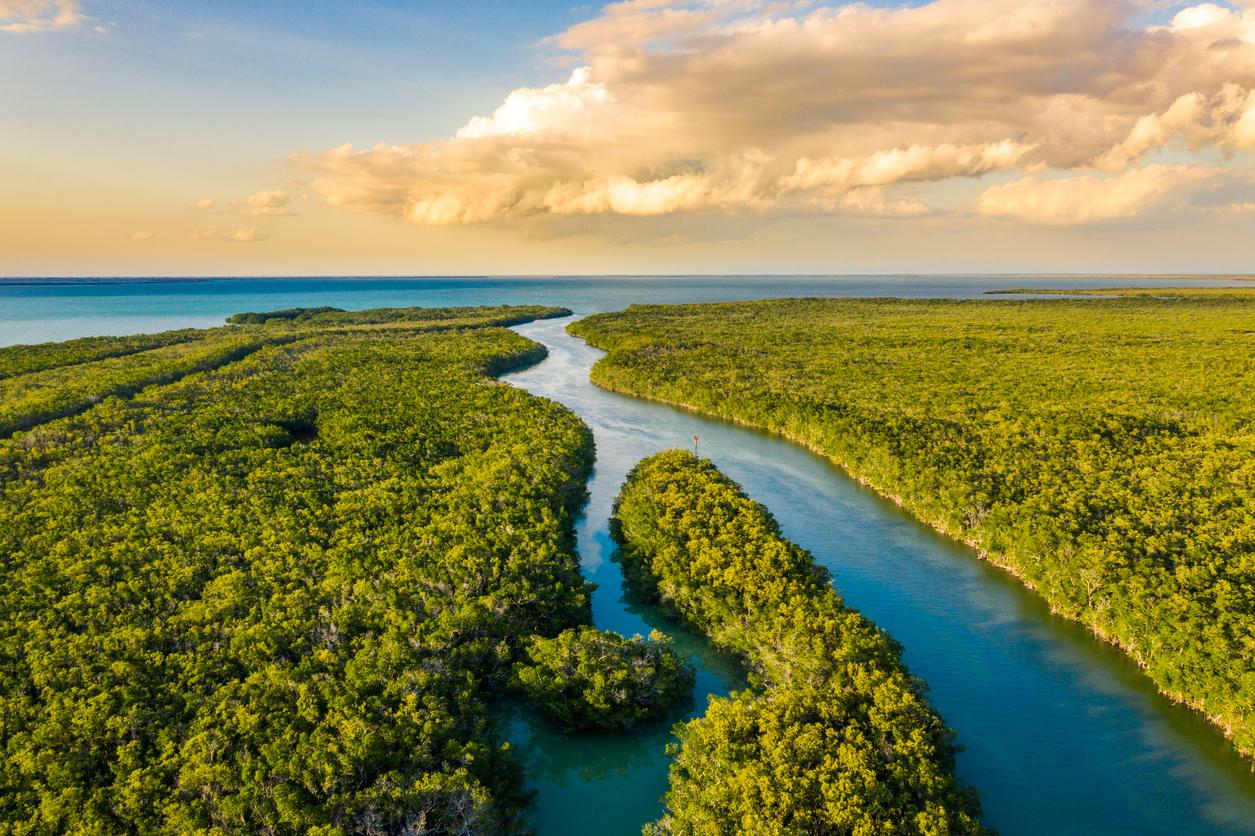
What They Do: The state of Florida, through various agencies, manages a huge network of parks, forests, and wildlife areas. These include Florida’s famous state parks like Myakka River State Park and state forests like Blackwater River State Forest. There are also many Wildlife Management Areas (WMAs) run by the Florida Fish and Wildlife Conservation Commission.
These public lands offer places for residents and visitors to enjoy nature, camp, fish, hunt, and learn about Florida’s environment. The state uses land ownership to protect rare habitats, preserve water quality, and give people a chance to connect with the outdoors.
PRO TIP: Free Camping in Florida: The 7 Best (Secret) Spots
Purpose and Stats:
- Main Purpose: Conservation, recreation, and cultural resource protection.
- Agencies: Florida Department of Environmental Protection (State Parks), Florida Forest Service, Florida Fish and Wildlife Conservation Commission.
- Influence: State lands keep Florida’s natural treasures safe and available to everyone.
3. The South Florida Water Management District (SFWMD)
Acres Owned: Around 1 million acres of land and conservation easements, focused on water resource management.
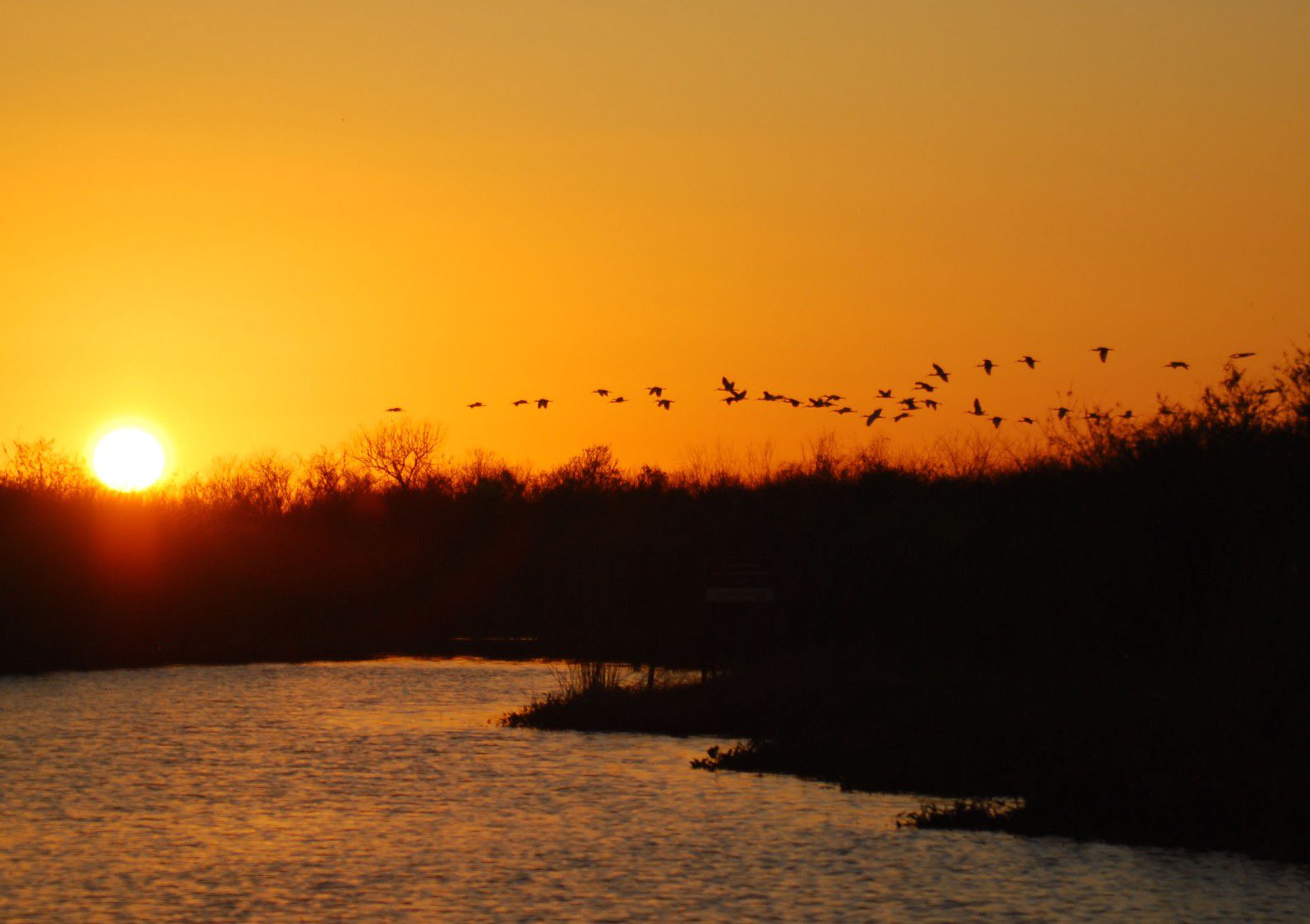
What They Do: Florida has special government units called Water Management Districts. The South Florida Water Management District (SFWMD) is the largest and manages water resources in the southern part of the state. This area includes the Everglades, Lake Okeechobee, coastal estuaries, and many rivers.
To manage water, the district often acquires land for flood control, water storage, and ecosystem restoration. For example, it buys lands to restore natural water flow to the Everglades, helping to clean water and protect wildlife habitats. The District does not manage these lands for profit, but rather to keep Florida’s water clean, supply drinking water, reduce flooding, and help wildlife thrive.
Purpose and Stats:
- Main Purpose: Water resource management, ecosystem restoration, and flood control.
- Influence: By holding large areas of wetlands and other landscapes, SFWMD helps ensure Florida’s water supply stays steady and clean. This also helps keep the environment healthy.
Comparing the Private Giants to the Public Giants
Now that we know who the biggest private and public landowners are, let’s compare their holdings, purposes, and effects on Florida.
Acres Owned:
- Private:
- The St. Joe Company: ~567,000 acres
- The Mormon Church’s Deseret Ranches: ~300,000 acres
- The Fanjul Family (Florida Crystals): ~155,000 acres
- Public:
- Federal Government (e.g., Everglades National Park, National Forests, Military Bases): Millions of acres total, with Everglades alone ~1.5 million acres.
- State of Florida (Parks, Forests, WMAs): Millions of acres combined.
- SFWMD: ~1 million acres of land and easements.
From these numbers, it’s clear the public side owns far more land overall than any single private owner. The federal government and the state are huge landowners. Even just one national park (Everglades) is bigger than the land held by any single private group listed here.
Purpose of Ownership:
- Private Owners:
- St. Joe focuses on real estate development.
- Deseret Ranches (Mormon Church) focuses on cattle and agriculture.
- The Fanjul Family focuses on sugarcane farming.
- Public Owners:
- The Federal Government manages lands for conservation, public recreation, security (military bases), and protection of resources.
- The State of Florida uses its lands mostly for public parks, forests, and wildlife management, aiming for conservation and public enjoyment.
- The SFWMD manages land mainly to protect and improve Florida’s water resources, which benefits everyone.
Public owners don’t have a profit goal in the way private owners do. Instead, they serve the public interest, focusing on conservation, recreation, habitat protection, and other public benefits.
Environmental Impact:
- Private Owners:
- Real estate development (St. Joe) can change landscapes from forests to housing. This can reduce wildlife habitat but also create communities.
- Large-scale agriculture (Deseret Ranches and the Fanjuls) can have environmental costs like fertilizer runoff and changes in water flow, but it can also maintain open spaces and prevent total urban sprawl.
- Public Owners:
- The federal and state lands are often managed to keep ecosystems healthy. Protected areas safeguard rare species and their habitats.
- SFWMD’s land management improves water quality and flow, supporting the Everglades and other natural systems.
Public lands help maintain natural habitats, protect species, and keep Florida’s environment stable. Private lands often balance profit-making activities with certain environmental rules, but the main goal is usually economic.
How Did These Owners Get So Much Land in Florida?
It’s one thing to say who owns the most land, but how did they come to own it?
- The St. Joe Company: The company’s roots go back many years to when timber and paper were big industries. They acquired large tracts of land when prices were low and Florida was less developed. Over time, they held onto their land, even as other parts of the state boomed.
- Deseret Ranches (Mormon Church): The Mormon Church acquired much of this land in the 1950s. At that time, Central Florida was not what it is today. Land was cheaper, and the church saw a long-term investment in agriculture and ranching. Over decades, they turned it into a huge, well-managed ranch.
- The Fanjul Family: After leaving Cuba, the family found Florida’s climate perfect for growing sugarcane. Over time, they purchased land near Lake Okeechobee to create a stable, large-scale sugar operation.
On the public side:
- Federal Government: Lands like the Everglades were set aside as a national park to protect the unique ecosystem. The federal government also manages large areas for military training. Forests and refuges were often set aside under federal laws to protect wildlife and natural resources.
- State of Florida: The state has bought land over time to create parks, forests, and wildlife areas, often using programs like Florida Forever. They aimed to protect special places from development.
- SFWMD: This district and others like it were formed to manage water resources. Over the years, they’ve bought land to store water, restore wetlands, and protect the Everglades. Many of these purchases were supported by public funds to protect Florida’s water supplies.
Why Should We Care About Who Owns the Land?
Land ownership affects everyday life in ways we might not think about:
- Housing and Growth: When a big private owner like The St. Joe Company decides to build a new neighborhood, it can bring jobs, homes, and services to a region. It can also increase traffic and put pressure on local schools and roads.
- Food and Agriculture: Deseret Ranches and the Fanjul Family produce a lot of food (beef and sugar) that ends up in grocery stores. This is good for the economy, but their farming methods can affect water quality and wildlife habitats.
- Nature and Recreation: Public lands give people a chance to enjoy Florida’s natural beauty. National parks, state forests, and wildlife areas mean you can go hiking, boating, or wildlife watching. These areas also help protect Florida’s natural heritage for future generations.
- Environment and Water: How land is used affects how water flows through Florida’s wetlands, rivers, and aquifers. Healthy wetlands filter water, support wildlife, and protect against floods. When land is changed for farming or building, it can alter water quality and availability. Public owners like SFWMD work to keep water healthy, while private owners must follow certain rules but may not have the same environmental mission.
The Future of Florida’s Land
Florida’s population keeps growing, and with more people comes the need for more houses, roads, and services. Will the big private landowners develop more of their land into neighborhoods and shopping centers? Probably. Will the state and federal government continue to protect large areas of land as parks and preserves? That seems likely, too.
At the same time, climate change and rising sea levels may affect how land is used. Coastal areas might face flooding, forcing people to move to higher ground. Agricultural lands might change as weather patterns shift. Public land managers may focus more on resilience—making sure that protected areas can handle stronger storms and changing conditions.
Water will remain a big issue. Florida depends on clean water for drinking, farming, industry, and tourism. How landowners—both private and public—manage their land will play a huge role in keeping Florida’s water clean and plentiful. Programs that restore wetlands, protect rivers, and manage stormwater will continue to be important.
Balancing Development and Conservation
One of the biggest challenges is finding a balance between development and conservation. Florida needs housing and economic growth, but it also needs to protect the natural systems that make it unique. Without wetlands, forests, and rivers, Florida would lose not only its wildlife, but also the natural services that protect against floods and filter drinking water.
Some solutions might include:
- Conservation Easements: Private owners can agree not to develop certain parts of their land in exchange for tax benefits. This keeps open spaces intact.
- Smart Growth Planning: Communities can plan carefully to avoid sprawl, preserve natural areas, and reduce the impact on wildlife and water resources.
- Public-Private Partnerships: Sometimes public agencies partner with private owners to protect certain areas, restore habitats, or manage resources in a sustainable way.
Finding common ground between private profit and public good is a key part of Florida’s future. Both sides can learn from each other. Private owners might adopt more sustainable farming or development practices to reduce environmental harm. Public owners might share research, help restore lands, and create incentives for good stewardship.
The Human Connection
Land isn’t just dirt. It’s the place where people build their lives. It’s also where birds nest, fish swim, and trees grow tall. When we talk about who owns the most land in Florida, we’re talking about something that affects all of us.
- If you love to camp or hike, public land ownership matters to you. Without state parks and national forests, there would be fewer places to connect with nature.
- If you work in real estate or construction, large private landowners shape your job market and opportunities.
- If you worry about water quality or the future of the Everglades, public agencies like SFWMD and the federal government’s park system are key players.
- If you value Florida’s wildlife, you care how all of these landowners—private and public—manage their land.
Land ownership ties together history, money, nature, and the human desire for a good life. Understanding who owns the most land helps us understand where Florida has been and where it is going.
PRO TIP: Florida Is Pimpin’ Out Their State Parks
Know You Know Who Owns The Most Land in Florida
Florida’s land ownership story is about more than numbers. While big private landowners like The St. Joe Company, Deseret Ranches (the Mormon Church), and the Fanjul Family hold hundreds of thousands of acres, the public sector—federal agencies, the state of Florida, and groups like the SFWMD—collectively hold millions of acres.
These lands serve different purposes. Private lands are often used to earn money: through development, cattle ranching, or sugarcane farming. Public lands are held for everyone, with goals like conservation, recreation, and protecting important resources like water.
Comparing these top three private and top three public landowners shows us the many ways land can be used. It also shows the importance of looking ahead. Florida’s environment is fragile, and its resources, like water and wildlife, depend on careful stewardship. As the state grows and changes, the role of these major landowners will remain crucial.
In the end, who owns the most land in Florida affects what the state looks like, how it works, and how it will thrive in the future. By understanding these connections, we can better appreciate the choices made today and what they mean for tomorrow.
We’ll Help You Find the Best Free Camping in the USA
You should give it a try!
As a matter of fact, these free campsites are yours to enjoy. Every time you pay federal taxes, you’re contributing to these lands.
Become a FREE CAMPING INSIDER and join the 100,000 campers who love to score the best site!
We’ll send you the 50 Best Free Campsites in the USA (one per state). Access the list by submitting your email below: