In the shadow of California’s towering redwoods and sun-drenched beaches, a quiet revolution is underway. For years, rows of RVs have dotted the streets of cities from San Francisco to San Diego, serving as makeshift homes for thousands displaced by skyrocketing rents and economic upheaval. These aren’t just vehicles—they’re sanctuaries on wheels, offering a fragile shield against the elements for families, veterans, and working folks teetering on the edge.
But as encampments grew, so did the frustrations: blocked sidewalks, sanitation woes, and safety hazards.
Now, California is flipping the script. Through innovative buyback programs, targeted outreach, and smarter enforcement, the state is finally cracking the RV homelessness code—not by punishing the vulnerable, but by paving pathways to permanent roofs.
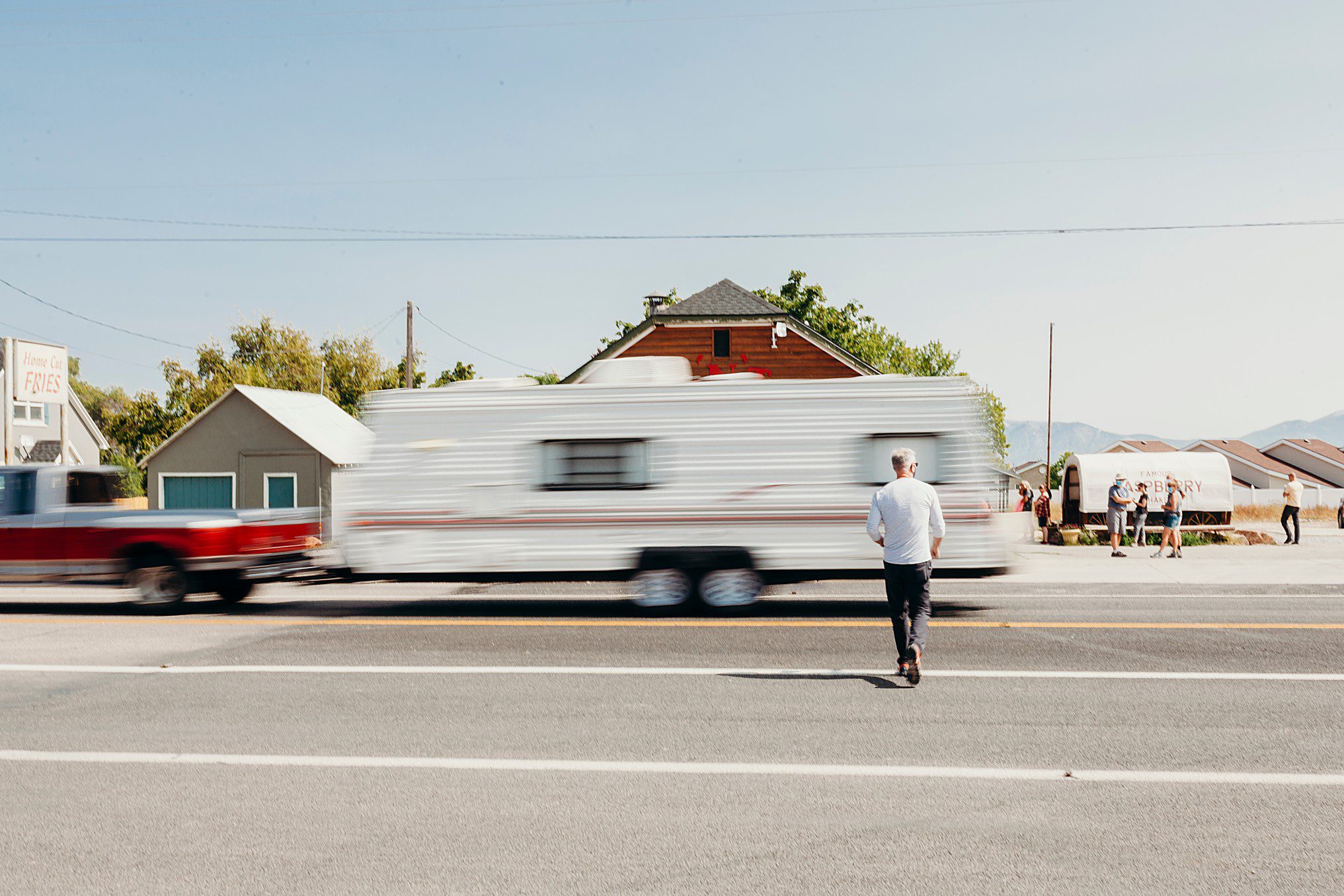
Take Maria Lopez, 45, a former nurse from Los Angeles who traded her apartment for a 1998 Winnebago after medical bills piled up during the pandemic. “This RV was my last stand,” she recalls, sitting on a fold-out chair outside her weathered rig parked near Echo Park. “It had a tiny kitchen where I’d cook for my son, a bed that kept us off the ground. But every night, I worried about the next ticket or tow.” Lopez’s story echoes across the state, where an estimated 30,000 people live in RVs, according to recent tallies from the California Department of Social Services.
Unlike tent dwellers, RV residents often cling to their homes with fierce determination—they’re mobile, private, and a step above the streets. Yet, without safe havens, they’re caught in a cycle of displacement.
California’s breakthrough came in waves, starting with pilot programs that blend compassion with accountability. In San Jose, the Columbus Park clearance—once a sprawling shantytown of over 300 RVs—has transformed into a model of success. Since August 2025, the city has towed 78 RVs but, crucially, relocated 128 residents indoors through a $2,000 buyback incentive and year-long motel vouchers. “It’s not about erasure; it’s about elevation,” says San Jose Mayor Matt Mahan. “We’ve seen families reunite, folks land jobs—real progress.” One beneficiary, retired mechanic Tom Reilly, 62, handed over his leaky Fleetwood after three years on the road. “The city gave me a fresh start,” he says. “Now I’m in a studio apartment, volunteering at a food bank. That RV saved me once, but this program’s saving me for good.”
This approach marks a shift from blunt-force tactics. Earlier crackdowns, like San Francisco’s pre-2025 sweeps, often backfired, pushing RV dwellers to suburbs or freeways. But new policies prioritize services first. San Francisco’s Large Vehicle Refuge Permit, rolled out in June 2025, allows vetted RV owners a grace period if they engage with case managers. Enforcement follows only after outreach fails, with tows funding expanded shelter beds.
“We’re not criminalizing poverty; we’re combating it,” explains Eleana Binder, public policy director at GLIDE, a San Francisco nonprofit. Since implementation, RV counts on city streets have dipped 15%, from 612 in June to 520 by September, per municipal data. Meanwhile, 87 permit holders have transitioned to transitional housing.
Smaller cities are following suit, proving scale isn’t a barrier. In Carlsbad, a $3 million state grant fuels outreach teams that pair fines with subsidies. “We’ve issued 34 citations, but housed 22 families,” reports Mandy Mills, the city’s housing director. “One mom told us her RV was her ‘rolling classroom’ for her kids’ homeschooling—now they’re in a two-bedroom with after-school programs.” San Mateo, long lax on enforcement, now requires two shelter offers before ticketing, reducing tows by 40% year-over-year.
These efforts align with Assembly Bill 630, authored by Assemblymember Mark Gonzalez, which streamlines disposal of inoperable RVs while mandating service referrals. “Communities deserve safe streets, but so do our neighbors in need,” Gonzalez says. The bill, limited to Alameda and Los Angeles counties, raises the junk threshold to $4,000, curbing the cycle of auctioned RVs resurfacing as hazards.
Yet, for all the wins, the human toll lingers. RV life, while resourceful, extracts a steep price. Online forums buzz with raw testimonies from those on the front lines. On Reddit, one user shared a glimpse into the daily grind: “My RV has full bathroom with shower. Dump stations at local RV parks. I have a solar setup that allows me to live like I’m in a home. Usually I can go a week without dumping.”
But even self-sufficient setups falter under bans. Another user vented frustration: “Theres tons of people on the streets without RVs and there’s not enough shelters or housing for them so then extra housing for the rv’ers just gonna pop up outta thin air or what man?” A third countered NIMBY sentiments: “More than heartless, it’s ignorant. People don’t live this way because they prefer it, they live in their RVs because they have no other option.”
On X, posts highlight the policy pivot: one user noted San Francisco’s new legislation tackling RV homelessness with parking limits and increased outreach. Another shared a video of families priced out by $3,000-a-month studios, captioned, “We are homeless.” A Humboldt County reporter warned of enforcement’s pitfalls: tows as “evictions on wheels,” though she noted hope in voluntary relocations.
Critics argue enforcement displaces without resolving root causes—California’s housing shortage leaves 181,000 unhoused statewide. “Safe parking lots” meant to bridge the gap often face criticism for poor conditions, as one Reddit user described Oakland’s High Street site: “They instantly turn into festering cesspools of dilapidation and filth.”
Yet, successes like San Jose’s 35% indoor placement rate challenge the pessimism. There, Valerie Vallejos, 29, a cosmetology student, dodged a tow by snagging a voucher. “I was visiting my kids when they came offering help,” she says. “Now I’m on the list for an apartment. This RV bought me time, but the program’s giving me tomorrow.”
Veterans like 51-year-old Esmeralda Herrera embody the stakes. After losing her janitor gig, she and her dog Kiba roam San Jose in a trailer, dodging “tow-away zones.” “I bounce every 72 hours, scared to job hunt,” she admits. But Herrera’s on a waitlist, buoyed by a new state fund for RV-to-housing bridges. “If they tow me, I’ll fight for a spot in one of those new lots,” she vows. Programs like these—$50 million allocated in the 2025 budget—aim to create 5,000 safe RV parking spots by 2027, with on-site services.
As fall sets in, California’s RV saga feels less like a crisis and more like a turning point. San Francisco’s Mayor Daniel Lurie, signing the parking bill, struck an optimistic chord: “If you want to stay in your RV, you can do so outside of San Francisco—but we’re committed to bringing you inside.”
Advocates like Binder concur, albeit cautiously: “Tows spike street homelessness when unchecked, but paired with incentives, they open doors.” A Reddit user captured the empathy deficit: “A bunch of people in this sub seem to genuinely relish in the idea of people becoming homeless and their lives being made harder, really sad honestly.” Yet, another noted, “Another reminder that empathy does not require enablement.”
For Lopez, now in a subsidized unit near Skid Row, the change is profound. “I sold my RV for $1,800 and got six months’ rent help,” she shares. “My son’s back in school, no more dodging cops at dawn.” Stories like hers multiply:
450 RV relocations statewide this year, per the California Homeless Coordinating and Financing Council. Challenges persist—mental health support lags, and rural areas lack urban funding—but the momentum is undeniable.
California isn’t erasing RVs; it’s reimagining them as a pit stop, not a prison sentence. By centering the people inside—the dreamers, the survivors, the fighters—the state is scripting a new chapter. One where wheels lead to walls, and hope rolls forward.
We’ll Help You Find the Best Free Camping in the USA
You should give it a try!
As a matter of fact, these free campsites are yours to enjoy. Every time you pay federal taxes, you’re contributing to these lands.
Become a FREE CAMPING INSIDER and join the 100,000 campers who love to score the best site!
We’ll send you the 50 Best Free Campsites in the USA (one per state). Access the list by submitting your email below: