If you’re a long-time RVer, these RV electrical mistakes may seem like common knowledge. If you’re an RV newbie, however, we encourage you to read on.
RV electric systems have many nuances.
They have AC & DC systems that can operate on or off the electrical grid, and some RVs create self-sustainable power. Even if you’re familiar with residential electric systems, an RV system can look foreign and be much harder to access the internal components.
Today we’re sharing five mistakes you should avoid when managing your RV electrical system.
Let’s dive in!


Don’t Trust the Electricity from RV Parks
If you’re camping at an RV park, you will most likely connect your RV to their electric grid.
This has a lot of advantages. You can run your air conditioner, use the electric water heater, and never run out of power. But here’s the downside.
Not all RV parks have modern electric systems. The power they serve you may damage your RVs components.
The only way to avoid this is by investing in prevention.
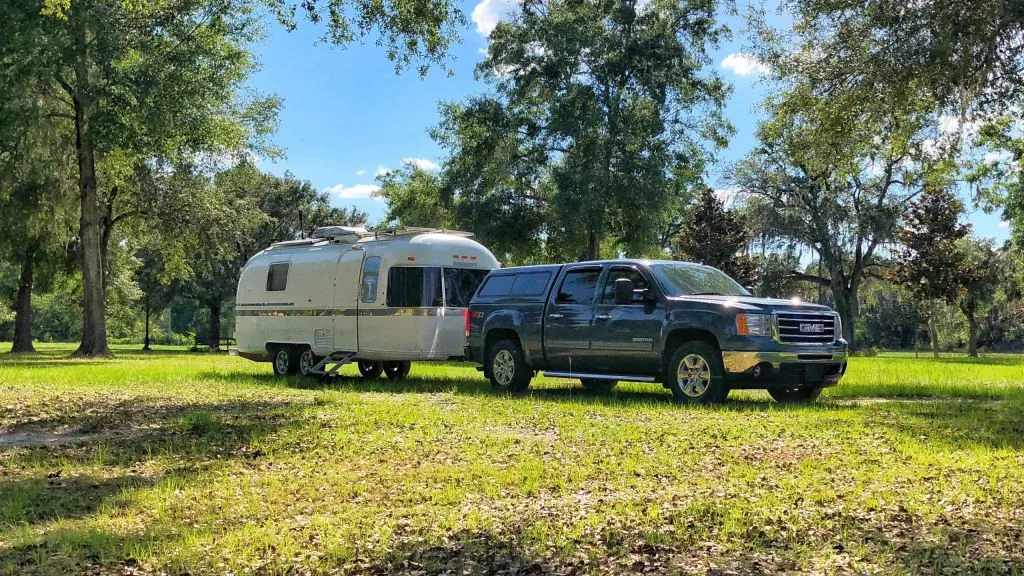
We use a SurgeGaurd protector that acts as an intermediary between our Airstream and the RV park electric. It saves us from surges and makes sure the power we’re receiving is clean and has proper strength.
SurgeGaurd (and many other similar protectors) have 30amp & 50amp options.
Don’t Drain Your RV Batteries to Zero (Unless They’re Lithium)
In our first RV, we used lead-acid AGM batteries. On our first boondocking trip, we drained those batteries to 20%. This was before we knew about proper battery protection.
Those batteries took a beating. Consequently, they severely underperformed after one year of use.
After two years, those lead-acid batteries were useless.
To ensure a long life for your AGM batteries, you shouldn’t drain them below 50%.
Now, we use Battle-Born Lithium Batteries. Lithium technology allows drainage down to virtually 0% (depending on the BMS). We regularly take our lithiums down to 15% and haven’t noticed any performance issues.

Be Aware of Your Energy Drains
Whether your camping off-grid or at an RV park, it’s essential to know your energy drains.
Which appliances are pulling the most power?
Knowing this can prevent depleting your battery bank when camping off-grid, and it can also prevent tripping a breaker at RV parks.
Residential fridges, electric water heaters, coffee makers, power tools, and your beloved air conditioner will use a lot of power.
Learn how much. Research if any of those appliances share a breaker.
Locate Your Ground Before Traveling
Your RV electrical system is grounded to the frame (possibly in multiple spots). This ground can make or break your entire system.
While a ground issue is unlikely, the whole system can go down if it does. Additionally, the location of the grounding wire may be exposed to the elements.
Again, grounding issues aren’t the most common, but educate yourself on its location.

Don’t Leave Home Without Spare Fuses
Most RV DC systems use fuses for protection. If the electrical path experiences an excess energy flow, the fuse will blow, and the line will lose power.
Fuses come in a wide variety of amps. We travel with a box of fuses we bought on Amazon, and it has been a lifesaver. You can get these fuse bundles at Walmart, too.
It’s not that we blow fuses often, but as we discussed earlier, when using too many high-demand energy appliances at one time, a fuse can likely blow.
Having fuses on hand will save you a trip to the store in the future.
We’ll Help You Find the Best Free Camping in the USA
You should give it a try!
As a matter of fact, these free campsites are yours to enjoy. Every time you pay federal taxes, you’re contributing to these lands.
Become a FREE CAMPING INSIDER and join the 100,000 campers who love to score the best site!
We’ll send you the 50 Best Free Campsites in the USA (one per state). Access the list by submitting your email below:
Read even though I’ve been doing this longer than you’ve been alive. Only mistake is that modern residential refrigerators use very little power, often no more than 2 amps to run the compressor. That’s why some people who can afford big battery banks of lithium batteries use compressor refrigerators instead of the more common 3 way running on propane when boondocking.
It appears you don’t do much free camping yourself nowadays with staying at RV resorts.
Almost had a fire just days ago. Walked into my motorhome to the smell of burning electrical. The breaker box was so hot I couldn’t touch it. Immediately turned everything off even though we were in 102 weather. got a mobile RV repair to come out that day. The breaker box is UNDER OUR BED along with all other electronics and the wires had come loose on the neutral bus bar and was shorting causing it to heat up. The wires connected to it had all fried and were close to igniting. Nothing I could have really done to prevent it but scary situation.
One more “Never Do”. Never use household connectors (i.e. wire nuts) when doing electrical wiring on an RV. They will shake and vibrate loose over time. Always use crimp able and better yet solder splices.