So, you’ve decided to embrace the open road, trading in your stationary home for the thrilling uncertainties of RV life. Congratulations! You’re about to join a community of wanderers who believe that a permanent address is more of a suggestion than a necessity.
But before you hitch up and head out, let’s talk about the myriad ways you can turn your dream trip into a comedy of errors.
As seasoned RV enthusiasts who’ve learned many lessons the hard way (you’re welcome), we’ve compiled a list of the 21 worst mistakes that newbies often make.
Consider this your guide to avoiding the pitfalls that can turn your adventure into a roadside soap opera.
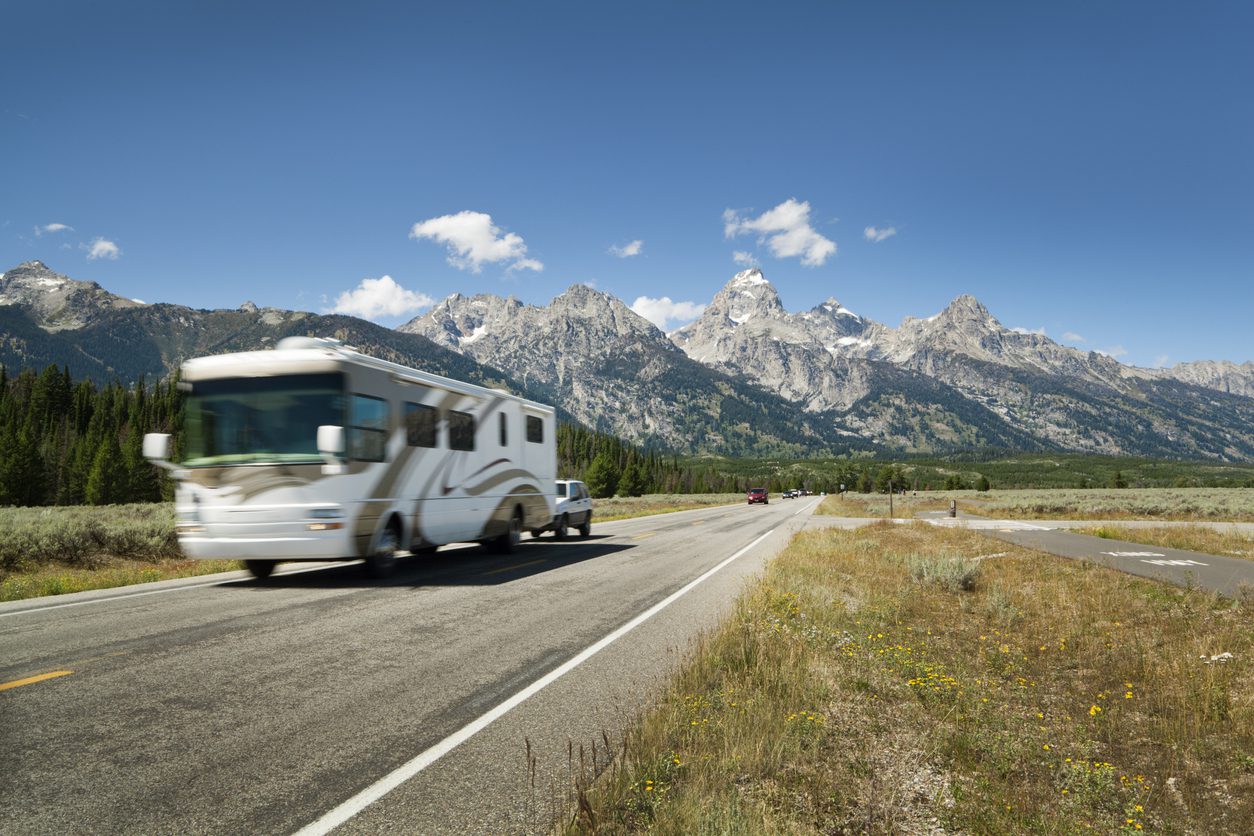
1. Ignoring Weight Limits: Your RV Isn’t a Clown Car
The Mistake:
Overloading your RV with every conceivable comfort from home—cast-iron cookware, a library of hardcover books, and perhaps even that treadmill you’ve been meaning to use.
Why It’s a Problem:
Exceeding your RV’s Gross Vehicle Weight Rating (GVWR) isn’t just bad for fuel economy; it’s a safety hazard. Overloading can strain your engine, damage your suspension, and make braking about as effective as a paper umbrella in a hurricane.
Our Experience:
On our first long-haul trip, we packed as if we were moving permanently—even though we planned to be on the road for just a month. We brought along our full set of kitchen gadgets, including an espresso machine and a bread maker (because fresh bread on the go sounded delightful).
Halfway through the Rockies, we noticed the RV struggling on inclines and the brakes feeling a tad spongy on declines. A friendly trucker at a rest stop pointed out that our rear end looked a bit low—turns out, we were overloaded by several hundred pounds. Lesson learned: Just because it fits doesn’t mean you should bring it.
Our Advice:
Before you pack, check your RV’s GVWR and actually weigh your stuff. Prioritize essentials and remember that less is often more when you’re living on wheels. Trust us, you won’t miss that third set of mixing bowls.
PRO TIP: We Didn’t Use an RV Weight Distribution Hitch…It Was a Mistake
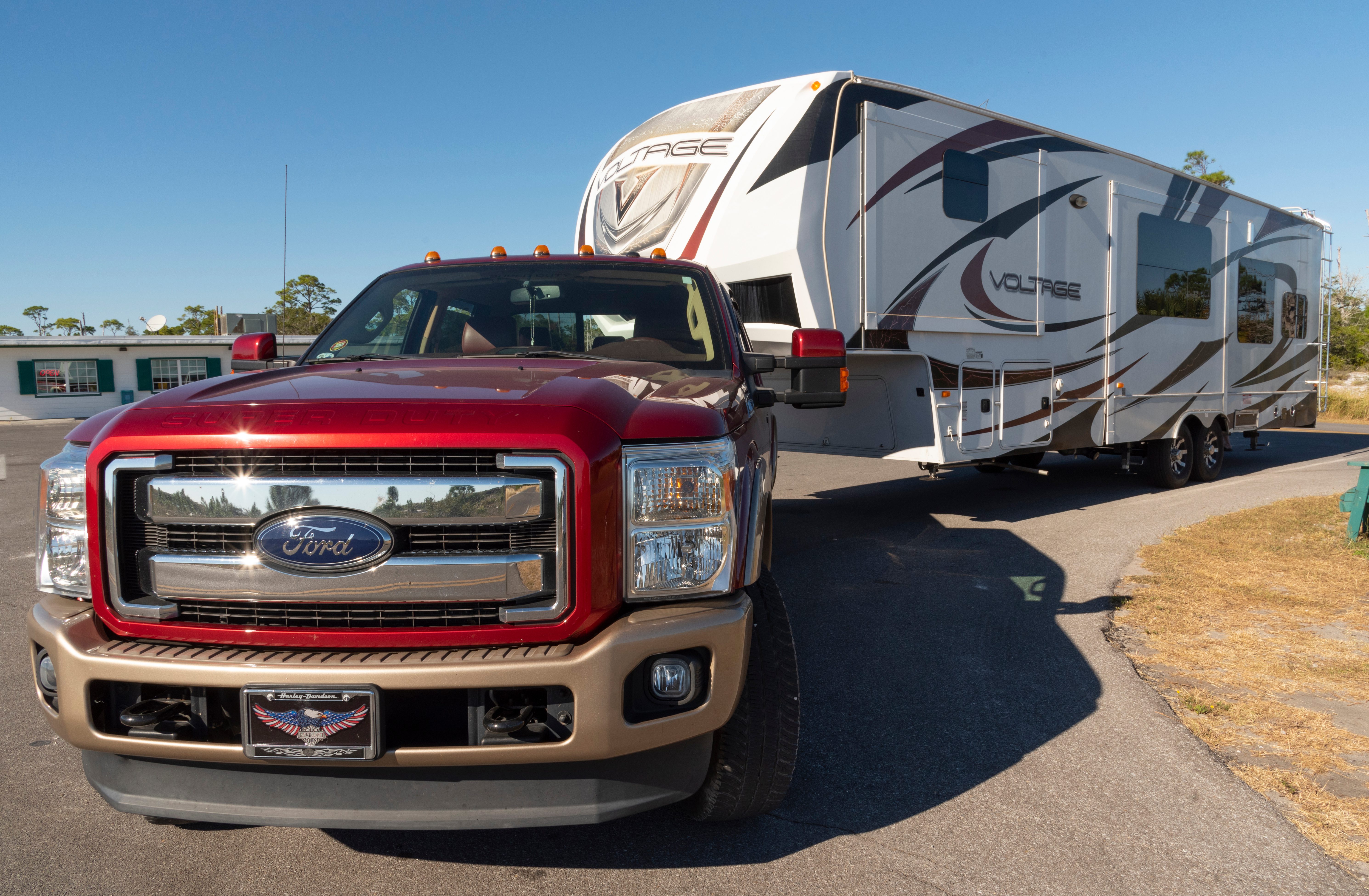
2. Forgetting to Check the Weather: Nature Doesn’t Care About Your Itinerary
The Mistake:
Setting off without so much as a glance at the weather forecast, only to encounter snow in May or a heatwave that turns your RV into a mobile sauna.
Why It’s a Problem:
Extreme weather can make driving hazardous and camping uncomfortable, if not downright dangerous. Ignoring forecasts can lead to being stranded or forced to take detours that make your GPS recalculate into a nervous breakdown.
Our Experience:
We once decided to head to the desert in early spring, expecting mild temperatures and blooming wildflowers. What we didn’t expect was a freak snowstorm that turned our desert oasis into a winter wonderland.
Our RV wasn’t winterized, and we spent a frigid night huddled under every blanket we had, regretting not bringing those extra quilts we left behind to save weight (see Mistake #1). The roads were icy, and we had to wait an extra day before it was safe to drive again.
Our Advice:
Always check the weather forecast for your route and destination before setting off. Apps are free, and a little planning can save you from unpleasant surprises. Pack for unexpected weather changes—layers are your friend.

3. Not Practicing Driving Before Hitting the Road: This Isn’t a Compact Car
The Mistake:
Assuming that driving a 30-foot RV is just like driving a sedan, only bigger.
Why It’s a Problem:
RVs handle differently—they’re heavier, longer, and have wider turning radii. Without practice, you’re a hazard to yourself, your passengers, and anyone unfortunate enough to share the road with you.
Our Experience:
On our maiden voyage, we pulled out of the dealership lot with confidence and promptly grazed a curb, narrowly missing a fire hydrant. Later that day, navigating a tight gas station proved to be an exercise in humility as we managed to block two pumps and received a chorus of honks from impatient drivers.
Backing into our first campsite? Let’s just say it attracted an audience of amused fellow campers offering unsolicited advice.
Our Advice:
Before embarking on a long trip, spend time in a safe, open area learning how your RV accelerates, turns, and stops. Practice parking, backing up, and using your mirrors. Consider taking an RV driving course—they exist, and they’re worth it.
PRO TIP: Towable vs. Drivable RV: Everything You Need to Know
4. Neglecting to Secure Items Inside: Gravity Is a Harsh Mistress
The Mistake:
Leaving items unsecured inside the RV, turning your home-on-wheels into a rolling piñata.
Why It’s a Problem:
Sudden stops or sharp turns can send unsecured items flying, causing damage or injury. Your favorite mug can become a projectile, and that spice rack can turn into a confetti cannon.
Our Experience:
We thought we had secured everything before hitting a particularly winding stretch of road. Halfway through a sharp curve, we heard a crash from the kitchen area. Pulling over, we discovered that our cupboard had opened, as did the fridge, a whole pot of soup was on the floor. Cleaning up broken glass and mopping up bean soup in a cramped space is about as fun as it sounds.
Our Advice:
Use cabinet locks, non-slip liners, and bungee cords to secure items. Place heavy items low and towards the center of the RV to maintain balance. Before moving, do a final walk-through to ensure everything is in its place.

5. Miscalculating Fuel Needs: The Road Less Traveled Often Lacks Gas Stations
The Mistake:
Assuming gas stations are as common in rural areas as they are in cities and not planning your fuel stops accordingly.
Why It’s a Problem:
RVs consume fuel at an alarming rate. Running out of gas in the middle of nowhere isn’t just inconvenient; it’s potentially dangerous.
Our Experience:
While exploring a “scenic byway” in Nevada, we ignored the “Last Gas Station for 100 Miles” sign, thinking it was more of a suggestion. As the fuel gauge dipped precariously low, panic set in. Coasting into the next town on fumes, we learned that pushing a 10,000-pounds worth of RV isn’t an option.
Our Advice:
Know your RV’s fuel range and plan your stops, especially when traveling through remote areas. Use apps to locate gas stations along your route, and don’t push your luck by trying to reach the next station when you’re running low.
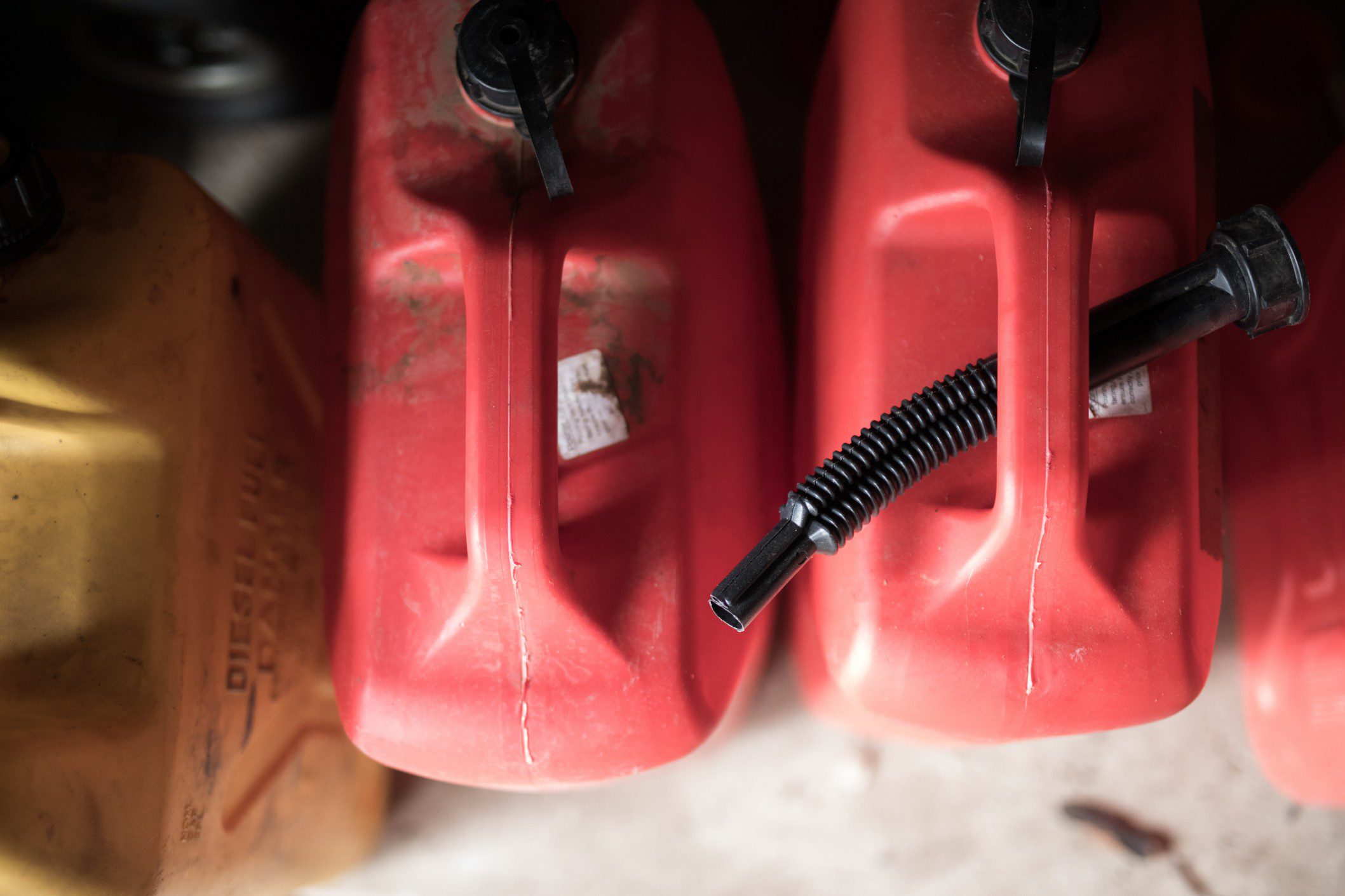
Travel with a full gas container safely secured.
6. Overlooking Height Restrictions: Not All Roads Lead to Rome—or Fit Your RV
The Mistake:
Ignoring your RV’s height and colliding with low bridges, drive-thrus, or tree branches.
Why It’s a Problem:
Collisions with overhead obstacles can cause significant damage to your RV’s roof, air conditioners, or satellite dishes. Plus, it’s a surefire way to ruin both your day and your bank account.
Our Experience:
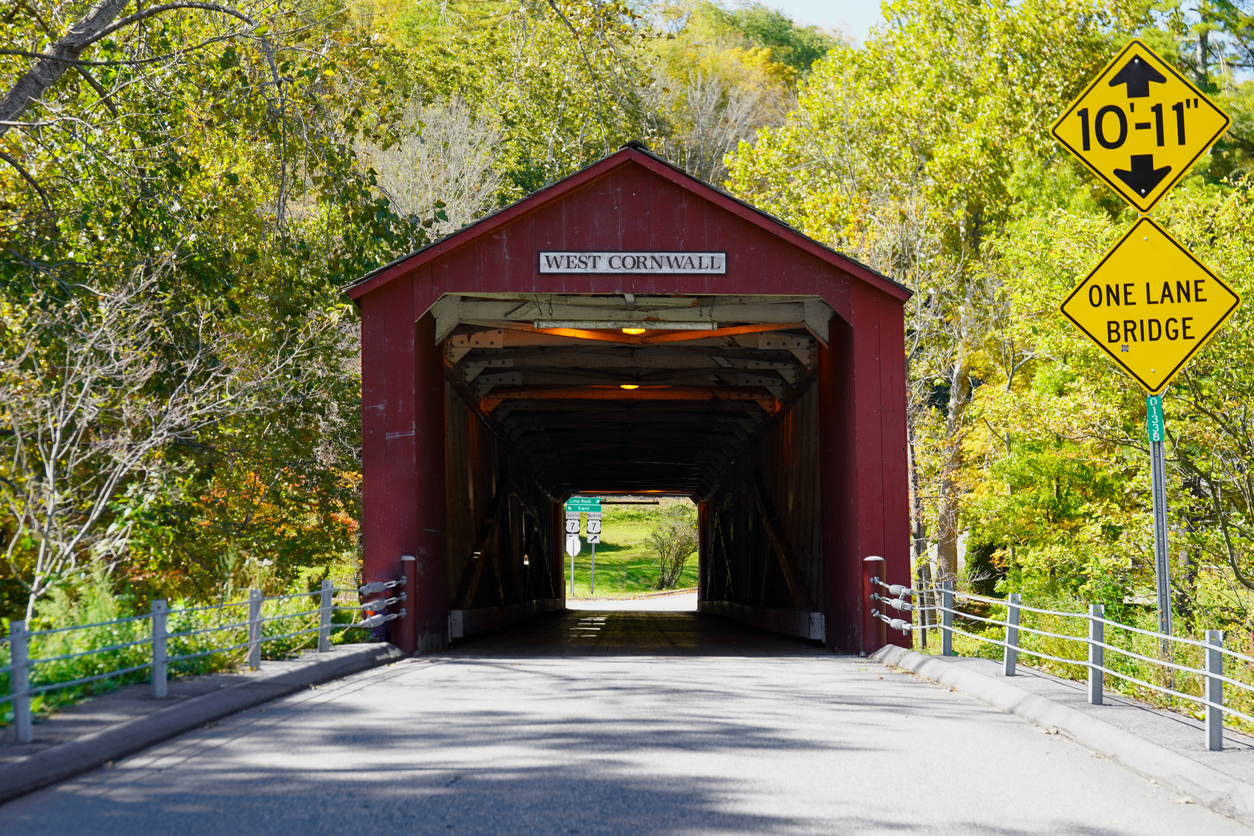
Driving through a quaint small town, we encountered a picturesque covered bridge with a sign indicating a clearance suspiciously close to our RV’s height. Deciding to chance it was almost a mistake—we didn’t scrape the top of the RV, but we still ducked our heads the whole way through.
Our Advice:
Know your RV’s exact height, including rooftop accessories, and post it prominently on your dashboard. Use RV-specific GPS systems or apps that account for height restrictions to plan your route.
7. Skipping the Pre-Trip Inspection: Hope Is Not a Maintenance Plan
The Mistake:
Hitting the road without checking tire pressure, fluid levels, lights, and other essential components.
Why It’s a Problem:
Mechanical failures can lead to accidents or breakdowns, turning your vacation into an unplanned stay at the nearest repair shop.
Our Experience:
We once skipped the pre-trip inspection in our eagerness to get on the road. Then boom, we drove completely over our wheel chocks and they exploded into a hundred pieces.
Our Advice:
Perform a thorough inspection before each trip. Walk around the whole RV with a paper checklist because that mental checklist might be faded.
8. Not Knowing Your RV’s Electrical Capacity: Overloads Aren’t Electrifying
The Mistake:
Plugging in every appliance simultaneously and tripping breakers or, worse, damaging your RV’s electrical system.
Why It’s a Problem:
Electrical issues can be costly to fix and may pose fire hazards. Overloading circuits can damage appliances and the RV’s wiring.
Our Experience:
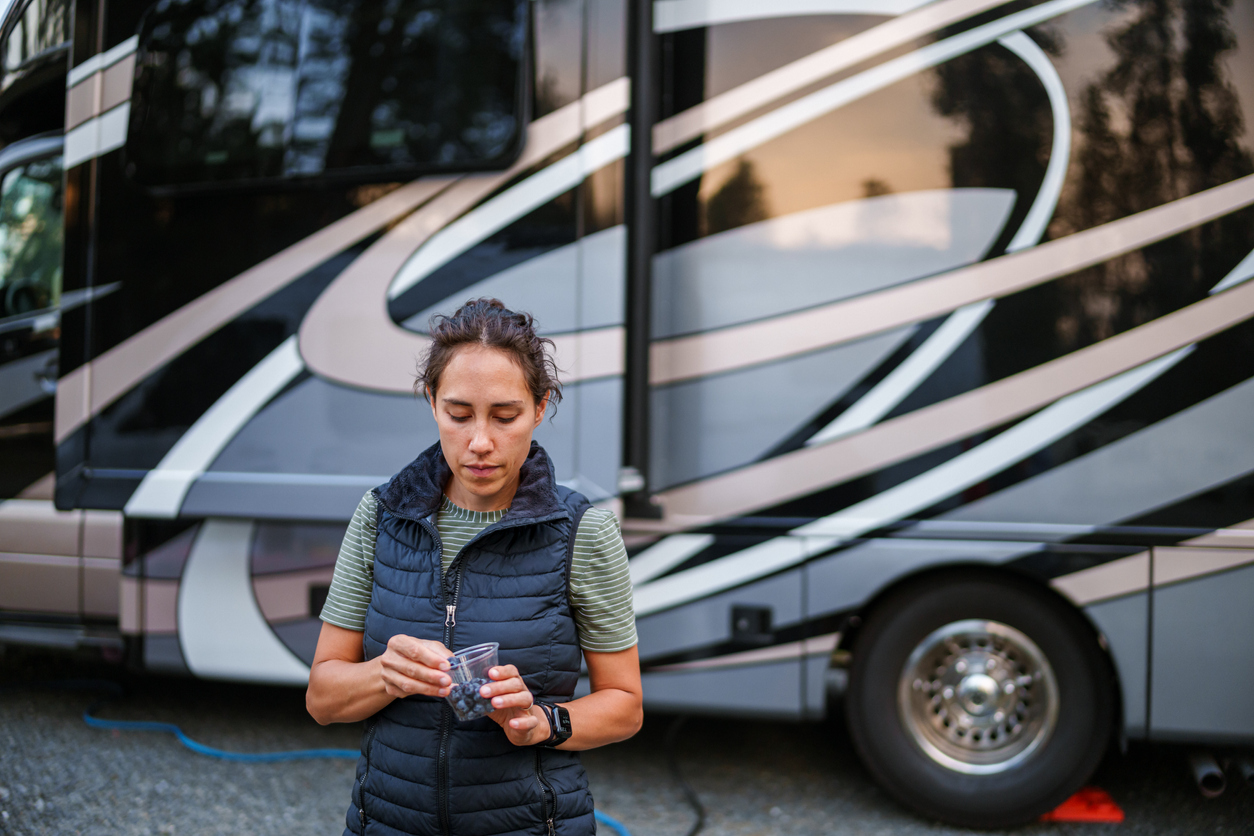
One evening, we had the electric heater running, coffee brewing, and decided to microwave some popcorn while watching TV. Suddenly, everything went dark. We had tripped the main breaker, plunging us into darkness and confusion. Resetting it was straightforward, but we realized we needed to be mindful of our power usage.
Our Advice:
Learn the amperage limits of your RV’s electrical system and manage your power usage accordingly. Use one high-wattage appliance at a time when possible, and consider upgrading your electrical system if necessary.
PRO TIP: RV Electrical Safety: 5 Mistakes You Should Never Make

9. Improperly Dumping Waste Tanks: A Messy Misadventure
The Mistake:
Failing to understand how to empty black and gray water tanks correctly, leading to spills, odors, or worse.
Why It’s a Problem:
Mishandling waste disposal isn’t just unpleasant; it’s unsanitary and can result in environmental hazards, fines, or getting you banned from campgrounds.
Our Experience:
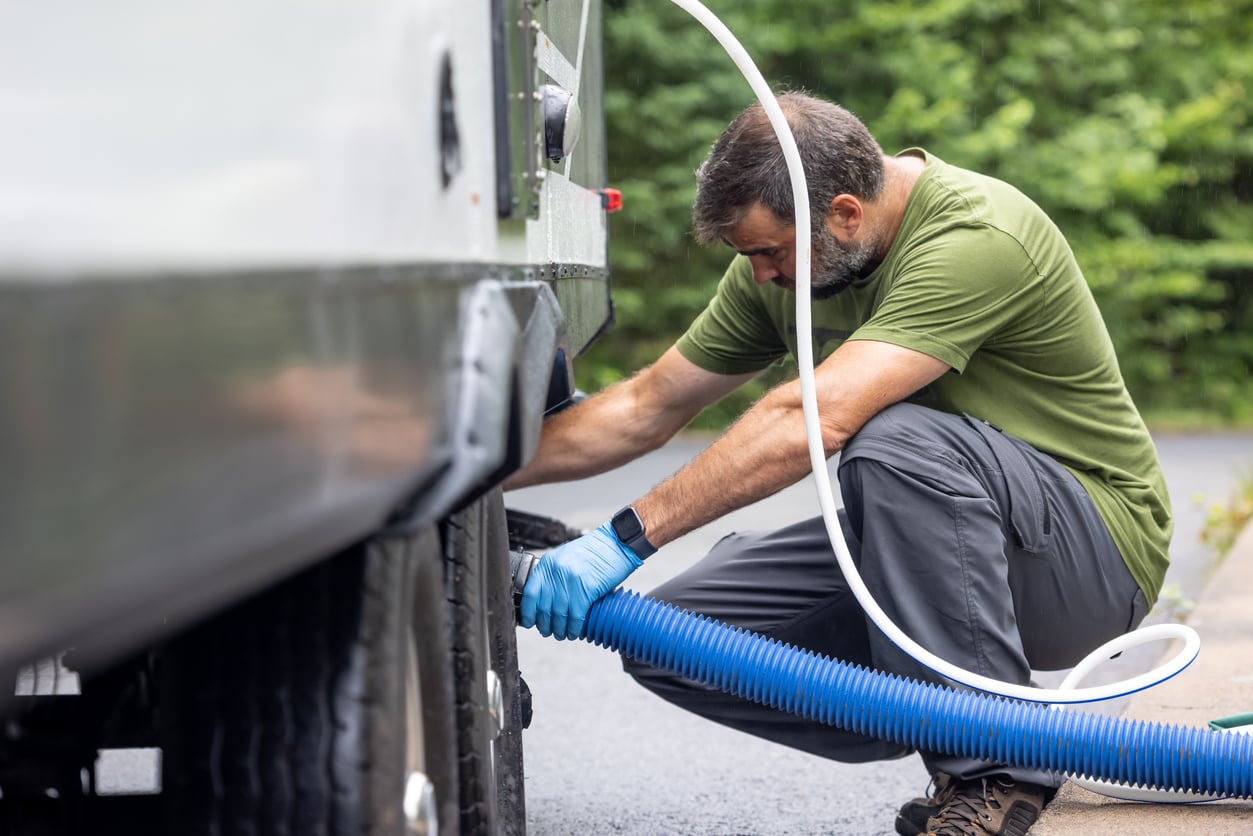
During our first attempt at emptying the waste tanks, we didn’t secure the hose properly. As a result, the hose disconnected mid-dump, and we had a biohazard on our hands (and shoes). Cleaning up that mess while gagging is a memory etched in our minds.
Our Advice:
Familiarize yourself with your RV’s waste disposal system. Wear gloves, use proper hoses and fittings, and ensure everything is securely connected before opening the valves. Practice makes perfect—or at least prevents disasters.
PRO TIP: How to Dump Your RV Black Tank: A Comprehensive Guide
10. Ignoring Campground Etiquette: Community Living Requires Consideration
The Mistake:
Being loud, leaving trash, letting pets roam free, or otherwise disrupting the peaceful enjoyment of others.
Why It’s a Problem:
Campgrounds are shared spaces. Ignoring etiquette can lead to complaints, confrontations, or being asked to leave.
Our Experience:
We once camped next to a group who thought the entire campground wanted to hear their late-night guitar strumming session. The lack of sleep and frayed nerves almost led to a confrontation. Conversely, we learned that even inadvertently leaving our porch light on all night annoyed our neighbors who were stargazing.
Our Advice:
Be mindful of quiet hours, clean up after yourself and your pets, and respect the space and experience of others. A little courtesy goes a long way in maintaining a pleasant atmosphere.
PRO TIP: Famous RV Park Owners Point Out Bad Etiquette of Guests

11. Not Leveling Your RV: Living on a Slant Isn’t Fun
The Mistake:
Skipping the leveling process and enduring slanted floors, doors that won’t stay open or closed, and appliances that don’t function properly.
Why It’s a Problem:
An unlevel RV can cause discomfort, interfere with appliance operation (like absorption refrigerators), and lead to uneven wear on the vehicle.
Our Experience:
Even if you’re at an overnight parking spot, its good to keep your RV level. It can be disorienting when you wake up in your sideways house. We’ve done it more than once.
Our Advice:
Invest in leveling blocks or a leveling system. Use a bubble level to ensure your RV is even. Your sleep quality and appliance efficiency will thank you.

12. Underestimating Parking Challenges: Size Matters
The Mistake:
Assuming you can park your RV anywhere you can park a car.
Why It’s a Problem:
RVs require more space to maneuver. Getting stuck in a tight spot can lead to property damage, stressful situations, or expensive towing services.
Our Experience:
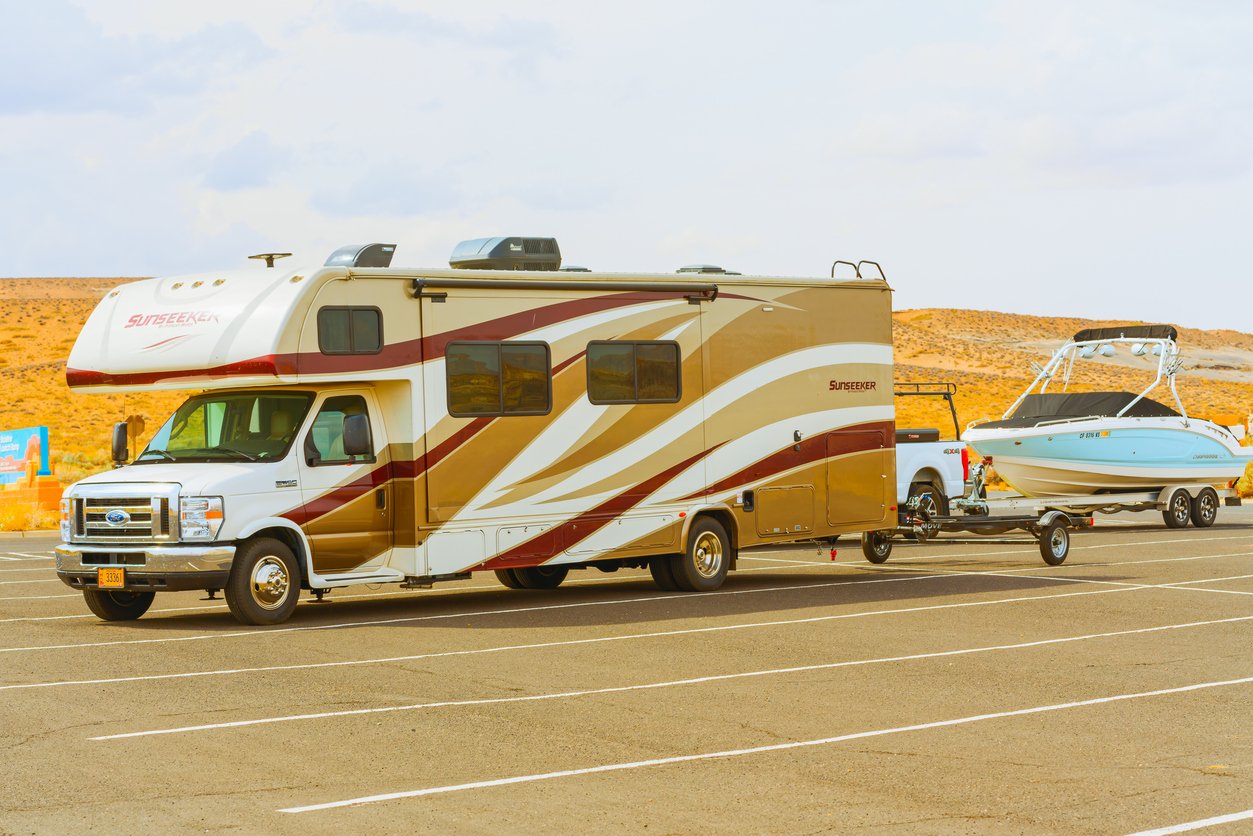
In search of a quick lunch, we pulled into a fast-food parking lot that seemed spacious enough. But, once everyone else arrived for lunch our RV was stuck in between parked cars. We had to wait about 30 minutes before trying to get out.
Our Advice:
Plan your stops and choose locations that can accommodate larger vehicles. Look for RV-friendly businesses or park in larger lots and walk a bit farther if necessary.
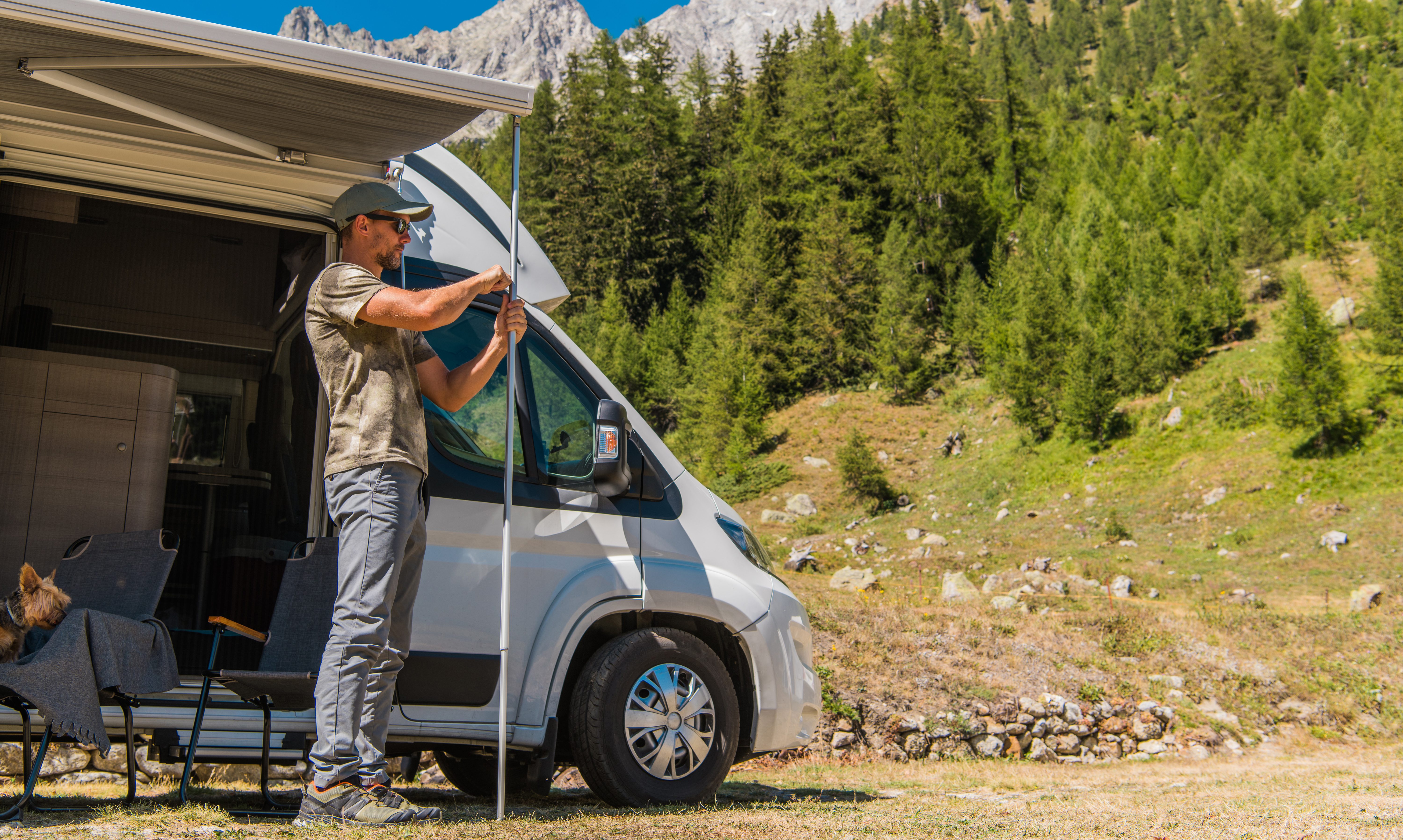
13. Neglecting to Extend Steps and Awnings Properly: Mind the Gap
The Mistake:
Forgetting to fully extend or retract steps and awnings, leading to damage or injury.
Why It’s a Problem:
Steps left partially extended can break or cause tripping hazards. Awnings not secured can be damaged by wind or rain, leading to costly repairs.
Our Experience:
We once left the awning out during a calm evening, only to be awakened by strong winds tearing it apart. Not fun.
Our Advice:
Include steps and awnings in your setup and breakdown checklists. Retract awnings when not in use or when leaving the RV unattended. Always ensure steps are fully extended and locked into place.
14. Failing to Secure the Load: External Storage Isn’t Set It and Forget It
The Mistake:
Not securing items in exterior compartments or roof storage, resulting in lost or damaged goods.
Why It’s a Problem:
Items can fall out or become projectiles while driving, posing safety risks to others and leading to loss of your belongings.
Our Experience:
After a long drive, we discovered that one of our exterior compartments had popped open, and our portable grill was nowhere to be found. We retraced our route but never recovered it, likely to the dismay of someone driving behind us.
Our Advice:
Regularly check that all exterior compartments are closed and locked. Use appropriate tie-downs and storage solutions for roof cargo. A quick walk-around before departure can prevent losses.
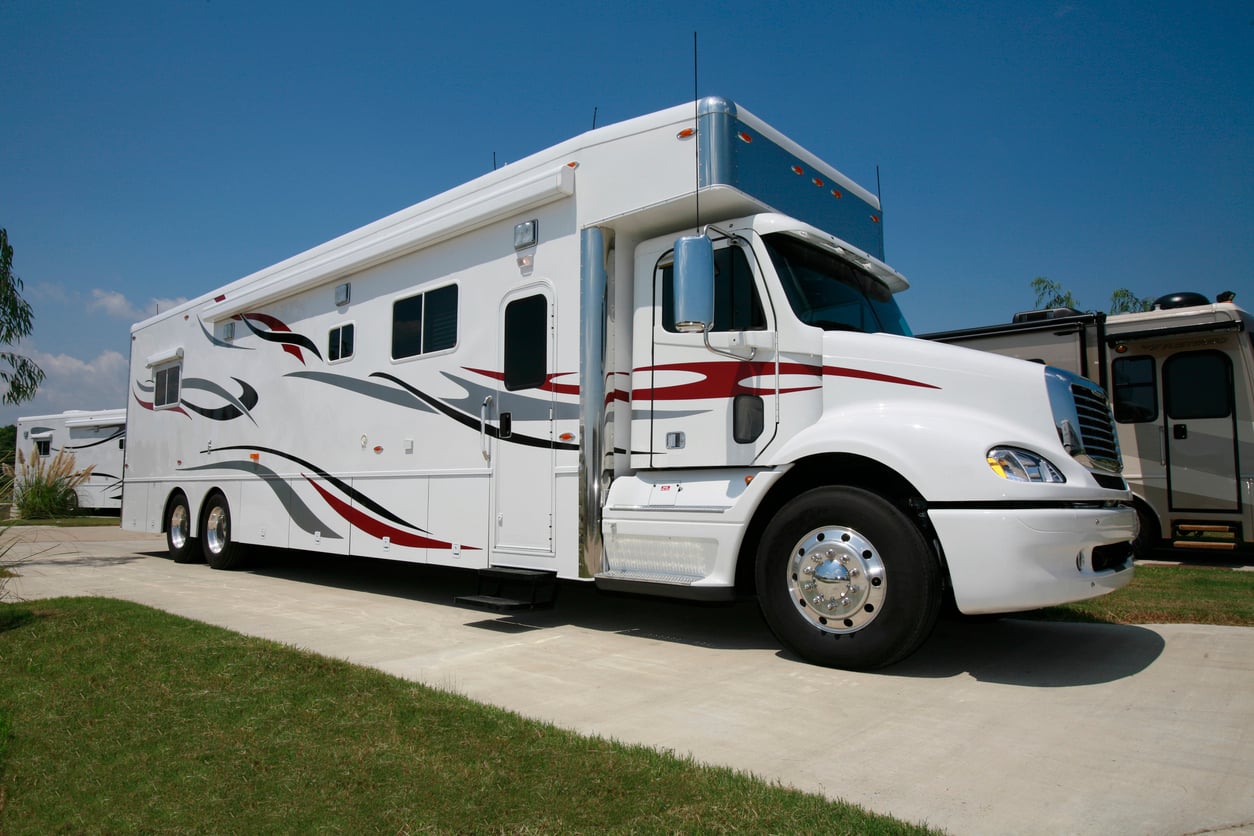
15. Ignoring Local Regulations: The Law Applies Even on Vacation
The Mistake:
Parking or camping in prohibited areas, ignoring fire bans, or disregarding local laws and regulations.
Why It’s a Problem:
Violating local laws can result in fines, legal trouble, or being asked to move in the middle of the night.
Our Experience:
We once parked overnight in what we thought was an acceptable spot, only to be awakened by a law enforcement officer informing us that overnight parking was prohibited. A warning saved us from a fine, but the interruption and hassle were unpleasant.
Our Advice:
Research local laws and campground rules. When in doubt, ask authorities or opt for established campgrounds. Respect fire bans and other regulations for your safety and that of others.
PRO TIP: FREE CAMPING: The 21 Best Free Campsites in America

16. Overreliance on GPS: Technology Isn’t Infallible
The Mistake:
Blindly following GPS directions without considering RV-specific routes, leading you down unsuitable roads.
Why It’s a Problem:
Regular GPS units may not account for vehicle size restrictions, leading to tight squeezes, low bridges, or roads unsuitable for large vehicles.
Our Experience:
Our standard GPS once directed us onto a narrow, unpaved road at a state park. With no room to turn around, we had to stay the course and wish for the best. A few miles down we were finally on a paved road and at the rear of the state park (it was supposed to be used as a service road only). But, we finally made our way to the main gate and checked in.
Our Advice:
Use an RV-specific GPS or navigation apps designed for larger vehicles. Always cross-reference routes, especially when traveling in unfamiliar or rural areas.
PRO TP: RV GPS Routers: Decent, Better & Best

17. Not Carrying Essential Tools and Spares: Be Your Own Handyperson
The Mistake:
Hitting the road without basic tools or spare parts like fuses, bulbs, hoses, or a tire repair kit.
Why It’s a Problem:
Minor issues can escalate if you’re unprepared, leading to delays, additional expenses, or being stranded.
Our Experience:
A blown fuse once knocked out our interior lights. Without a spare fuse or tools, we had to wait until the next day to find a hardware store, spending the night in the dark. It wasn’t the end of the world, but it was inconvenient.
Fuses are so cheap and essential to travel with.
Our Advice:
Assemble a toolkit with essentials: screwdrivers, pliers, wrenches, duct tape, and spare parts like fuses and bulbs. Being prepared can turn potential trip-ruiners into minor hiccups.

18. Skipping Insurance or Roadside Assistance: Don’t Gamble with Your Peace of Mind
The Mistake:
Opting out of comprehensive insurance or skipping roadside assistance to save money.
Why It’s a Problem:
Accidents happen. Without proper coverage, you could face enormous expenses or be stranded in an inconvenient or unsafe location.
Our Experience:
We once had a mechanical breakdown in a remote area. Thanks to our roadside assistance plan, help arrived within a couple of hours. Without it, we might have been stuck overnight or faced exorbitant towing fees.
Our Advice:
Invest in good RV insurance and a reputable roadside assistance plan that covers RVs. It’s an investment in peace of mind and can save you significant stress and money in the long run.
PRO TIP: Understanding RV Insurance: Costs, Legalities, and Denial Reasons

19. Not Testing Equipment Before Departure: Discovering Issues the Hard Way
The Mistake:
Assuming all systems are functional without testing them, leading to unpleasant surprises on the road.
Why It’s a Problem:
Discovering that critical systems like your heater, water pump, or fridge aren’t working can disrupt your trip and require costly emergency repairs.
Our Experience:
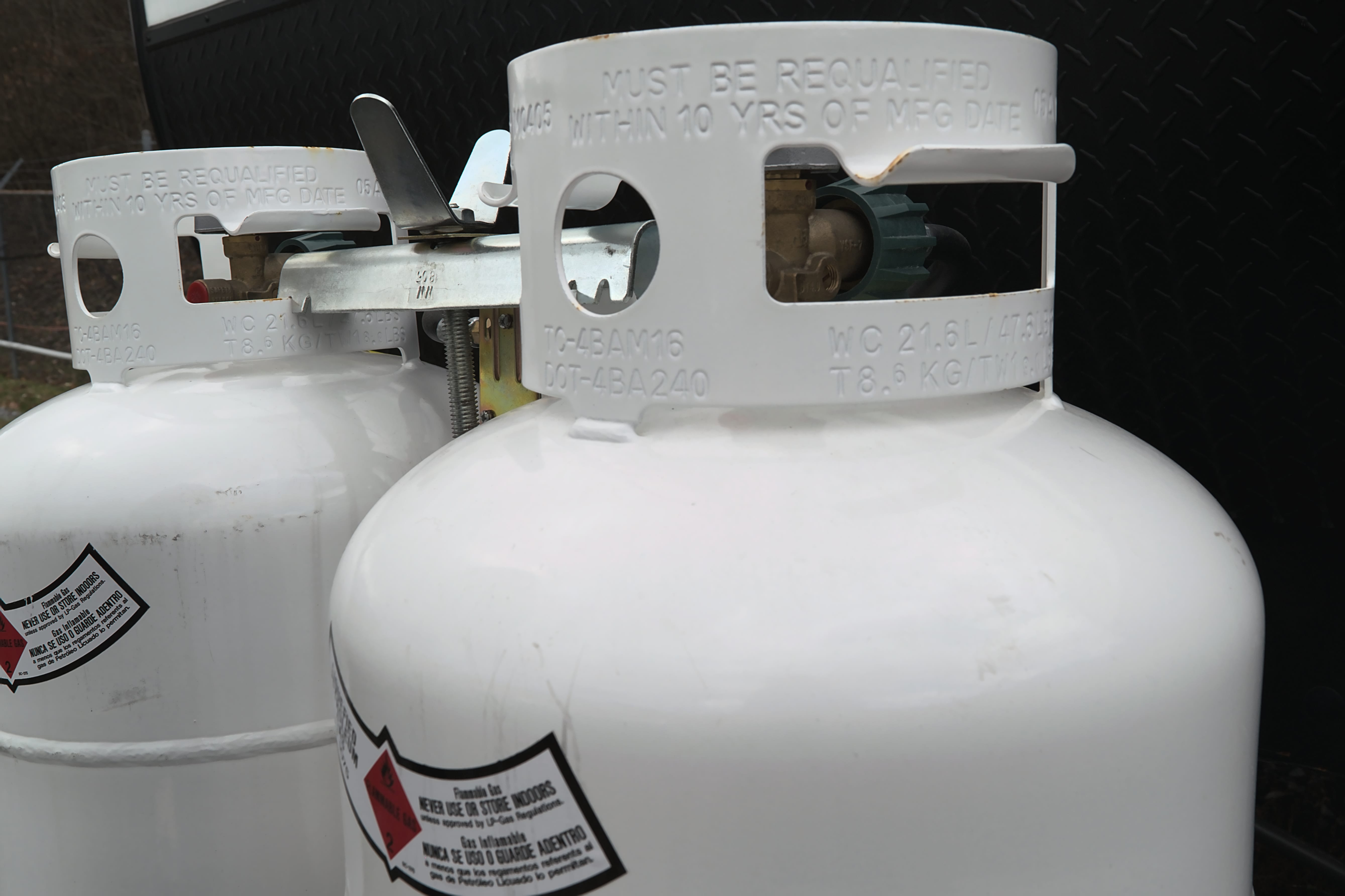
On a chilly trip, we found out the hard way that our furnace wasn’t working. After a night of shivering and layering clothes, we realized we should have tested it before leaving. Well…it turns out our propane was empty.
Our Advice:
Before each trip, test all major systems: heating and cooling, plumbing, electrical, and appliances. Address any issues proactively to avoid discomfort and inconvenience. And, check your propane level.
PRO TIP: How To Easily Check Your RV Propane Level
20. Poor Route Planning: Winging It Can Lead to Dead Ends
The Mistake:
Leaving without a clear plan, leading to inefficient routes, missed attractions, or closed roads.
Why It’s a Problem:
Wasted time and fuel can add stress and cost to your trip. Some roads may be unsuitable for RVs, and you might miss out on points of interest.
Our Experience:
We once decided to “go with the flow” and ended up on a scenic but narrow and winding road barely suitable for our RV. The detour added several hours to our journey and frayed our nerves.
Our Advice:
While spontaneity has its charm, having a basic route plan helps ensure a smoother trip. Use RV-friendly maps and consider campground reservations during peak seasons.

21. Underestimating Setup and Breakdown Time: Patience Is a Virtue
The Mistake:
Thinking you can set up or pack up in minutes, leading to rushed jobs and forgotten steps.
Why It’s a Problem:
Haste can result in mistakes like leaving items behind, not securing the RV properly, or damaging equipment.
Our Experience:
In a rush to beat traffic, we hurried through our breakdown routine. An hour into the drive, we realized we had left our leveling blocks at the campsite and hadn’t fully retracted the cell booster. Fortunately, no damage occurred, but it was a wake-up call.
Our Advice:
Allocate sufficient time for setup and takedown. Use checklists to ensure all tasks are completed. Rushing increases the likelihood of mistakes that can cost you time and money.
Final Thoughts: Embrace the Journey, Learn from the Mistakes
Embarking on your RV adventure is exhilarating, but it’s not without its challenges. Mistakes are part of learning, but some can be costly, dangerous, or just plain annoying. By being aware of these common pitfalls, you can avoid turning your dream trip into a series of unfortunate events.
Our time on the road has taught us that preparation and mindfulness go a long way. Embrace the unexpected, but control what you can. After all, the goal is to create memories worth cherishing, not cringing over.
We’ll Help You Find the Best Free Camping in the USA
You should give it a try!
As a matter of fact, these free campsites are yours to enjoy. Every time you pay federal taxes, you’re contributing to these lands.
Become a FREE CAMPING INSIDER and join the 100,000 campers who love to score the best site!
We’ll send you the 50 Best Free Campsites in the USA (one per state). Access the list by submitting your email below: