Alright, fellow RVers, let’s get real. Hitting the open road in your RV is a blast, but it’s not all sunshine and scenic views.
Sometimes, things can get dicey.
Here’s why packing some self-protection gear isn’t just smart – it’s essential.
Why RV Self-Protection is Important
So far, over the 30 days, an RVer was killed at a reststop, an RV park murder-suicide happened, an RVer ran over another man in his RV, and there was a violent shootout at Yellowstone National Park.
We’d say the summer heat, social tensions, and the overcrowded state of RVing are all leading to these dangerous occurrences.
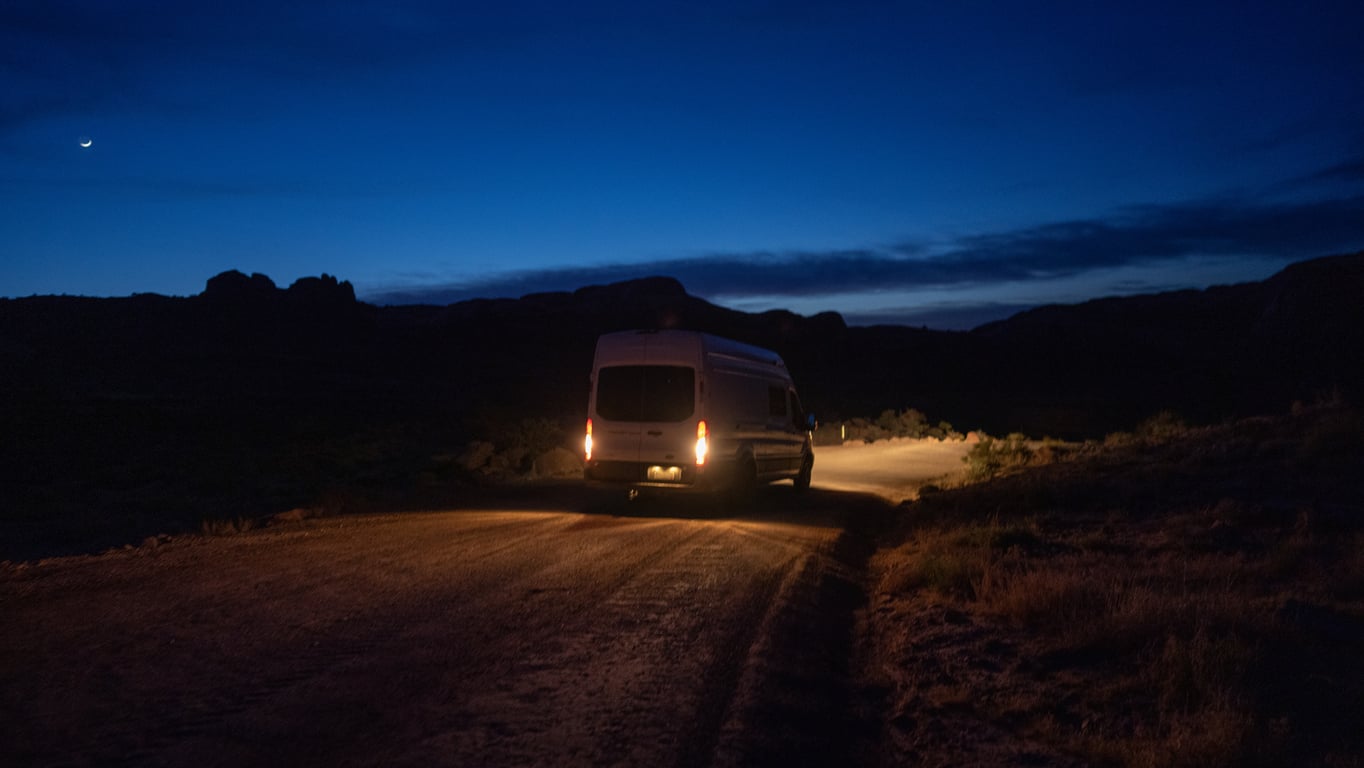
1. Remote Spots and No Help in Sight: When you’re boondocking in the middle of nowhere, help might be miles away. Whether it’s a creepy animal encounter or a not-so-friendly human, having something for self-defense can be a lifesaver until help arrives.
2. Sketchy Overnight Stops: Not every rest stop is as cozy as it looks. Some places can get shady after dark. Having some protection ensures you can sleep soundly, knowing you’ve got your back covered.
3. Different States, Different Safety Levels: Crossing state lines means different vibes and safety concerns. What’s chill in one place might be sketchy in another. Being prepared means you can handle whatever comes your way.
4. Just Having It Can Scare Off Bad Guys: Sometimes, the best offense is a good defense. Just knowing you’re prepared can keep trouble at bay. Criminals often think twice if they know you’re not an easy target.
5. Wild Animals Don’t Care About Your Plans: In the wild, it’s not just people you need to worry about. Bears, coyotes, and other critters don’t mind checking out your campsite. Bear spray or other deterrents can keep your adventures safe and sound.
Now, let’s dive into what you can legally carry to keep yourself protected. Remember, laws can be tricky and vary from place to place, so always check local rules before you pack.
Types of RV Self-Protection
Firearms
Handguns:
- Concealed Carry Permits: Most states require a permit to carry a concealed handgun. The rules can be all over the place, so know before you go.
- Open Carry: Some places let you carry openly without a permit, but this isn’t common and can lead to awkward encounters. Check local laws to be sure.
Long Guns (Rifles and Shotguns):
- Transport Rules: Usually, long guns need to be unloaded and locked up while you’re on the move. Some states have specific do’s and don’ts about where and how they should be stored.
Non-Lethal Weapons
- Generally good to go everywhere, but some states have rules about canister size and spray strength. It’s easy to use and effective, making it a top pick for personal defense.
- Legal in most spots, but a few states like Hawaii, Massachusetts, and New York have restrictions. Always double-check before you pack these.
- Knife laws are a mixed bag. Blade length, type (like switchblades or butterfly knives), and whether it’s fixed or folding can all affect legality. Know the local knife rules to stay sharp.
Other Handy RV Self-Protection
- Think of it as pepper spray on steroids, designed to scare off big critters. If you’re camping in bear country, this is a must-have.
- Things like collapsible batons or even a trusty baseball bat can be legal but might have restrictions if seen as a concealed weapon. Better safe than sorry – check local laws.
- These little gadgets scream louder than a rock concert, deterring attackers and grabbing attention. They’re legal everywhere and easy to carry.
Pro Tips for Staying Safe
- Do Your Homework: Always research local laws before you hit the road. Sites like the NRA-ILA are super helpful for the latest info.
- Secure Your Gear: Keep your weapons locked and unloaded, especially when crossing state lines. Ammo and weapons should be stored separately.
- Get Trained: Know how to use your self-defense tools. Improper use can get you into trouble or even hurt you.
- Carry Your Permits: Have all your paperwork handy and make sure it’s valid wherever you travel.
Stay informed, stay prepared, and enjoy your RV adventures without worry.
Remember, always check local laws before carrying any weapons across state and county lines to avoid any nasty surprises (and know your local laws where you reside).
We’ll Help You Find the Best Free Camping in the USA
You should give it a try!
As a matter of fact, these free campsites are yours to enjoy. Every time you pay federal taxes, you’re contributing to these lands.
Become a FREE CAMPING INSIDER and join the 100,000 campers who love to score the best site!
We’ll send you the 50 Best Free Campsites in the USA (one per state). Access the list by submitting your email below: