America’s national parks are embracing reservations for a range of visitors.
Most only apply during peak season. However, you’ll want to know about them before hitting the road, no matter when you plan to travel.
Don’t head out for your next big adventure without knowing what to expect. Join us as we discuss one of the most significant changes in the national park system.
Let’s get into it!

Many National Parks Now Enforcing Reservations Systems
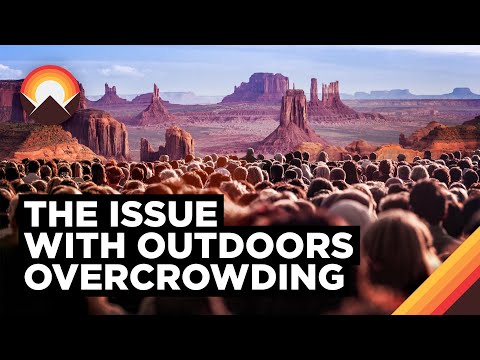
In recent years, several popular national parks have implemented reservations for visitors. These systems come in response to increased traffic through the parks. Sadly, this growth has stretched the limits of existing infrastructure and threatened delicate ecosystems.
At certain destinations, such as Mount Rainier National Park, some folks waited up to three hours just to enter the park. Impatient tourists would often use the fragile grasslands to turn around and bail on their adventure altogether. With so many guests attempting to hit the park at the same time, gridlocked traffic and damage to the environment were inevitable.
Many parks have struggled to accommodate rising visitor numbers. For example, Arches National Park saw a rise of nearly 40% over the last ten years.
While these reservations may seem like just another fee, it’s easy to understand the perks when you think about it. You’ll encounter less traffic, and you’re more likely to enjoy the splendors of nature without tripping over other visitors. The price is generally only a couple of bucks. Of course, you’ll still need to pay the standard entry fees.
Plenty of folks are used to the first-come, first-served system at campsites and trails throughout the parks system. But you’ll want to check out the website for your chosen destination before heading out on your next adventure. They just might have a new system in place.
Types of Access Fees Required
You’ll find multiple types of reservations at national parks throughout the country. Here are the three most common types and some of the locations implementing these new strategies.
General Entry Reservations
General entry passes offer access to parks on certain days. You’ll need to purchase one in advance, along with the standard admission fees you’re already used to paying, to enter the park.
Muir Woods National Monument was the first location to mandate a year-round reservation system. Yosemite and Chimney Rock National Parks followed suit. These days, both destinations require day-use permits made in advance.
Want more info? Here’s a guide to the New National Park Reservation System!
Site-Specific Reservations
At some national parks, you’ll only need reservations for particularly popular sites. For instance, folks hoping to hike Angels Landing at Zion must enter a lottery before lacing up their boots. However, they offer seasonal passes and limited permits for folks hoping to hit the trails the next day during peak season.
Yellowstone requires passes for backcountry camping and boating. At Glacier National Park, you’ll need reservations to drive the Going-to-the-Sun Road and access the North Fork. Additionally, you’ll need day-use tickets to hike in Shenandoah National Park.
National parks aren’t the only places with new rules. US Forest Service Limits Entry, Blames ‘Degradation’!
Timed Entry Reservations
Timed entry is one of the most popular new reservations for national parks. Each participating location allows a certain number of slots for busy times of day. For example, Acadia offers Sunrise and Daytime passes. Meanwhile, Arches National Park provides one-hour spots for entry from April to October.
Other national park destinations using timed entry include Rocky Mountain, Mount Rainier, and Carlsbad Caverns.

How Do You Make Reservations for National Parks?
Recreation.gov is the official place to make reservations for your favorite national parks. Best of all, they make searching for destinations that meet your needs easy.
Depending on the park, passes may go on sale weeks or months before you plan to visit. And they tend to sell out quickly, especially for popular locations. The website recently implemented an alert system, so you don’t have to constantly check the site for availability. Simply enter your email address to receive notifications when your desired spot goes live.
You can also visit individual park websites for ticket requirements and availability details. Be aware that some places, such as Muir Woods National Monument, utilize an external system separate from Recreation.gov. Research in advance and book your spot early to avoid missing your shot.
Grab a copy of National Geographic Complete National Parks of the United States!
Are National Parks Reservations Worth It?
Reservations are becoming commonplace at national parks throughout the country. Hitting the trails, pitching a tent, or simply driving the scenic routes might cost an extra fee. Additionally, these systems require advanced planning, so you may be unable to wing it if you want to see your favorite sites.
However, it’s important to remember that these reservations are in place to protect the places you love and make them more accessible for everyone!
We’ll Help You Find the Best Free Camping in the USA
You should give it a try!
As a matter of fact, these free campsites are yours to enjoy. Every time you pay federal taxes, you’re contributing to these lands.
Become a FREE CAMPING INSIDER and join the 100,000 campers who love to score the best site!
We’ll send you the 50 Best Free Campsites in the USA (one per state). Access the list by submitting your email below: