When you think of truckers in the USA, what comes to mind? Perhaps images of solitary figures navigating vast stretches of highway, massive 18-wheelers hauling goods across state lines, or perhaps the romanticized freedom of the open road.
While these elements are part of the trucking narrative, there’s a depth to this profession that often goes unnoticed. Truckers are the unsung heroes of the American economy, ensuring that everything from groceries to medical supplies reaches its destination.
But beyond their critical role in logistics, truckers have a world rich with surprising secrets and little-known facts. From technological advancements to shifts in industry demographics, the life of a trucker is far more complex and intriguing than stereotypes suggest.
This article looks deeply into seven surprising secrets about truckers in the USA that will change the way you view this essential profession. So, buckle up and join us on a journey through the hidden facets of trucking that keep America’s wheels turning.

Secret #1: The Trucking Industry Is a Tech Powerhouse
Contrary to the outdated image of truckers relying solely on paper maps and CB radios, the modern trucking industry is a leader in technological innovation. Today’s truckers are tech-savvy professionals who use advanced logistics software, GPS navigation systems, and real-time communication tools to optimize their routes and stay connected.
Telematics and Fleet Management
Telematics systems have revolutionized how trucking companies manage their fleets. By collecting data on vehicle performance, driver behavior, and route efficiency, these systems enable companies to reduce fuel consumption, schedule maintenance proactively, and improve overall safety. Drivers receive real-time feedback on their driving habits, allowing them to make adjustments that lead to more efficient and safer trips.
For example, telematics can monitor a driver’s speed, braking patterns, and idle time. If a driver frequently accelerates harshly or brakes suddenly, the system will flag this behavior. Fleet managers can then provide targeted coaching to improve driving habits, which not only enhances safety but also reduces wear and tear on the vehicle.
Electronic Logging Devices (ELDs)
The Federal Motor Carrier Safety Administration (FMCSA) has mandated the use of Electronic Logging Devices to record drivers’ hours of service. ELDs automatically track driving time, helping to ensure compliance with regulations designed to prevent driver fatigue. These devices have replaced traditional paper logs, reducing administrative burdens and minimizing errors.
While some drivers initially resisted ELDs due to concerns about privacy and increased oversight, many have come to appreciate the accuracy and ease they bring to logging hours. ELDs also provide transparency in driver logs, which is beneficial during inspections and audits.
Route Optimization and Real-Time Traffic Updates
Advanced GPS systems and route optimization software help drivers avoid traffic jams, road closures, and hazardous conditions. These tools can suggest alternative routes in real-time, saving time and fuel. For long-haul truckers, shaving even a few minutes off a trip can translate into significant savings over time.
Weather apps integrated into navigation systems alert drivers to severe weather conditions ahead, allowing them to plan accordingly. This not only improves efficiency but also enhances safety by helping drivers avoid dangerous situations.
PRO TIP: RV GPS Routers: Decent, Better & Best
Autonomous and Semi-Autonomous Trucks
The industry is exploring autonomous driving technologies, with companies like Tesla, Waymo, and Daimler investing heavily in self-driving truck technology. While fully autonomous trucks aren’t commonplace yet, features like adaptive cruise control, lane-keeping assist, and collision avoidance systems are already making their way into modern trucks.
These technologies aim to reduce driver fatigue and human error, significant factors in road accidents. Semi-autonomous features can handle mundane tasks, allowing drivers to focus more on strategic decision-making. The integration of these technologies also opens discussions about the future role of truck drivers and how their responsibilities might evolve.
Blockchain and Supply Chain Transparency
Blockchain technology is making inroads into trucking by enhancing supply chain transparency and security. Smart contracts and immutable ledgers ensure that all parties have access to accurate, real-time information about shipments, reducing the risk of fraud, delays, and disputes.
For instance, blockchain can automate payments upon delivery confirmation, streamlining financial transactions and reducing administrative overhead. It also enhances traceability, crucial for industries like food and pharmaceuticals where knowing the origin and handling of goods is essential.
By embracing these technologies, the trucking industry is not only improving efficiency and safety but also reshaping the perception of what it means to be a trucker in the 21st century.
PRO TIP: A Trucker Atlas can be useful for anyone towing or driving something large.
Secret #2: Women Are Rapidly Joining the Ranks
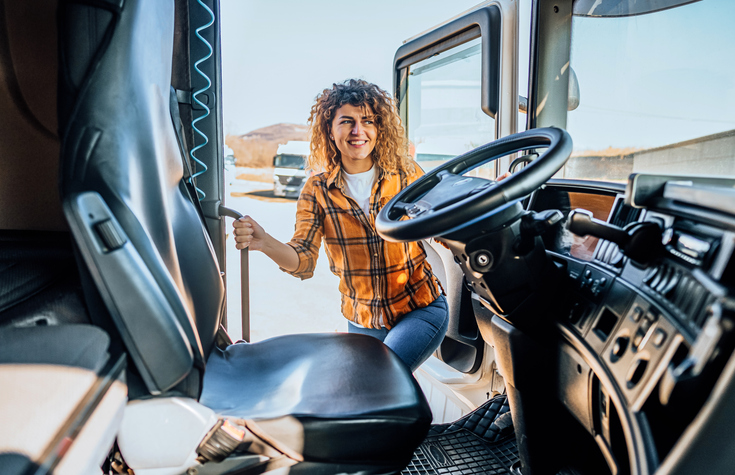
The trucking industry has traditionally been male-dominated, but that’s changing. An increasing number of women are taking the wheel, breaking stereotypes, and bringing diversity to the profession.
Breaking Barriers
Organizations like the Women In Trucking Association advocate for female drivers, providing resources, mentorship, and support networks. As of recent data, women make up about 10% of over-the-road truck drivers, a number that has been steadily increasing over the years.
Ellen Voie, the founder of the Women In Trucking Association, has been instrumental in promoting gender diversity in trucking. The organization works to address challenges women face in the industry, from recruitment and training to retention and career advancement.
Why Women Are Joining
Many women are attracted to the independence, travel opportunities, and competitive salaries that trucking offers. With the industry’s ongoing driver shortage, companies are actively recruiting women to fill the gaps. They recognize that women bring unique skills to the table, such as strong communication, multitasking abilities, and attention to detail.
Some companies offer incentives like flexible schedules and improved safety measures to attract more female drivers. Training programs tailored to women are also becoming more common, easing the entry into what was once an exclusive field.
Challenges Faced
Despite progress, female truckers still face challenges, including concerns about personal safety and discrimination. The lifestyle can be demanding, with long hours on the road and time away from family. Facilities at truck stops and rest areas may not always be accommodating for women.
However, the industry is making concerted efforts to create a more inclusive environment. Anti-harassment policies are being strictly enforced, and companies are investing in safety features like in-cab cameras and emergency communication systems. There’s also a growing emphasis on community support, with forums and social media groups where female truckers can share experiences and advice.
Success Stories
Women like Charmaine Jefferson, who became a trucker after retiring from the military, showcase the diverse backgrounds women bring to trucking. She speaks highly of the opportunities for growth and the sense of accomplishment she feels navigating cross-country routes.
Another example is Brittany Richardson, who documents her life as a trucker on social media platforms. Her videos provide an inside look at the profession, inspiring other women to consider trucking as a viable and rewarding career.
The increasing presence of women in trucking not only challenges traditional gender roles but also enriches the industry with fresh perspectives and talents. As barriers continue to fall, the road ahead looks promising for women in trucking.
Secret #3: Truckers Have a Unique Culture and Language
Truckers share a rich culture complete with its own language, traditions, and camaraderie that outsiders rarely glimpse.
CB Radio Slang
While CB radios aren’t as prevalent due to modern communication tools, the lingo developed over decades remains a hallmark of trucking culture. Terms like “bear” for police officer, “lot lizard” for someone soliciting at truck stops, and “10-4” for acknowledgment are part of this unique dialect.
Understanding CB slang was once essential for communicating on the road. Phrases like “There’s a Kojak with a Kodak at mile marker 50” informed fellow drivers of a police officer with a radar gun ahead. Although technology has advanced, many drivers still appreciate the nostalgia and utility of CB radios, especially in areas with poor cell reception.
PRO TIP: TRUCKER CODES: 11 Essential Codes for All Drivers to Know
Convoy Culture
Convoys, groups of trucks traveling together, symbolize solidarity among drivers. Whether it’s for safety in challenging weather or simply for companionship, convoys are a testament to the strong bonds formed on the road. The concept gained mainstream attention with the 1978 movie “Convoy,” which romanticized the idea of truckers banding together.
In times of crisis, such as natural disasters, convoys play a crucial role in delivering essential supplies. Truckers coordinate efforts to ensure that aid reaches affected areas promptly, showcasing the community’s spirit and commitment to service.
Truck Stop Traditions
Truck stops are more than refueling points; they’re social hubs. Many have amenities like showers, laundromats, gyms, and lounges where drivers can relax and interact. Some truck stops even host events like trucker appreciation days, cookouts, and live music performances.
The Iowa 80 Truckstop, known as the world’s largest truck stop, features a movie theater, barber shop, and even a trucking museum. These establishments recognize the importance of providing comfort and a sense of community for drivers who spend extended periods away from home.
Customizing and Personalizing Trucks
Many truckers take pride in customizing their rigs, turning them into personalized works of art. From intricate paint jobs to elaborate lighting setups, these modifications are a form of self-expression. Truck shows and competitions celebrate these efforts, with awards for categories like Best Interior, Best Paint, and Best Custom Sleeper.
The annual Mid-America Trucking Show is a significant event where drivers showcase their customized trucks, network with peers, and learn about the latest industry trends. Such events reinforce the sense of identity and community within the trucking world.
Mentorship and Brotherhood
Experienced truckers often mentor newcomers, passing down wisdom and unwritten rules of the road. This mentorship fosters a brotherhood (and sisterhood) among drivers. Stories of truckers helping each other in times of need, whether it’s mechanical issues or personal emergencies, are commonplace.
Online forums and social media groups further facilitate this culture, allowing drivers to share advice, experiences, and support regardless of physical location. The trucking community’s tight-knit nature is one of its most enduring and endearing qualities.

Secret #4: Health and Wellness Are Major Challenges
The trucking lifestyle poses significant health challenges due to long hours of sitting, irregular schedules, and limited access to healthy food options.
Sedentary Lifestyle
Extended periods of sitting can lead to obesity, cardiovascular diseases, and musculoskeletal problems. According to the National Institute for Occupational Safety and Health (NIOSH), truck drivers have a higher prevalence of obesity compared to the general population. This increases the risk of conditions like diabetes, hypertension, and sleep apnea.
The repetitive motions and vibrations from long hours of driving can also cause back pain, joint issues, and other physical ailments. These health concerns not only affect drivers’ quality of life but can also impact their ability to work.
Sleep Disorders
Irregular sleep patterns and the necessity to drive during nighttime hours contribute to sleep disorders like insomnia and sleep apnea. Sleep deprivation impairs cognitive function, slows reaction times, and increases the risk of accidents. The FMCSA estimates that 13% of commercial motor vehicle drivers suffer from sleep apnea.
Fatigue management is a critical concern. Regulations limit the number of hours a driver can operate without rest, but meeting tight delivery schedules can pressure drivers to push those limits. ELDs help enforce compliance, but the underlying issues of scheduling and rest opportunities remain challenging.
Mental Health Challenges
Isolation and long periods away from family and friends can take a toll on mental health. Feelings of loneliness, depression, and anxiety are not uncommon among truckers. The stigma around discussing mental health issues may prevent some drivers from seeking help.
Efforts are being made to raise awareness and provide resources for mental well-being. Support groups, helplines, and counseling services are becoming more accessible to drivers in need.
Limited Access to Healthy Food
Truck stops and rest areas often offer limited healthy food options, with fast food and vending machines being the most accessible choices. Preparing nutritious meals on the road can be difficult due to space constraints and lack of cooking facilities.
Some drivers are tackling this challenge by equipping their cabs with mini-fridges, portable stoves, and meal prep tools. There are also apps and guides that help locate healthier dining options along routes.
Initiatives for Improvement
Awareness of these issues has led to initiatives promoting health and wellness among truckers. Companies are implementing wellness programs that include health screenings, fitness challenges, and incentives for healthy behaviors. Some fleets have installed gym equipment at terminals and offer nutrition counseling.
Mobile apps designed specifically for truckers provide workout routines that can be done in or around the truck, stretching exercises, and meditation practices. Organizations like the Healthy Trucking Association of America advocate for policies and programs to support drivers’ health.
By addressing these health challenges, the industry aims to improve not only the well-being of drivers but also safety and efficiency on the road.
Secret #5: Truckers Are Vital to the Economy
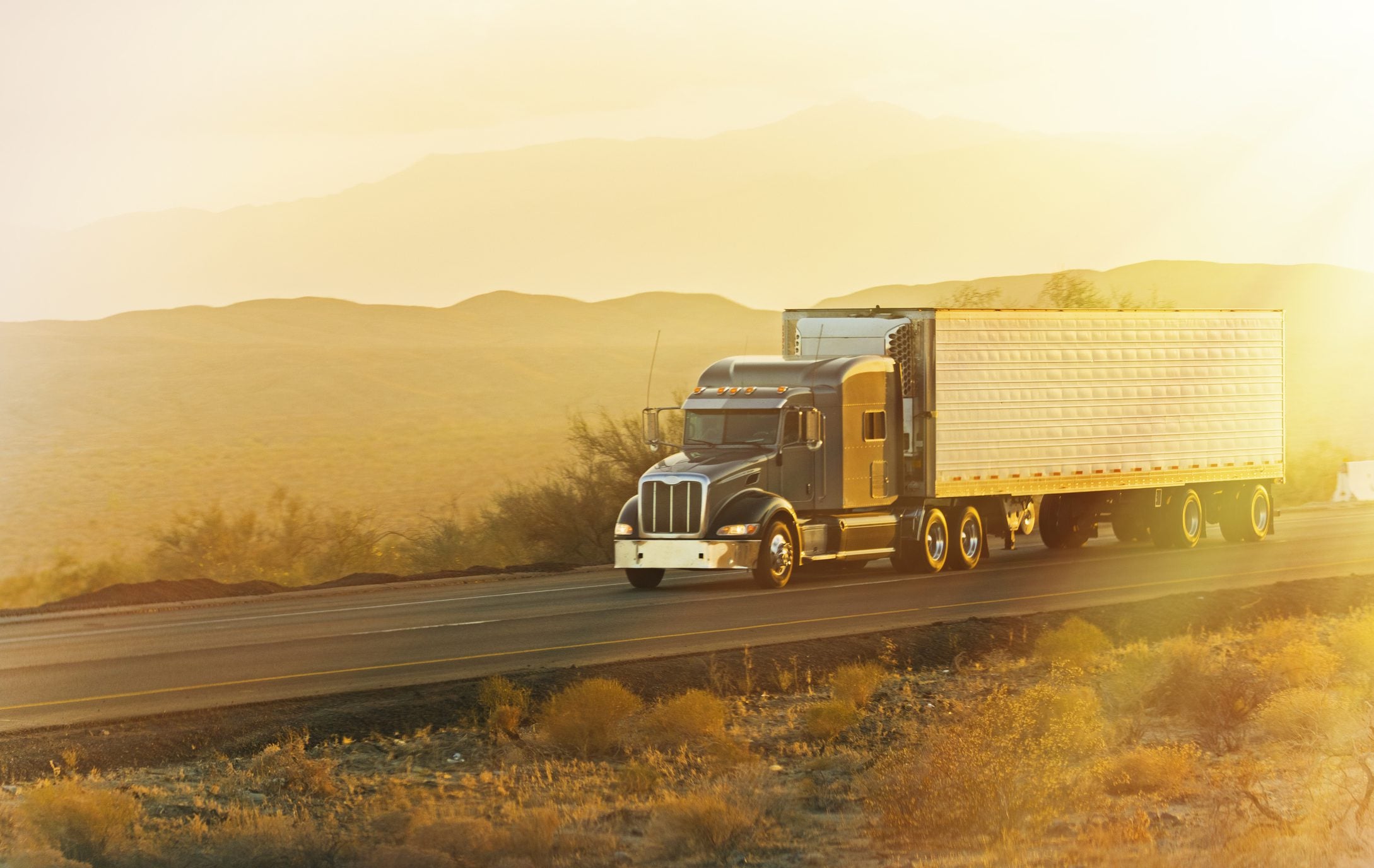
Truckers are the backbone of the American economy, transporting over 70% of all freight tonnage in the United States.
Economic Impact
Without truckers, supply chains would grind to a halt, affecting everything from grocery store shelves to manufacturing plants. The trucking industry generated over $791 billion in revenue, according to the American Trucking Associations (ATA). This substantial contribution underscores the critical role truckers play in maintaining the flow of goods and services.
Job Creation
The industry employs millions, not just as drivers but in supporting roles like logistics, maintenance, dispatching, and administration. Trucking provides opportunities for people with various skill sets and educational backgrounds. It offers a path to stable employment and, for many, a route to entrepreneurship.
During Crises
Truckers play a crucial role during emergencies, such as natural disasters or pandemics. They ensure the delivery of essential goods like medical supplies, food, and fuel, often under challenging conditions. During the COVID-19 pandemic, truckers were deemed essential workers, risking their health to keep supplies moving.
Stories emerged of truckers delivering critical shipments to overwhelmed hospitals and restocking stores facing panic buying. Their efforts were vital in preventing shortages and ensuring that communities had access to necessary resources.
Global Trade and Supply Chains
Truckers are an integral part of global trade, connecting ports, railroads, and airports to final destinations. They facilitate exports and imports, making international commerce possible. The efficiency and reliability of truckers directly impact the competitiveness of American businesses in the global market.
Infrastructure Dependence
The industry’s significance also highlights the importance of maintaining and improving infrastructure. Roads, bridges, and highways are essential for efficient transportation. Investments in infrastructure not only benefit truckers but also enhance overall economic productivity.
The trucking industry’s vital role in the economy often goes unnoticed, but its impact is felt across all sectors and communities.
Secret #6: Many Truckers Are Small Business Owners
While some drivers work for large corporations, a significant number are owner-operators who own their trucks and run their own businesses.
Independence and Entrepreneurship
Owner-operators enjoy the freedom to choose their routes, clients, and schedules. This entrepreneurial aspect attracts those who prefer autonomy over the structure of corporate employment. They have the potential to build their brand and reputation in the industry.
Owning a trucking business allows drivers to directly reap the rewards of their hard work. They can negotiate rates, manage expenses, and make strategic decisions that affect their profitability.
Financial Risks and Rewards
Owning a truck is a substantial investment, with new trucks costing upwards of $150,000. Maintenance, insurance, licensing, and fuel costs add to the financial burden. Fluctuations in fuel prices, market demand, and regulatory changes can impact income unpredictably.
However, successful owner-operators can earn higher incomes than company drivers. They have the flexibility to take on more lucrative contracts and optimize their operations for maximum efficiency. The potential for higher earnings makes the risks worthwhile for many.
Regulatory Challenges
Navigating the complex web of regulations, taxes, and compliance requirements adds another layer of responsibility. Owner-operators must stay informed about changes in laws related to hours of service, environmental regulations, and safety standards.
Organizations and associations often provide resources to help owner-operators manage these challenges. They offer educational programs, advocacy, and networking opportunities to support small business owners in the trucking industry.
Fleet Expansion Opportunities
Some owner-operators expand their businesses by adding more trucks and hiring drivers, transitioning from single operators to fleet owners. This growth can lead to substantial business opportunities but also requires effective management skills and capital investment.
Technology and Business Management
Modern technology has made it easier for owner-operators to manage their businesses. Accounting software, load boards, and mobile apps help with invoicing, finding freight, and tracking expenses. Digital platforms connect owner-operators directly with shippers, bypassing traditional brokers and increasing profitability.
Being a small business owner in trucking is challenging but offers a rewarding path for those with entrepreneurial spirit and dedication.
Secret #7: The Industry Is Going Green
Environmental concerns are pushing the trucking industry toward sustainable practices, challenging the notion that trucks are solely gas-guzzling polluters.
Alternative Fuels
The adoption of alternative fuels like compressed natural gas (CNG), liquefied natural gas (LNG), propane, and biodiesel is on the rise. These fuels produce fewer emissions and can be more cost-effective in the long run. Companies are investing in fueling infrastructure to support these alternatives.
Renewable natural gas (RNG), derived from organic waste, is another emerging option. It captures methane emissions from landfills and agriculture, turning a potent greenhouse gas into usable fuel.
Electric Trucks
Companies like Tesla, Nikola, and Daimler have introduced electric semi-trucks with promising capabilities. Electric trucks offer zero tailpipe emissions, reduced noise pollution, and lower operating costs over time. While initial costs are high and charging infrastructure is still developing, the potential environmental benefits are significant.
Pilot programs are underway in various regions to test the feasibility of electric trucks in real-world operations. Governments and municipalities are supporting these initiatives through grants and incentives.
Aerodynamic Designs and Fuel Efficiency
Manufacturers are designing trucks with improved aerodynamics to reduce drag and increase fuel efficiency. Features like streamlined shapes, side skirts, and aerodynamic mirrors contribute to these efforts. Technologies like low-rolling-resistance tires and automatic tire inflation systems also enhance efficiency.
Engine improvements, such as advanced turbocharging and waste heat recovery, further reduce fuel consumption. Together, these innovations can lead to substantial reductions in emissions and operating costs.
Regulatory Support
Government incentives and stricter emissions regulations are encouraging companies to adopt greener technologies. The Environmental Protection Agency (EPA) and the Department of Transportation (DOT) have established programs like the SmartWay Transport Partnership to promote fuel efficiency and reduce emissions.
Grants, tax breaks, and low-interest loans help offset the initial costs of transitioning to more sustainable options. Compliance with emissions standards is becoming a competitive advantage, as shippers increasingly prefer carriers with strong environmental credentials.
Corporate Sustainability Initiatives
Many trucking companies are incorporating sustainability into their corporate strategies. They are setting goals for reducing carbon footprints, investing in renewable energy, and reporting on environmental performance.
Customers and investors are increasingly valuing sustainability, making it not only an ethical choice but also a smart business move. By going green, the trucking industry is positioning itself for a sustainable future.
Did You Learn Something New About Truckers?
Truckers in the USA are far more than the stereotypes suggest. They’re tech-savvy professionals adapting to rapid industry changes, pioneers breaking gender barriers, community builders with their own rich culture, and essential workers who keep the economy afloat.
They face unique challenges, particularly in health and wellness, but initiatives are underway to improve their quality of life.
As the industry moves toward sustainability and embraces technological advancements, truckers remain at the heart of these transformations. Understanding these surprising secrets sheds light on the vital role truckers play and the complexities of the profession. The next time you see a truck on the highway, you’ll know there’s much more to the story than meets the eye.
PRO TIP: HOW TO: Truck Stop Showers for Non-Truckers
Truckers are not just drivers; they’re entrepreneurs, innovators, and key players in a global economy. Their stories reflect resilience, adaptability, and a commitment to keeping America moving forward. Recognizing and appreciating the multifaceted world of trucking enriches our understanding of the interconnected systems that shape our daily lives.
So, whether it’s the technology powering their journeys, the diverse faces behind the wheel, or the environmental strides being made, the world of trucking is full of surprises waiting to be discovered.
We’ll Help You Find the Best Free Camping in the USA
You should give it a try!
As a matter of fact, these free campsites are yours to enjoy. Every time you pay federal taxes, you’re contributing to these lands.
Become a FREE CAMPING INSIDER and join the 100,000 campers who love to score the best site!
We’ll send you the 50 Best Free Campsites in the USA (one per state). Access the list by submitting your email below: