Let’s be honest—it’s not always sunsets and scenic drives. One of the less glamorous aspects I’ve encountered is the occasional (or not-so-occasional) invasion of bugs. Yep, those tiny critters seem to find their way into every nook and cranny of my home on wheels.
Over the years, I’ve learned a thing or two about these unwelcome guests.
I’ve come to understand not just how to deal with them, but also why they invade our spaces in the first place. In this guide, I want to share my experiences with you—educating and empathizing as we explore the ten most common bugs that might decide to join you on your RV journey.
1. Ants: The Persistent Picnickers
Ants were some of the first visitors I had in my RV. I remember waking up one morning to find a trail of them marching across my kitchen counter, making a beeline for a crumb I must have missed the night before. It was both fascinating and frustrating.
Why They Invade:
Ants are attracted to food sources. In an RV, where space is limited, the kitchen area is often close to sleeping and living spaces, making it easier for ants to find food residues.
My Experience:
I’ve noticed that certain campsites are more prone to ant invasions, especially those near wooded areas or sandy soils. One summer in Florida, the ant problem was particularly persistent. I felt a bit overwhelmed at first, but then I realized that understanding their behavior was key to managing them.
Preventive Measures:
- Cleanliness Is Crucial: I started wiping down all surfaces after meals, ensuring there were no crumbs left behind.
- Food Storage: All food items, especially sweet and sticky ones, went into airtight containers.
- Natural Deterrents: Sprinkling cinnamon or placing peppermint oil-soaked cotton balls near entry points worked wonders for me. Ants dislike these scents, and it helped keep them at bay without using harsh chemicals.
PRO TIP: How to Easily Get Rid of Ants

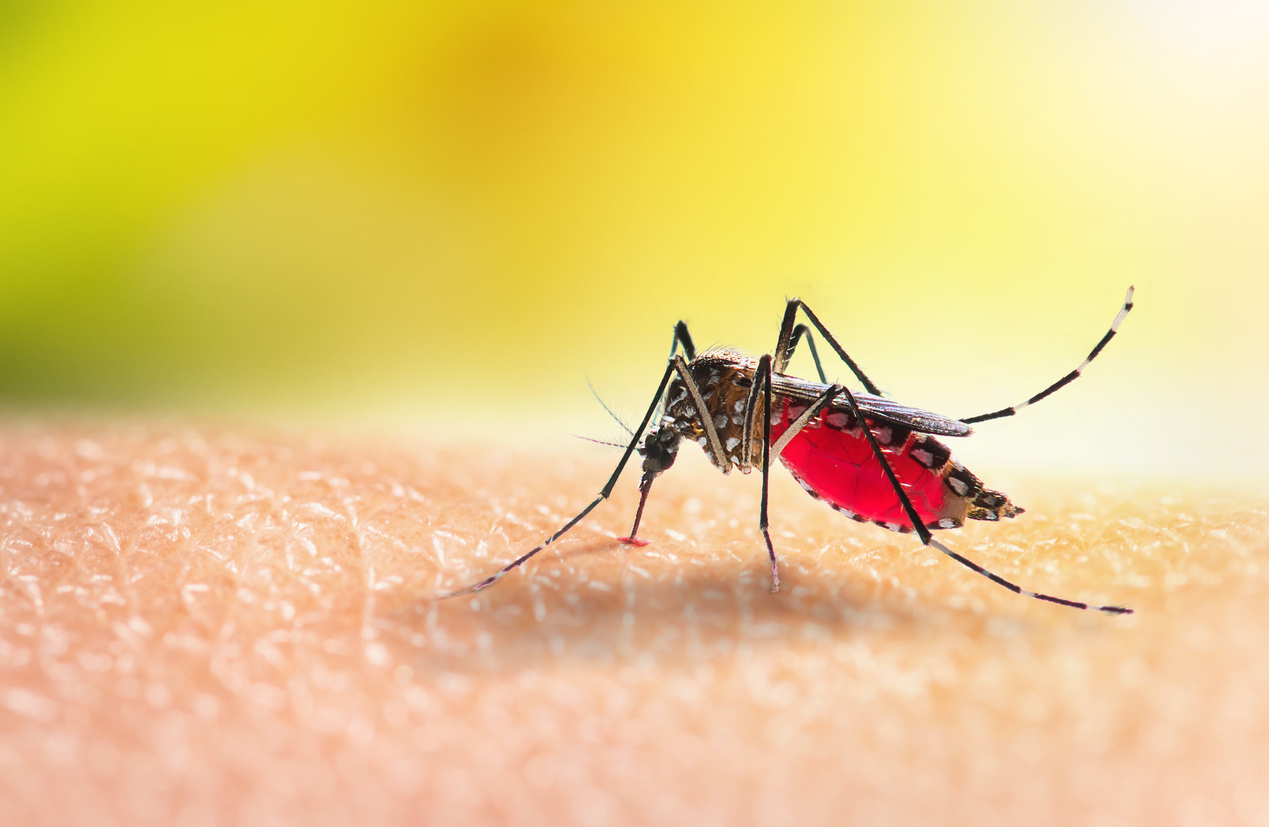
2. Mosquitoes: The Uninvited Blood Donors
Ah, mosquitoes—the bane of outdoor enthusiasts everywhere. There’s nothing quite like settling down for the night, only to hear that high-pitched buzz near your ear.
Why They Invade:
Mosquitoes are attracted to warmth and carbon dioxide, which we naturally emit. They can easily slip into the RV when doors or windows are open, especially if screens are damaged or nonexistent.
My Experience:
During a trip near a lake, I underestimated the mosquito population. Despite the beautiful scenery, evenings became a battle. I felt irritated and a bit helpless, constantly swatting at invisible foes.
Preventive Measures:
- Screen Maintenance: I made sure all windows and vents had intact screens. Repairing tiny holes can make a big difference.
- Limit Nighttime Lighting: Bright lights can attract mosquitoes. Using softer, yellow-tinted lights reduced their presence.
- Natural Repellents: Burning citronella candles outside the RV and using essential oils like lavender and eucalyptus inside helped create a less inviting environment for them.
PRO TIP: 5 Cheap Ways To Get Rid of Mosquitoes
3. Flies: The Buzzing Bother
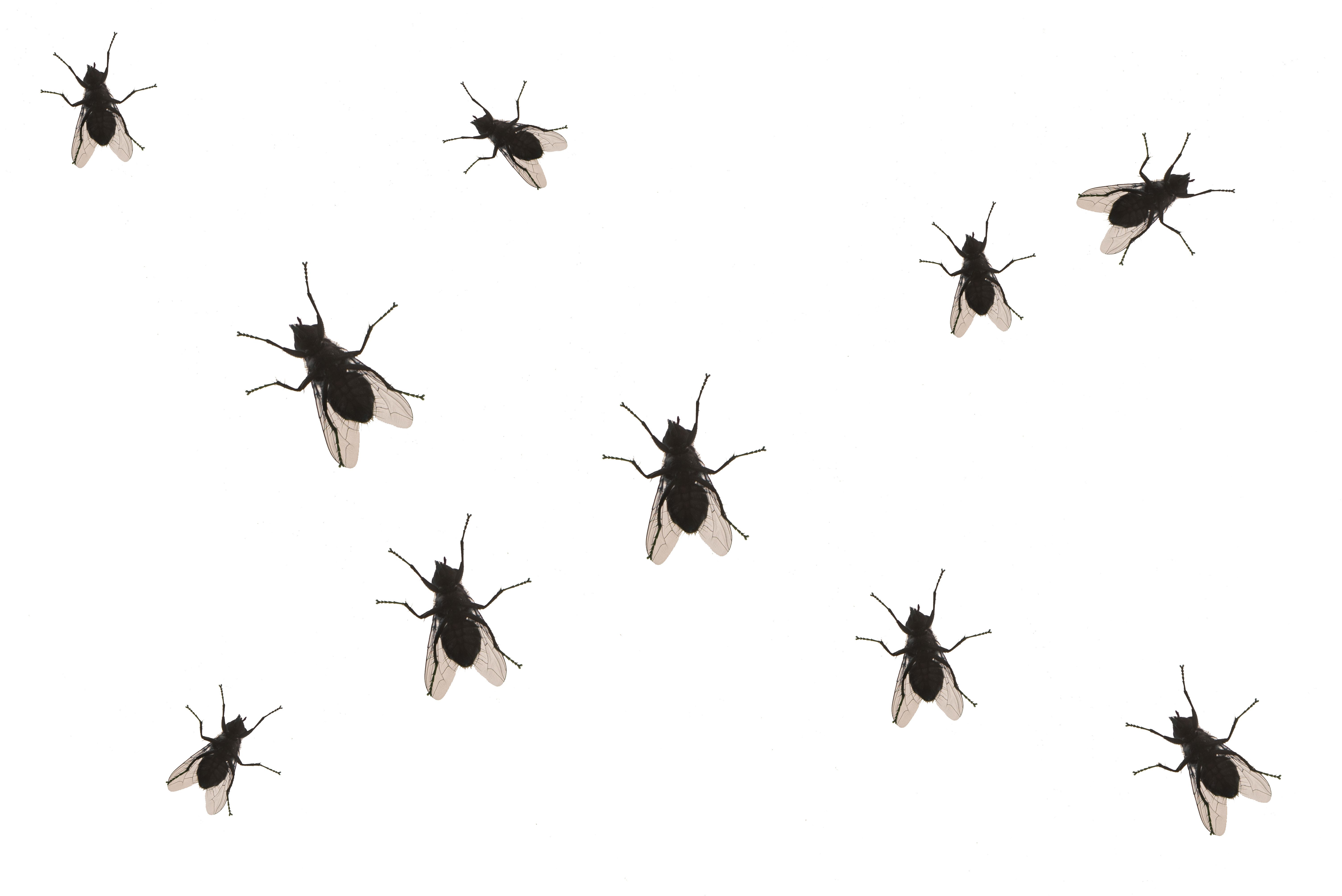
Flies might seem harmless, but they can quickly become a nuisance. Their persistence is unmatched, and they have a knack for showing up at the worst times—like when you’re about to enjoy a meal.
Why They Invade:
Flies are drawn to food odors, garbage, and even damp areas. An RV can provide all these attractions in a compact space.
My Experience:
I recall a time in a rural area where flies were relentless. I felt a bit exasperated, constantly waving them away. It was distracting and took away from the peacefulness I was seeking.
Preventive Measures:
- Waste Management: Keeping trash bins sealed and emptying them regularly reduced the attraction.
- Clean Drains: Flies can breed in drains. Using a natural drain cleaner kept them from multiplying.
- Herbal Solutions: Placing basil plants near entrances acted as a natural fly deterrent.
PRO TIP: 5 Reasons Your RV is Infested with Flies
4. Spiders: The Silent Roommates
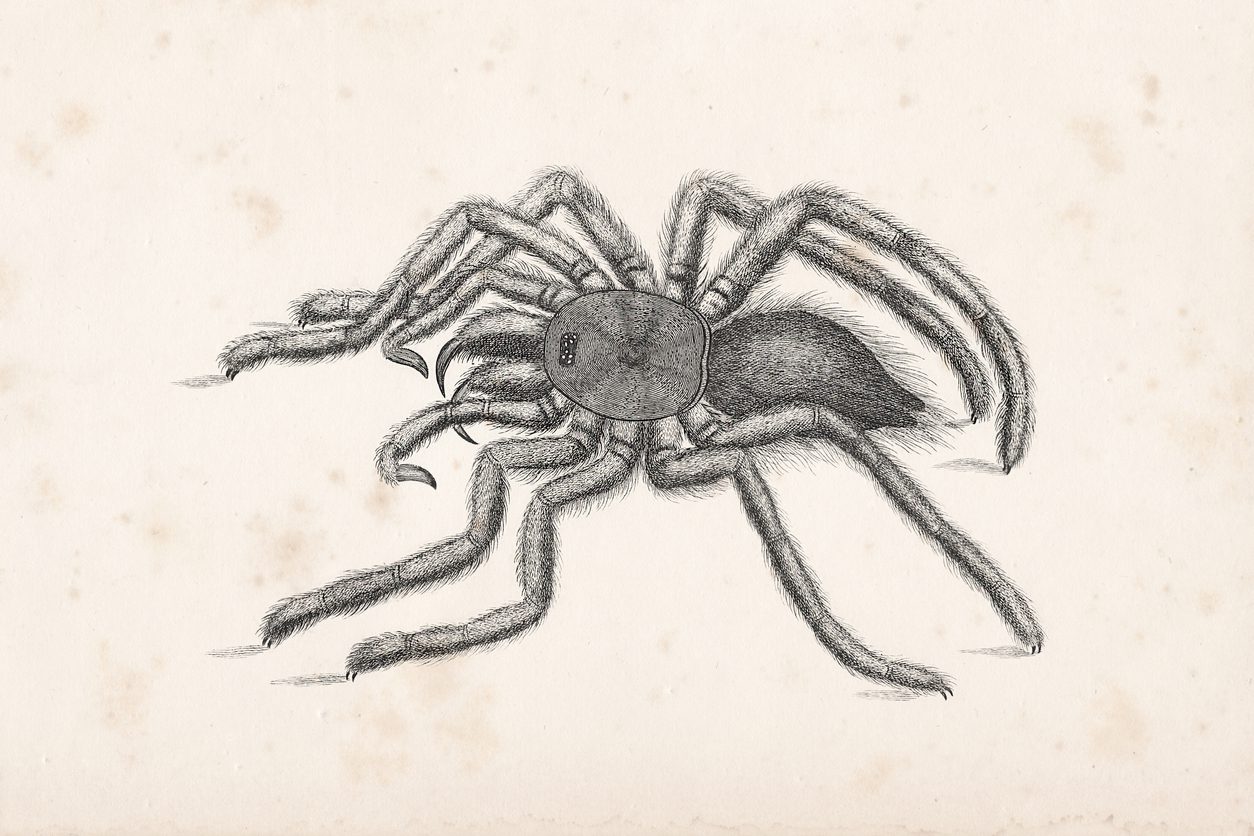
Spiders are a mixed bag for me. On one hand, they eat other pests. On the other, finding one dangling above your bed isn’t exactly comforting.
Why They Invade:
Spiders seek shelter and food. An RV provides plenty of hiding spots and, if other bugs are present, a steady food supply.
My Experience:
I’ve had moments where a spider would appear out of nowhere, startling me. Initially, it made me uneasy, but understanding their role helped me manage my reactions.
Preventive Measures:
- Reduce Clutter: Keeping storage areas tidy minimized their hiding places.
- Regular Cleaning: Vacuuming corners and crevices removed webs and egg sacs.
- Non-Lethal Removal: When I found spiders, I used a cup and a piece of paper to gently relocate them outside.
PRO TIP: The Most Dangerous Spiders RVers Can Face
5. Cockroaches: The Unwanted Survivors
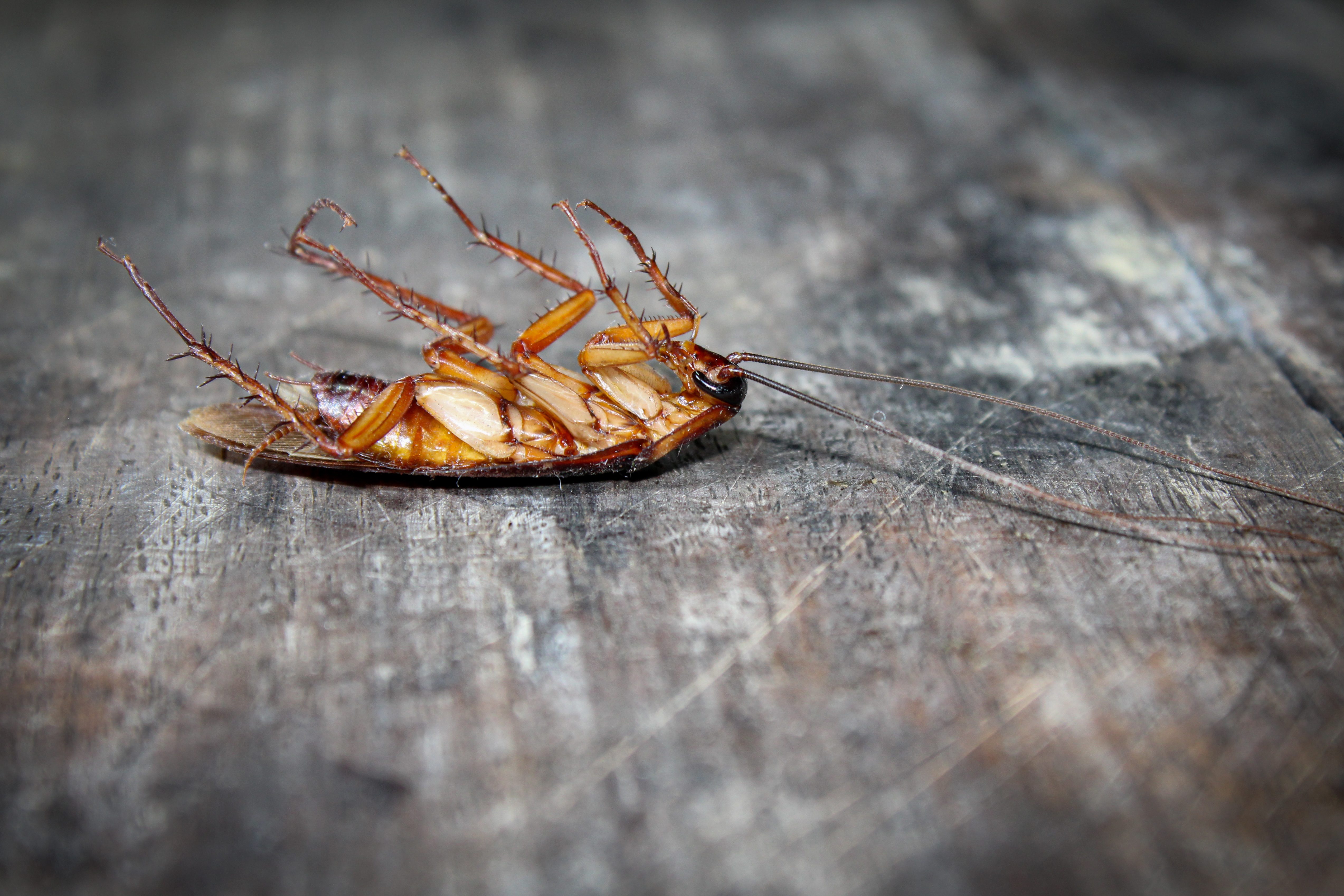
Discovering a cockroach in your RV can be downright unsettling. These resilient pests are notorious for their ability to thrive almost anywhere.
Why They Invade:
Cockroaches are attracted to food, water, and shelter. They can enter through tiny cracks and reproduce quickly.
My Experience:
Finding a cockroach in my RV felt like a breach of my personal space. It was hard not to take it personally, and I felt a strong urge to regain control of my environment.
Preventive Measures:
- Eliminate Food Sources: I ensured no food was left out and that crumbs were promptly cleaned up.
- Seal Entry Points: Using caulk and weather stripping, I sealed gaps where pipes and wires entered the RV.
- Natural Remedies: Diatomaceous earth, a non-toxic powder, helped deter them without harming pets or the environment.
PRO TIP: How to Easily Get Rid of Cockroaches
6. Bed Bugs: The Tiny Nightmares
Bed bugs are perhaps the most dreaded of all. Their bites can cause itching and sleepless nights, turning your RV haven into a source of stress.
Why They Invade:
Bed bugs are expert hitchhikers. They can latch onto clothing, luggage, or second-hand items and find their way into your RV.
My Experience:
After a stay at a campground with shared facilities, I noticed bites on my arms. The realization that bed bugs might be in my RV was alarming. I felt a mix of frustration and anxiety.
Preventive Measures:
- Inspection: Regularly checking bedding and upholstery for signs of bed bugs became part of my routine.
- Heat Treatment: Washing linens in hot water and drying them on high heat helped eliminate any bugs or eggs.
- Encasements: Using bed bug-proof covers on mattresses and pillows provided an extra layer of protection.
PRO TIP: Where the Heck Do Bed Bugs Come From?

7. Termites: The Hidden Threat
Termites might not be the first pest you think of with RVs, but they can cause significant damage if left unchecked.
Why They Invade:
Termites are attracted to wood and moisture. Older RVs with more wooden structures are at higher risk, especially in humid climates.
My Experience:
Though I’ve been fortunate not to have a termite infestation, hearing stories from fellow RVers made me proactive. I felt a sense of responsibility to protect my investment.
Preventive Measures:
- Moisture Control: Using dehumidifiers helped keep the interior dry.
- Regular Inspections: Checking wooden components for signs of damage or mud tubes alerted me to potential issues.
- Professional Help: At the first sign of trouble, consulting a pest control expert is crucial.
PRO TIP: RV Bug Infestation: 5 Ways to Keep Insects Out

8. Wasps and Bees: The Stinging Squad
While bees are essential for our ecosystem, having them or wasps set up shop in your RV isn’t ideal.
Why They Invade:
They look for sheltered areas to build nests, and small openings in an RV can be inviting.
My Experience:
I once discovered a wasp nest forming under my RV’s awning. I felt a mix of fear and urgency to address the situation safely.
Preventive Measures:
- Regular Checks: Inspecting the exterior, especially under awnings and slide-outs, helped catch nests early.
- Safe Removal: Contacting a professional or using environmentally friendly sprays allowed me to remove nests without harming the insects unnecessarily.
- Natural Deterrents: Hanging fake wasp nests deterred new colonies from setting up.
PRO TIP: Deadly and Invasive Yellow-Legged Hornet Found in the US

9. Mice and Rodents: The Uninvited Mammals
While not insects, rodents deserve mention due to the damage they can cause, including attracting other pests like fleas.
Why They Invade:
Rodents seek food and shelter, especially during colder months. An RV can seem like a safe haven to them.
My Experience:
Hearing scratching noises at night was unsettling. Discovering gnawed wires made me realize the potential hazards.
Preventive Measures:
- Block Entry Points: Using steel wool and sealant to fill gaps prevented them from entering.
- Scent Deterrents: Peppermint oil and dryer sheets in storage areas discouraged them.
- Humane Traps: Live traps allowed me to relocate them without harm.
PRO TIP: Deadly Mice in Our National Parks

10. Stink Bugs: The Odorous Occupants
Stink bugs might not pose a health risk, but their smell can be unpleasant when threatened.
Why They Invade:
As the weather cools, stink bugs look for warm places to overwinter, and an RV can be an attractive option.
My Experience:
Finding a few stink bugs inside wasn’t alarming, but accidentally squishing one released an odor I’d rather not experience again.
Preventive Measures:
- Seal Cracks: Ensuring windows, doors, and vents were well-sealed reduced their entry points.
- Gentle Removal: Using a tissue to gently pick them up and release them outside prevented them from emitting their odor.
- Lighting Choices: Since they are attracted to light, using blackout curtains at night minimized their attraction.
Navigating the Challenges with Compassion
Encountering bugs in your RV can be more than just a minor inconvenience. It can affect your comfort and peace of mind. I’ve felt the frustration and, at times, a bit of helplessness when dealing with persistent pests. But over time, I’ve learned that an empathetic approach, combined with practical measures, makes the situation manageable.
Understanding that these creatures are simply seeking survival helps shift the perspective. Instead of seeing them as enemies, viewing them as part of the natural world we’re traveling through can reduce stress and lead to more sustainable solutions.
Strategies for a Harmonious RV Life with Bugs
- Education Is Empowerment: Knowing what attracts different pests allows you to take targeted preventive actions.
- Routine Maintenance: Regularly inspecting your RV keeps you ahead of potential problems. It becomes part of the lifestyle rather than a burdensome task.
- Community Support: Sharing experiences with fellow RVers not only provides practical tips but also emotional support. Knowing you’re not alone in these challenges makes them easier to handle.
- Mindful Living: Embracing minimalism and cleanliness isn’t just about aesthetics; it’s a practical way to reduce pest attractions.
Embracing the Journey with Bugs
Living in an RV brings you closer to nature, both its beauty and its bugs. While it’s easy to feel overwhelmed when pests invade your space, remember that each challenge is an opportunity to learn and adapt.
I’ve grown more patient and resourceful through these experiences. Each bug taught me something—about their world and mine. The ants reminded me to be meticulous, the mosquitoes taught me the importance of preparedness, and the spiders helped me confront my fears.
By approaching these situations with empathy and education, the road becomes a little smoother, and the journey more enriching. After all, the goal isn’t just to reach a destination but to embrace all the experiences along the way.
So, here’s to open roads, starry nights, and the occasional bug that reminds us we’re all part of this incredible tapestry of life. Safe travels, and may your adventures be filled with more wonder than pests!
We’ll Help You Find the Best Free Camping in the USA
You should give it a try!
As a matter of fact, these free campsites are yours to enjoy. Every time you pay federal taxes, you’re contributing to these lands.
Become a FREE CAMPING INSIDER and join the 100,000 campers who love to score the best site!
We’ll send you the 50 Best Free Campsites in the USA (one per state). Access the list by submitting your email below: