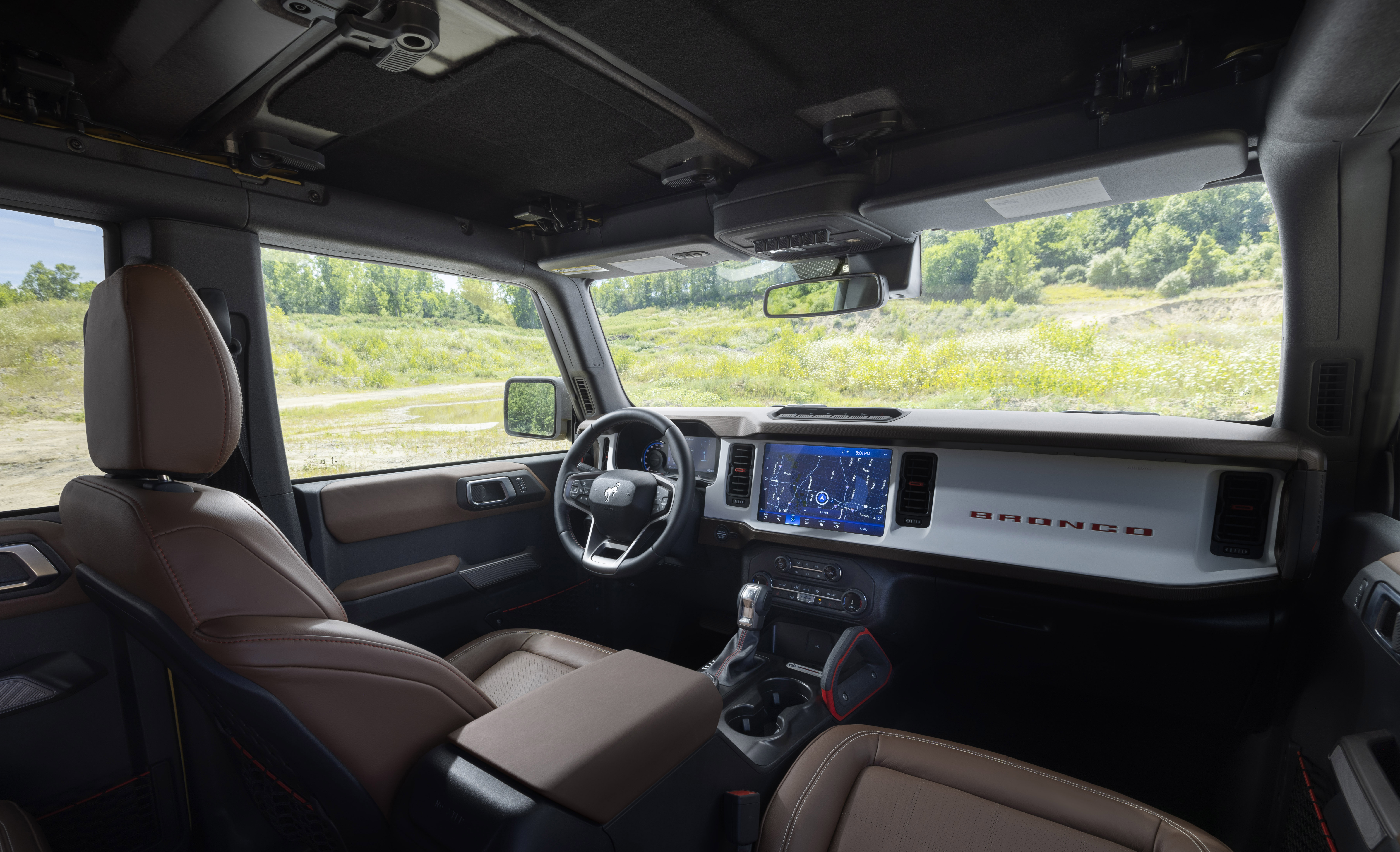
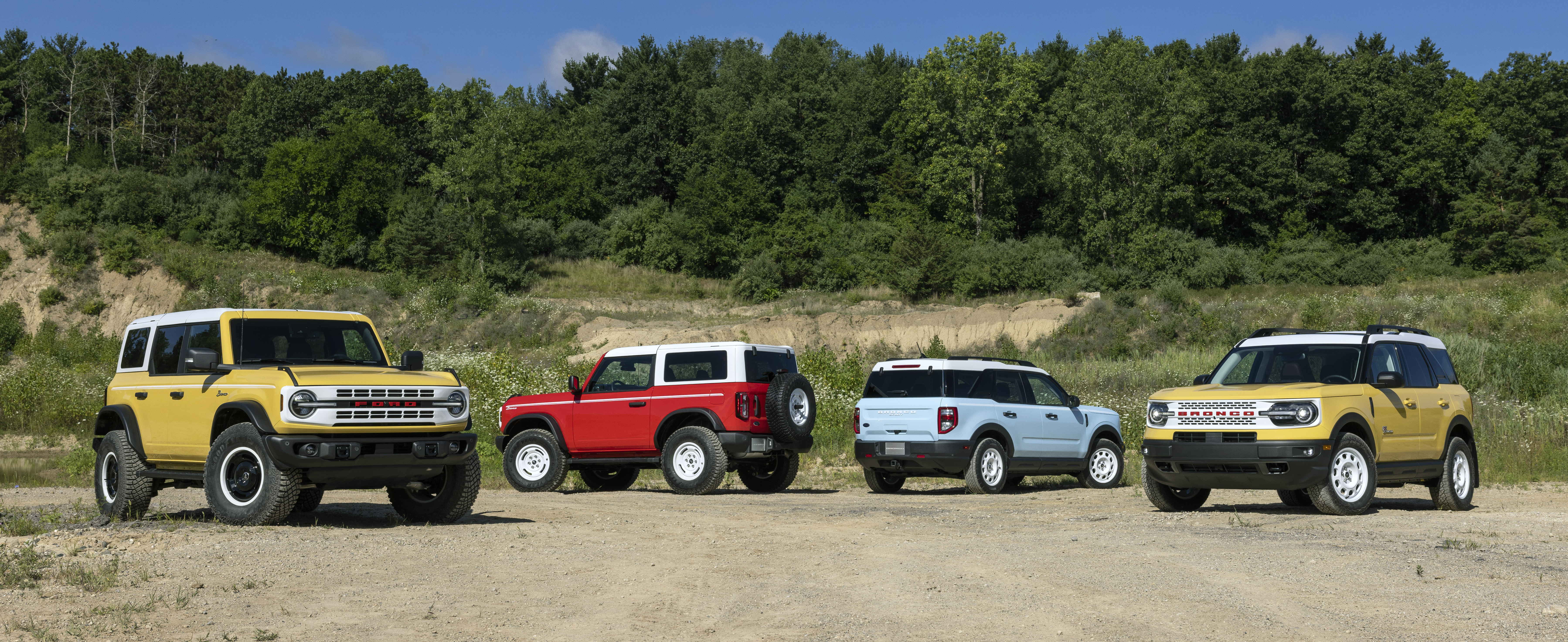
The Ford Bronco, an iconic nameplate in the automotive world, has made a grand comeback after a 25-year hiatus. With its rugged design, advanced off-road capabilities, and a nostalgic nod to its storied past, the Bronco has captured the imagination of adventure enthusiasts and everyday drivers alike.
As more people seek vehicles that offer versatility for both daily commuting and weekend escapades, a pressing question arises: Can the Ford Bronco truly handle towing an RV?
In this comprehensive guide, we’ll look into the Bronco’s towing capabilities, the types of RVs it can manage, factors to consider before hitching up, and tips to enhance your towing experience.

Understanding the Ford Bronco’s Towing Capacity
Before attaching any trailer to your vehicle, it’s imperative to comprehend its towing limits. The latest Ford Bronco models come equipped with impressive features, but when it comes to towing, specifics matter.
- Maximum Towing Capacity: The Ford Bronco has an average maximum towing capacity of 3,500 pounds depending on model and when properly equipped with the Class II Trailer Tow Package. This capacity is consistent across most trims, including the Base, Big Bend, Black Diamond, Outer Banks, Badlands, Wildtrak, and the limited First Edition.
- Engine Options: The Bronco offers two engine choices:
- 2.3L EcoBoost® I-4 Engine: Producing 270 horsepower and 310 lb-ft of torque.
- 2.7L EcoBoost® V6 Engine: Delivering 310 horsepower and 400 lb-ft of torque.
- Transmission and Drivetrain: The Bronco’s standard 7-speed manual transmission (with crawl gear) and available 10-speed automatic transmission are designed for versatility. The 4×4 drivetrain enhances off-road performance but can impact towing dynamics compared to rear-wheel-drive vehicles.
What Kind of RV Can You Tow with a Bronco?
Given the 3,500-pound towing limit, the Bronco is best suited for lightweight RVs. Here are some options that align with its capabilities:
- Teardrop Trailers:
- Weight Range: Approximately 1,000 to 3,000 pounds.
- Features: Compact and aerodynamic, teardrop trailers offer basic amenities like sleeping space, a small kitchen area, and storage. They’re ideal for solo travelers or couples who prefer minimalism.
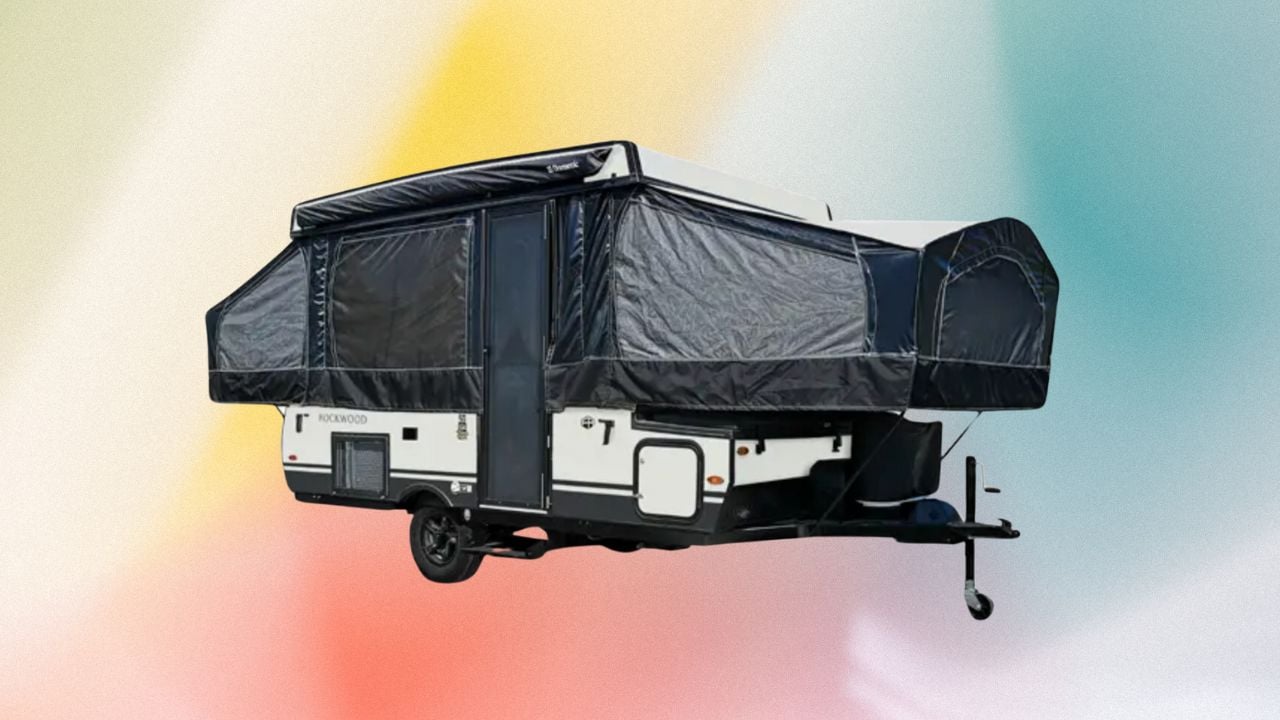
- Pop-Up Campers (Folding Tent Trailers):
- Weight Range: Around 1,200 to 3,000 pounds.
- Features: These campers expand upon setup to provide additional sleeping quarters and living space. They often include basic kitchen facilities and can accommodate small families.
- Small Travel Trailers:
- Weight Range: Some models come under the 3,500-pound mark.
- Features: Offering more amenities such as full kitchens, bathrooms, and entertainment systems, these trailers provide comfort without exceeding the Bronco’s towing capacity.
- A-Frame Campers:
- Weight Range: Typically between 1,500 to 3,000 pounds.
- Features: These hard-sided foldable campers offer better insulation and protection from the elements compared to pop-up campers.
Important Considerations:
- Actual Weight vs. Dry Weight: Manufacturers often list the dry weight of the RV, which doesn’t include cargo, water, propane, or additional accessories. Always calculate the Gross Vehicle Weight Rating (GVWR) of the RV, which is the maximum permissible weight of the trailer when fully loaded.
- Tongue Weight: This is the downward force exerted on the hitch by the trailer. It typically ranges from 10% to 15% of the trailer’s total weight. Ensure that the tongue weight doesn’t exceed the Bronco’s hitch rating.
Factors to Consider Before Towing
Towing isn’t just about hitching up and hitting the road. Several factors need careful consideration to ensure safety and compliance:
- Vehicle Load Capacity:
- Gross Combined Weight Rating (GCWR): This is the maximum allowable combined weight of the vehicle, passengers, cargo, and the attached trailer. Exceeding this can strain the engine, transmission, and brakes.
- Payload Capacity: The Bronco’s payload capacity (the weight it can carry inside, including passengers and cargo) affects the overall towing dynamics. Overloading can compromise handling and braking.
- Brake Systems:
- Trailer Brakes: For trailers over 1,500 pounds, it’s recommended—and often legally required—to have independent trailer brakes. These can be electric or surge brakes.
- Brake Controller: An electronic brake controller synchronizes the trailer’s brakes with the vehicle’s braking system, improving stopping power and reducing wear on the Bronco’s brakes.
- Hitch Equipment:
- Class II Hitch Receiver: The Bronco’s towing package includes a Class II hitch, suitable for light-duty towing up to 3,500 pounds.
- Weight Distribution Hitch: This can help distribute the trailer’s tongue weight across all axles, improving stability and handling.
- Tire Ratings and Pressure:
- Ensure that both the Bronco’s and the trailer’s tires are rated for the load and are properly inflated. Underinflated tires can lead to blowouts, reduced fuel efficiency, and poor handling.
- Mirrors and Visibility:
- Extended Side Mirrors: These provide better visibility around the trailer, essential for safe lane changes and reversing.
- Rearview Camera Systems: Some aftermarket systems can assist with backing up and monitoring the trailer while on the move.
- Terrain and Driving Conditions:
- Elevation Changes: Towing in mountainous areas can tax the engine and brakes. Descending steep grades requires careful speed management to prevent brake overheating.
- Off-Road Towing: While the Bronco is off-road capable, towing a trailer in such conditions is challenging. The added weight can affect traction and maneuverability.
- Legal Requirements:
- Licensing and Permits: Some states require special endorsements or permits for towing certain trailer sizes.
- Speed Limits: Many states have reduced speed limits for vehicles towing trailers.
- Safety Equipment: Regulations may mandate the use of safety chains, breakaway switches, and reflective markings.
Enhancing Your Towing Experience
To make the most of your towing adventures with the Ford Bronco, consider the following tips:
1. Invest in Quality Towing Accessories
- Sway Control Devices: These help prevent trailer sway caused by wind, passing vehicles, or sudden maneuvers. Sway control can be built into weight distribution hitches or added separately.
- Trailer Backup Assist: Ford offers technologies like the Pro Trailer Backup Assist™, which simplifies reversing with a trailer.
- Auxiliary Transmission Cooler: Towing generates additional heat in the transmission. An auxiliary cooler can help maintain optimal temperatures, prolonging transmission life.
2. Prioritize Regular Maintenance
- Engine and Transmission Checks: Regular oil changes, fluid top-ups, and inspections can prevent breakdowns.
- Brake Inspections: Both the Bronco’s brakes and the trailer’s braking system should be in top condition.
- Suspension and Steering Components: Towing stresses these parts; regular checks can ensure stability and safety.
3. Practice Safe Driving Habits
- Allow for Increased Stopping Distances: The added weight extends braking distances. Stay alert and anticipate traffic conditions.
- Adjust Your Speed: Driving at moderate speeds reduces stress on the vehicle and improves fuel efficiency.
- Plan Your Routes: Avoid areas with low overpasses, weight-restricted roads, or tight turns that may be challenging with a trailer.
4. Stay Informed About Legal Regulations
- State Laws: Regulations vary by state regarding maximum trailer lengths, widths, and weight limits.
- Safety Inspections: Some jurisdictions require periodic safety inspections of trailers.
- Insurance Coverage: Ensure your auto insurance policy covers towing and any potential liabilities.
5. Load Your Trailer Properly
- Balance the Load: Distribute weight evenly from side to side and place heavier items over the trailer’s axle.
- Secure Cargo: Use tie-downs and storage compartments to prevent items from shifting during transit.
- Check Weight Limits: Don’t exceed the trailer’s GVWR or the Bronco’s towing capacity.
6. Educate Yourself and Practice
- Towing Courses: Consider taking a towing safety course to learn best practices.
- Practice Maneuvers: Spend time in a safe, open area practicing turns, backing up, and parking with your trailer.
PRO TIP: The 7 Most Powerful Trucks in the USA – Perfect for Towing
Real-World Experiences and Testimonials
Many Bronco owners have successfully towed lightweight RVs across the country, sharing positive feedback about the vehicle’s performance:
- Sandra P: “I towed a 2,500-pound teardrop trailer through the Rockies with my Bronco Badlands. The EcoBoost® V6 handled the climbs admirably, and the descent was smooth with engine braking.”
- Richard C: “My family and I took our pop-up camper on a 1,000-mile road trip. The Bronco’s towing package made setup easy, and we felt secure the entire journey.”
However, some users caution about pushing the limits:
- Zach L: “I tried towing a 3,400-pound travel trailer. While within capacity, the Bronco struggled on steep grades, and fuel economy dropped significantly. I’d recommend staying well below the maximum towing weight for better performance.”
So, Can The Ford Bronco Really Tow an RV?
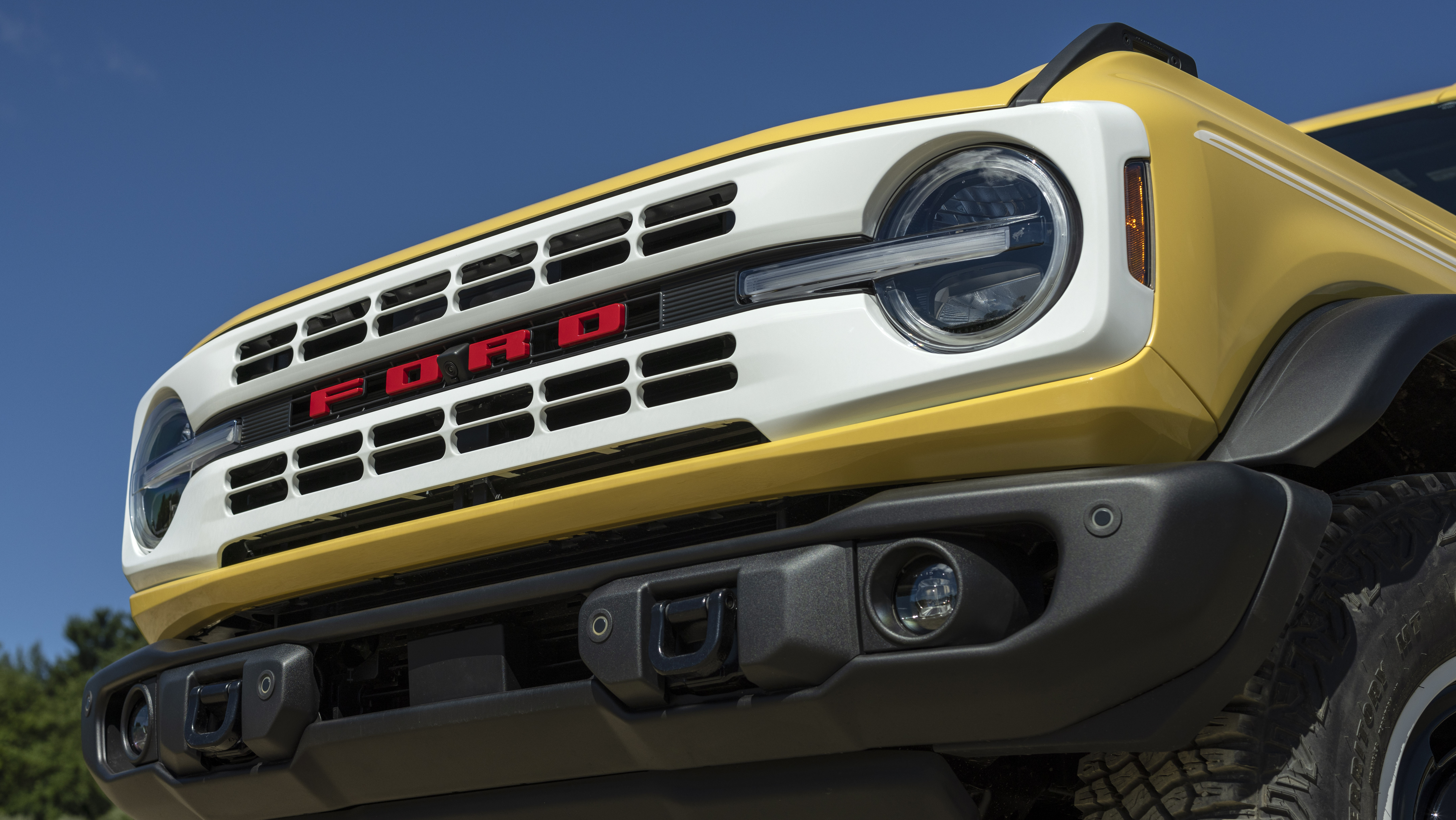
Absolutely, provided you select an RV that aligns with its towing capacity and take the necessary precautions to ensure safety and compliance. The Bronco is more than just an off-road legend; it’s a multifaceted vehicle capable of handling the demands of towing when properly equipped and used responsibly.
By understanding its capabilities, considering essential factors before towing, and enhancing your experience with the right accessories and habits, you can embark on memorable adventures with confidence.
Final Bronco Towing Tips:
- Always refer to the Ford Bronco Owner’s Manual for specific guidelines and recommendations related to towing.
- Keep an eye on the weather forecasts, as towing in adverse conditions like heavy rain or strong winds can be more challenging.
- Stay connected with the Bronco community forums and groups for shared experiences, tips, and advice.
With careful planning and respect for the vehicle’s limits, the possibilities are vast. Happy trails and safe towing!

We’ll Help You Find the Best Free Camping in the USA
You should give it a try!
As a matter of fact, these free campsites are yours to enjoy. Every time you pay federal taxes, you’re contributing to these lands.
Become a FREE CAMPING INSIDER and join the 100,000 campers who love to score the best site!
We’ll send you the 50 Best Free Campsites in the USA (one per state). Access the list by submitting your email below:
Hi guys, I’ll be watching for this Bronco to arrive. I owned the 1979 full size back in the day and always loved it.
Thanks for the posting!!
Paul