Alright, let’s get this foodie party started with some extremely bizarre foods. If you thought the U.S. culinary scene was all burgers and fries, think again. We’re diving deep into the wildest, weirdest, and most wonderfully wacky foods that people actually eat across the country.
From the swamps of Louisiana to the mountains of Colorado, America is serving up dishes that’ll make you question everything you thought you knew about good eats.
Buckle up, because we’re about to embark on a gastronomic rollercoaster through 30 bizarre foods that are as American as, well, deep-fried butter.

1. Rocky Mountain Oysters
Vibe Scale: Nasty (but oddly intriguing)
Description and Origin
Let’s kick things off with a dish that’s not what it seems. Rocky Mountain Oysters aren’t seafood at all—they’re deep-fried bull testicles. Yeah, you read that right. These “oysters” are peeled, pounded flat, coated in seasoned flour, and then fried to golden perfection. Served with cocktail sauce or gravy, they’re a crunchy snack with a tender center, embodying that classic fried goodness Americans love.
Originating in the cattle ranching regions of the Rocky Mountains, particularly in Colorado and Montana, this dish was born out of necessity. Ranchers didn’t want to waste any part of the animal, so they got creative.
Over time, Rocky Mountain Oysters have become a novelty item, featured in food festivals like the “Testicle Festival” in Montana. It’s a testament to the “waste not, want not” ethos and a quirky part of Western culinary tradition.

2. Fried Butter
Vibe Scale: Good (but your arteries might disagree)
Description and Origin
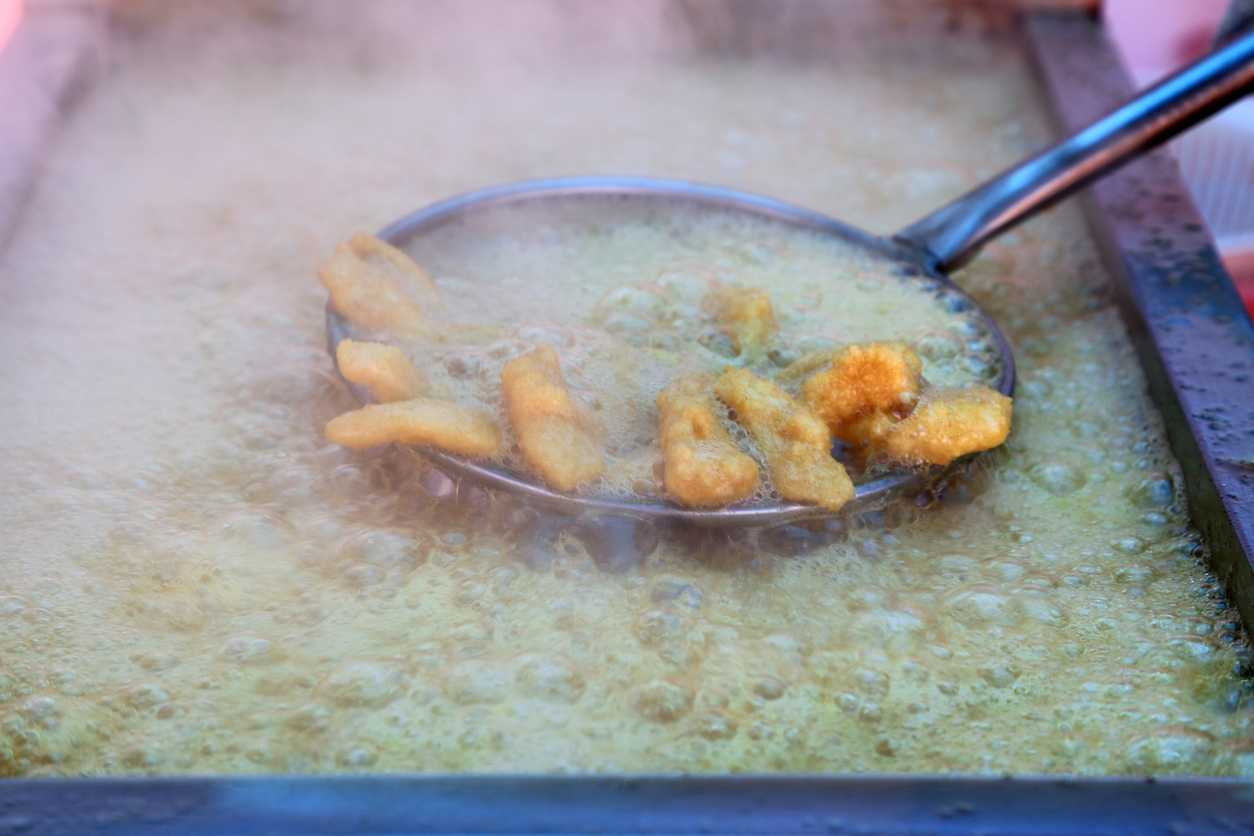
If you thought America couldn’t get any more extra with its fried foods, think again. Fried butter is exactly what it sounds like: frozen butter coated in a sweet batter and deep-fried until the outside is crispy and the inside is a molten, buttery explosion. It’s often dusted with powdered sugar or drizzled with honey for that extra touch of decadence.
This heart-stopping treat made its grand debut at the Texas State Fair in 2009, thanks to Abel Gonzales Jr., a chef known for pushing the boundaries of fair food.
It quickly became a sensation, embodying the fair’s spirit of indulgence and culinary creativity. Fried butter has since popped up at state fairs across the country, symbolizing America’s love affair with all things deep-fried and deliciously over-the-top.
3. Lutefisk
Vibe Scale: Nasty (but a cultural icon)
Description and Origin
Lutefisk is a dish that challenges even the most adventurous eaters. It’s made from dried whitefish—usually cod—that’s been soaked in a lye solution for several days. Yes, lye, the same chemical used in soap making. This process gives the fish a gelatinous texture that’s both slippery and slightly translucent. After the lye treatment, the fish is soaked in water again to make it safe to eat, then boiled or baked.
The dish hails from Scandinavian countries but found its American home in the Upper Midwest, especially Minnesota and Wisconsin, where many Norwegian immigrants settled in the late 19th and early 20th centuries.
Lutefisk dinners are a holiday tradition in these communities, often hosted by churches as fundraisers. While the smell and texture might be off-putting to outsiders, for many, it’s a nostalgic nod to their heritage and a way to keep cultural traditions alive.

4. Scrapple
Vibe Scale: Good (if you don’t think too hard about it)
Description and Origin
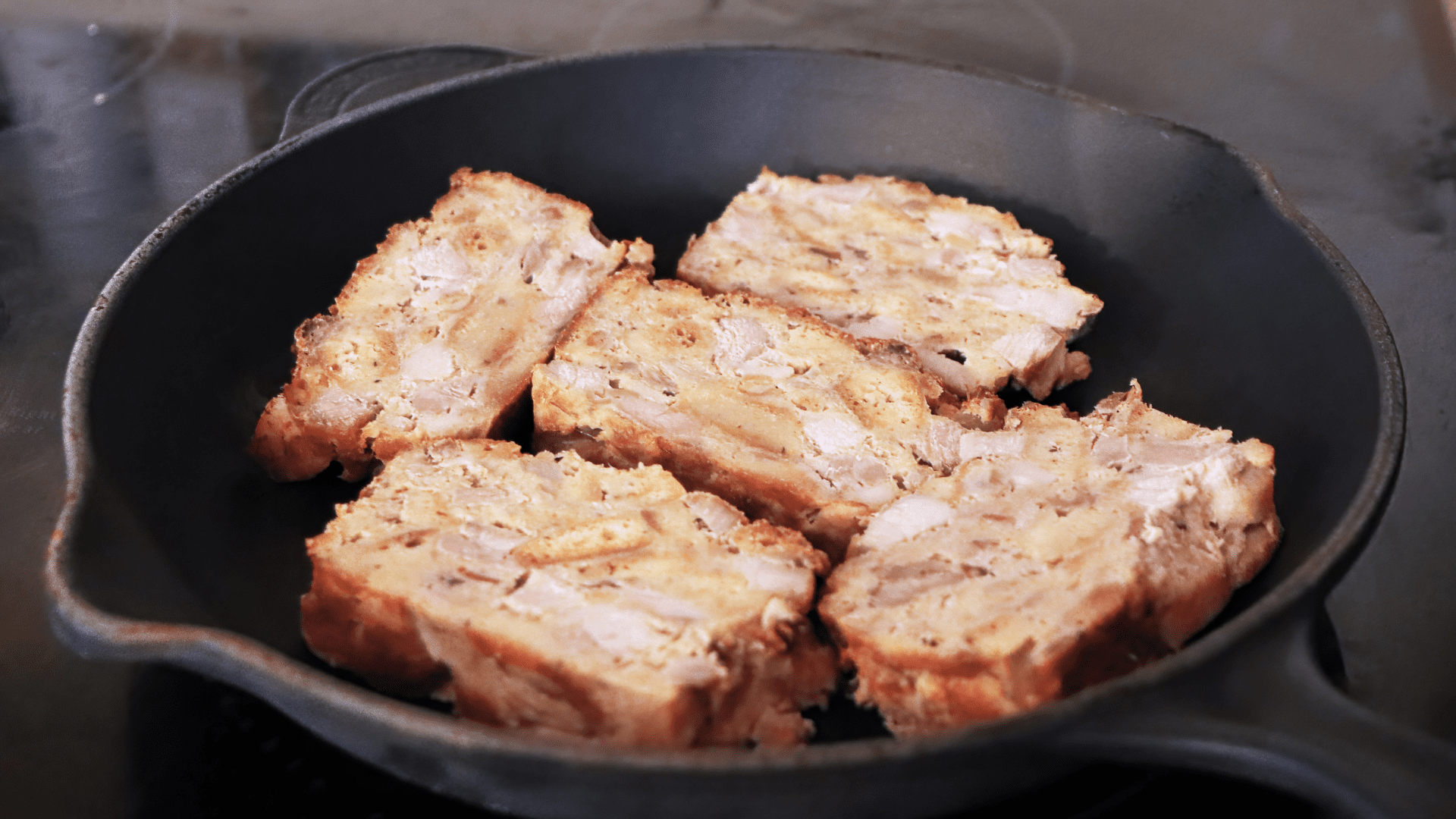
Scrapple is the original nose-to-tail dish, making use of pork scraps and trimmings that might otherwise go to waste. These bits are boiled with spices, mixed with cornmeal and wheat flour, and formed into a loaf that’s sliced and fried until crispy on the outside. The result is a savory, slightly spicy meat block that’s a breakfast staple in parts of the country.
This dish has its roots in the Pennsylvania Dutch community, dating back to the 17th and 18th centuries. German immigrants brought with them the practice of utilizing every part of the animal, and scrapple was a practical solution to food scarcity.
Today, it’s especially popular in the Mid-Atlantic states like Pennsylvania, Delaware, and Maryland. Served alongside eggs or in a sandwich, scrapple is a comfort food that connects people to simpler times.
5. Chitlins (Chitterlings)
Vibe Scale: Nasty (but a soul food staple)
Description and Origin
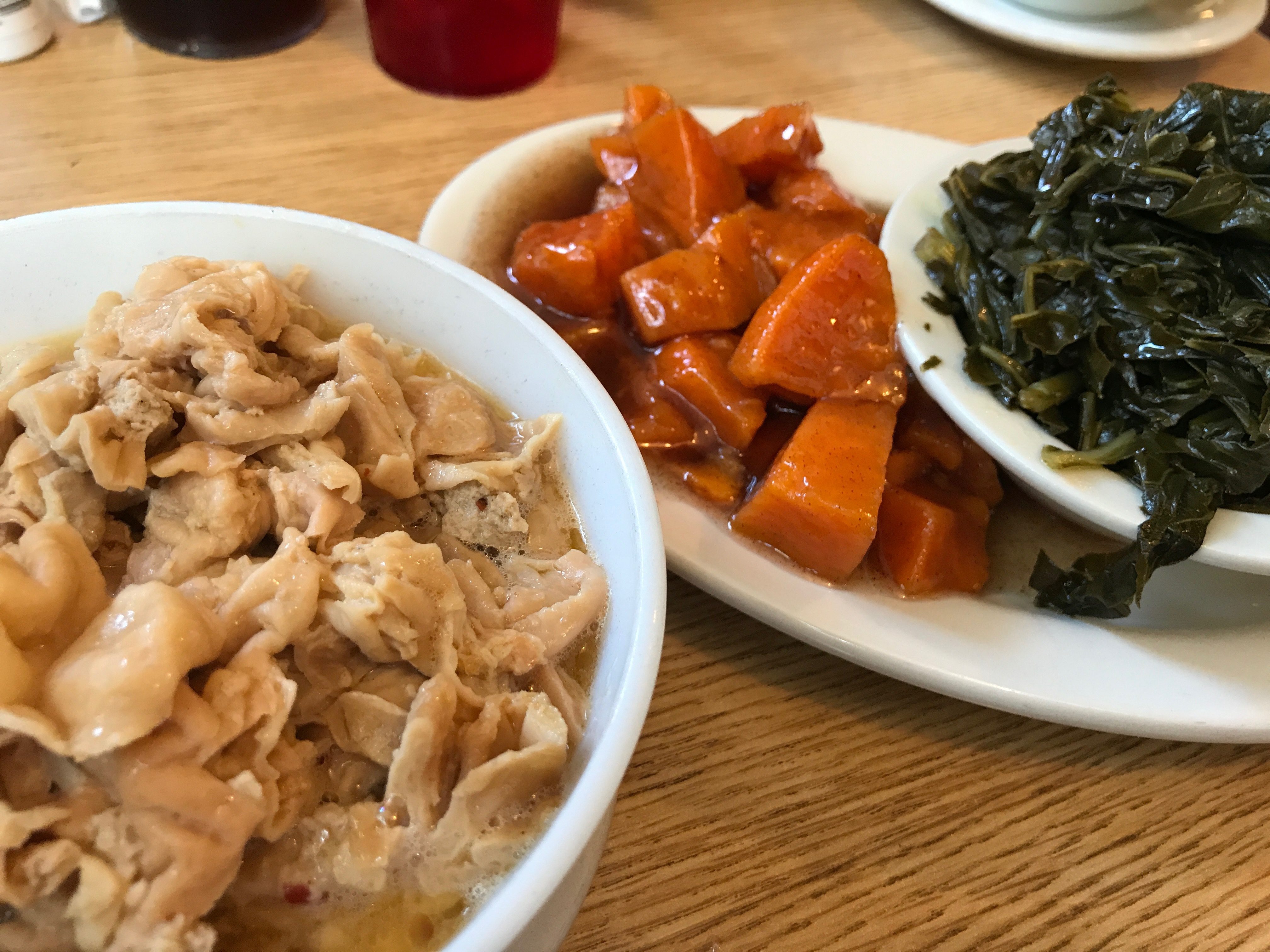
Chitlins are small intestines of pigs, meticulously cleaned and cooked over a long period to tenderize them. They’re often boiled or fried and seasoned heavily to mask any residual odors. The texture is chewy, and the flavor is… well, let’s say it’s an acquired taste that many swear by.
The dish traces back to West Africa and became a significant part of African-American soul food during the era of slavery. Enslaved people were given the least desirable parts of the animal, and chitlins were transformed into a dish that provided sustenance and a sense of community.
Today, they’re still prepared in Southern kitchens during holidays and family gatherings, symbolizing resilience and cultural heritage.
6. Fried Alligator
Vibe Scale: Good (wildly delicious)
Description and Origin
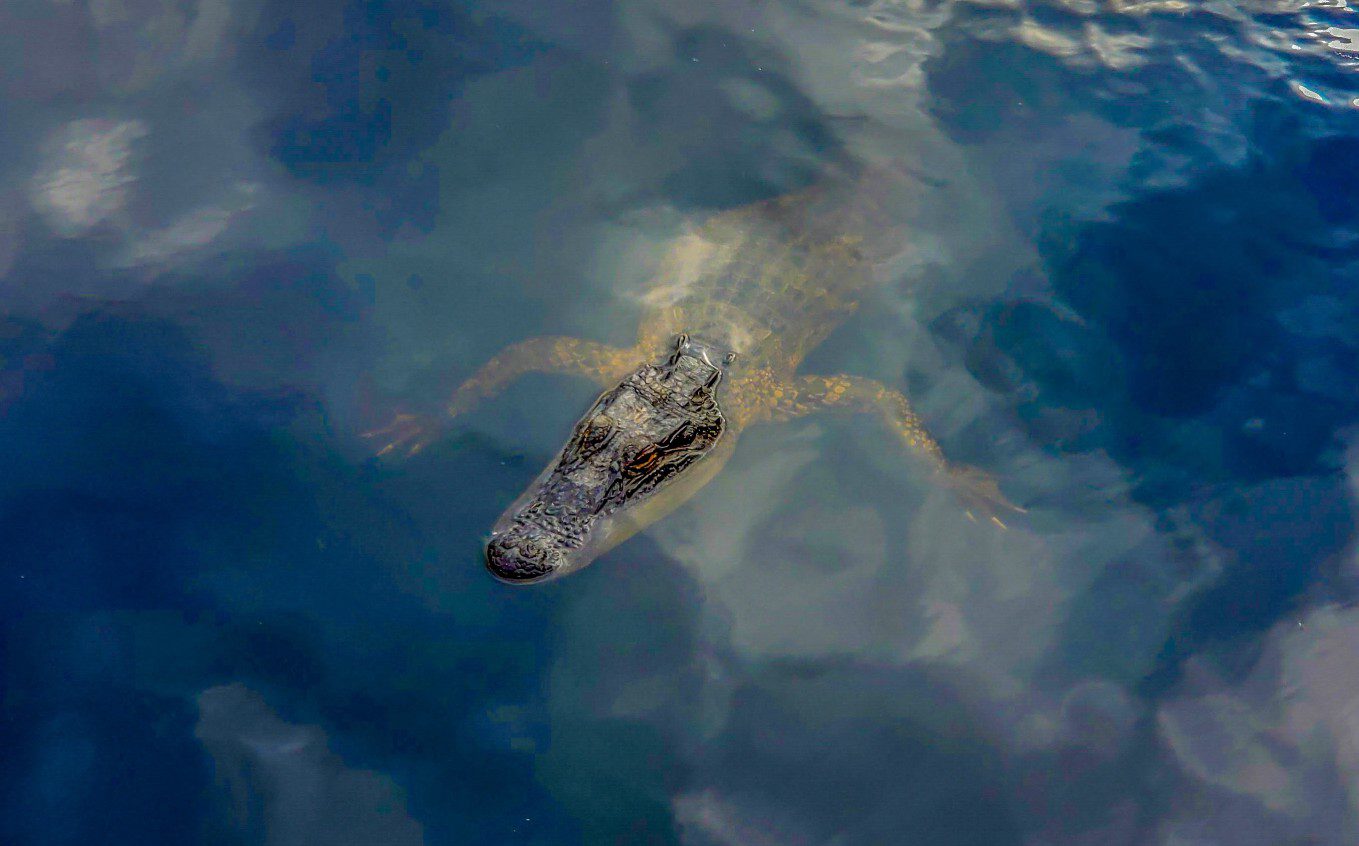
Fried alligator brings a taste of the swamp straight to your plate. The meat is typically marinated to reduce any gaminess, then battered and deep-fried, resulting in tender bites that are often compared to chicken but with a firmer texture. It’s usually served with spicy dipping sauces that complement its mild flavor.
This dish is most popular in Southern states like Louisiana and Florida, where alligators are plentiful. Alligator hunting has been part of the local culture for centuries, initially for hides and later for meat as well.
The Cajun and Creole influences in these regions have embraced alligator as a versatile ingredient, featuring it in dishes ranging from gumbo to jambalaya.
7. Geoduck
Vibe Scale: Nasty (looks weird but tastes great)
Description and Origin
The geoduck is a colossal clam native to the Pacific Northwest, notably Washington state. It’s known for its long siphon or “neck” that can extend several feet beyond its shell. The meat is prized for its sweet flavor and crunchy texture, often served raw as sashimi or lightly sautéed.
Harvested by Native American tribes for centuries, the geoduck has become a lucrative export to Asian markets, where it’s considered a delicacy. Its unusual appearance has made it a subject of curiosity and even internet fame.
While it might look intimidating, those who dare to try geoduck often become fans of its unique taste.

8. Pickled Pig’s Feet
Vibe Scale: Nasty (but surprisingly tangy)
Description and Origin
Pickled pig’s feet are exactly what they sound like—pig feet cured in a salty, vinegary brine. The texture is gelatinous with bits of meat and fat, offering a chewy experience that’s packed with intense flavors. They’re eaten straight out of the jar or sometimes added to stews for extra richness.
This snack has roots in Southern cuisine and was popular among African-American communities during times when resources were scarce. Pickling was a method of preservation, allowing people to make the most of the entire animal.
Today, you can still find jars of pickled pig’s feet in Southern grocery stores and gas stations, a testament to their enduring appeal.

9. Fried Rattlesnake
Vibe Scale: Good (if you’re feeling brave)
Description and Origin
Fried rattlesnake is a dish that takes “dining on the wild side” to a whole new level. The meat is white, lean, and somewhat tough, requiring marination to tenderize it. Once prepared, it’s battered and fried, often served with a side of spicy dipping sauce. The taste is commonly described as a cross between chicken and fish.
This culinary adventure is most associated with Southwestern states like Texas and Arizona. Rattlesnake Roundups are events where communities gather to hunt snakes, which are then used in various ways, including as food.
The tradition stems from both pest control and cultural practices, turning a dangerous animal into a source of sustenance and even celebration.

10. Koolickles
Vibe Scale: Nasty (but oddly satisfying)
Description and Origin
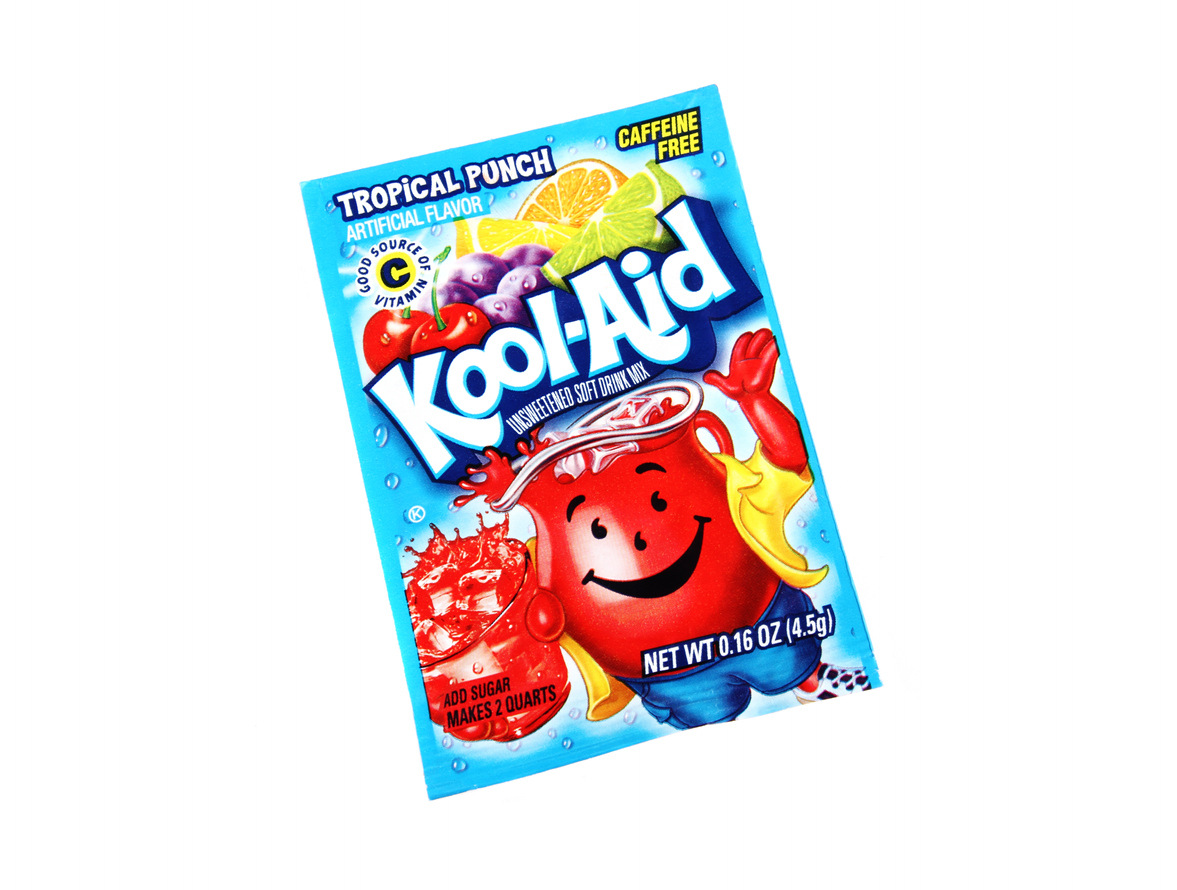
Koolickles are dill pickles soaked in Kool-Aid, resulting in a sweet and sour snack that’s as colorful as it is flavorful. The pickles absorb the sugary drink mix, transforming into bright red or purple spears that are both tangy and sweet. It’s a sensory experience that challenges your taste buds in unexpected ways.
This quirky treat originated in the Mississippi Delta, a region known for its rich cultural tapestry and innovative food traditions. Koolickles are especially popular among children and are often sold at convenience stores and concession stands.
They represent a unique blend of Southern pickling practices with a modern twist, showcasing the inventive spirit of regional American cuisine.
11. Spam Musubi
Vibe Scale: Good (a savory island snack)
Description and Origin
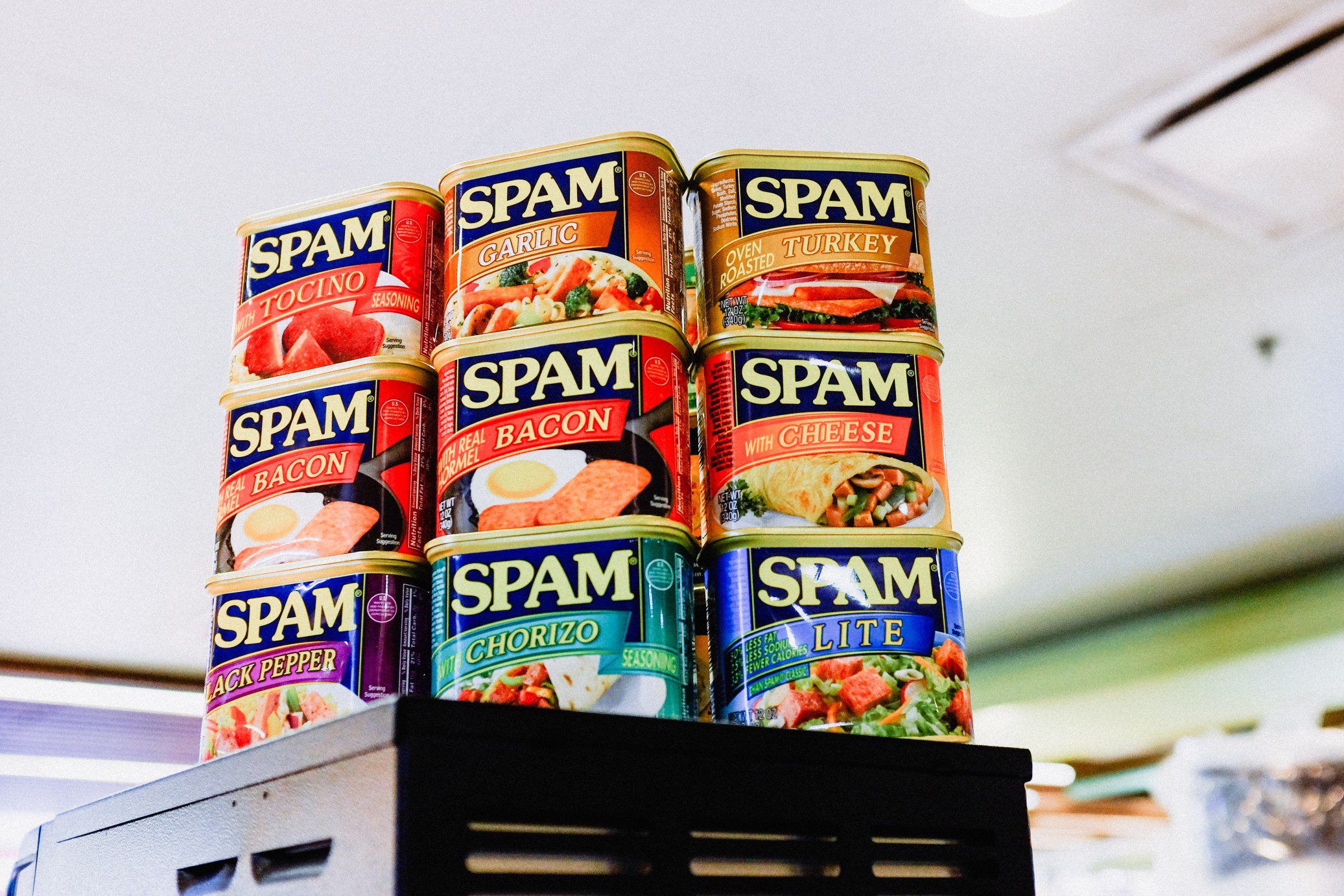
Spam Musubi is a popular Hawaiian snack that combines a slice of grilled Spam atop a block of rice, all wrapped together with a strip of nori seaweed. This handheld treat is a fusion of Japanese onigiri and the uniquely American love affair with Spam, offering a salty and satisfying bite that’s both portable and delicious.
The origin of Spam Musubi dates back to World War II when Spam was introduced to the Hawaiian Islands by American soldiers. Due to meat shortages, Spam became a valuable resource, and the locals incorporated it into their traditional dishes.
Over time, Spam Musubi became a staple in Hawaiian cuisine, reflecting the islands’ multicultural influences and resourcefulness.
12. Fried Brain Sandwiches
Vibe Scale: Nasty (but a Midwest tradition)
Description and Origin
Fried Brain Sandwiches consist of thinly sliced calf brains, battered and fried until crispy, then served on sliced bread with lettuce, onion, and sometimes pickles. The texture is creamy on the inside with a crunchy exterior, offering a unique culinary experience that challenges conventional tastes.
This dish originated in the St. Louis area, particularly in small towns along the Ohio River Valley. Brought over by German immigrants in the 1800s, it became a popular bar food and lunch option.
Despite health concerns and changing tastes, a few establishments continue to serve Fried Brain Sandwiches, preserving a piece of regional history.

13. Corn Smut (Huitlacoche)
Vibe Scale: Good (a gourmet fungus)
Description and Origin
Huitlacoche, also known as corn smut, is a fungus that infects corn kernels, turning them into enlarged, mushroom-like galls. While it may look unappetizing, this ingredient is considered a delicacy, prized for its earthy, smoky flavor that enhances dishes like quesadillas, soups, and tamales.
Originating from Mexican cuisine, Huitlacoche has made its way into American kitchens, particularly in the Southwest and among culinary enthusiasts.
Farmers in the U.S. once considered it a blight, but now some intentionally cultivate it due to its rising popularity. It’s a testament to how perceptions can shift, turning a crop disease into a sought-after gourmet ingredient.

14. Fried Coke
Vibe Scale: Good (soda on steroids)
Description and Origin
Fried Coke is a decadent treat where Coca-Cola-flavored batter is deep-fried into small dough balls, then drizzled with cola syrup, whipped cream, and a cherry on top. It’s a dessert that captures the essence of the classic American soda in a new, indulgent form.
Introduced at the State Fair of Texas in 2006 by inventor Abel Gonzales Jr., Fried Coke quickly gained popularity and spread to fairs across the country.
It exemplifies the American fair tradition of frying just about anything, pushing the boundaries of culinary creativity and caloric intake.
15. Garbage Plate
Vibe Scale: Good (a late-night legend)
Description and Origin
The Garbage Plate is a heaping assortment of home fries, macaroni salad, baked beans, and meat (like hamburger patties or hot dogs), all piled together and topped with onions, mustard, and a meaty hot sauce. It’s a messy, hearty dish that’s perfect for soaking up a night of revelry.
Originating from Nick Tahou Hots in Rochester, New York, in the early 20th century, the Garbage Plate has become a local icon. It’s a rite of passage for college students and a must-try for visitors seeking an authentic taste of Rochester’s culinary scene. The dish reflects the city’s working-class roots and its embrace of unpretentious, satisfying food.

16. Burgoo
Vibe Scale: Good (a stew of many flavors)
Description and Origin
Burgoo is a thick stew made from a variety of meats like pork, beef, chicken, and sometimes even game meats like venison or squirrel. It’s combined with vegetables such as potatoes, corn, and okra, simmered slowly until all flavors meld into a hearty, comforting dish.
This stew is a staple in Kentucky, especially during social gatherings and festivals. The origins of Burgoo date back to the 19th century, where it was prepared in large kettles to feed crowds at political rallies and community events.
It’s a dish that embodies community spirit, with recipes often passed down through generations and varying from one family to another.

17. Livermush
Vibe Scale: Good (don’t judge by the name)
Description and Origin
Livermush is a loaf made from pig liver, head parts, cornmeal, and spices. Sliced and fried until crispy on the outside, it’s commonly served for breakfast alongside eggs or in a sandwich with mustard and onions.
This dish is beloved in North Carolina, particularly in the western regions. It originated from German settlers who brought their sausage-making traditions to the New World. Livermush festivals celebrate this unique food, highlighting its role in local culture and cuisine.
18. Akutaq (Eskimo Ice Cream)
Vibe Scale: Good (a sweet tradition)
Description and Origin
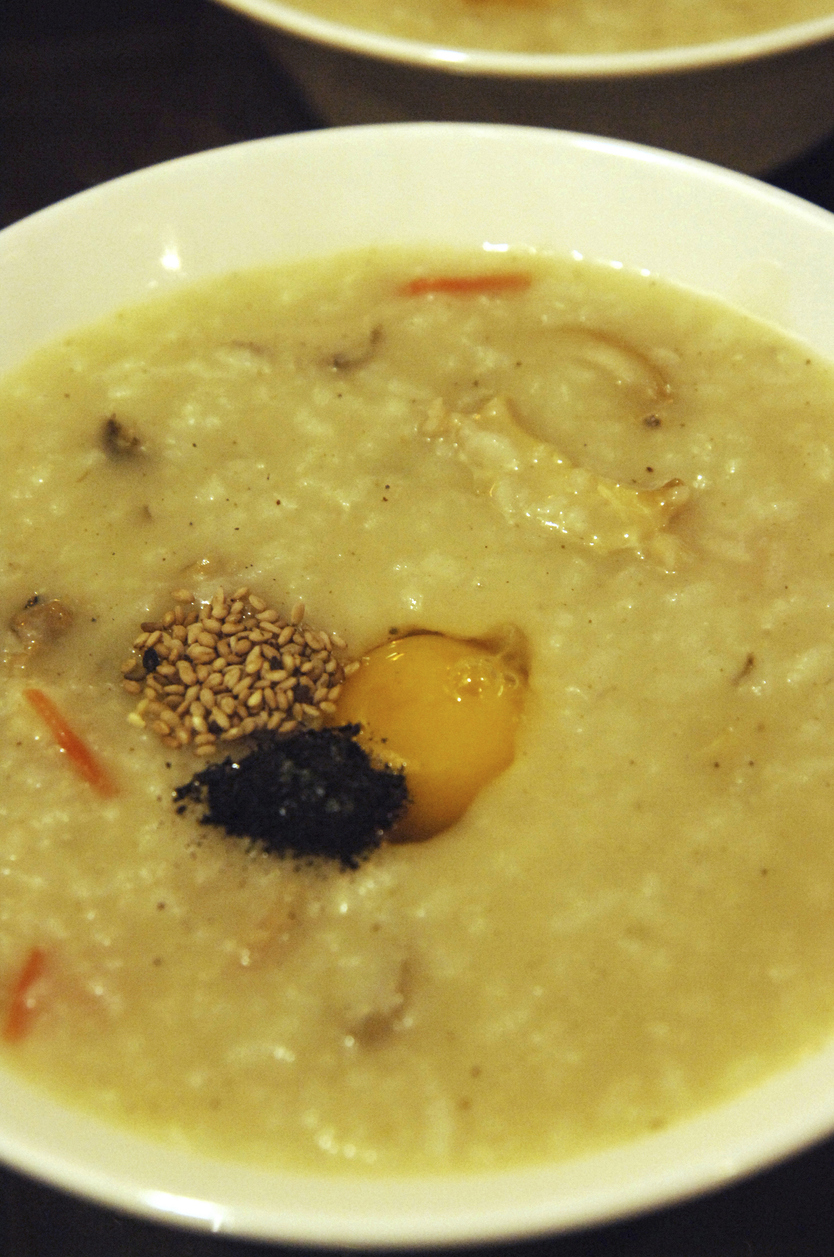
Akutaq, also known as Eskimo Ice Cream, is a blend of whipped animal fats like reindeer or seal fat mixed with berries and sometimes sugar or snow. The result is a light, fluffy dessert that’s rich in calories—a necessity for survival in harsh Arctic climates.
This dish is traditional among Alaska Native peoples, including the Yup’ik and Inupiaq communities. Akutaq is more than just food; it’s a part of ceremonies and celebrations, representing hospitality and the sharing of resources.
It’s a dish that reflects the ingenuity and adaptability of indigenous cultures to their environment.

19. Reindeer Hot Dogs
Vibe Scale: Good (a taste of the Arctic)
Description and Origin
Reindeer Hot Dogs are sausages made from reindeer meat, often grilled and served with onions, mustard, and special sauces. The meat is lean and flavorful, offering a unique twist on the classic hot dog.
These hot dogs are popular street food in Anchorage, Alaska. Vendors like M.A.’s Gourmet Dogs have made them a must-try for tourists and locals alike.
The use of reindeer meat showcases Alaska’s local resources and provides a culinary experience that’s distinct to the region.

20. Frito Pie
Vibe Scale: Good (comfort food at its finest)
Description and Origin
Frito Pie is a dish consisting of Fritos corn chips topped with chili, cheese, onions, and sometimes jalapeños. It’s served in a bowl or, authentically, right in the Fritos bag, making it a convenient and satisfying meal.
Originating in the Southwest, particularly New Mexico and Texas, Frito Pie has become a staple at football games, fairs, and school cafeterias.
Its creation is attributed to Teresa Hernández, who served it at Woolworth’s lunch counter in Santa Fe in the 1960s. The dish embodies the Tex-Mex fusion and the American penchant for convenient, hearty snacks.

21. Boiled Peanuts
Vibe Scale: Good (salty and soft)
Description and Origin
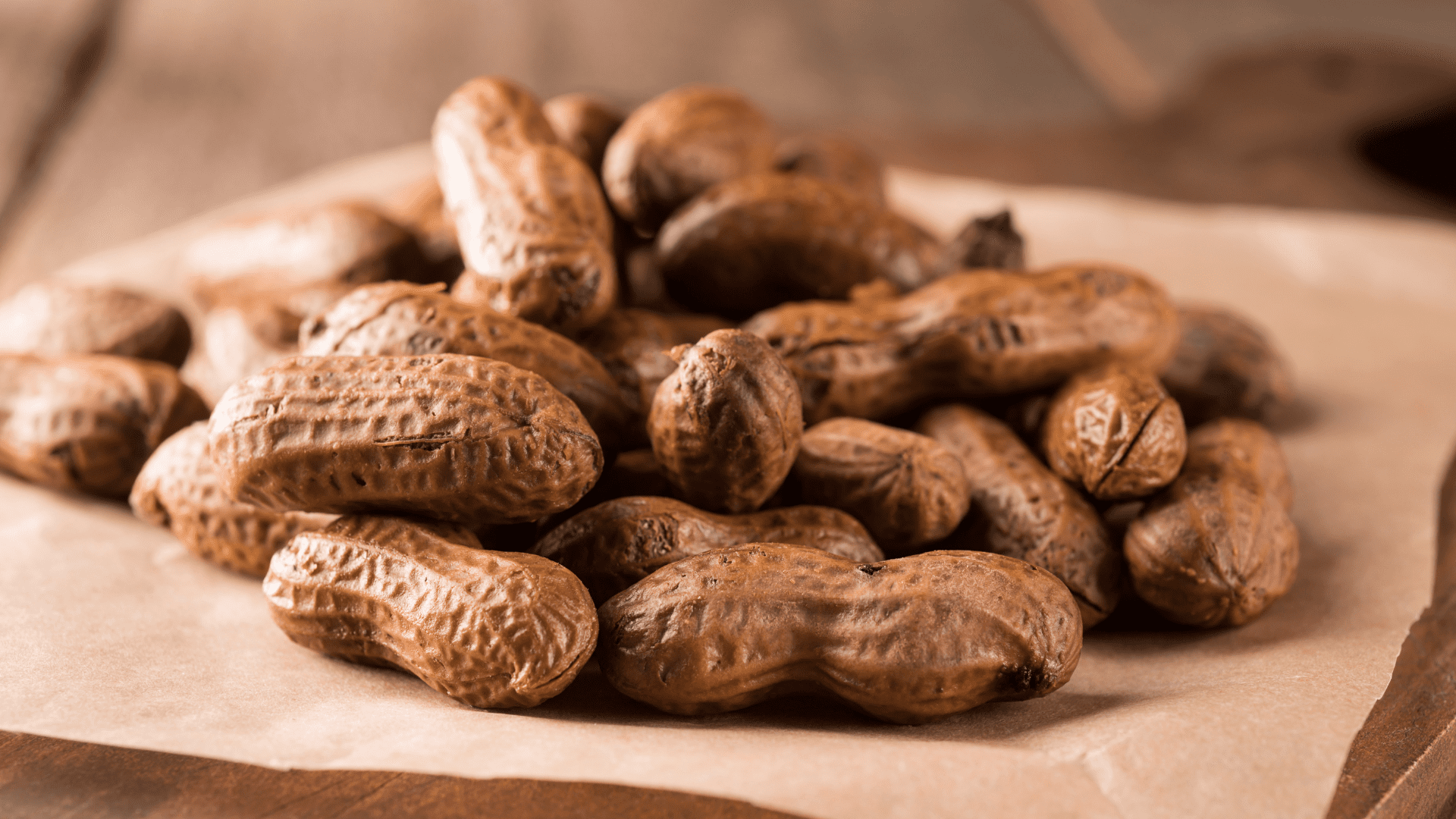
Boiled Peanuts are raw peanuts boiled in salty water until they reach a soft, bean-like texture. Eaten straight out of the shell, they’re a popular snack in the Southeastern United States, often sold at roadside stands and gas stations.
This Southern staple dates back to the 19th century and is especially associated with South Carolina and Georgia. Boiled Peanuts are more than just a snack; they’re a cultural icon representing Southern hospitality and tradition.
Their unique texture and flavor make them a must-try for anyone visiting the region.
22. Liver Pudding
Vibe Scale: Good (spiced just right)
Description and Origin
Similar to Livermush, Liver Pudding is made from pig liver, head meat, and cornmeal, but with a smoother texture. It’s seasoned with a blend of spices and typically sliced and fried, making it a savory addition to breakfast or sandwiches.
This dish is popular in South Carolina and parts of North Carolina. It reflects the resourcefulness of rural communities in making use of all parts of the animal.
Companies like Neese’s Country Sausage have been producing Liver Pudding for generations, keeping the tradition alive.

23. Frog Legs
Vibe Scale: Good (tastes like chicken)
Description and Origin
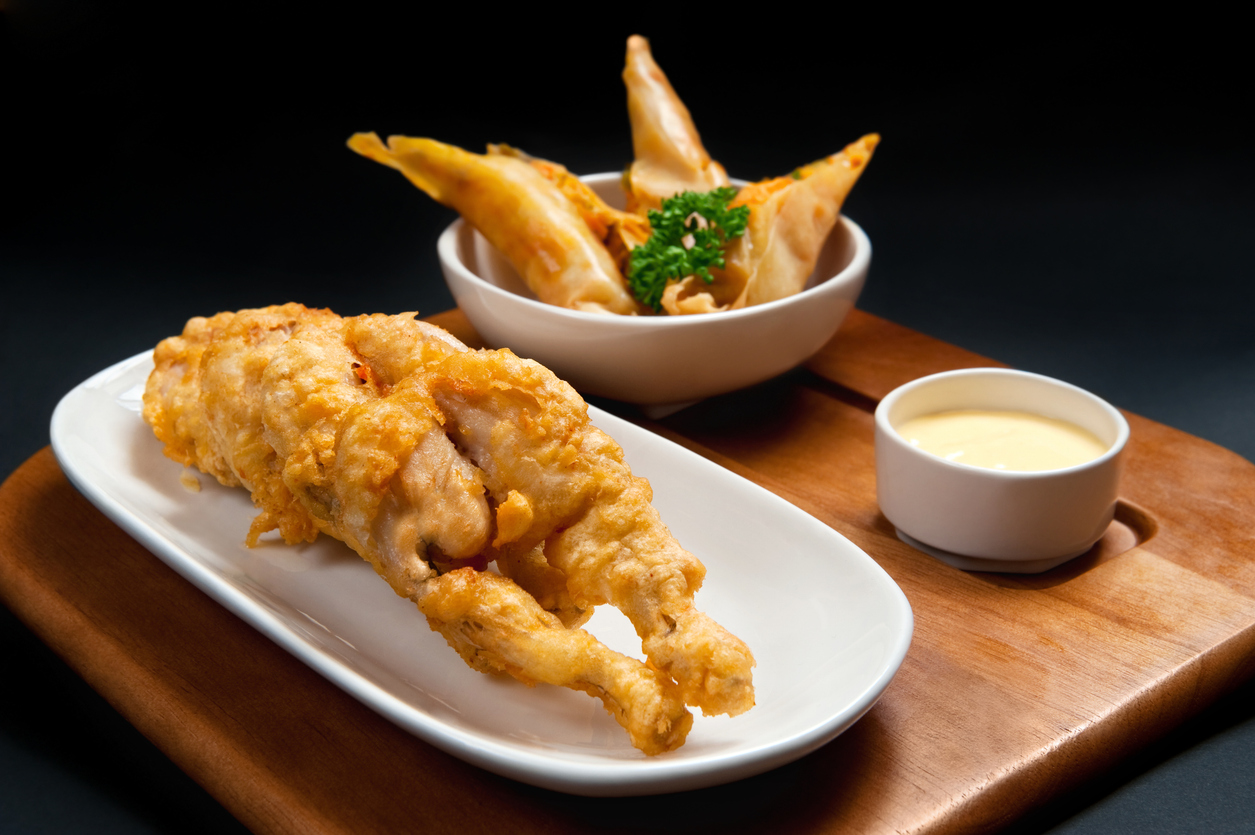
Frog Legs are exactly what they sound like—the legs of frogs, usually fried or sautéed. The meat is tender and mild, often compared to chicken or fish, and is served with various sauces or seasonings.
While commonly associated with French cuisine, Frog Legs have a place in Southern American cooking, particularly in Louisiana’s Cajun and Creole traditions.
Frog Gigging, or hunting frogs at night, is both a sport and a means of procuring this delicacy. It’s a dish that showcases the adventurous side of Southern palates.
24. Head Cheese
Vibe Scale: Nasty (but flavorful)
Description and Origin
Despite its name, Head Cheese is not a dairy product but a terrine made from the flesh of a pig’s head, set in aspic. It includes bits of meat, fat, and gelatin, sliced and often served cold on crackers or bread.
This dish has European roots but found its way into American kitchens through immigrant communities. It’s particularly popular in rural areas and among those who value nose-to-tail cooking.
Head Cheese represents a traditional approach to food, minimizing waste and maximizing flavor.

25. Cooter Soup
Vibe Scale: Good (a taste of the South)
Description and Origin
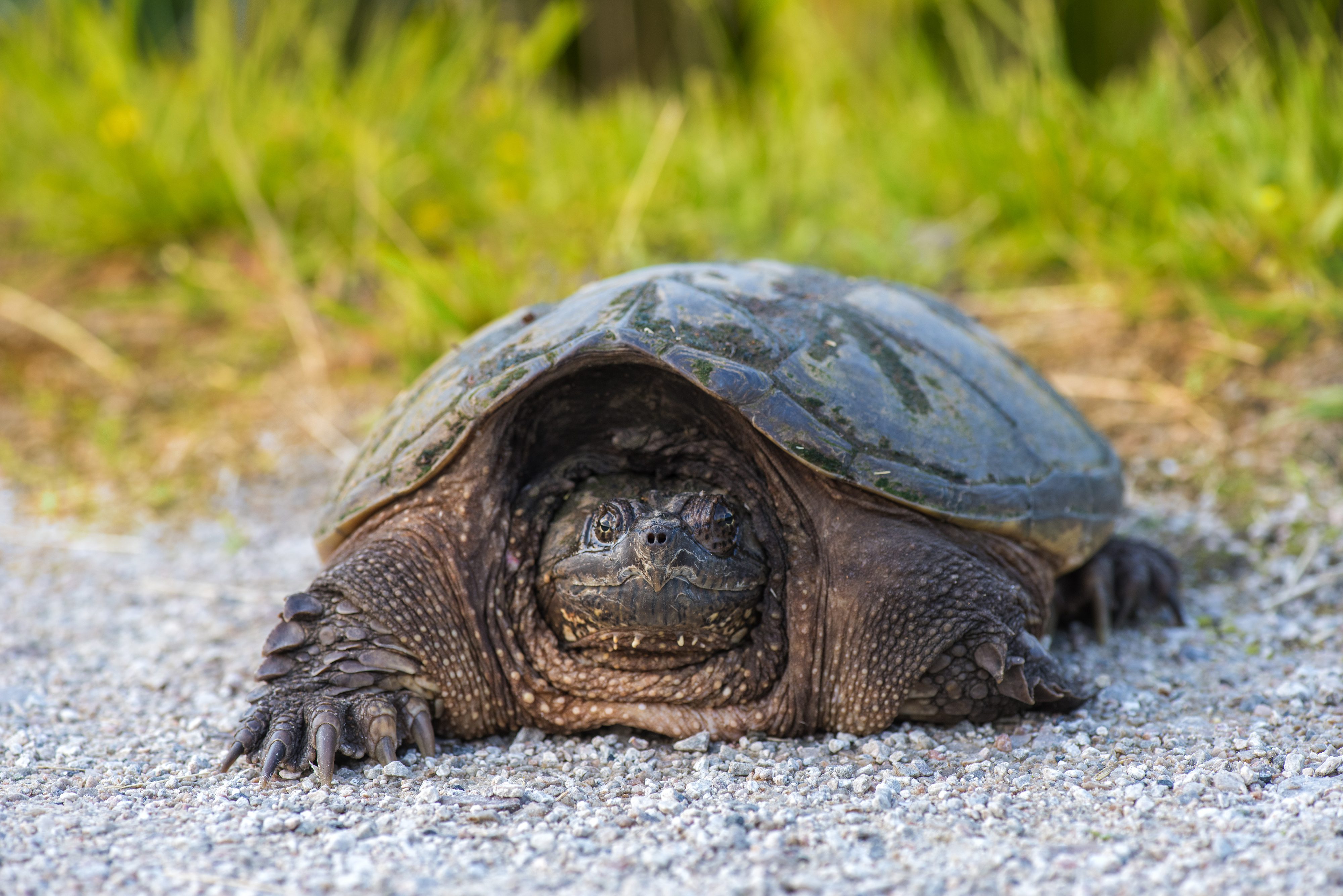
Cooter Soup is made from the meat of freshwater turtles, slow-cooked with vegetables, spices, and sometimes sherry or wine. The result is a rich, hearty soup with a flavor resembling a cross between chicken and fish.
This dish is traditional in parts of Florida and the Deep South. “Cooter” is a colloquial term for certain types of turtles found in the region.
The soup has historical significance, dating back to Native American and early settler cuisine. It’s a reflection of utilizing local resources and culinary traditions passed down through generations.
26. Goetta
Vibe Scale: Good (a Cincinnati favorite)
Description and Origin
Goetta is a mixture of ground pork and beef combined with steel-cut oats and spices, formed into a loaf and then sliced and fried. It’s a hearty breakfast food with a crispy exterior and a savory, meaty interior.
Originating from German immigrants in the Cincinnati area, Goetta was a way to stretch meat supplies by adding grains. It’s now a beloved local specialty, celebrated annually at the Goettafest.
The dish highlights the city’s German heritage and the ingenuity of resourceful cooking.

27. Gatorade Pickles
Vibe Scale: Nasty (but electrolytes, right?)
Description and Origin
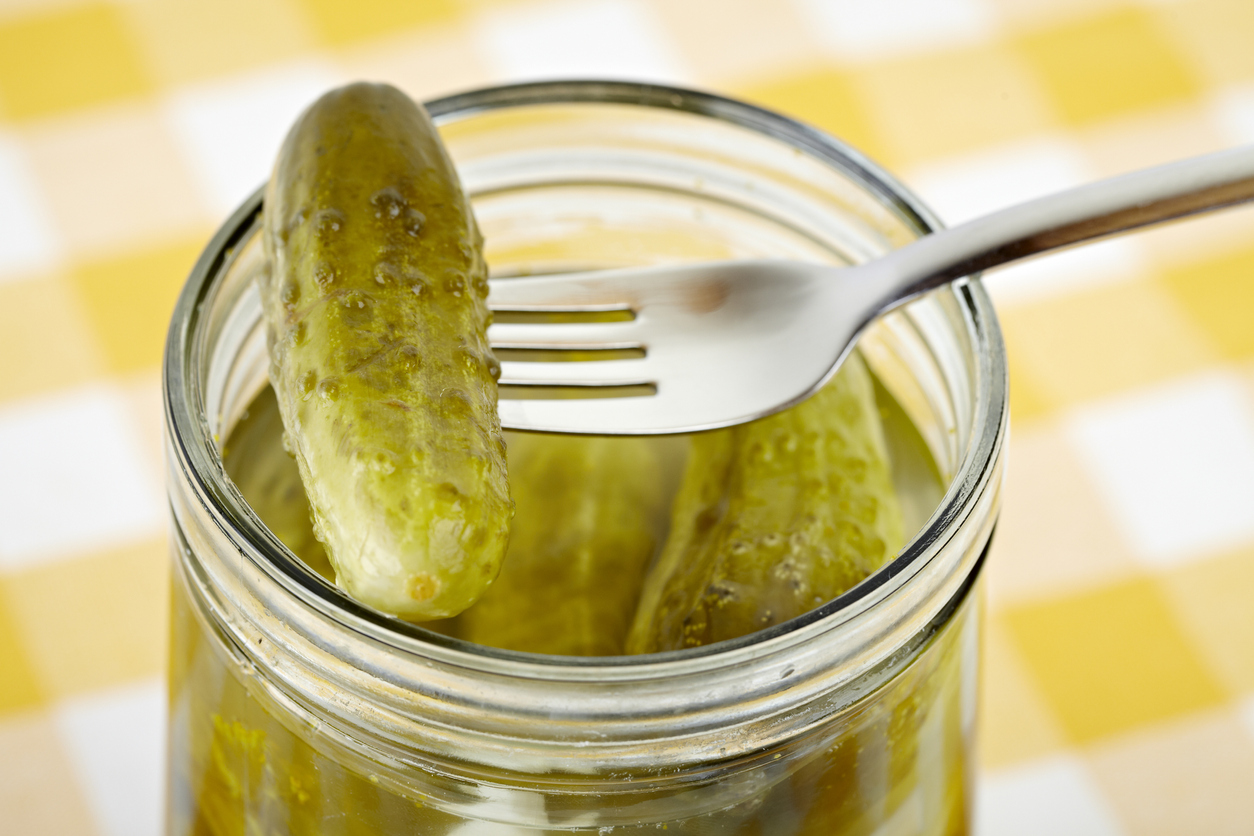
Gatorade Pickles are dill pickles soaked in various flavors of Gatorade, resulting in brightly colored, sweet-and-salty snacks. They’re a modern twist on the traditional pickle, appealing to those looking for something out of the ordinary.
This quirky snack has popped up in some Southern states, combining the love for pickles with the popularity of sports drinks.
While not widespread, it represents the ongoing experimentation in American snacking culture.
28. Beer Cheese
Vibe Scale: Good (cheesy and boozy)
Description and Origin
Beer Cheese is a spread made from processed cheese blended with beer and spices like garlic and cayenne pepper. Served cold with crackers, pretzels, or veggies, it’s a flavorful appetizer with a kick.
This concoction hails from Kentucky, particularly around the Winchester area. Legend has it that it was created in the 1930s at a local restaurant.
Beer Cheese reflects the region’s love for bourbon and beer, integrating these elements into its culinary traditions.

29. Beaver Tail
Vibe Scale: Good (a pioneer snack)
Description and Origin
Not to be confused with the Canadian pastry of the same name, this Beaver Tail refers to the actual tail of a beaver, roasted over an open fire. The tail is fatty and rich, providing a source of energy and sustenance.
Historically, this was a food source for Native Americans and early settlers in North America. While not common today, it represents a part of frontier survival and the utilization of available resources in the wilderness.

30. Pork Roll (Taylor Ham)
Vibe Scale: Good (a Jersey staple)
Description and Origin
Pork Roll, also known as Taylor Ham, is a processed meat made from pork, salt, sugar, and spices. It’s sliced and fried, often served on a roll with egg and cheese—a classic breakfast sandwich in New Jersey.
Invented by John Taylor in 1856, Pork Roll has become an iconic food in New Jersey, sparking debates over its name depending on the region. It reflects the state’s unique culinary identity and has a dedicated fan base.

What are your Thoughts on Bizarre Foods in the USA?
Exploring the diverse and sometimes bizarre foods of the USA offers a window into the nation’s rich tapestry of cultures, histories, and traditions.
From the hearty comfort of Burgoo to the daring bite of Fried Rattlesnake, these dishes challenge our perceptions and invite us to experience the unexpected. Food is more than sustenance; it’s a narrative of who we are and where we’ve come from.
So next time you find yourself at a local diner, state fair, or regional festival, don’t shy away from trying something new—even if it sounds bizarre. You might discover a new favorite or at least walk away with a great story to tell. After all, life’s too short for bland food.
We’ll Help You Find the Best Free Camping in the USA
You should give it a try!
As a matter of fact, these free campsites are yours to enjoy. Every time you pay federal taxes, you’re contributing to these lands.
Become a FREE CAMPING INSIDER and join the 100,000 campers who love to score the best site!
We’ll send you the 50 Best Free Campsites in the USA (one per state). Access the list by submitting your email below: