Welcome to the RV lifestyle! But wait—before you hitch up and peel out, you’ve probably heard whispers around the campground or read a few forum posts that have you second-guessing which gadgets and gizmos you actually need.
Fear not, fellow traveler! We’re here to tackle 11 common myths about RV accessories, all while keeping things light, humorous, and, most importantly, informative.

Myth 1: All RV Accessories Are Expensive Luxuries
“Why should I spend money on fancy gadgets when my grandpa toured the country with nothing but a map and a dream?”
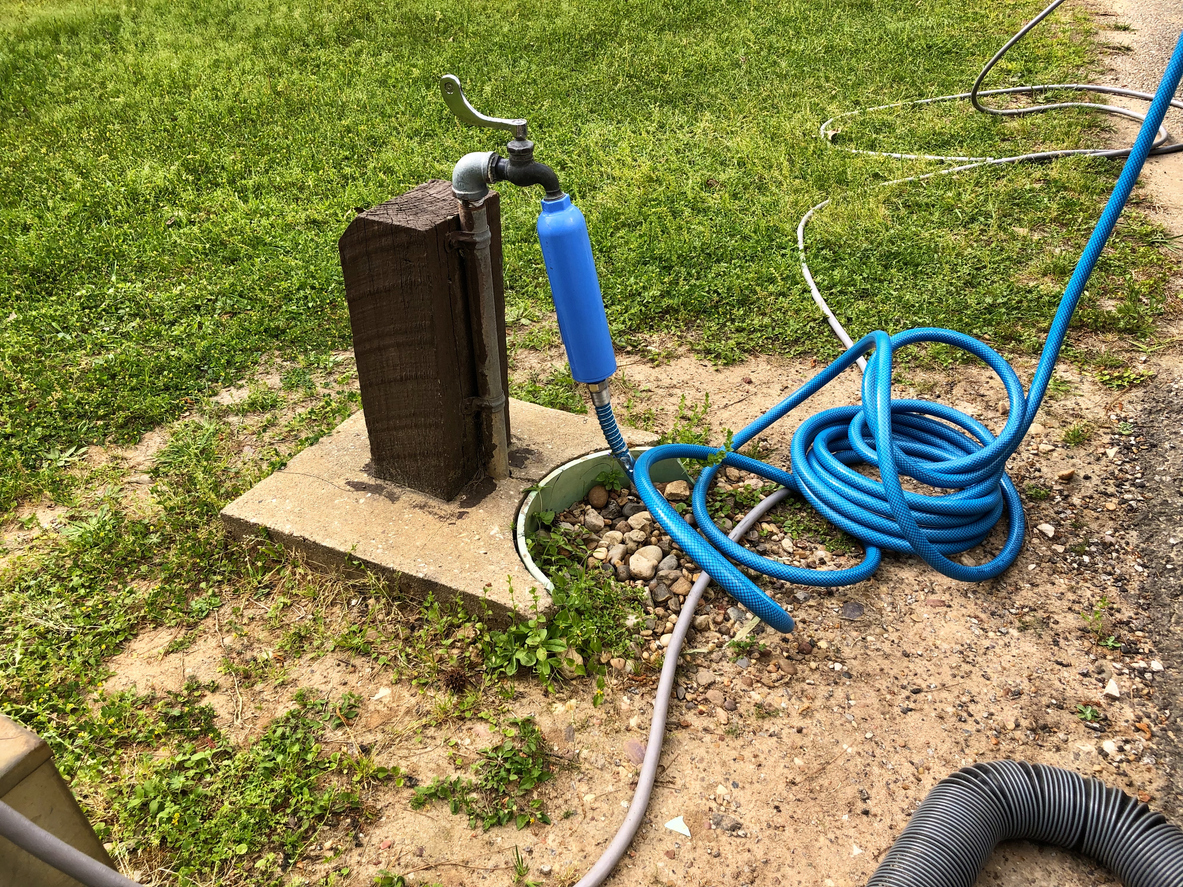
Ah, the age-old tale of frugality versus functionality. While it’s true that RV accessories can range from the modestly priced to the “I need to sell a kidney” level, not all of them are luxury items. Many accessories are designed to enhance safety, efficiency, and comfort—think water pressure regulators, tire pressure monitoring systems, and surge protectors.
Consider this: investing in a quality water filter might save you from an unfortunate encounter with “Old Faithful”—the not-so-affectionate nickname for your stomach after drinking questionable campground water.
Sometimes, spending a little upfront can save you a lot down the road, both in money and in avoiding unscheduled pit stops.
Myth 2: Solar Panels Won’t Work on My RV
“Solar panels are for hippies and off-grid tiny homes, not my luxurious motorhome!”
First off, kudos on embracing your inner glamper. Secondly, solar panels are more versatile than you might think. Modern RV solar panels are designed to be efficient, lightweight, and compatible with a variety of RV sizes and types. They’re not just for the tree-hugging, granola-munching nomads anymore.
By adding solar panels, you can reduce your reliance on noisy generators and enjoy the sweet serenade of nature—or at least the hum of the highway. Plus, you’ll be the eco-friendly hero of the RV park, and who doesn’t want that badge of honor?

Myth 3: Leveling Blocks? My RV Is Already Level
“The Earth is flat—ergo, my RV is level wherever I park it!”
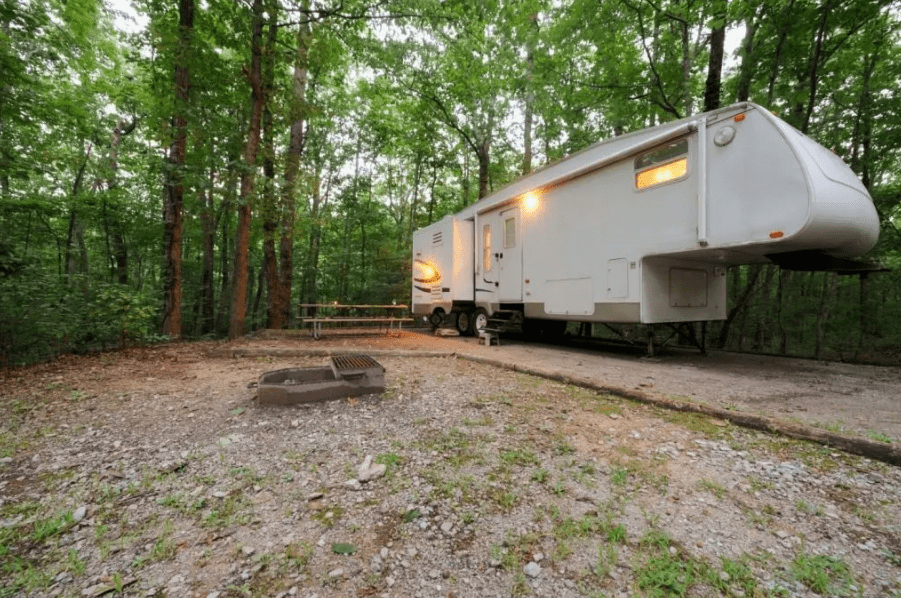
Well, if we ignore centuries of scientific evidence, you might be onto something. However, for those of us living in reality, the Earth’s surface is rarely perfectly flat. Skipping leveling blocks can lead to uncomfortable sleeping angles, misfiring appliances, and that odd sensation of walking uphill to the bathroom.
Moreover, your absorption fridge requires a level surface to operate efficiently. Unless you enjoy lukewarm beverages and semi-solid ice cream, investing in leveling blocks is a wise choice. Think of them as the unsung heroes preventing your RV life from becoming a slapstick comedy of sliding coffee cups and rolling canned goods.
PRO TIP: What is an RV Leveler?
Myth 4: Water Filters Aren’t Necessary; The Water Is Fine
“I have an iron stomach! What’s a little hard water gonna do?”
Ah, the bravado of the seasoned road warrior. While your digestive system might be as tough as old boots, the same can’t be said for your RV’s plumbing. Unfiltered water can carry sediments, minerals, and contaminants that may clog pipes and damage appliances.
Not to mention, campground water sources vary greatly. One day you’re tapping into pristine mountain springs, the next you’re connected to “Lake Muddy Bottom.” A good water filter ensures consistent water quality, protecting both your health and your RV’s innards.
Besides, who wants their morning coffee tasting like rust and regret?

Myth 5: RV GPS Systems Are a Waste of Money
“I have a smartphone with Google Maps—what more do I need?”
True, smartphones are marvels of modern technology, but they have their limitations. RV-specific GPS systems account for the size and weight of your vehicle, helping you avoid low bridges, weight-restricted roads, and other hazards that can turn your scenic route into a scene from an action movie.
Imagine the thrill of realizing you’re on a one-way street designed for compact cars, with no turn-offs and a bridge that’s two feet too low. Heart-pounding, yes. Desirable, no.
An RV GPS is like having a co-pilot who’s actually paying attention.
PRO TIP: RV GPS Routers: Decent, Better & Best

Myth 6: I Don’t Need Surge Protectors; My RV Is Tough
“My rig is built like a tank! A little electricity won’t hurt it.”
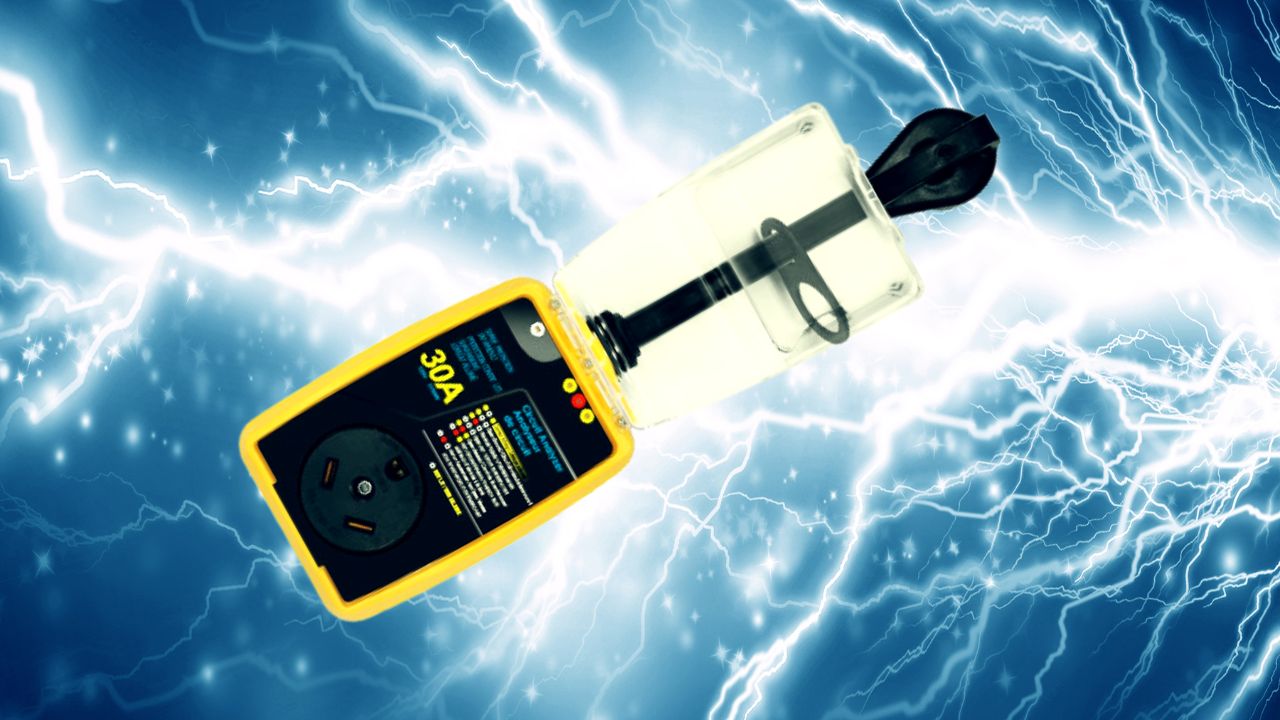
While your RV might withstand a meteor strike (disclaimer: it won’t), its electrical system is a bit more delicate. Campground power pedestals are notorious for inconsistent voltage, faulty wiring, and the occasional surge that can fry your appliances faster than a cheap toaster.
A surge protector acts as a bodyguard for your RV’s electrical components, intercepting rogue currents and saving you from costly repairs. Unless you’re keen on hosting a campfire sing-along titled “The Day My RV Became a Paperweight,” it’s a smart investment.
OUR PICK: Progressive Industries RV Surge Protector
Myth 7: Portable Grills Are Just Extra Weight
“I can cook everything inside; why lug around a grill?”
Sure, you could cook all your meals inside your RV’s compact kitchen, enveloped in the aroma of sizzling bacon that lingers for days. Or you could embrace the great outdoors and grill under the open sky, where the only limit is your imagination—and maybe the park’s fire regulations.
Portable grills are designed to be lightweight and space-saving. They expand your culinary horizons beyond what fits in a frying pan and keep the heat (and smells) outside.
Plus, grilling is a social activity. It’s easier to make friends when you’re flipping burgers than when you’re hunched over a microwave.
PRO TIP: 5 Best Portable Grills for RV Travel

Myth 8: An RV Cover Is Unnecessary; My RV Is Built to Last
“It’s an RV, not a delicate flower! It can handle a little weather.”
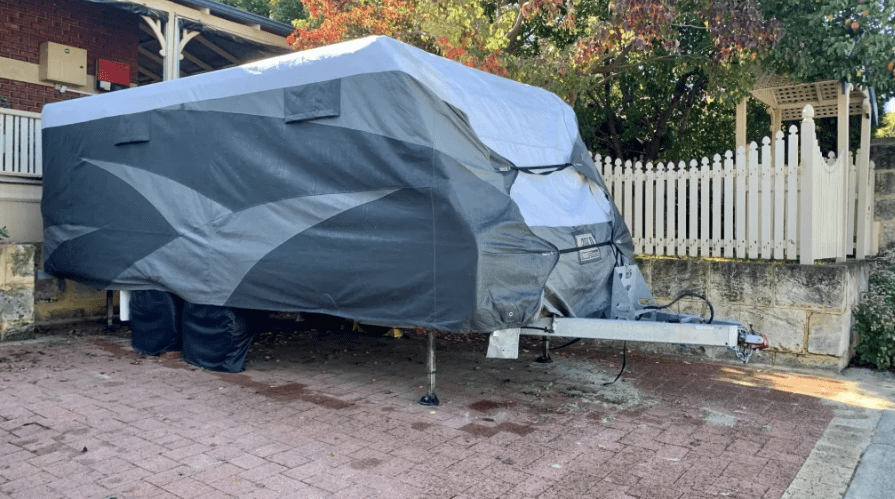
Indeed, your RV is built for adventure, but even the toughest rigs appreciate a little TLC. Prolonged exposure to sun, rain, snow, and debris can fade paint, crack seals, and lead to leaks. An RV cover acts like sunscreen and an umbrella combined, shielding your investment from the elements when it’s not in use.
Think of it this way: you wouldn’t leave your pet alpaca out in a hailstorm without shelter (you have a pet alpaca, right?). Similarly, your RV deserves protection to stay in tip-top shape for your next journey
DID YOU KNOW: Do You Need an RV Camper Cover?
Myth 9: I Can Use Regular Household Items Instead of RV Accessories
“Why buy special RV toilet paper? It’s all the same once it’s flushed!”
Tempting as it is to stock your RV with items from your local big-box store, some household products aren’t suitable for the RV environment. RV-specific items, like biodegradable toilet paper and holding tank treatments, are designed to break down efficiently, preventing clogs and odors.
Using regular household items might save you a few bucks now but could lead to messy and costly problems later. And trust us, no one wants to deal with a black tank backup while on vacation. That’s a horror story best left untold.
PRO TIP: REVIEWED: What Is a Toilet Paper Tablet?

Myth 10: Tire Pressure Monitoring Systems Are Overkill
“I can eyeball my tires; they’ve got plenty of air!”
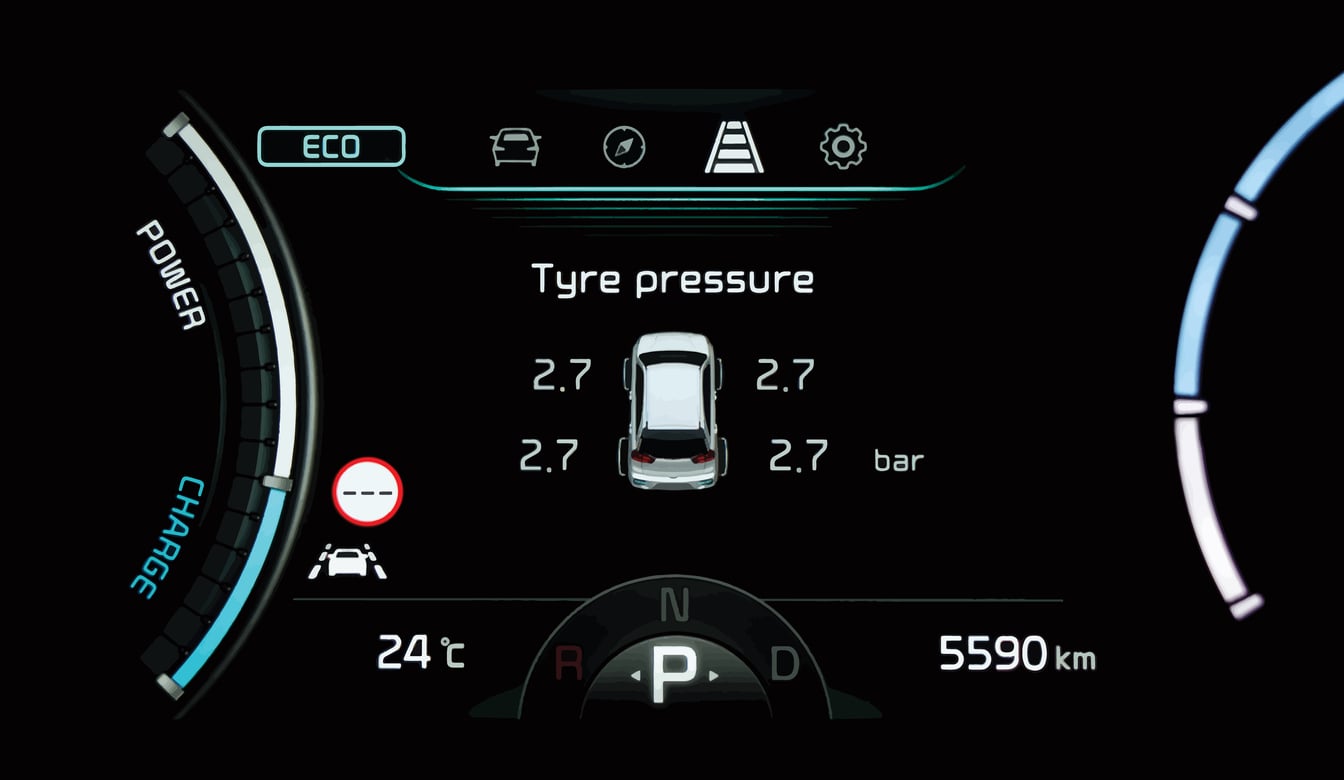
Unless you possess the uncanny ability to gauge PSI with a glance, a tire pressure monitoring system (TPMS) is a wise accessory. Underinflated or overinflated tires can lead to blowouts, reduced fuel efficiency, and uneven tire wear.
A TPMS provides real-time data, alerting you to issues before they become roadside emergencies. It’s like having a personal pit crew keeping an eye on your tires while you focus on the road—or the scenic view, or that suspiciously low-flying bird.
PRO TIP: Best Budget Tire Pressure Monitoring Systems to Keep You Rolling
Myth 11: All RV Accessories Are Universal Fit
“One size fits all, right? I’ll just grab whatever’s on sale.”
In a perfect world, perhaps. In reality, RVs come in various shapes, sizes, and designs. Accessories like wheel covers, window shades, and hitch mounts need to match your specific model for optimal performance.
Buying ill-fitting accessories can lead to inefficiency, damage, or items flying off into the sunset (not as romantic as it sounds when it’s your sewer hose). Taking the time to ensure compatibility saves you headaches and keeps your travels running smoothly.
PRO TIP: Towable vs. Drivable RV: Everything You Need to Know
RV Myths Debunked
Embarking on the RV lifestyle is a thrilling adventure filled with new experiences, breathtaking vistas, and, yes, a fair share of myths and misconceptions. By debunking these 11 myths about RV accessories, we hope to equip you with the knowledge—and perhaps a chuckle or two—to make informed decisions that enhance your journeys.
Remember, the right accessories aren’t about complicating your travels with unnecessary gadgets; they’re about simplifying your life on the road, keeping you safe, comfortable, and ready for whatever the highway throws your way. So go forth, accessorize wisely, and may your travels be as smooth as a freshly paved road (which, let’s be honest, is a rare and beautiful thing).
Happy trails, and don’t forget to wave at fellow RVers—it’s part of the unwritten code!
We’ll Help You Find the Best Free Camping in the USA
You should give it a try!
As a matter of fact, these free campsites are yours to enjoy. Every time you pay federal taxes, you’re contributing to these lands.
Become a FREE CAMPING INSIDER and join the 100,000 campers who love to score the best site!
We’ll send you the 50 Best Free Campsites in the USA (one per state). Access the list by submitting your email below: