The year 2025 is shaping up to be an epic time for nomads and RVers.
If you’re ready to live your best RV life (or just curious about how to level up your current setup), I’ve gathered 49 tips that cover everything from van upgrades and budgeting to community-building and eco-friendly travel.
Whether you’re rocking a vintage camper, a tricked-out Class A, or the Sprinter van of your dreams, these pointers will help you thrive in 2025 and beyond.
So load up your rig, top off your water tanks, and get ready for the open road. Here are 49 tips to keep your journey smooth, safe, and totally unforgettable!
1. Embrace Solar Power & Lithium Batteries
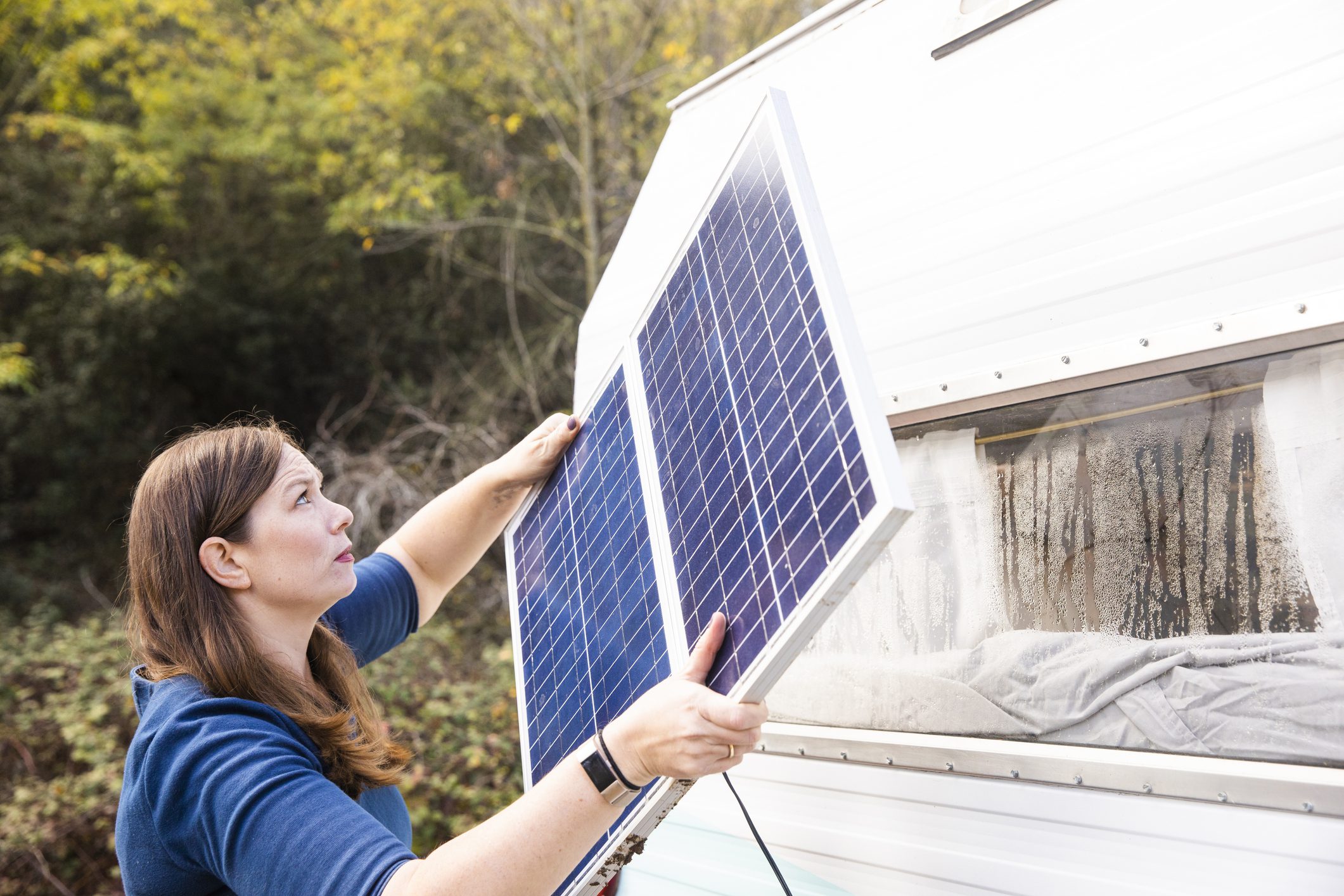
In 2025, solar has only gotten better. High-efficiency panels are more affordable, and lithium batteries can store more energy in a smaller footprint. Investing in a quality solar setup means fewer generator hours (or none at all!), plus peace of mind when you’re off-grid.
You’ll have the freedom to park anywhere without worrying about draining your power reserves.
Keep in mind: Are Flexible Solar Panels Worth It?
2. Upgrade to a Smart Inverter
Traditional inverters turn your DC battery power into AC, but “smart” inverters can monitor and optimize power usage.
Some models connect to your phone, letting you keep tabs on battery levels and energy consumption in real time. This is super handy if you’re running laptops, cameras, or drones while boondocking in remote deserts or beach spots.
We use Victron inverters – they seem to be the smartest of all.
3. Get Strategic About Water Conservation
Water is gold on the road—especially if you’re boondocking for days at a time. Use low-flow faucets and a water-saving showerhead. Collect leftover water from cooking to rinse dishes.
In 2025, there are even portable “gray water” recycling units that filter and reuse water for non-drinking purposes. Less time searching for refills means more time exploring!
4. Use a High-Tech Water Filtration System
High-tech filtration setups are getting smaller and more efficient. Reverse osmosis systems can now be integrated right into your RV without taking up an entire cabinet.
This means you can tap into questionable water sources (within reason!) and filter them into safe drinking water. Bonus: Fewer plastic bottles = a happier planet.
We’ve used the Acuva system in two of our RVs an have completely loved it.

5. Plan a Digital Workspace
Working remotely in 2025 is way more common, even for nomads. If you need a dedicated workspace, set up a fold-out desk or convert your dinette. Make sure you have good lighting, a supportive chair, and cable organizers to keep cords from tangling.
Creating a comfy, functional environment boosts productivity, whether you’re coding, designing, or editing that next viral TikTok.
6. Invest in Booster Antennas & Wi-Fi Hotspots
Cell service might be stronger in 2025, but trust me, those remote spots still exist. Keep a cell signal booster handy, and consider a dual-carrier hotspot if you rely on the internet for work.
Different carriers perform better in different areas, so having options is key. Some boosters now come with AI-powered signal optimization—fancy, right?
We have used the WeBoost in both our vehicles and RVs.
7. Master Digital Security
Privacy breaches aren’t just for city folk. Secure your network with a strong password and a VPN. This prevents hackers from accessing your devices when you’re using random coffee-shop Wi-Fi.
It might sound overkill, but trust me, nobody wants to deal with stolen data while you’re in the middle of a national forest.
We bought a PepWave Internet Plan from MoibileMustHaves with their customer support package. Their team was able to configure our network for optimized speed and security.
8. Keep Multiple Navigation Tools
GPS apps are great, but signals can drop. Keep a backup—like a paper atlas or a downloaded offline map. In 2025, some advanced GPS devices even come with topographic layers and real-time traffic updates. Redundancy is key when venturing into uncharted backroads or lesser-known boondocking sites.
Pro Tip: RV GPS Routers: Decent, Better & Best
9. Practice Sustainable Waste Management
Composting toilets are more popular than ever, and biodegradable cleaning supplies are widely available. Minimizing your environmental footprint is easier when you choose products that break down naturally.
Plus, it’s a lot nicer not having to dump a black tank at awkward times—composting systems can help you travel farther before needing a disposal site.
For our most recent Sprinter Van conversion, we used the Boxio toilet.

10. Try a Hybrid RV or Electric Tow Vehicle
By 2025, electric and hybrid vehicles are huge. Some RV manufacturers are even developing fully electric rigs. If going 100% electric isn’t feasible, think about a hybrid tow vehicle. You’ll save on fuel, cut down your carbon footprint, and future-proof your travel when more electric charging stations pop up along highways.
11. Budget with Future Fuel Prices in Mind
Gas and diesel prices can be wild cards. Keep a buffer in your budget for price spikes. Apps still help you find the cheapest fuel nearby, but always plan for an extra 10–20% in costs.
That way, you’re not caught off guard if fuel jumps while you’re in a more remote part of the country.

12. Pre-Plan Your Routes for Low Emissions Zones
Some urban areas now have “clean-air zones” or low-emission regulations, even in the U.S. This might limit where bigger diesel rigs can roam. Before cruising into a city, check local rules and plan a route that keeps you legal. If you can’t drive in, park outside the zone and use public transportation. It’s a small step to keep the air cleaner.
13. Make Friends with Local RV Communities
The RV world is growing, and so are community meetups and gatherings. Check social media groups for local van-lifer or RVer events. Building a network not only gives you new travel buddies, but also a support system for mechanical advice, campsite suggestions, and even mini caravans.
Sometimes, a potluck in the desert is all you need to feel at home.
The Xscapers group is perfect for this.
14. Embrace Off-Peak Travel Times
Tourist spots can be pricey and crowded during high season. In 2025, many people are traveling midweek to dodge weekend crowds. If you can be flexible, aim to arrive at popular places on Monday or Tuesday.
You’ll often find cheaper campsites, emptier trails, and more room to breathe.
Pro Tip: This is Shoulder Season for Camping, Take Note
15. Perfect the Art of Free Boondocking
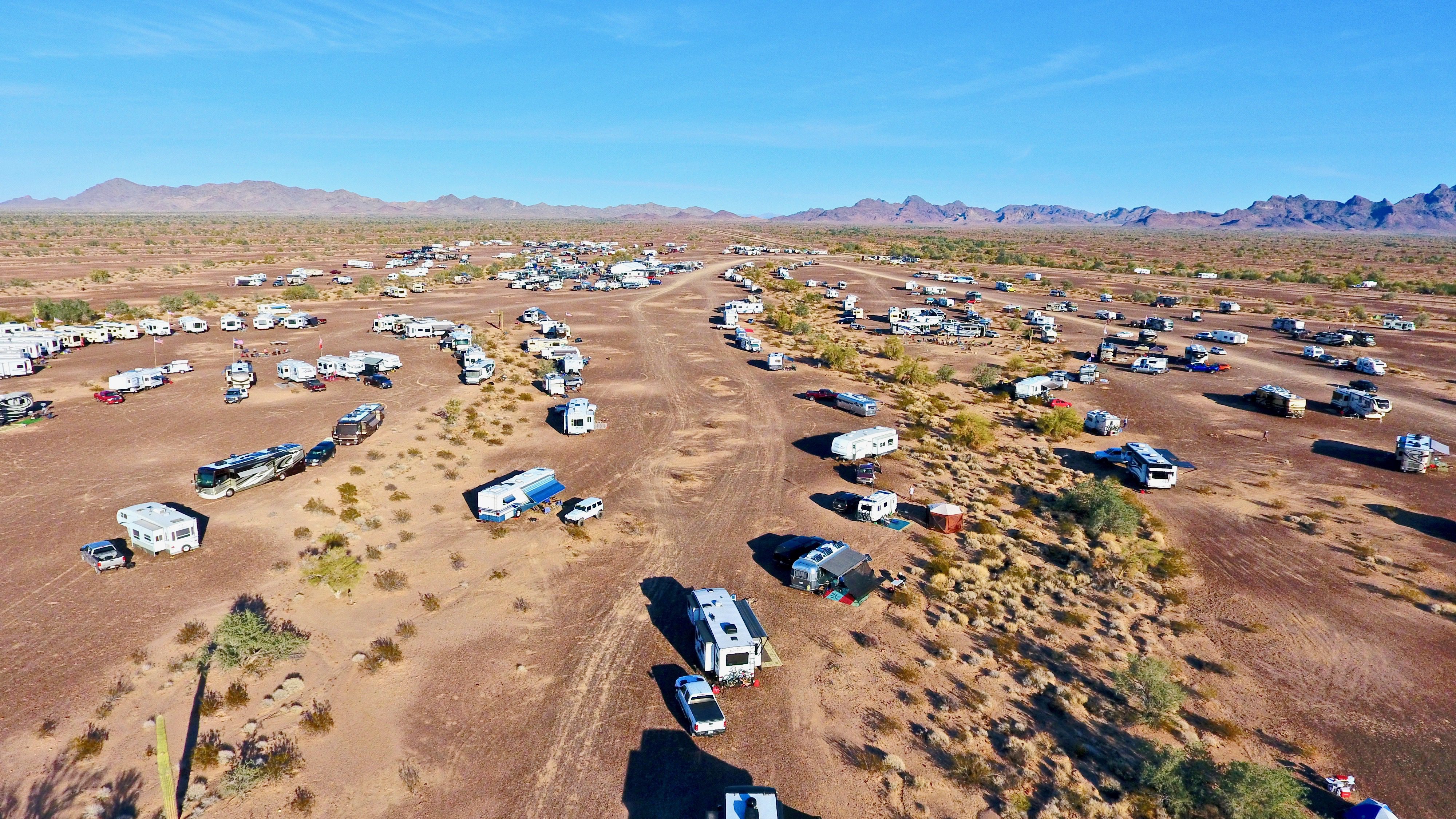
Free camping (a.k.a. boondocking) has skyrocketed in popularity. Brush up on BLM land rules, National Forest regulations, and how to identify legit spots on apps like iOverlander or Campendium.
Always leave the area cleaner than you found it—good boondocking etiquette helps ensure these spots remain open for all of us.
The Scoop: The Boondocking Handbook: 23 Lessons You Must Know
16. Keep a “Ready-to-Roll” Checklist
Mistakes happen. Creating a quick mental or written checklist before you hit the road saves you from driving off with a raised antenna, unlatched cupboard, or half-attached toad car. Tick through it systematically: windows closed, stabilizers up, items stowed, doors locked. It’s the small steps that prevent big disasters.
17. Monitor Tire Pressure Religiously
Smart tire-pressure monitoring systems (TPMS) are now standard in many RVs. If yours doesn’t have one, get a retrofit. Correct tire pressure equals better fuel efficiency, safer handling, and fewer blowouts. A couple of psi can make a huge difference, especially on heavy rigs or tow vehicles.
18. Keep Up with Routine Maintenance
From oil changes to brake checks, maintenance is your friend. In 2025, more service centers offer quick-turnaround appointments specifically for RVs.
Don’t skip the basics—neglected issues can balloon into expensive repairs. Schedule reminders in your phone’s calendar so you never miss that 6,000-mile checkup again.
Pro Tip: Always travel with an RV fuse set – they’re extremely cheap and so useful.
19. Refinish or Upgrade Your Interior
RV interiors can get worn out quickly. If you’re spending large chunks of the year inside, why not make it cozy? Peel-and-stick wallpaper, LED strip lighting, and new cushion covers can transform your space. In 2025, you can even find removable, lightweight cabinetry options to personalize your rig’s layout without permanent modifications.
20. Get Real About Weight Distribution
Overloading is dangerous. Weigh your rig at a CAT scale or a specialized RV weigh station. Distribute heavy items low and evenly. This keeps your center of gravity stable and makes for safer driving. In 2025, advanced “smart weigh” systems can even alert you via an app if your load starts to shift mid-trip.
21. Use Smart Home Tech (Within Reason)
Voice-activated lights? Smart thermostats? Yup, they exist for RVs, too. Make sure they don’t drain your batteries when off-grid. Controlled usage of smart tech can help you monitor temps for pets, lock or unlock doors, or even check your fridge temp from afar. Just don’t forget to switch them off when boondocking for days.
You can keep these devices on indefinitely if you have a robust lithium battery system.
22. Learn Basic Mechanic Skills
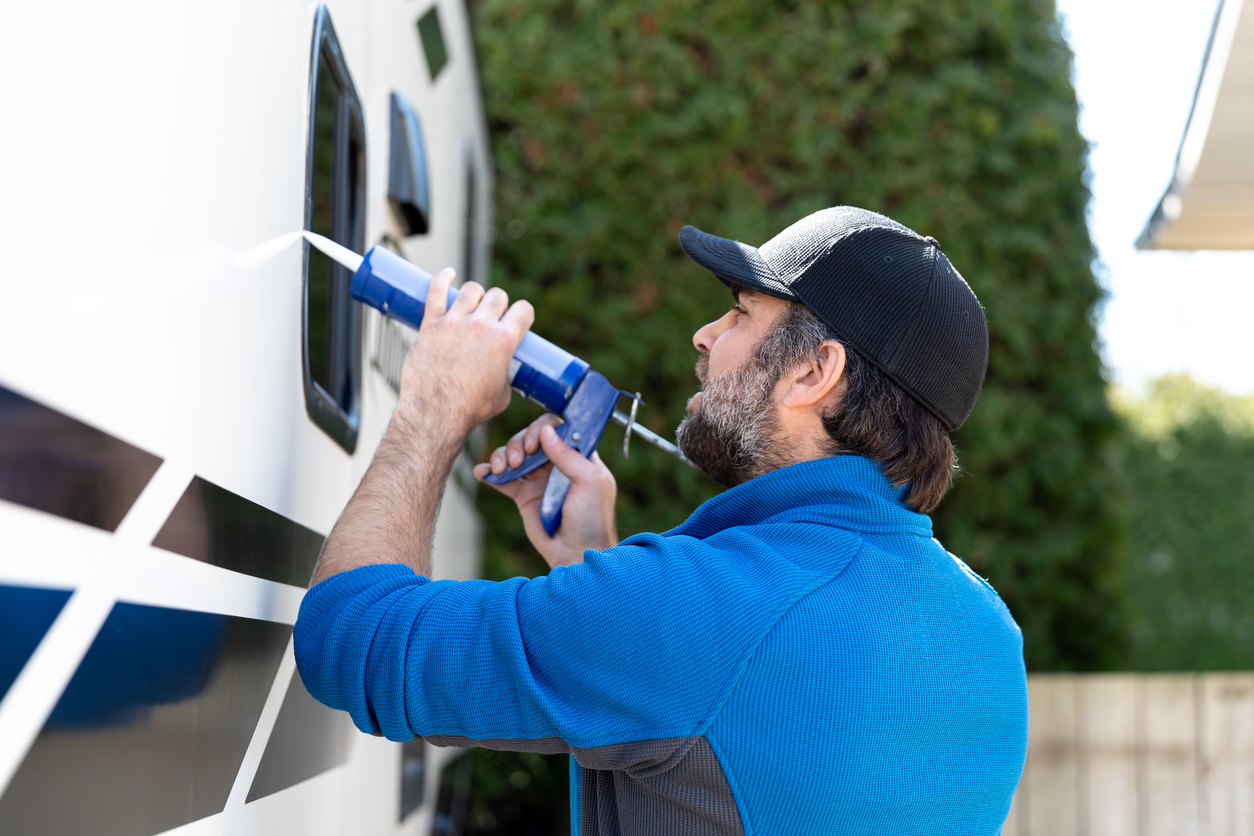
Being able to change a flat, replace a fuse, or fix a minor leak can save you tons of money and hassle. YouTube videos and online courses make DIY repairs super accessible. With some basic tools and knowledge, you’ll keep small issues from turning into giant problems in the middle of nowhere.
Pro Tip: RV Mechanic Reveals What Breaks First on Your RV
23. Pack for the Climate You’re Actually Visiting
It’s tempting to pack every coat, hoodie, and pair of flip-flops you own. But in 2025, minimalism is in. Research the typical weather for your destinations—especially if you’re sticking to warmer climates. Fewer items means less clutter, more space, and better fuel efficiency because you’re not hauling unnecessary weight.
24. Experiment with Micro Adventures
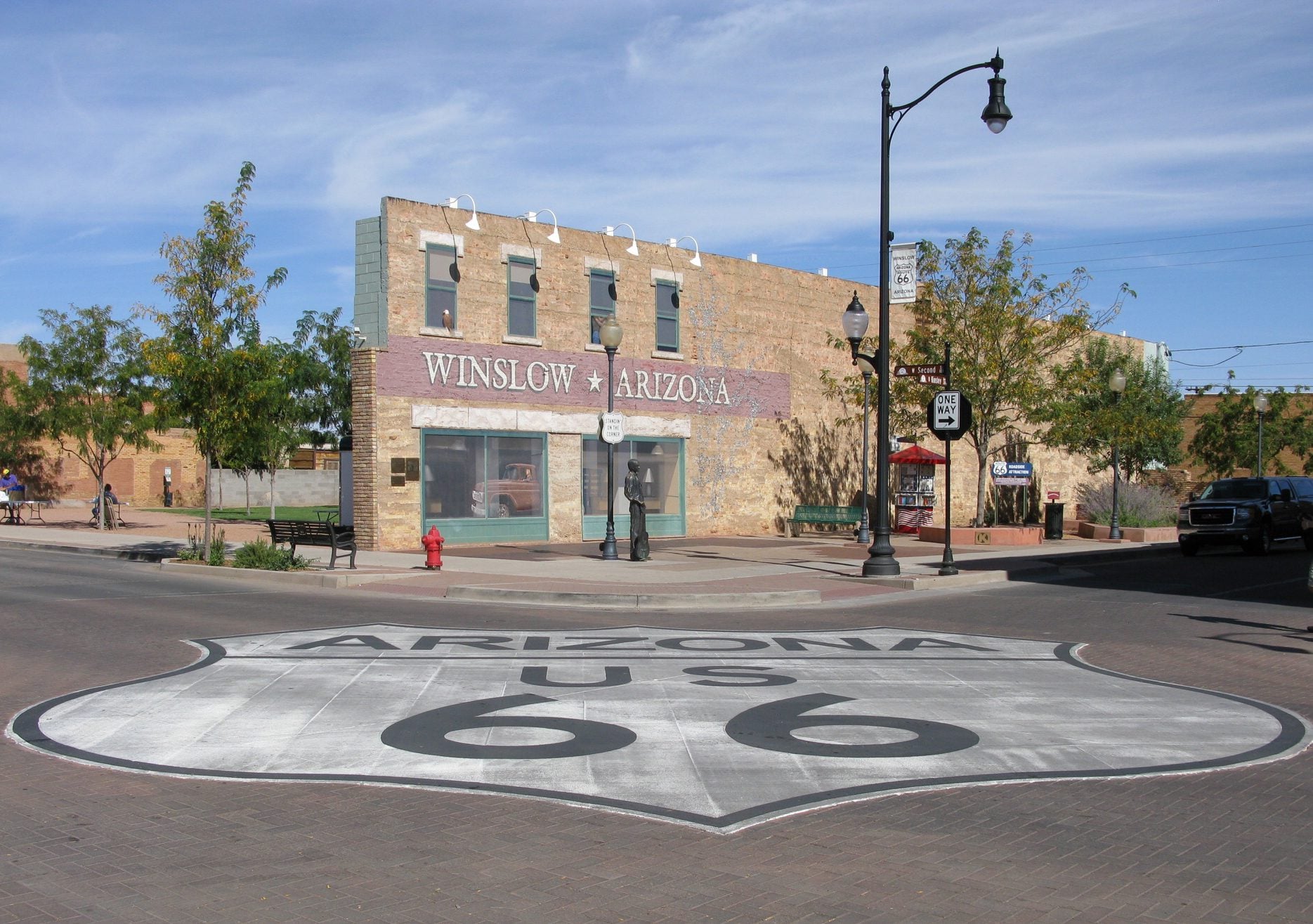
Sure, the big national parks get all the love, but micro adventures can be just as rewarding. A short hike off a lesser-known highway, a quirky roadside attraction, or a hidden local eatery can make your trip special. Keep an eye out for local community boards or area Facebook groups to find these hidden gems.
The Greatest Road in America: 10 Best Things To Do on Route 66 in Arizona
25. Perfect One-Pot or Instant Pot Meals
Cooking in an RV can be tight. Mastering one-pot meals or using an Instant Pot saves time, water for dishes, and space. Pinterest in 2025 is flooded with RV-friendly meal ideas—everything from veggie curries to homemade bread. Whip up something tasty without leaving a mountain of cleanup behind.
26. Keep Emergency Supplies Stocked
A well-equipped first aid kit, spare fuses, extra water, and some shelf-stable food can be a lifesaver. In 2025, many rigs come with built-in SOS systems, but if you’re off-grid, you might need a satellite communicator.
Also, consider a small fire extinguisher or two—one near the kitchen and another in an easily accessible spot.
27. Build an RV Community on the Road
Platforms like Harvest Hosts, Boondockers Welcome (now part of Harvest Hosts), and Hipcamp are amazing for meeting other travelers and exploring unique camping spots. In 2025, there are even more membership-based networks offering private land for RVers. This sense of community makes life on the road less lonely and more supportive.
28. Invest in Quality Camping Furniture
Cheap folding chairs break and can be uncomfortable. Invest in sturdy, lightweight chairs or hammocks that won’t cramp your style. A decent outdoor table can also turn your campsite into a functional living area. With the right setup, you’ll actually want to hang outside, even if you’re just answering emails under the awning.
During the cold months, we highly suggest a heated camping chair.
29. Collect Points for Fuel & Groceries
Loyalty programs are everywhere now. Sign up for fuel rewards cards, grocery store memberships, and even coffee shop apps.
Over a year, these savings can add up to hundreds of dollars. 2025 also sees more grocery delivery services in mid-sized towns, meaning you can have supplies brought to your campsite for a small fee.
30. Balance Work and Play
Remote work is a double-edged sword. While you can travel anywhere, it’s easy to get sucked into your laptop for hours. Schedule actual “off” days to explore your surroundings.
Set boundaries—like shutting down your laptop by 5 p.m. or only working certain weekdays. After all, you hit the road for freedom, not endless Zoom calls.

31. Practice Campground Etiquette
Don’t run your generator late at night, keep noise to a minimum, and respect people’s space. Common courtesy goes a long way in creating positive experiences for everyone. And if you see trash, pick it up—even if it isn’t yours. Good vibes are contagious, and respect keeps the RV community thriving.
32. Organize Your Gear with Modular Storage
Modular containers, collapsible crates, and vacuum-sealed bags make it easier to stow everything neatly. Labeling is your friend. In 2025, you can even get smart containers that track weight or alert you if something’s missing. A tidy space reduces stress and helps you find what you need quickly, be it hiking boots or extra cables.
33. Learn to Adjust Your RV Antenna for 5G/6G
As mobile networks evolve to 5G and even early 6G in 2025, consider upgrading or adding an antenna that captures the new frequencies. This helps you snag faster data speeds in more populated areas.
It’s not always essential in remote corners, but for city stops or suburban areas, it can be a game-changer.
34. Explore Eco-Friendly Propane Alternatives
Propane has been a staple, but new bio-propane and renewable propane options have begun popping up. They produce fewer emissions and are made from sustainable sources like plant oils or animal fats. If your region offers it, making the switch can lower your carbon footprint without swapping out your propane-powered appliances.
35. Use a Drone for Scouting Campsites
Drones aren’t just for epic travel videos anymore. They can help you preview roads or check how busy a campsite is before you commit. Always follow local regulations and respect “no-drone” zones, especially near national parks or wildlife areas.
But used responsibly, a drone can help you avoid rough roads or find killer vantage points.

36. Add a Skirt or Insulation for Extreme Temps
In hot climates, an RV skirt can keep your undercarriage cooler, protecting your tanks and reducing the heat that seeps into your living area. Reflective window shades also help beat the sun. For the coldest months of the year, skirting can keep your undercarriage warmer.
37. Keep a Fuel-Efficient Driving Style
Sudden acceleration and heavy braking gobble up more fuel. Aim for a smooth, steady driving style. In 2025, some RVs have “eco-modes” that optimize transmission shifts for better mileage. If you don’t have that, just remember: easy on the pedal, keep a steady speed, and enjoy the journey.
38. Maintain Good Relationships with Park Rangers
Whether it’s BLM, National Park, or state lands, rangers are a goldmine of info. They can tip you off to less-crowded camping areas, the best local hikes, or potential wildlife hazards. Being friendly and respectful also helps the entire RV community. In 2025, they’re even more essential, as visitor traffic continues to grow and rules evolve.
39. Consider Taking an RV Driving Course
If you’re moving up to a bigger rig or just want to sharpen your skills, RV-specific driving courses can boost your confidence. They’ll teach backing up, turning radius, and advanced safety maneuvers. It’s an investment in your own peace of mind and the safety of everyone else on the road.
40. Diversify Your Income Streams
If you rely on freelance or remote work, consider having multiple clients or projects. In 2025, the gig economy is still booming, but it can be competitive. Having more than one source of income can buffer you if something falls through.
This way, you’re not stressed about paying for that next tank of diesel.
41. Build a Follow-Worthy Travel Blog or Channel
Love content creation? Share your RV journeys on social media or a blog. In 2025, niche travel communities are popular, so find your unique angle—maybe you’re an avid kayaker, a vegan foodie, or a traveling artist. Document your adventures, gear tips, and campsite reviews.
You might even earn extra income through sponsorships or ads.
Here’s our YouTube page that helps us earn extra income. We even write and record music on the road that earns income from Spotify and Apple Music.

42. Keep Paper Copies of Important Documents
Technology can fail. Keep hard copies of insurance, vehicle registration, and IDs in a safe spot. In a pinch—say, your phone dies or you lose internet in a remote area—paper copies can help you deal with authorities or service centers. It’s old school, but it works when digital fails.
43. Know Your Rig’s Tech Inside and Out
Modern RVs come with digital control panels for lights, slides, leveling jacks—you name it. Familiarize yourself with the manual overrides. If your fancy touchscreen fails, you’ll still need to extend the slides or lower the jacks.
Don’t rely solely on the digital convenience. Old-school knowledge can save the day.
44. Keep Track of Road Conditions
Extreme weather events can disrupt roads and campgrounds. In 2025, apps like Waze or DOT websites can give real-time updates, but local Facebook groups or park websites are also crucial. If a storm hits, you’ll know which roads are closed or washed out, letting you reroute quickly.
45. Optimize Your Van/RV for Urban Camping
Sometimes you need to be in a city—maybe for a job, a concert, or a family visit. Outfit your rig with good stealth features (like blackout curtains and minimal external lights) if you plan on street parking.
Also, scout out safe neighborhoods or legal overnight spots. Urban camping can be tricky, but it’s doable when done responsibly.
Pro Tip: Can You Stealth Park Overnight at Starbucks?

46. Carry Folding E-Bikes or Scooters
E-bikes and scooters in 2025 have extended ranges and quick-charge batteries. They’re perfect for errands or exploring towns without moving your entire rig. Many models fold and can be stored in a compartment or on a rack.
This reduces wear on your main vehicle and saves fuel on short trips.
Our Blix Folding ebikes worked great for us.
47. Stay Open to New Tech & Innovations
Every year, there’s something new—like 3D-printed RV components, or integrated AI that helps manage your rig’s systems. Stay curious. While not all gizmos are worth it, some innovations can truly enhance your on-the-road lifestyle. Being open-minded ensures you don’t miss out on game-changing tools or upgrades.
48. Experiment with Seasonal Work
If you like changing scenery, consider seasonal jobs at campgrounds, national parks, or resorts. In 2025, many employers welcome RVers and provide hookups in exchange for part-time work. It’s a great way to save on lodging costs while getting a taste of a region’s culture, meeting fellow travelers, and padding your travel budget.
Pro Tip: Workamping: The Ultimate Way to Make Money While You Travel
49. Remember to Unplug and Enjoy the Ride
Yes, technology is awesome. But don’t forget to power down once in a while. Watch the sunset, listen to nature, and truly live in the moment. The greatest perk of RV life? The freedom to roam, disconnect from daily grind, and rediscover the world at your own pace. So take a breath, soak it in, and let the open road guide you.
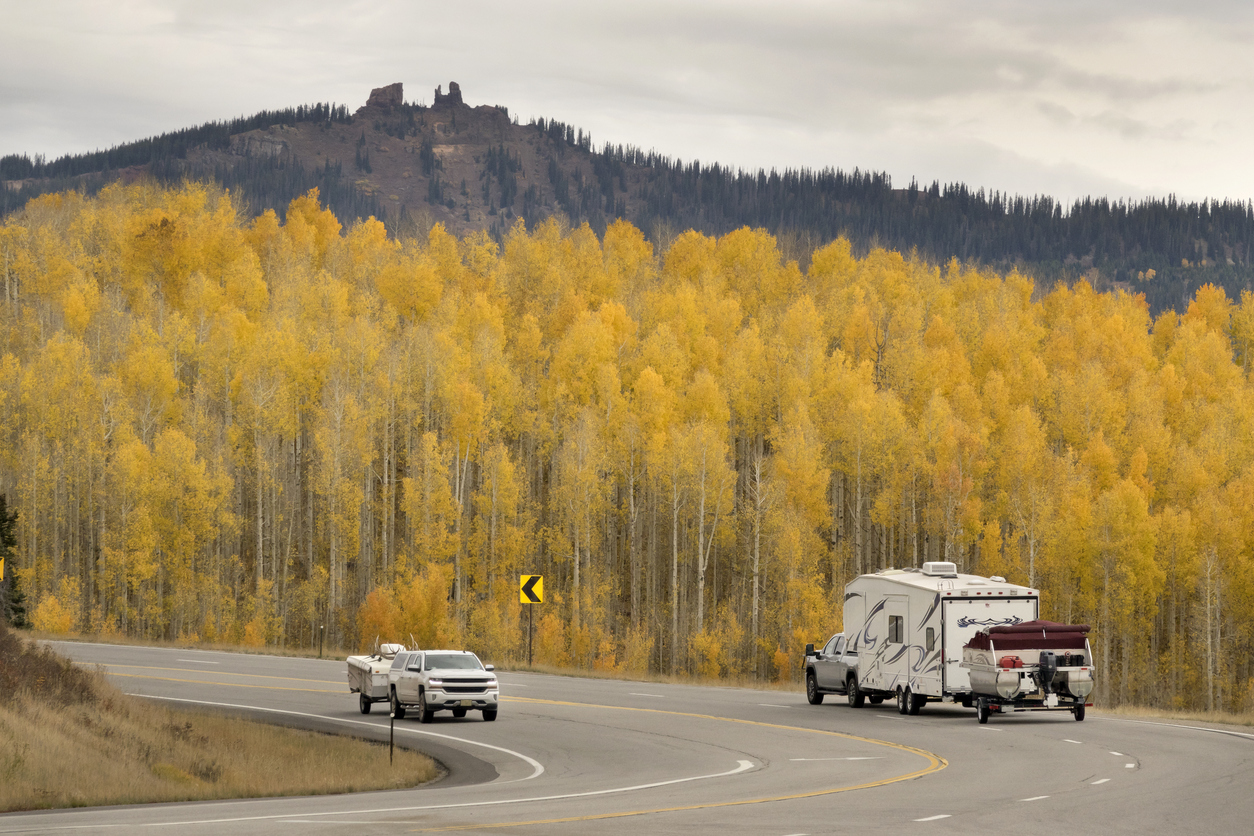
Welcome to RV Life 2025, where advanced gadgets, eco-friendly innovations, and a booming nomad community have made road-tripping easier and more exciting than ever. But amidst all the hype, it’s still the little things—like connecting with fellow travelers, stumbling on a hidden canyon or deserted beach, or nailing that perfect boondocking spot—that truly make the journey worthwhile.
These 49 tips aren’t just about having the coolest rig on Instagram; they’re about living smarter, safer, and more sustainably, whether you’re a full-timer or a weekend warrior. The open road will always have its challenges—unpredictable weather, the occasional mechanical hiccup, or that slow driver in front of you on a mountain pass. But with some planning, an open mind, and a willingness to adapt, you’ll thrive in this fast-evolving RV world.
We’ll Help You Find the Best Free Camping in the USA
You should give it a try!
As a matter of fact, these free campsites are yours to enjoy. Every time you pay federal taxes, you’re contributing to these lands.
Become a FREE CAMPING INSIDER and join the 100,000 campers who love to score the best site!
We’ll send you the 50 Best Free Campsites in the USA (one per state). Access the list by submitting your email below: